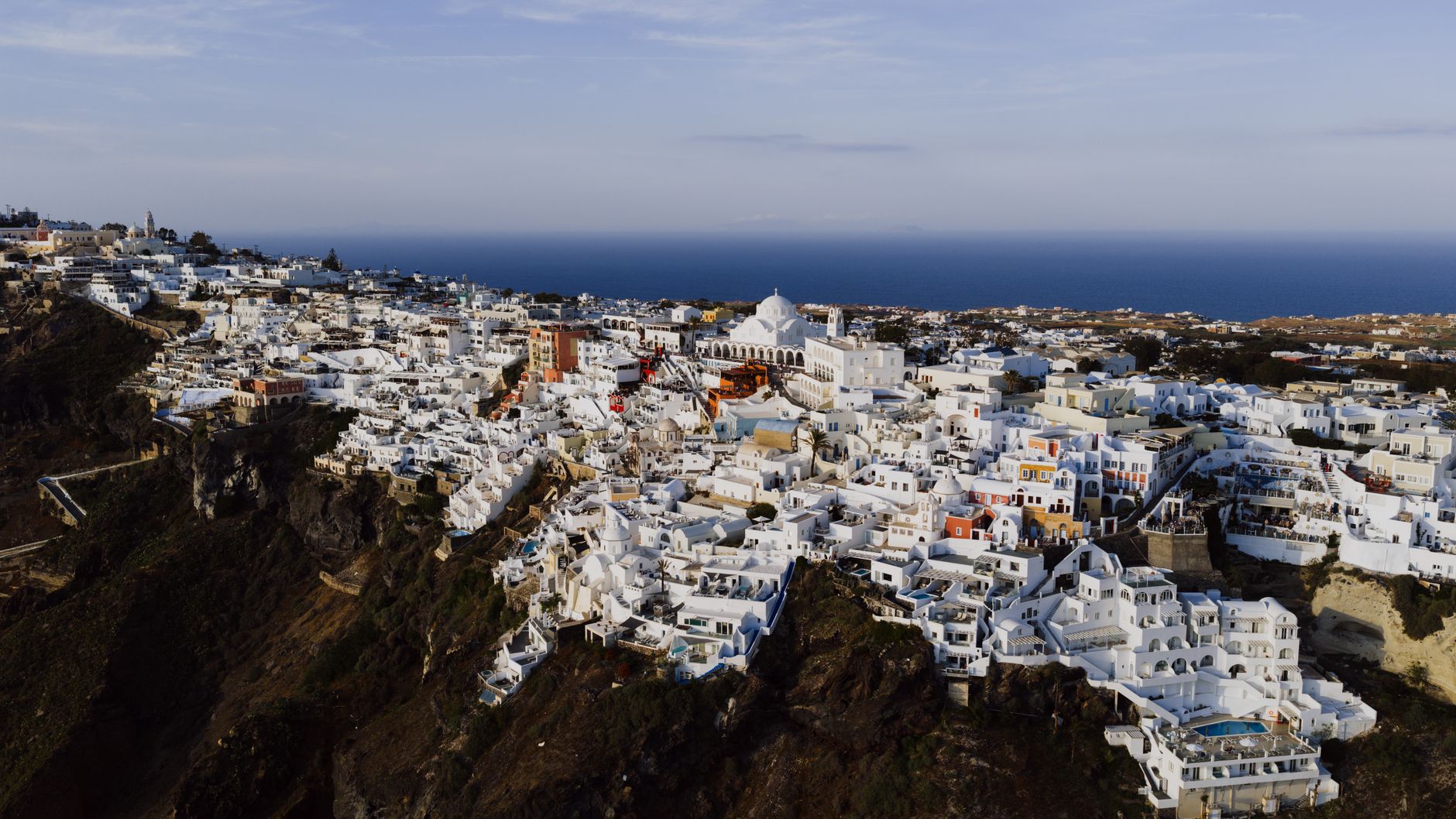
The Siren Song of the Aegean: Beyond the Santorini Scramble
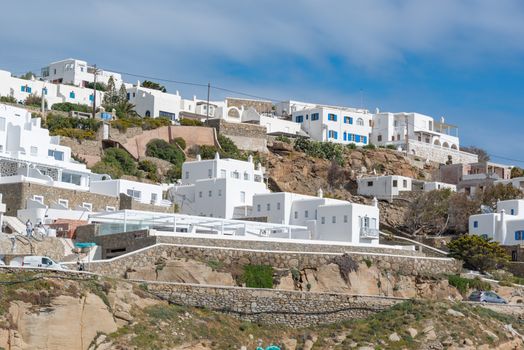
I stepped off the ferry onto the sun-baked quay, the air thick with the briny kiss of the Aegean and the faint, sweet perfume of wild thyme. The gentle lapping of waves against weathered fishing boats was a stark contrast to the imagined cacophony of crowds I’d braced myself for. This wasn't Santorini. This was Folegandros, and it was already whispering promises of an escape far richer than any postcard could capture. The iconic white-washed villages, yes, but without the selfie-stick forest. The dramatic cliffs, yes, but with space to breathe them in. This is what the Greek islands are supposed to feel like.
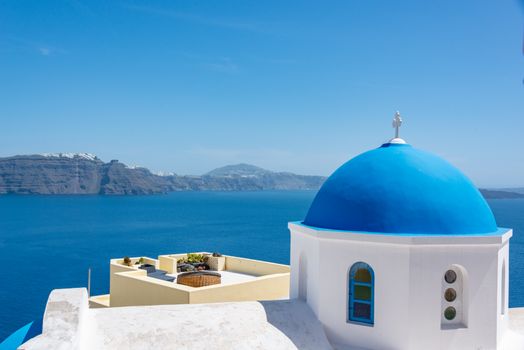
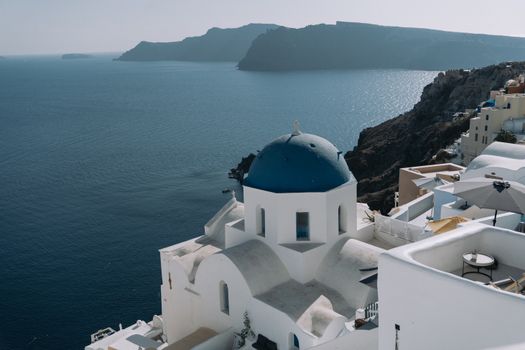
Santorini, with its undeniable allure, has become a victim of its own success. The caldera views are spectacular, the sunsets legendary, but the sheer volume of visitors can dilute the magic, turning a dream into a logistical challenge. But fear not, fellow wanderlusters! The Aegean is vast, dotted with countless islands, each with its own unique charm, waiting to be discovered. If you’re yearning for that quintessential Greek island experience – the dazzling white villages, the sapphire waters, the mouthwatering food, and the genuine warmth of the locals – but without the overwhelming throngs, I’ve got you covered. These are my top picks, the islands that are currently stealing my heart, offering a more authentic, more serene, and frankly, more rewarding alternative to the Santorini scramble.
1. Folegandros: The Wild Heart of the Cyclades
Folegandros is often described as Santorini's wilder, more untamed sister. It’s a place where dramatic cliffs plunge into the impossibly blue sea, and winding, stone-paved paths lead you through a landscape that feels untouched by mass tourism. The main town, Chora, is a labyrinth of narrow alleys, flower-draped balconies, and charming squares where locals gather for their evening volta.
The Magic of Chora: Forget Oia’s sunset crowds. Chora’s sunset experience is far more intimate. My favorite spot? The Kastro, the oldest part of the village, a fortified medieval settlement. Pro-Tip: Arrive about an hour before sunset, find a table at a taverna overlooking the caldera, order a glass of local Assyrtiko wine, and let the sky paint its masterpiece. The colors are just as intense, the drama just as profound, but the soundtrack is the gentle murmur of conversation and the distant bleating of goats.
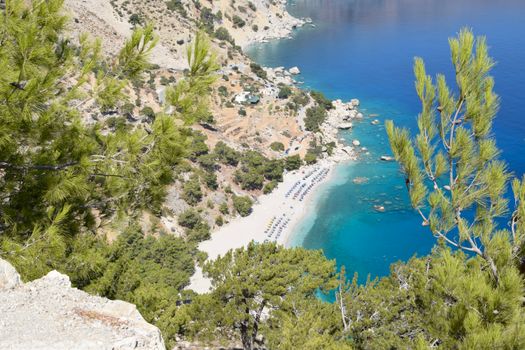
Beaches to Write Home About: Unlike Santorini’s volcanic sands, Folegandros boasts a mix of pebble and sand beaches, many accessible only by boat or a scenic hike.
- Agali Beach: The most accessible, with a few tavernas.
- Katergo Beach: Requires a boat trip or a challenging hike, but the reward is a secluded paradise with crystal-clear waters. Insider Secret: The boat taxis from the port of Karavostasi are efficient and affordable. Ask the captain for a stop at Katergo.
- Livadaki Beach: Another gem accessible by boat, offering pure tranquility.
The Vibe: Folegandros is for the traveler who appreciates raw beauty, a slower pace, and genuine island life. It’s not about infinity pools and designer boutiques; it’s about the simple pleasure of a perfectly grilled octopus and the feeling of the sea breeze on your skin.
Quick Facts: Folegandros
- Estimated Costs ($): $$ (Mid-range for Greek Islands)
- Best Time to Visit: May-June, September-October (pleasant weather, fewer crowds)
- How to Get There: Ferry from Piraeus (Athens) or from other Cycladic islands like Santorini, Mykonos, or Milos.
2. Milos: The Artist's Palette of the Aegean
If Santorini is about dramatic caldera views, Milos is about unparalleled coastal diversity. This volcanic island is a geological wonderland, boasting over 70 beaches, each with its own unique character and color palette. From the moon-like landscape of Sarakiniko to the colorful fishing villages, Milos is a feast for the eyes and a dream for photographers.
Sarakiniko: A Lunar Landscape: This is Milos’s most iconic spot, and for good reason. The smooth, white volcanic rock formations carved by wind and water create an otherworldly terrain. Pro-Tip: Visit at sunrise or sunset to avoid the midday sun and the crowds. The light is softer, and the silence is profound. Bring a picnic and spend hours exploring the natural caves and pools.
Beyond Sarakiniko:
- Kleftiko: Accessible only by boat, these sea caves and rock formations were once pirate hideouts. The water here is an unbelievable turquoise. Insider Tip: Book a small boat tour that goes inside the caves. The feeling of swimming in those ancient arches is magical.
- Firopotamos: A picturesque fishing village with charming boat garages (called syrmata) carved into the rock, right on the water's edge. Perfect for a leisurely swim and lunch.
- Tsigrado Beach: Accessible via a rope and a ladder, this hidden cove offers golden sand and clear waters. It’s an adventure to get there, but the seclusion is worth it.
The Flavors of Milos: Milos is also known for its delicious local produce, especially its watermelons and capers. Don't miss trying pitarakia (cheese pies) and fresh seafood.
Quick Facts: Milos
- Estimated Costs ($): $$ (Mid-range)
- Best Time to Visit: April-May, September-October (warm enough for swimming, pleasant for exploring)
- How to Get There: Ferry from Piraeus (Athens) or from other Cycladic islands. It also has a small airport with flights from Athens.
3. Sifnos: The Gastronomic Gem of the Cyclades
For the true foodie and culture enthusiast, Sifnos is an absolute must. This island is renowned for its incredible cuisine, its traditional pottery villages, and its network of ancient walking paths. It’s a place where you can savor the flavors of authentic Greek cooking while exploring a landscape steeped in history.
A Culinary Pilgrimage: Sifnos is considered the birthplace of Nikos Tselementes, the chef who modernized Greek cuisine in the early 20th century. The island’s food is a testament to this legacy.
- Must-Try Dishes: Revithada (slow-cooked chickpea stew, traditionally cooked in a clay pot overnight), Mastelo (lamb or goat slow-cooked in a clay pot with red wine and dill), and Loukoumades (honey puffs).
- Where to Eat: Explore the tavernas in Apollonia (the capital), Artemonas (known for its neoclassical mansions), and Kastro (the ancient fortified village). Pro-Tip: Look for tavernas that use local ingredients and have a wood-fired oven for the most authentic flavors.
Pottery Villages and Ancient Paths:
- Vathi: A beautiful bay with a sandy beach and several excellent tavernas. It’s also home to some of the island’s oldest pottery workshops.
- Ceramics in Kamares: The port town of Kamares is dotted with pottery shops. Watch the artisans at work and pick up a unique souvenir.
- The Sifnos Trails: The island has an extensive network of well-maintained ancient walking paths connecting villages and historical sites. The path from Apollonia to Kastro is a gentle, scenic stroll.
Quick Facts: Sifnos
- Estimated Costs ($): $$ (Mid-range)
- Best Time to Visit: April-June, September-October (ideal for hiking and dining)
- How to Get There: Ferry from Piraeus (Athens) or from other Cycladic islands.
4. Koufonisia: The Jewel of Small Cyclades
If your idea of paradise involves impossibly turquoise waters, powdery sand, and a pace of life so slow it’s almost vertical, then Ano Koufonisi (the inhabited part of the Koufonisia archipelago) is your island. This tiny island is part of the "Small Cyclades" and offers a slice of pure, unadulterated Greek island bliss.
Beaches That Will Steal Your Breath: Koufonisia is famous for its stunning coastline.
- Pori Beach: A crescent of soft sand with shallow, crystalline waters. It feels like stepping into a postcard.
- Fanos Beach: A popular spot with a beach bar and taverna, but still retains a relaxed atmosphere.
- Italida Beach: Known for its sand dunes and vibrant blue waters.
- Pro-Tip: Rent a small boat or kayak to explore the sea caves and hidden coves along the coast. The water clarity is astounding.
The Village Charm: The main village is incredibly charming, with a harbor filled with colorful fishing boats and a few whitewashed houses. There are no cars on the island, adding to its peaceful ambiance. Insider Tip: The best way to experience Koufonisia is to simply wander. Get lost in the alleys, find your perfect swimming spot, and let the island’s gentle rhythm wash over you.
The Vibe: Koufonisia is perfect for couples seeking romance, friends looking for a relaxed getaway, or solo travelers wanting to disconnect and recharge. It’s simple, beautiful, and utterly captivating.
Quick Facts: Koufonisia
- Estimated Costs ($): $$ (Mid-range to slightly higher due to its popularity for its beauty)
- Best Time to Visit: May-June, September (perfect weather, less crowded than July-August)
- How to Get There: Ferry from Piraeus (Athens) or from nearby islands like Naxos or Paros.
5. Amorgos: The Rugged Beauty and Spiritual Soul
Amorgos is the island of "The Big Blue," the setting for Luc Besson's iconic film, and it lives up to its dramatic reputation. This is an island of rugged mountains, deep gorges, and ancient monasteries clinging to sheer cliffs. It's a place for hikers, adventurers, and those seeking a profound connection with nature and history.
The Monastery of Hozoviotissa: A Marvel of Engineering: Perched precariously on a cliff face 300 meters above the sea, this monastery is breathtaking. The climb is challenging, but the views and the spiritual atmosphere are unparalleled. Pro-Tip: Visit in the morning. The monks offer psimeni raki (a local spiced spirit) and loukoumi (Greek delight) to visitors. Dress respectfully (shoulders and knees covered).
Hiking Heaven: Amorgos boasts an extensive network of ancient footpaths, many of them marked.
- Chora to Hozoviotissa: A classic hike with stunning coastal views.
- Arkesini to Kolofana: Explore ancient ruins and traditional villages.
- Insider Tip: Download offline maps or pick up a hiking map from the local tourist office. The trails can be steep but are incredibly rewarding.
Villages with Character:
- Chora: A beautiful, maze-like village with Venetian influences, charming squares, and windmills.
- Aegiali: A picturesque fishing village with a long sandy beach, perfect for relaxation after a hike.
- Katapola: The main port, with a more developed feel but still retaining its authentic charm.
Quick Facts: Amorgos
- Estimated Costs ($): $$ (Mid-range)
- Best Time to Visit: April-May, September-October (ideal for hiking and pleasant temperatures)
- How to Get There: Ferry from Piraeus (Athens) or from other Cycladic islands.
6. Paxos: The Emerald Isle of the Ionian
While the Cyclades dominate the "Santorini alternative" conversation, the Ionian Sea offers its own brand of magic. Paxos, a tiny island south of Corfu, is a verdant paradise with olive groves, cypress trees, and dramatic sea caves. It’s a stark contrast to the arid beauty of the Cyclades, offering a lush, green escape.
Gaios: A Picturesque Port Town: The capital, Gaios, is built around a charming natural harbor, with colorful Venetian-style buildings and a relaxed atmosphere. The small island of Agios Nikolaos guards the entrance to the harbor. Pro-Tip: Take a boat trip around the island to explore the stunning sea caves, especially the famous Blue Caves. The color of the water inside is mesmerizing.
Beaches with a Difference:
- Voutoumi Beach: Accessible by boat or a steep path, this beach on Antipaxos (a smaller island accessible from Paxos) is legendary for its white pebbles and impossibly turquoise water.
- Kipiadi Beach: A long, sandy stretch on Paxos itself, relatively undeveloped and peaceful.
- Mongonissi: A small islet connected by a causeway, offering a sheltered bay and a few tavernas.
The Vibe: Paxos is perfect for those who love nature, boating, and a more laid-back, sophisticated atmosphere. It’s less about bustling nightlife and more about enjoying the natural beauty and the tranquility.
Quick Facts: Paxos
- Estimated Costs ($): $$$ (Can be slightly pricier due to its exclusivity and beauty)
- Best Time to Visit: May-June, September (warm, sunny, and fewer crowds)
- How to Get There: Fly into Corfu (CFU) and take a ferry or hydrofoil to Paxos.
Planning Your Escape: Logistics and Insider Tips
Choosing an alternative to Santorini is about embracing a different kind of Greek island experience. It’s about prioritizing authenticity, tranquility, and genuine connection over ticking boxes on a crowded itinerary.
Island Hopping Made Easy: Many of these islands are well-connected by ferry. Consider combining two or three islands for a diverse experience. For example, Milos and Folegandros are relatively close, as are Sifnos and the Small Cyclades.
Getting Around: On most of these islands, scooters or ATVs are a great way to explore at your own pace. Local buses are also an option, though schedules can be infrequent on smaller islands.
Embrace the Local: Learn a few basic Greek phrases. Engage with the locals. Eat where they eat. This is where the true magic of Greece lies.
Book in Advance: While these islands are less crowded than Santorini, they are gaining popularity. For peak season (July-August), booking ferries and accommodation in advance is still highly recommended.
The Best Time to Visit:
- Spring (April-June): Wildflowers bloom, temperatures are pleasant for hiking and exploring, and the sea is starting to warm up.
- Summer (July-August): Hottest months, ideal for swimming, but also the busiest.
- Autumn (September-October): Warm seas, beautiful light, fewer crowds, and harvest season for many local products.
Santorini is undoubtedly beautiful, but the soul of Greece is spread across its thousands of islands, waiting to be discovered by those willing to venture just a little off the beaten path. These alternatives offer not just stunning scenery, but a chance to truly connect with the magic of the Aegean. So, pack your bags, leave the crowds behind, and find your own slice of Greek paradise.