The Call of the Peaks: My First Breathwork Retreat at Altitude
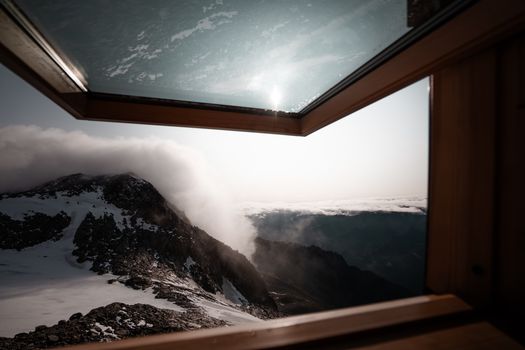
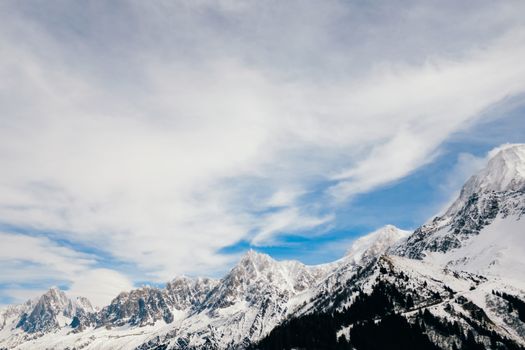
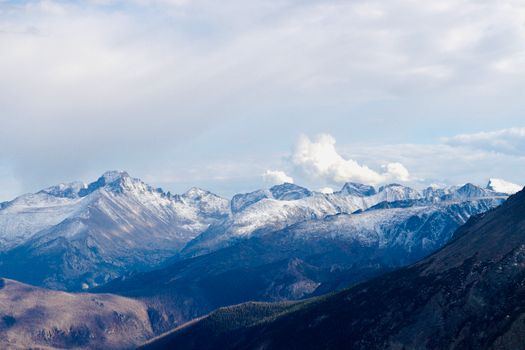
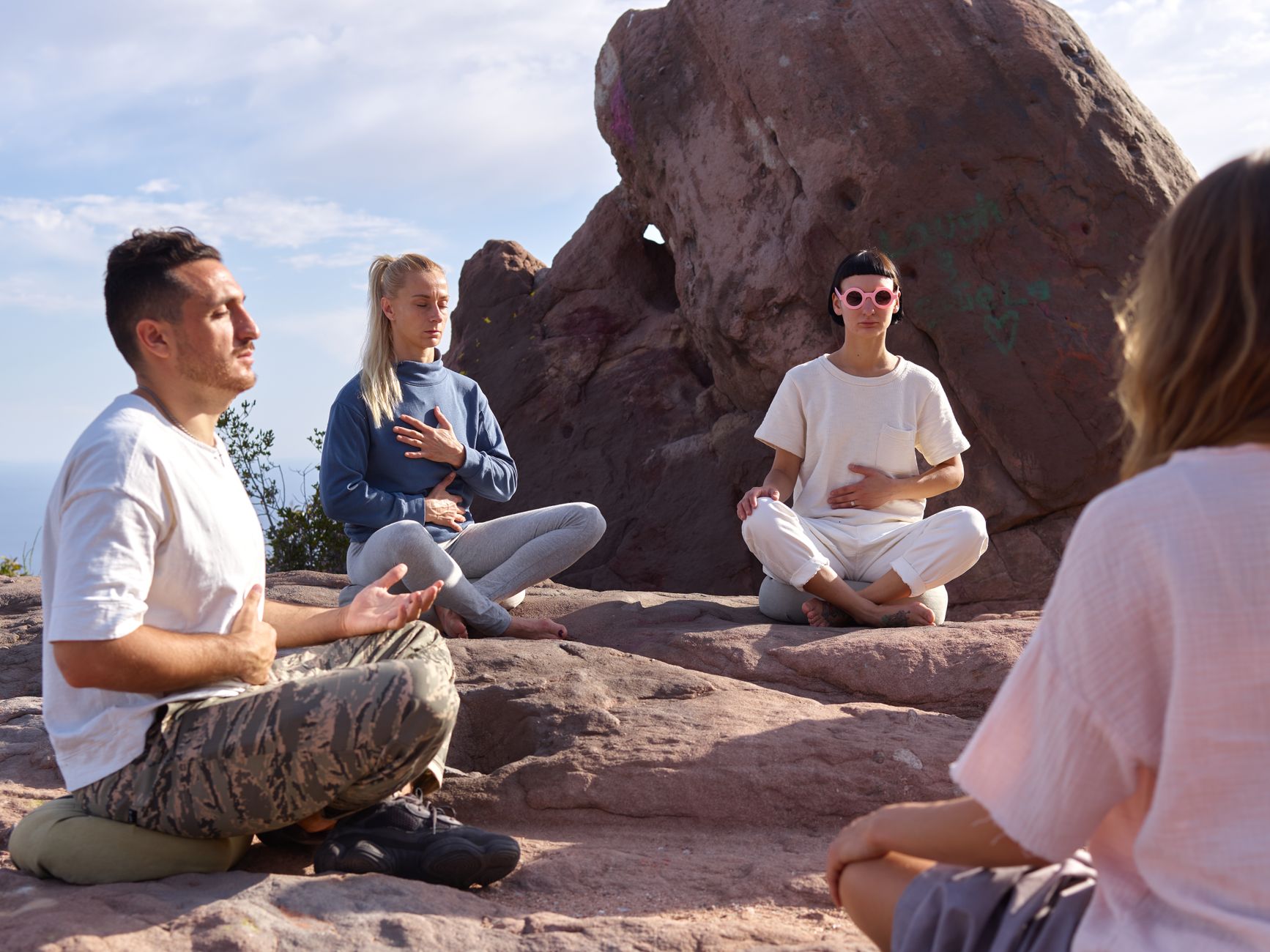
I stepped off the tiny prop plane onto the dusty airstrip, the thin air immediately a sharp, invigorating kiss against my lungs. The scent of pine needles and something subtly earthy, like sun-baked clay, filled my senses. Below, a valley unfurled, painted in shades of emerald and ochre, cradled by colossal, snow-dusted peaks that seemed to scrape the very heavens. This was it. My first breathwork retreat, perched at an altitude that made even the simplest inhale feel like a conscious act of will. I'd heard whispers, then outright endorsements, from seasoned wellness gurus and seasoned travelers alike: the potent synergy of high altitude and focused breathwork was a game-changer. Skeptical but hopeful, I was ready to experience it for myself.
Why High Altitude + Breathwork is a Winning Combination
It’s not just the Instagrammable views (though, let’s be honest, they’re spectacular). The science behind combining high-altitude living with intentional breathwork is compelling. At elevations above 6,000 feet, your body naturally begins to adapt to lower oxygen levels. This process, known as acclimatization, can lead to increased red blood cell production and improved oxygen utilization. When you layer conscious breathing techniques onto this physiological shift, something magical happens.
- Enhanced Oxygenation: Breathwork, by its very nature, trains your body to breathe more efficiently. At altitude, this amplified oxygen intake can feel incredibly powerful, leading to a heightened sense of clarity and energy.
- Deepened Nervous System Regulation: The combination helps to downregulate the sympathetic nervous system (fight-or-flight) and upregulate the parasympathetic nervous system (rest-and-digest). This is where true relaxation and emotional release occur.
- Spiritual & Emotional Unlocking: The perceived 'thinness' of the air can also feel like a mental clearing. Combined with the introspective nature of breathwork, many find it easier to access deeper emotional states and gain profound insights.
Expert-Recommended Havens: Where the Magic Happens
The consensus among the travel and wellness elite is clear: certain locations offer an unparalleled experience for high-altitude breathwork retreats. These aren't your average yoga studios; they are sanctuaries designed to immerse you in nature and facilitate deep inner work.
1. The Sacred Andes: Peru's Mystical Mountain Sanctuaries
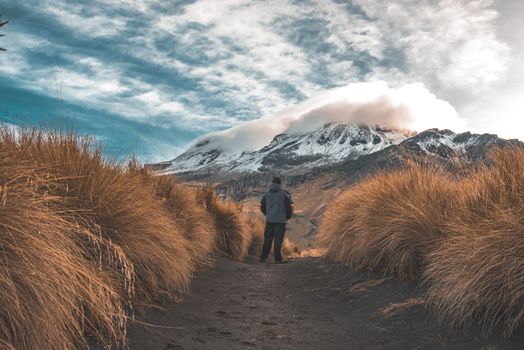
When you think of high altitude and spiritual journeys, the Andes inevitably come to mind. Think Cusco, the Sacred Valley, and the legendary Machu Picchu. These ancient lands are steeped in shamanic traditions, and many retreats here integrate traditional Andean practices with modern breathwork modalities.
Pro-Tip: Many retreats offer optional excursions to sacred sites. Book these in advance, as they often have limited capacity and sell out quickly.
- What to Expect: Expect to work with facilitators who often have deep roots in indigenous healing practices. The breathwork might be combined with sound healing, plant medicine ceremonies (ethically sourced and legally compliant), and guided meditations in breathtaking natural settings. The air here feels charged with ancient energy.
- Insider Language: Look for retreats that emphasize "Pachamama connection" (Mother Earth) and "Andean cosmology."
- Quick Facts (Andes):
- Estimated Cost: $2,000 - $5,000+ (for a 7-10 day retreat)
- Best Time to Visit: May to September (dry season)
- How to Get There: Fly into Lima (LIM), then a domestic flight to Cusco (CUZ). Many retreats offer airport transfers from Cusco.
2. The Himalayas: Nepal's Serene Mountain Retreats
Nepal, home to the world's highest peaks, offers a spiritual pilgrimage like no other. Retreats here often focus on mindfulness, meditation, and the profound stillness that the Himalayas inspire.
Pro-Tip: Pack layers! The temperature can fluctuate dramatically between day and night, even within the same season.
- What to Expect: Imagine practicing Holotropic Breathwork or Rebirthing Breathwork with views of Everest or Annapurna in the distance. These retreats often emphasize simplicity, discipline, and a deep connection to Buddhist or Hindu philosophies. The silence is profound, broken only by the wind and distant temple bells.
- Insider Language: Seek out retreats that mention "Vipassanā" (insight meditation) or "Pranayama" (yogic breathing techniques).
- Quick Facts (Himalayas):
- Estimated Cost: $1,500 - $4,000+ (for a 7-10 day retreat)
- Best Time to Visit: October to November (post-monsoon, clear skies) or March to April (spring bloom).
- How to Get There: Fly into Kathmandu (KTM). From Kathmandu, you might take a short domestic flight to Pokhara (PKR) or Lukla, or arrange for overland transport to your retreat center.
3. The Rocky Mountains: Colorado's Majestic High-Altitude Sanctuaries
For those seeking a North American option, the Colorado Rockies offer stunning beauty and accessible high-altitude wellness centers. These retreats often blend contemporary breathwork techniques with the rugged grandeur of the mountains.
Pro-Tip: Acclimatize for a day or two at a lower elevation before heading to your high-altitude retreat to minimize the risk of altitude sickness.
- What to Expect: Think breathwork sessions in yurts overlooking aspen groves, or guided hikes that incorporate mindful breathing. These retreats often attract a diverse group and may offer a more modern, secular approach to wellness, focusing on stress reduction, emotional processing, and peak performance.
- Insider Language: Look for programs that highlight "trauma-informed breathwork" or "somatic experiencing" integrated with breathwork.
- Quick Facts (Rockies):
- Estimated Cost: $1,800 - $4,500+ (for a 5-7 day retreat)
- Best Time to Visit: June to September (summer for hiking and wildflowers) or September to October (stunning autumn foliage).
- How to Get There: Fly into Denver International Airport (DEN). From Denver, many retreats are accessible via a 2-4 hour drive, or they may offer shuttle services.
4. The Swiss Alps: European Alpine Purity
The Alps offer a sophisticated and breathtaking setting for high-altitude healing. Imagine crisp, clean air, pristine lakes, and the majestic presence of peaks like the Matterhorn.
Pro-Tip: Consider booking a retreat during the shoulder seasons (late spring or early autumn) for fewer crowds and beautiful scenery.
- What to Expect: High-end wellness centers often offer a blend of breathwork, mindful movement, and gourmet healthy cuisine. These retreats might be more luxurious, with spa treatments and stunning alpine views from every window. The focus is often on deep rejuvenation and mental clarity.
- Insider Language: You might find programs that incorporate "Alpine foraging" or "mountain therapy" alongside breathwork.
- Quick Facts (Swiss Alps):
- Estimated Cost: $2,500 - $6,000+ (for a 5-7 day retreat)
- Best Time to Visit: June to September (summer hiking) or December to March (for a unique winter breathwork experience).
- How to Get There: Fly into Zurich (ZRH) or Geneva (GVA). From there, scenic train journeys or private transfers will take you to your chosen alpine village.
Preparing for Your High-Altitude Breathwork Journey
Embarking on a retreat at altitude requires a little more preparation than your average getaway. This isn't just about packing the right clothes; it's about setting your body and mind up for success.
Physical Preparation & Acclimatization
- Hydration is Key: Start increasing your water intake a week before you leave. Altitude dehydrates you faster.
- Limit Alcohol & Caffeine: In the days leading up to your retreat, reduce your intake of alcohol and caffeine, as they can exacerbate altitude effects.
- Gentle Exercise: Engage in moderate, low-impact exercise in the weeks prior to build your cardiovascular fitness.
- Listen to Your Body: Once you arrive, take it easy for the first 24-48 hours. Avoid strenuous activity and allow your body to adjust. If you experience headaches, nausea, or dizziness, inform your retreat facilitators. They are experienced in managing these symptoms.
- Herbal Remedies: Some people find remedies like coca tea (in regions where it's customary and legal) or ginger helpful for mild altitude sickness.
Mental & Emotional Preparation
- Set Intentions: Before you go, spend time reflecting on what you hope to gain from the retreat. What specific issues do you want to address? What shifts are you seeking?
- Open Mind, Open Heart: Approach the experience with curiosity and a willingness to be vulnerable. Breathwork can bring up a wide range of emotions.
- Digital Detox: Consider limiting your screen time during the retreat to fully immerse yourself in the experience and the present moment.
- Journaling: Bring a journal. The insights that arise during breathwork sessions can be profound and are best captured immediately.
What to Pack: Beyond the Basics
Beyond your usual travel essentials, here are a few specific items that will enhance your high-altitude breathwork retreat experience:
- Comfortable, Breathable Clothing: Layers are crucial. Think moisture-wicking base layers, insulating mid-layers (fleece or down), and a waterproof/windproof outer shell.
- Sturdy Hiking Boots: Even if you're not planning strenuous hikes, comfortable walking shoes are essential for exploring the surroundings.
- Sun Protection: The sun is more intense at higher altitudes. Pack a wide-brimmed hat, sunglasses, and high-SPF sunscreen.
- Reusable Water Bottle: Staying hydrated is paramount.
- Eye Mask & Earplugs: For deeper sleep and to enhance your breathwork sessions if you prefer complete darkness and silence.
- Journal & Pen: As mentioned, a space to capture your insights is invaluable.
- Comfort Item: A favorite shawl, a small pillow, or a piece of comforting jewelry can provide a sense of grounding.
The Transformative Power of the Pause
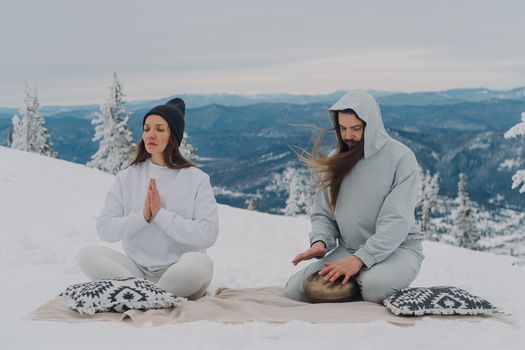
My time in the mountains, breathing deeply and consciously, was more than just a vacation; it was a profound recalibration. The thin air, once a challenge, became an ally, amplifying the effects of each exhale and inhale. I left not just with stunning photos and a renewed sense of peace, but with a deeper understanding of my own resilience and capacity for healing.
These high-altitude breathwork retreats are not a quick fix, but they offer a potent catalyst for transformation. They invite you to slow down, to connect with yourself and the natural world, and to unlock a sense of clarity and well-being that can ripple through your life long after you descend. If you're seeking an escape that nourishes your soul and elevates your spirit, look no further than the breathtaking embrace of the mountains.