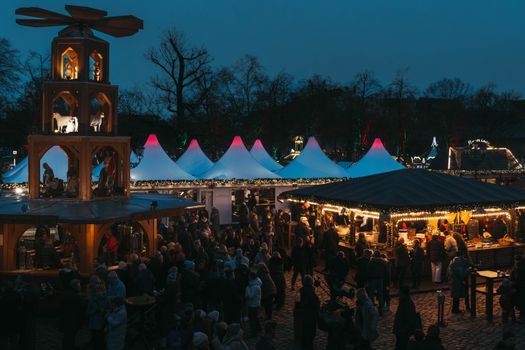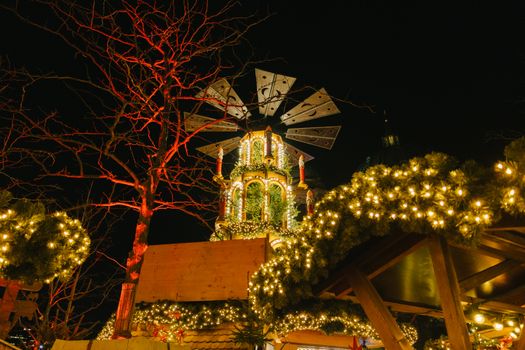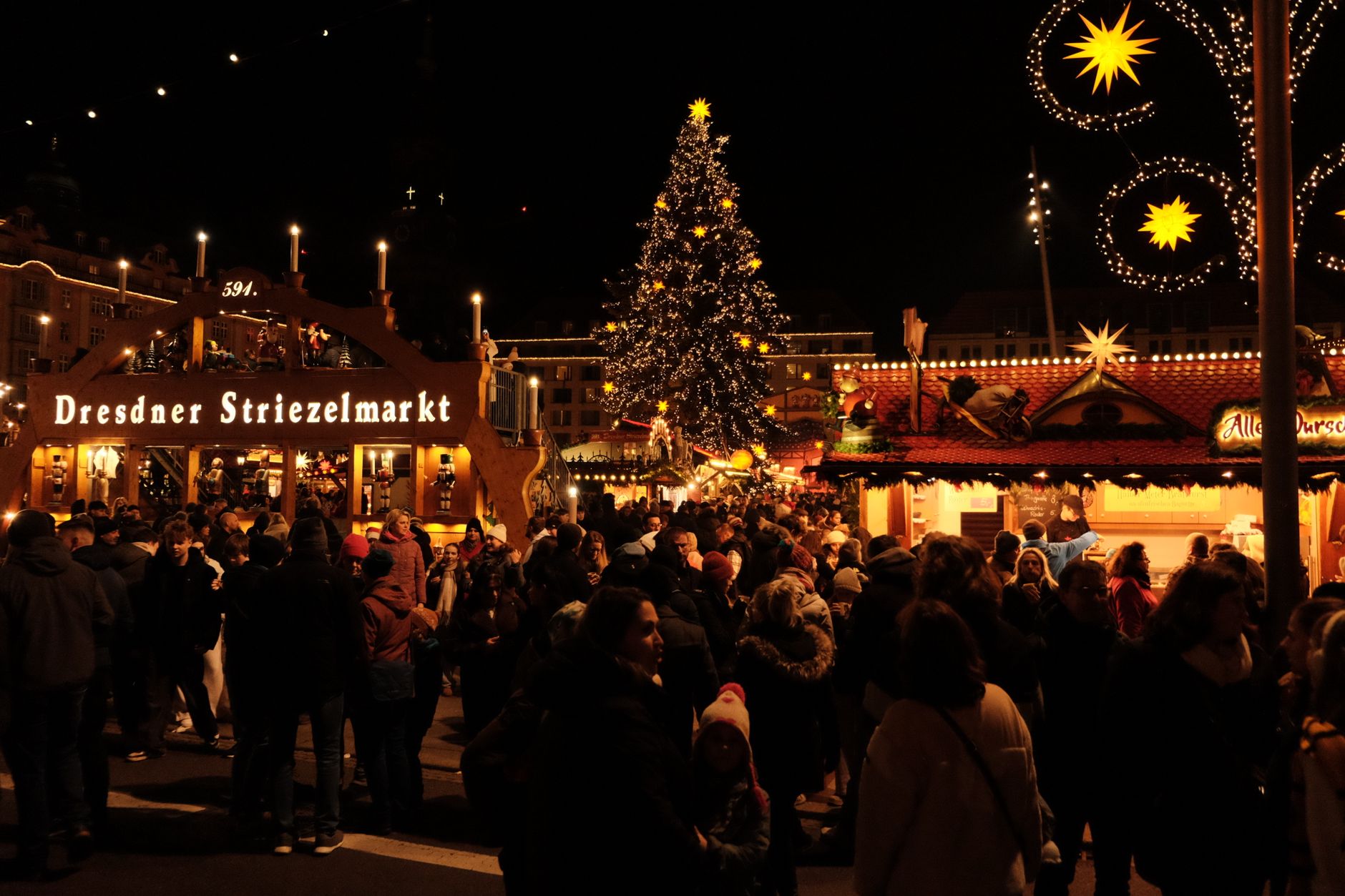
The crisp winter air, the scent of cinnamon and pine, the distant chime of carols, and a kaleidoscope of twinkling lights – for me, this isn't just a description; it's the very heartbeat of the holiday season. Like many of you, my first taste of Christmas market magic was in Germany. Nuremberg, Dresden, Cologne… each was a fairytale come to life. I thought I'd seen the pinnacle of festive cheer, that these German towns held the monopoly on holiday wonder.
But then, a few years ago, a spontaneous trip led me to Strasbourg, France, and my perception of Christmas markets was utterly transformed. It was like discovering a secret garden, equally enchanting but with its own unique bloom. That journey ignited a passion in me to explore the festive spirit beyond the well-trodden German paths. And let me tell you, what I found was nothing short of spectacular.
Forget everything you think you know. Europe is brimming with incredible, authentic, and utterly magical Christmas markets that deserve a prime spot on your bucket list. Each offers a distinct flavor, a unique blend of tradition, cuisine, and charm that will make your holiday travel truly unforgettable. So, grab a warm drink, settle in, and let me take you on a journey to six of my absolute favorite Christmas markets that prove the festive spirit knows no borders.
---
1. Strasbourg, France – The "Capital of Christmas" with French Flair!
Let's kick things off with the market that truly opened my eyes: Strasbourg. Nestled in the historic Alsace region, right on the border with Germany, Strasbourg proudly proclaims itself the "Capital of Christmas" (or Christkindelsmärik, its Alsatian name), and honestly, it lives up to the hype. It’s one of the oldest and largest Christmas markets in Europe, dating back to 1570, and it effortlessly blends French elegance with Germanic traditions.
My first evening there was a blur of wonder. The city center transforms into a sprawling festive village, with no fewer than 10 distinct market areas. The grandest, arguably, is around the magnificent Cathédrale Notre-Dame de Strasbourg, where stalls spill out onto Place de la Cathédrale and Place du Château. The sheer scale and beauty are breathtaking, especially when the cathedral’s intricate façade is lit up against the night sky. But my personal favorite is the market at Place Kléber, home to the city's towering, beautifully decorated Christmas tree – a true showstopper that demands an Instagram moment.
What to Eat & Drink: Forget German glühwein; here, it's all about vin chaud (mulled wine), which often has a slightly sweeter, fruitier profile. Pair it with bredele, traditional Alsatian Christmas cookies in various shapes and flavors (anis, butter, cinnamon), or a savory flammkuchen (tarte flambée), a thin-crusted pizza-like dish topped with crème fraîche, onions, and bacon. Don't miss the local cheeses and charcuterie.
What to Buy: Alsatian crafts are unique. Look for hand-painted pottery, intricate wooden toys, and beautiful nativity scenes. The region is famous for its stork imagery, so you'll find charming stork-themed ornaments and souvenirs. I still cherish the hand-carved wooden angel I picked up there.
Practical Tips:
- When to Go: The market usually runs from late November to late December. Weekdays are generally less crowded than weekends.
- Getting Around: Strasbourg is incredibly walkable. The main market areas are all within easy reach of each other.
- Accommodation: Book well in advance, as hotels fill up fast. Consider staying slightly outside the immediate city center for better value, as public transport is excellent.
- Budget: Vin chaud averages €3.50-€4.50, snacks like bredele or a small flammkuchen around €5-€8. Souvenirs vary widely.
---
2. Vienna, Austria – Imperial Grandeur Meets Festive Cheer
From the charming streets of Strasbourg, let's glide into the imperial elegance of Vienna. Austria's capital takes Christmas markets to a whole new level of sophistication, blending its rich history with an undeniable festive spirit. It's less rustic charm and more majestic splendor, with markets set against breathtaking Baroque palaces and grand city squares.
My absolute must-see in Vienna is the Christkindlmarkt at Rathausplatz. Standing before the illuminated neo-Gothic City Hall, surrounded by hundreds of twinkling stalls, feels like stepping into a grand Christmas card. The sheer scale is immense, with a giant ice rink and a carousel adding to the festive buzz. But don't stop there! The market at Schönbrunn Palace offers a more refined experience, with artisans selling traditional crafts and the stunning palace providing a regal backdrop. For a more local, artistic vibe, check out the market at Karlsplatz, focusing on organic produce and handcrafted goods.
What to Eat & Drink: Vienna's markets are a paradise for your taste buds. Punsch (a stronger, fruitier version of mulled wine, often with rum or brandy) is the drink of choice, served in collectible mugs. Feast on Maroni (roasted chestnuts), Kartoffelpuffer (potato pancakes), and the iconic Kaiserschmarrn (shredded pancake with fruit compote). The smell of roasted almonds is intoxicating!
What to Buy: Expect high-quality Austrian craftsmanship. Hand-blown glass ornaments, intricate wooden toys, traditional nativity scenes, and delicate lace decorations are popular. I found a beautiful hand-painted ceramic mug at Schönbrunn that still brings back memories of that elegant market.
Practical Tips:
- When to Go: Late November to December 26th is the typical season.
- Getting Around: Vienna has an excellent public transport system (U-Bahn, tram, bus). A 24/48/72-hour pass is a good investment.
- Prioritize: If short on time, Rathausplatz is the biggest, Schönbrunn the most scenic, and Belvedere Palace offers another stunning palace backdrop.
- Budget: Punsch costs around €4.50-€5.50 (plus a €4-€5 mug deposit), food items €4-€10. Vienna can be pricier than some Eastern European cities, so budget accordingly.
---
3. Prague, Czech Republic – A Fairytale Unfolds in the Old Town
Prepare to be utterly enchanted as we cross into the Czech Republic, where Prague's Christmas markets transform its medieval heart into a true fairytale. The city's Gothic architecture, cobblestone streets, and iconic Astronomical Clock provide a dramatic and utterly magical setting, especially under a dusting of snow.
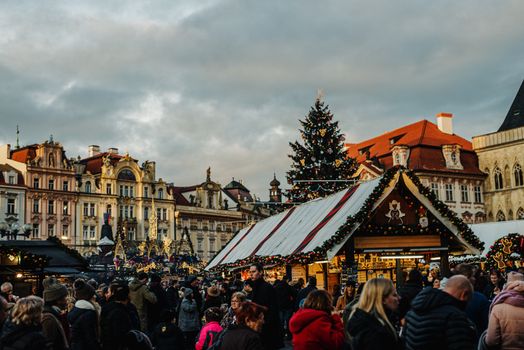
The main action centers around Old Town Square (Staroměstské náměstí) and Wenceslas Square (Václavské náměstí), both just a 5-minute walk from each other. Old Town Square, with its towering Christmas tree and the stunning backdrop of the Týn Church, is particularly breathtaking. I remember standing there, mug of honey wine in hand, as the carols drifted through the air, feeling like I'd stepped into a Dickens novel. The smaller market at Republic Square (Náměstí Republiky) is also worth a visit for a slightly less crowded experience.
What to Eat & Drink: The undisputed king of Prague's Christmas market food is Trdelník, a delicious sugar-coated pastry cooked over an open flame, often filled with chocolate or ice cream. Seriously, you must try one (or five!). Also, savor klobása (grilled sausages), perníčky (gingerbread cookies), and medovina (warm honey wine), which is a delightful alternative to traditional mulled wine.
What to Buy: Prague is famous for its Bohemian crystal, so you'll find exquisite glass ornaments and jewelry. Wooden toys, hand-carved marionettes, and traditional Czech lace are also popular and make wonderful souvenirs. I picked up a beautiful hand-painted wooden angel that now adorns my tree every year.
Practical Tips:
- When to Go: Markets typically run from late November until early January, making them a great New Year's destination too.
- Best Views: For an iconic photo, climb the Old Town Hall Tower for panoramic views of the market and city.
- Currency: Czech Koruna (CZK). While some vendors accept Euros, you'll get a better rate paying in Koruna. ATMs are plentiful.
- Budget: Trdelník costs around 100-150 CZK (€4-€6), klobása around 120-150 CZK (€5-€6), and medovina about 70-90 CZK (€3-€3.50). Prague is generally quite affordable compared to Western Europe.
---
4. Budapest, Hungary – Danube's Dazzle and Hungarian Delights
Crossing the Danube, we arrive in Budapest, a city known for its thermal baths and stunning architecture, which truly shines during the festive season. Budapest's Christmas markets offer a unique blend of traditional Hungarian crafts, hearty cuisine, and an atmosphere that feels both vibrant and intimately cozy.
The two main markets are at Vörösmarty Square and in front of St. Stephen's Basilica. Vörösmarty Square is the oldest and most traditional, filled with wooden stalls selling handmade Hungarian goods. The market at St. Stephen's Basilica, however, captured my heart with its incredible light show projected onto the basilica's façade every evening – a truly magical spectacle that demands to be seen (and photographed!). They also have a small ice rink here, adding to the festive cheer.
What to Eat & Drink: Prepare for some serious comfort food! Lángos (fried dough with various toppings like sour cream and cheese) is a must-try. Don't leave without sampling kürtőskalács (chimney cake), a sweet, cylindrical pastry cooked over an open fire and rolled in sugar and cinnamon, or nuts. Hungarian mulled wine often has a unique spice blend, and pálinka (fruit brandy) is available for those seeking a stronger kick. I still dream about the goulash soup I had at one of the stalls – perfect for a chilly evening.
What to Buy: Look for exquisite Hungarian embroidery, hand-painted ceramics, traditional leather goods, and paprika products (a culinary staple). Unique honey products and local wines also make great gifts.
Practical Tips:
- When to Go: Late November to December 31st.
- Combine with Baths: After a day of market hopping, unwind at one of Budapest's famous thermal baths (Széchenyi or Gellért). It’s an incredibly relaxing way to experience the city in winter.
- Currency: Hungarian Forint (HUF). Credit cards are widely accepted, but it's good to have some cash.
- Budget: Lángos costs around 1500-2500 HUF (€4-€7), chimney cake around 1800-2500 HUF (€5-€7), and mulled wine 1200-1800 HUF (€3.50-€5). Budapest offers excellent value for money.
---
5. Krakow, Poland – Medieval Charm and Hearty Traditions
Next, we journey to Krakow, a city that feels like it’s been perfectly preserved in time, making its Christmas market an incredibly atmospheric experience. The market unfolds in the magnificent Main Market Square (Rynek Główny), one of Europe's largest medieval squares, flanked by the Cloth Hall and St. Mary's Basilica.
The moment I stepped into Krakow's square during Christmas, I was struck by the sheer beauty. The scent of roasted nuts and grilled sausages mingled with the sweet aroma of gingerbread. The horse-drawn carriages clip-clopping across the square, the festive decorations, and the regular bugle call from St. Mary's Basilica add to an almost theatrical sense of wonder. It’s a truly authentic and heartwarming market, less commercialized than some of its Western European counterparts.
What to Eat & Drink: Polish Christmas markets are a feast! You must try pierogi (dumplings, often with savory fillings like potato and cheese, or sweet ones like fruit). Oscypek, a smoked sheep's cheese from the Tatra Mountains, often grilled with cranberry jam, is another local delicacy that became an instant favorite of mine. Wash it down with grzane wino (mulled wine) or grzane piwo (mulled beer – surprisingly delicious!).
What to Buy: Krakow is famous for its amber jewelry, so you'll find beautiful pieces here. Folk art, intricately carved wooden crafts, sheepskin products, and hand-painted glass ornaments are also popular. The Cloth Hall (Sukiennice), located in the center of the square, houses numerous stalls selling unique Polish souvenirs year-round, adding to your shopping options.
Practical Tips:
- When to Go: Late November to December 26th.
- Horse-Drawn Carriages: Splurge on a festive carriage ride around the square for a truly memorable experience.
- Currency: Polish Złoty (PLN).
- Budget: Pierogi typically cost around 20-30 PLN (€4.50-€7), oscypek 10-15 PLN (€2.50-€3.50), and mulled wine 15-20 PLN (€3.50-€4.50). Krakow is very budget-friendly, making it an excellent choice for a longer stay.
---
6. Brussels, Belgium – Winter Wonders and Waffles Galore
Our final stop brings us to Brussels, where the annual "Winter Wonders" festival transforms the city center into a modern, vibrant Christmas market experience. While it retains traditional charm, Brussels adds its own unique flair with impressive light shows, a giant Ferris wheel, and an ice rink.
The main hub of Winter Wonders stretches from the iconic Grand Place (which hosts an absolutely mesmerizing sound and light show every evening) to Place Sainte-Catherine and Marché aux Poissons (Fish Market). The Grand Place at Christmas is truly one of the most Instagram-worthy sights in Europe, especially when illuminated. I loved wandering through the different zones, each with its own character, from the more traditional craft stalls near the Bourse to the lively food vendors around Sainte-Catherine.
What to Eat & Drink: Oh, Belgium! Get ready for a culinary delight. Belgian waffles, of course, are non-negotiable – choose from Liège or Brussels style, with an array of toppings. Indulge in warm frites (fries) with a generous dollop of mayonnaise, and don't forget the rich Belgian chocolates. For drinks, besides mulled wine, try jenever (Belgian gin), often served in tiny chocolate cups, or a classic Belgian Christmas beer.
What to Buy: Beyond the obvious chocolates, look for unique Belgian comic book art (Tintin, Smurfs!), traditional lace, and handcrafted wooden toys. The market also features stalls from various European regions, offering a broader selection of goods.
Practical Tips:
- When to Go: Late November to early January.
- Light Show: Don't miss the spectacular sound and light show on the Grand Place, usually running every 30 minutes in the evenings.
- Ice Skating: There's usually a large ice rink at Place de la Monnaie, perfect for families.
- Budget: Waffles around €4-€7, frites around €4-€6, mulled wine €3.50-€5. Brussels can be a bit pricier than Eastern European cities but offers great value for a Western European capital.
---
Practical Tips for Your European Christmas Market Adventure:
Embarking on a Christmas market trip is one of the most joyful travel experiences, but a little preparation goes a long way. Here are my go-to tips:
- Dress Warmly, Layer Up: This isn't just a suggestion; it's a necessity. Think thermal underwear, wool socks, waterproof boots, a heavy coat, gloves, and a hat. You'll be spending a lot of time outdoors.
- Go Mid-Week, Early in the Day: Weekends and evenings are prime time for crowds. For a more relaxed experience and better photo opportunities, visit on a Tuesday or Wednesday morning.
- Bring Cash (Local Currency): While many vendors accept cards, smaller stalls often prefer cash, and having local currency helps with budgeting and avoiding conversion fees.
- Embrace the Mug Deposit System: Many markets use reusable mugs for mulled wine/punsch. You pay a deposit (€2-€5), which you get back when you return the mug. Or, keep it as a charming souvenir!
- Pace Yourself: Don't try to see everything in one day. Soak in the atmosphere, take breaks, and enjoy the experience rather than rushing from stall to stall.
- Stay Flexible with Food: Be adventurous! Try local specialties, even if you don't recognize them. That's part of the fun.
- Book Accommodation and Flights Early: Christmas markets are incredibly popular. The best deals and selections disappear months in advance.
- Learn a Few Local Phrases: "Hello," "thank you," and "please" in the local language (e.g., Bonjour, Merci in Strasbourg; Dobrý den, Děkuji in Prague) go a long way.
- Protect Your Valuables: Like any crowded event, pickpocketing can be an issue. Use a cross-body bag or a money belt.
- Charge Your Phone/Camera: You'll be taking a lot of photos and videos. A portable power bank is a lifesaver.
---
The Magic Awaits Beyond the Obvious!
My journey through these incredible Christmas markets outside of Germany has taught me one profound lesson: the spirit of Christmas is universal, yet uniquely expressed in every corner of Europe. Each market offers its own distinct charm, its own culinary delights, and its own special brand of festive magic.
From the elegant grandeur of Vienna to the fairytale streets of Prague, the hearty traditions of Krakow, the vibrant energy of Brussels, the ancient allure of Strasbourg, and the dazzling lights of Budapest – these destinations are more than just markets; they are immersive cultural experiences that will fill your heart with joy and leave you with memories to cherish for a lifetime.
So, this holiday season, dare to venture a little further. Step outside your comfort zone and discover a new festive favorite. Trust me, the magic is waiting.
Which of these markets is calling your name? Have you discovered an amazing Christmas market outside Germany that you think deserves a spot on this list? Share your thoughts and festive travel dreams in the comments below! And don't forget to share this guide with your fellow travel enthusiasts – let's inspire more unforgettable holiday adventures!
---