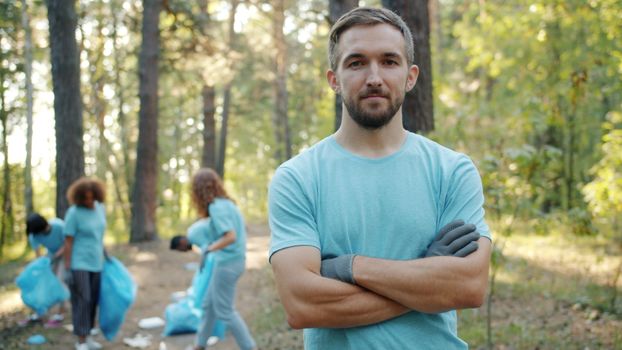
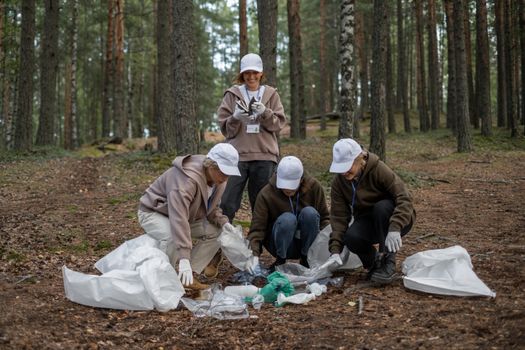
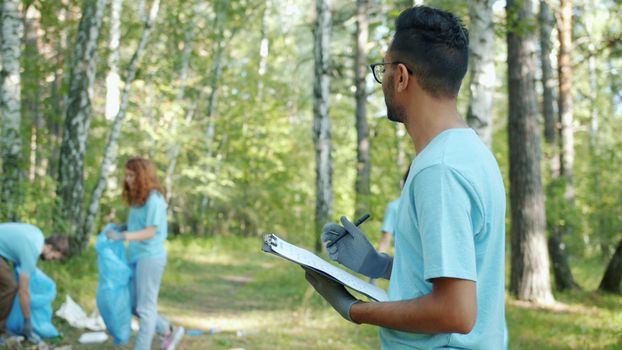
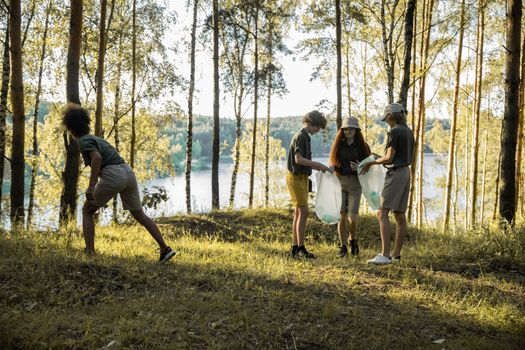
The scent of damp earth and blooming orchids hung heavy in the air, a symphony of unseen insects humming around me. I was deep in an Ecuadorian cloud forest, mud caking my boots, a machete in my hand, helping to clear invasive species to make way for native saplings. My "accommodation" was a rustic cabin powered by solar, my companions a handful of passionate locals and a few fellow travelers who, like me, had sought something more. This wasn't a curated "voluntourism" package; this was raw, challenging, and utterly transformative. It was a conservation project that, at the time, felt like a well-kept secret, a genuine opportunity to contribute before the Instagram hordes arrived.
And that, my fellow wanderlusters, is what I want to talk about today. In a world increasingly saturated with "experiences," the true gems are those you discover, those you help build, those that haven't yet been smoothed over by commercialization. We’re talking about conservation projects where your hands-on effort genuinely moves the needle, where you connect with local communities on a profound level, and where the landscapes you help protect are still wild, untamed, and breathtakingly beautiful. These are the places where you don’t just see the world; you actively shape its future. So, pack your bags (and your ethical compass), because we're diving into conservation projects you can volunteer with before they become mainstream.
Why Go Off-Grid? The Magic of Pre-Mainstream Conservation
Let's be honest: "Voluntourism" has become a buzzword, and sometimes, the line between genuine impact and a glorified vacation can blur. While many mainstream projects do incredible work, there's a unique magic to joining a conservation effort in its nascent stages, or in a location that hasn't yet found its way onto every travel blogger's feed.
Authenticity & Deeper Impact: When a project is still developing, your contribution often feels more direct and vital. You're not just a cog in a large machine; you might be one of a handful of volunteers, working closely with local scientists, rangers, or community members. This fosters a deeper understanding of the challenges and a greater sense of personal accomplishment. You're helping lay the groundwork, not just maintaining it.
Genuine Local Connection: Less mainstream means fewer tourists, which often translates to more authentic interactions with local communities. You might be staying in homestays, learning traditional practices, and truly integrating into the local way of life – not just observing it from a distance. These connections are often the most rewarding part of the journey.
Unspoiled Landscapes & Unique Wildlife Encounters: These projects are often situated in remote, biodiverse hotspots precisely because they haven't been overrun. Imagine tracking elusive animals without a dozen other groups vying for the same glimpse, or diving on a coral reef where the only other beings are the fish. It’s about experiencing nature in its purest form.
Personal Growth Beyond the Brochure: Challenging conditions, simpler living, and direct engagement with critical environmental issues push you out of your comfort zone in the best possible way. You'll learn resilience, adaptability, and gain perspectives that no five-star resort could ever offer. This isn't just a trip; it's an education for the soul.
Ready to trade the well-trodden path for something truly extraordinary? Let's explore some types of projects and regions where you can still find these incredible, under-the-radar opportunities.
1. The Guardians of the Cloud Forests: Unveiling Central America's Misty Wonders
My Ecuadorian adventure was just a taste of the magic that awaits in the cloud forests. These ethereal ecosystems, often shrouded in mist, are biodiversity hotspots, home to an astonishing array of orchids, bromeliads, and unique wildlife, many of which are endemic. They’re also incredibly vulnerable to deforestation and climate change.
The Project Vibe: Imagine waking up to the chorus of exotic birds, the air cool and damp. Your days might involve trekking through dense jungle to plant native tree saplings, conducting biodiversity surveys (identifying birds, amphibians, insects), or helping maintain trails that allow researchers access. You could be assisting with camera trap placement to monitor elusive mammals like pumas or spectacled bears, or even helping local farmers transition to sustainable agroforestry practices.
Where to Look: While Costa Rica's cloud forests are famous, look beyond Monteverde. Consider the less-visited regions of Ecuador's Chocó-Andean Corridor (like the Mindo area, but focusing on smaller, community-run reserves further afield) or the remote, high-altitude forests of Guatemala's Sierra de las Minas Biosphere Reserve. These areas often have small, dedicated NGOs working directly with local communities.
My Anecdote: I remember one afternoon, painstakingly digging a hole for a tiny orchid seedling, feeling utterly insignificant against the vastness of the forest. Then, a flash of iridescent blue – a Resplendent Quetzal, perched just metres away, its tail feathers streaming in the breeze. It was a fleeting, silent moment, but it solidified why every drop of sweat, every mosquito bite, was worth it. That bird, that forest, needed us.
Practical Details:
- Duration: Typically 2-4 weeks, but longer stays are often welcomed.
- Accommodation: Expect rustic, often shared, cabins or eco-lodges with basic amenities. Some might offer homestays.
- Costs: Program fees can range from $300-$800 USD per week, often covering food, accommodation, and project supervision. Flights and personal expenses are additional. Look for projects where fees directly support local staff and conservation efforts.
- Skills: Enthusiasm and a willingness to work hard are usually enough. Basic Spanish is a huge plus for deeper local interaction.
- Instagram-worthy: Misty forest trails, vibrant orchids, elusive birds (if you’re lucky!), the satisfaction of planting trees, panoramic views from mountain peaks.
2. Uncharted Waters: Protecting Marine Life in Remote Archipelagos
Our oceans are in crisis, but away from the popular dive sites, there are pockets of pristine marine environments and dedicated teams fighting to keep them that way. These are the places where coral reefs still thrive, and marine megafauna find sanctuary.
The Project Vibe: Picture yourself on a small boat, heading to an uninhabited island, your days filled with snorkeling or diving to monitor coral health, removing ghost fishing nets, or participating in beach cleanups on shores untouched by tourism. You might be assisting marine biologists with fish identification, tracking sea turtle nesting sites, or educating local fishing communities about sustainable practices. Some projects even involve monitoring whale and dolphin populations.
Where to Look: Think beyond the well-known hotspots. Explore the lesser-known islands of Indonesia's Banda Sea or the remote, pristine corners of Raja Ampat (focusing on projects outside the main tourist hubs). The Philippines' Palawan province still holds hidden gems, particularly in the southern and eastern parts, or look to smaller Pacific island nations like Vanuatu or Tonga for whale research.
My Anecdote: I spent two weeks on a tiny, remote island off the coast of Palawan, living in a basic hut just metres from the waves. Our daily task was to conduct coral transects, meticulously identifying species and measuring their health. One afternoon, while surfacing from a dive, I saw a majestic manta ray glide past, completely unfazed by my presence. It was a moment of pure, unadulterated awe – a testament to the power of a healthy, undisturbed ocean. The quiet satisfaction of collecting bags of plastic from a seemingly pristine beach, knowing it wouldn't harm another turtle, was equally profound.
Practical Details:
- Duration: Often 1-4 weeks, with specialized projects requiring longer commitments.
- Accommodation: Can range from basic island huts, tents, or even liveaboard research vessels.
- Costs: Marine projects can be slightly more expensive due to equipment, boat usage, and specialized staff. Expect $500-$1000+ USD per week. Some require PADI Open Water certification or higher.
- Skills: Strong swimming ability is a must; diving certification is highly recommended for many projects. A passion for marine life is essential.
- Instagram-worthy: Crystal-clear turquoise waters, vibrant coral reefs, diverse marine life (turtles, rays, colorful fish), pristine white sand beaches, stunning sunsets over the ocean.
3. The Silent Sentinels: Desert Conservation in Arid Lands
Deserts are often perceived as barren, but they are incredibly complex ecosystems, home to unique flora and fauna adapted to harsh conditions. These environments are fragile and increasingly threatened by desertification and unsustainable land use.
The Project Vibe: Imagine endless horizons, starry nights, and the profound silence of the desert. Your work might involve planting drought-resistant native species to combat desertification, monitoring elusive desert wildlife (like Arabian oryx, fennec foxes, or unique reptiles), or helping to maintain traditional water harvesting systems. You could be working alongside indigenous communities, learning their ancient wisdom for living in harmony with the desert.
Where to Look: Seek out projects in the remote areas of Namibia's Namib Desert (focused on desert-adapted wildlife), the fringes of the Sahara in Morocco or Mauritania (desertification and community resilience), or the unique ecosystems of Jordan's Wadi Rum (biodiversity surveys and cultural heritage preservation).
My Anecdote: My time in a conservation camp on the edge of the Namib Desert was a lesson in resilience, both for the land and for myself. We spent days planting hardy shrubs, building small rock walls to prevent soil erosion, and tracking the movements of a small herd of oryx. One night, sitting by a crackling fire under a sky so dense with stars it felt like a blanket, a local guide shared stories of his ancestors, and the deep respect they held for the desert. It wasn't just about planting; it was about understanding a millennia-old relationship between people and their environment.
Practical Details:
- Duration: 1-3 weeks is common, but longer stints offer deeper immersion.
- Accommodation: Often tented camps, basic guesthouses, or even sleeping under the stars (with appropriate gear).
- Costs: $400-$800 USD per week, covering food, basic accommodation, and project transport.
- Skills: Physical fitness, adaptability to extreme temperatures (hot days, cold nights), and an open mind for cultural exchange.
- Instagram-worthy: Vast, dramatic desert landscapes, incredible stargazing, unique desert flora, traditional community interactions, the satisfaction of greening a barren land.
4. Rewilding the European Wilderness: A Return to Nature's Roots
When we think of "wild," Europe might not be the first continent that comes to mind. Yet, pockets of incredible wilderness persist, particularly in Eastern and Northern Europe, where efforts are underway to reintroduce large carnivores and restore ancient forests.
The Project Vibe: Picture dense, ancient forests, snow-capped peaks, and the thrill of tracking elusive predators. Your tasks could include monitoring wolf, bear, or lynx populations using camera traps and scat analysis, restoring degraded habitats, or assisting with rewilding initiatives like planting native trees or removing invasive species. You might even be involved in community outreach, helping local farmers coexist with returning wildlife.
Where to Look: The Carpathian Mountains (spanning Romania, Slovakia, Ukraine, Poland) are a stronghold for Europe's large carnivores. Look for projects in Romania's Southern Carpathians or Slovakia's Poloniny National Park. In Northern Europe, remote parts of Sweden or Finland offer opportunities related to wolverine, bear, or lynx research and forest restoration.
My Anecdote: My most recent adventure took me to a remote part of Romania, nestled deep in the Carpathians. Our mission: to monitor bear activity. We'd spend hours hiking through ancient beech forests, checking camera traps, and analyzing tracks. One crisp morning, we found fresh bear paw prints, enormous and unmistakable. Though we never saw the bear itself, the sheer proximity, the knowledge that these magnificent creatures roamed free, was exhilarating. It felt like stepping back in time, witnessing Europe's wild heart beating strong.
Practical Details:
- Duration: 1-3 weeks, often seasonal (spring/summer for surveys, winter for tracking).
- Accommodation: Rustic cabins, guesthouses in small villages, or even camping.
- Costs: $400-$900 USD per week, covering accommodation, food, and expert guidance.
- Skills: Good physical fitness for hiking, patience, and a keen eye for detail. Experience with GPS and basic data collection can be a plus.
- Instagram-worthy: Ancient forests, dramatic mountain landscapes, wildlife tracks (a subtle but powerful visual), cozy rustic cabins, the satisfaction of contributing to a truly wild Europe.
How to Find Your Niche: Practical Tips for Ethical Volunteering
Finding these under-the-radar projects requires a bit more digging than simply typing "volunteer abroad" into Google. But the effort is well worth it.
- Go Beyond the Big Platforms: While sites like Workaway, WWOOF, and GoAbroad can be starting points, dive deeper. Look for smaller, local NGOs, university research initiatives, or community-based organizations. Search for "conservation projects [country/region] [specific ecosystem, e.g., cloud forest, marine]" rather than just "volunteer."
- Due Diligence is Key:
- Research the Organization: Who runs it? What's their track record? Are they transparent about their finances and impact? Look for projects that are locally led or have strong local partnerships.
- Read Reviews (but critically): Don't just rely on shiny testimonials. Look for detailed accounts, both positive and negative, to get a balanced view.
- Ask Direct Questions: What will your daily tasks be? What is the volunteer-to-local staff ratio? How do program fees directly support the project and local community? What are the safety protocols?
- Consider Your Skills (or Lack Thereof): Many projects welcome enthusiastic beginners, while others require specific skills (e.g., diving certification, biology background, construction skills). Be honest about what you can offer.
- Budget Realistically: Beyond program fees, factor in flights, visas, travel insurance, personal expenses, and any required gear (e.g., hiking boots, dive equipment). Some projects offer scholarships or reduced fees for longer commitments.
- Embrace Simplicity: These projects often operate in remote areas with limited infrastructure. Be prepared for basic living conditions, intermittent internet, and local food. This is part of the adventure!
- Ethical Considerations: Ensure your presence genuinely benefits the project and the local community, rather than creating dependency or taking jobs from locals. A good project will prioritize local employment and knowledge.
- Health & Safety: Research vaccinations, local health risks, and emergency protocols. Comprehensive travel insurance is non-negotiable.
The Lasting Impact: More Than Just a Trip
Volunteering with these less-mainstream conservation projects isn't just about adding a unique stamp to your passport; it's about forging a deeper connection with our planet and its people. It's about witnessing the raw beauty of nature and actively contributing to its preservation. These experiences challenge you, humble you, and ultimately, transform you.
You'll come home not just with incredible stories and breathtaking photos, but with a profound sense of purpose, a network of like-minded individuals, and a renewed commitment to responsible travel. You'll carry the mist of the cloud forest, the salty air of the ocean, and the silence of the desert within you.
So, are you ready to be more than just a tourist? Are you ready to roll up your sleeves, get a little dirty, and make a real difference before the secret gets out? The world’s hidden conservation gems are waiting for you. Start your research, reach out to those small, dedicated organizations, and prepare for the adventure of a lifetime. The planet needs you, and trust me, you need this too.
---