Contactless and digital systems have changed how travelers pay, board, check in, and enter attractions. A phone or card that can be tapped at a reader can replace a paper ticket or cash transaction, and mobile boarding passes can remove some steps from airport processing. These systems are not uniform across countries or operators, and their benefits depend on preparation and local infrastructure. Understanding the main options helps travelers use them efficiently and avoid problems when a system is unavailable.
The main types of contactless systems
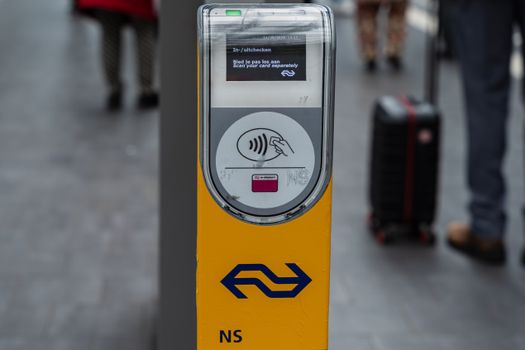
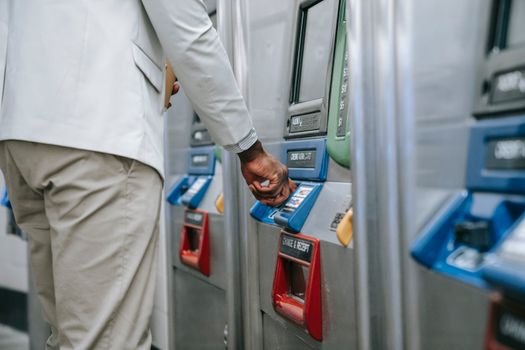
Contactless payment cards and mobile wallets allow travelers to pay for taxis, transit fares, food, and shops by tapping a reader. Many transit networks accept these payments directly, which can save the time spent buying tickets. Transit cards that can be loaded and tapped are common in many cities, and some systems allow visitors to use a bank card or phone directly without a separate card.
Digital travel documents are another category. Airlines and some rail operators issue mobile boarding passes that can be scanned at gates or security checkpoints. Attractions and museums may offer timed-entry tickets that appear on a phone and are scanned at the entrance. Some airports also use biometric systems that match a traveler's face to a passport photograph, though availability and eligibility vary by location.
What these systems require from you
Using contactless systems well requires a little preparation. Confirm that your payment card or device supports contactless transactions, and check whether your bank charges foreign transaction fees. Set up a digital wallet before you travel if you plan to use it, and make sure your phone has a charged battery and a stable data connection or downloaded tickets. Some systems require registration, identity checks, or the use of a specific app.
Check how a system handles fare calculations, especially on transit networks that charge based on distance or zones. Some readers require tapping in and out, and forgetting to tap out can lead to extra charges. Read the guidance from the operator on the first day of your visit, and keep a note of any fares or limits that apply.
Where manual options still matter
Not every location accepts contactless payments, and some may accept cards only for certain amounts or types. Rural areas, small shops, markets, and some older transport services may still prefer cash. Carrying a small amount of local currency is a sensible backup, and so is keeping a second payment card in a separate place.
Technology can also fail. Power outages, network problems, and software updates can make readers unavailable. Mobile boarding passes can be lost if a phone runs out of battery, so save screenshots or printed copies where allowed. Keep the operator's customer support contact information accessible offline, and know where staffed counters are located at airports and stations.
Privacy and security considerations
Digital systems collect data, so it helps to understand what is stored and who can access it. Review the privacy notices of apps and operators, and use device security features such as passcodes and biometric locks. Consider turning off unnecessary notifications or location sharing when you are not using a service that needs them. Avoid using public Wi-Fi for sensitive transactions where a trusted mobile connection is available.
Contactless payments generally use tokenization and other protections, but travelers should still watch for unfamiliar charges, keep devices updated, and report lost phones or cards promptly.
Making the most of digital travel tools
Efficient use of contactless systems often comes down to planning. Download airline and transit apps before departure, and check whether they work offline. Save booking confirmations and digital tickets in more than one place. Enable notifications for gate changes and schedule updates, but do not rely on them alone. Arriving at airports and stations with some extra time is still wise, since digital convenience does not remove the need for security screening or boarding procedures.
Practical tips
- Confirm that your card or phone works for contactless payment before you travel.
- Check your bank's foreign transaction fees and notify your bank if needed.
- Download tickets and boarding passes, and save screenshots as a backup.
- Carry a small amount of local cash and a second payment card.
- Learn how tap-in and tap-out works on local transit, and check the rules for fare capping if offered.
- Keep the operator's support number and a staffed counter location in mind.
Contactless and digital travel systems can reduce queues, simplify payments, and make journeys smoother when used with preparation. The most reliable approach combines these tools with a backup plan, awareness of privacy, and a clear understanding of where traditional options still apply. Travelers who treat technology as a convenience rather than a guarantee are usually best placed to handle both smooth journeys and unexpected disruptions.