The Great Travel Shift: Beyond the Over-Touristed Capitals
I stepped off the night train into Samarkand as the crisp desert air swept down from the Zarafshan mountains, carrying the unmistakable perfume of roasting cumin, green cardamom, and dry pine smoke. Just five years ago, getting between Uzbekistan's Silk Road citadels involved grueling seven-hour taxi rides across rutted asphalt. Today, I slid through a sleek, soundproofed terminal built with part of a multi-billion-dollar national infrastructure outlay, heading straight for a Spanish-built high-speed bullet train.
While legacy capitals across Europe enact tourist taxes and cap cruise ships, an ambitious group of forward-thinking nations is doing the exact opposite. They are deploying sovereign wealth funds, private-public partnerships, and international capital to build tourism infrastructure from the ground up.
We are not talking about simple hotel refurbishments. We are talking about brand-new international airports, high-speed rail networks, restored UNESCO heritage corridors, and eco-conscious mega-resorts designed by Pritzker Prize-winning architects. For the discerning traveler, this massive capital injection creates a rare "Goldilocks Window": world-class infrastructure combined with uncrowded monuments and genuine local hospitality.
Here are the six countries investing billions in tourism development emerging this year, along with the insider strategies you need to experience them first.
---
1. Saudi Arabia: The $800 Billion Vision 2030 Revolution
No nation on Earth is matching the scale of Saudi Arabia’s tourism transformation. Backed by the Public Investment Fund (PIF), the Kingdom is pouring over $800 billion into its Vision 2030 initiative, aiming to welcome 150 million annual visitors by the decade's end.
``` [AlUla Ancient Hegra] <---> [Maraya Concert Hall] | | (Nabataean Tombs) (Mirrored Architecture) \ / [Red Sea Eco-Resorts Hub] ```
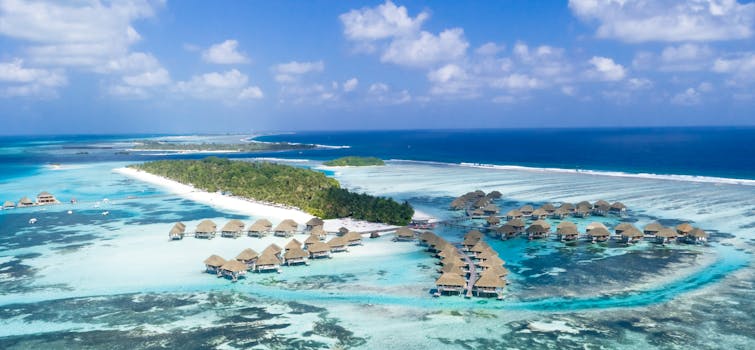
In the ancient oasis of AlUla, sandstone monoliths rise abruptly out of pale orange dunes. Here, 2,000-year-old Nabataean tombs at Hegra share the landscape with Maraya—the world’s largest mirrored building, clad in 9,740 square meters of reflective glass. Further west along the coastline, the Red Sea Project is opening ultra-luxury island resorts powered entirely by solar energy, anchored by custom marine conservation programs designed to protect virgin coral reefs.
The Insider Experience
Skip the standard tour buses and book a private dawn excursion to Hegra’s Tomb of Lihyan Son of Kuza. Stand beneath the 72-foot hand-carved facade before the sun heats the desert floor, when the morning breeze creates an ethereal whistle through the ancient rock chambers. Afterwards, drink gahwa (traditional golden coffee infused with cardamom and cloves) served alongside sticky Sukari dates at the outdoor lounge at Habitas AlUla.
- Pro-Tip: Reserve your Hegra entry permit at least 45 days in advance via the official Experience AlUla portal. To catch Maraya in its best light, position yourself on the eastern dune ridge precisely 20 minutes before sunset when the mirrored panels reflect the glowing pink desert sky.
---
2. Uzbekistan: High-Speed Silk Road Renaissance
Centuries ago, traders on camel caravans spent months navigating the rugged terrain between Tashkent, Samarkand, and Bukhara. Today, Uzbekistan is pouring billions into modern transit infrastructure, luxury hospitality, and heritage restoration to recreate itself as the central transit axis of Central Asia.
``` [Tashkent] === (Afrosiyob Bullet Train) ===> [Samarkand] ===> [Bukhara] | | (Metro Art) (Registan Square) ```
The centerpiece of this modernization drive is the expansion of the Afrosiyob high-speed rail system, which cuts travel times between major Silk Road cities down to just a couple of hours. Concurrently, the government launched the sprawling $700 million Silk Road Samarkand complex—a mega-resort featuring luxury hotels, wellness centers, and "Eternal City," an artisanal cultural village celebrating traditional Uzbek architecture, ceramic arts, and silk weaving.
Architectural Precision & Culinary Heritage
The true magic of Uzbekistan lies in its intricate tilework and centuries-old culinary traditions. Walking into Samarkand's Registan Square at sunrise reveals millions of hand-glazed lapis lazuli, turquoise, and gold-leaf tiles forming intricate geometric patterns that seem to shift color as the light hits them.
After taking in the sights, track down an authentic Osh Markazi (Plov Center). Here, master chefs cook plov—a hearty dish of long-grain rice, tender lamb, yellow carrots, raisins, and whole garlic heads—in giant cast-iron cauldrons (kazans) measuring six feet across.
- Pro-Tip: Afrosiyob high-speed train tickets sell out within minutes of being released 45 days prior to departure. Have your hotel concierge secure VIP business-class tickets the moment the window opens. For dinner in Samarkand, head to Platan and order the slow-roasted lamb shank paired with dry red wine from the local Khovrenko Winery.
---
3. Albania: Europe’s Billion-Dollar Riviera Overhaul
While western Mediterranean hotspots face overtourism and rising prices, Albania is rapidly emerging as a premier coastal destination thanks to target government initiatives and billions in foreign direct investment.
``` [Vlora International Airport] | (Scenic Llogara Pass Tunnel) | [Dhermi Luxury Bay] <--------------> [Ksamil Archipelago] (Boutique Beach Clubs) (Pristine Coastal Waters) ```
The Albanian government, alongside international investment groups, is directing huge capital outlays into national transportation and eco-luxury projects. The headline development is the new Vlora International Airport, engineered to accept direct long-haul flights starting this year. Complemented by the newly opened Llogara Tunnel, travelers can now bypass hours of winding mountain roads to reach the pristine beaches of the Albanian Riviera in under 40 minutes.
Pristine Waters and Ottoman Heritage
Drive south along the Riviera toward Dhërmi and Gjipe Beach, where vertical limestone cliffs plunge into crystal-clear turquoise waters. Instead of sprawling mega-complexes, Albania’s focus remains on high-end boutique retreats, cliffside dining, and eco-sensitive infrastructure that honors the coastline’s natural contours.
Inland, billions are being directed toward restoring the UNESCO-listed Ottoman stone towns of Gjirokastër and Berat. Here, cobble-paved streets slope past centuries-old fortified mansions (kullë), where local hosts serve wood-fired byrek pastry and aged grape rakija.
- Pro-Tip: Skip the overcrowded beaches of Ksamil during midday. Take a morning water taxi from Dhërmi beach to Gjipe Canyon. Hike 15 minutes inland along the canyon floor to find natural freshwater pools, then return to the shore for wild sea bass grilled over olive wood at Taverna Kostandin.
---
4. Oman: The Capital of Understated Eco-Luxury
While neighboring Gulf states focus on soaring skyscrapers, the Sultanate of Oman is pursuing a distinct $31 billion National Tourism Strategy focused on natural preservation, cultural heritage, and understated high-end hospitality.
``` [Muscat Coastline] ---> [Jabal Akhdar Mountains] ---> [Salalah Khareef] (Muttrah Souk) (2,000m Altitude Luxury) (Subtropical Monsoon) ```
Oman’s infrastructure push prioritizes sensitive environmental integration. Billions are being channeled into eco-resorts hidden high within the Hajar Mountains, sustainable coastal developments like the Yiti Sustainable City, and expanded regional airports to seamlessly connect visitors to the lush, subtropical south during the monsoon season.
Mountain Peaks and Frankincense Trails
At 2,000 meters above sea level, Jabal Akhdar ("The Green Mountain") offers cool mountain breezes and dramatic canyon views. Here, luxury resorts like Alila and Anantara are built directly into the terraced limestone cliffs, using local stone engineering to blend into the surrounding environment.
Down along the coast in Muscat, the capital maintains a strict low-rise architectural code. Low-slung whitewashed buildings reflect traditional Omani motifs, while the scent of burning Hojari frankincense—the world's highest grade—fills the air near the historical waterfront.
- Pro-Tip: Visit the Muttrah Souk in Muscat around 8:00 AM before cruise ship crowds arrive. Seek out merchant stalls in the rear alleyways selling raw Green Hojari frankincense resin harvested from the Dhofar region.
---
5. Rwanda: High-Impact Eco-Tourism Meets Modern Infrastructure
Rwanda has established itself as one of Africa's premier destinations for high-end, high-impact conservation tourism. The nation is currently executing a $2 billion infrastructure push anchored by the construction of the new Bugesera International Airport, designed to position Kigali as a key aviation hub for Central and East Africa.
``` [Kigali Aviation Hub] | +---------------------+---------------------+ | | [Volcanoes National Park] [Akagera Savanna] (Mountain Gorilla Lodges) (Big Five Eco-Safaris) ```
By capping mountain gorilla trekking permits at $1,500 per person and directing a significant portion of that revenue back into surrounding local communities, Rwanda has attracted elite eco-hospitality brands like Singita, One&Only, and Wilderness Safaris.
Primates, Savannas, and Urban Cleanliness
In Volcanoes National Park, mist rises over dense bamboo forests where endangered mountain gorillas roam. Staying at lodges like Singita Kwitonda places you minutes from the park boundary, offering private geothermal plunge pools and farm-to-table dining overlooking the Virunga volcanoes.
In Kigali, wide, pristine boulevards lined with solar streetlights present one of the cleanest, safest urban environments anywhere in the world.
- Pro-Tip: Allocate at least two full days to explore Kigali's growing art and coffee scene before heading off on safari. Visit Question Coffee Innovation Center for a private cupping session featuring single-origin beans grown by local women-owned cooperatives.
---
6. Morocco: The 2030 FIFA World Cup Infrastructure Surge
Morocco is executing a massive country-wide infrastructure expansion leading up to co-hosting the 2030 FIFA World Cup. The kingdom is investing over $1.3 billion to extend its ultra-modern Al Boraq high-speed rail line south to Agadir, while expanding international terminals in Marrakech, Casablanca, and Tangier.
``` [Tangier Port] === (Al Boraq Bullet Train) ===> [Marrakech] ===> [Agadir Coast] (Gibraltar Coast) (Medina Riads) (Surf Luxury) ```
This massive wave of investment extends well beyond sports stadiums. Historical medinas are undergoing structural restorations, while coastal surf towns like Taghazout are turning into world-class luxury hubs with high-end resorts, golf courses, and eco-conscious wellness retreats.
Historic Riads and High-Speed Connectivity
The beauty of Morocco’s current tourism investment is how seamlessly it pairs modern speed with rich artisan tradition. You can start your day enjoying a breakfast of fresh figs, goat cheese, and flaky msemmen flatbread inside a 16th-century Marrakech riad, and be in coastal Tangier by mid-afternoon traveling at 320 km/h on the Al Boraq bullet train.
- Pro-Tip: In Marrakech, bypass the crowded main thoroughfares of the Medina and enter through Bab Doukkala. Walk down the quieter side alleys to find La Maison Arabe, where you can take a masterclass in preparing authentic lamb tagine cooked with saffron, preserved lemons, and cracked green olives.
---
Logistics & Travel Blueprint: Comparison at a Glance
| Country | Primary Investment Area | Avg. Daily Luxury Budget ($ USD) | Best Time to Visit | Primary Transit Hub | | :--- | :--- | :--- | :--- | :--- | | Saudi Arabia | AlUla, Red Sea Project, NEOM | $600 – $1,200+ | Oct – April | Riyadh (RUH) / Jeddah (JED) | | Uzbekistan | High-Speed Rail, Samarkand Resort | $180 – $400 | April – May & Sept – Nov | Tashkent (TAS) | | Albania | Riviera Airports, Vlora Coast | $150 – $350 | May – June & Sept – Oct | Tirana (TIA) / Vlora (Opening Soon) | | Oman | Eco-Luxury Lodges, Yiti Eco-City | $400 – $900 | Nov – March | Muscat (MCT) | | Rwanda | Bugesera Airport, Gorilla Conservation | $1,200 – $2,500+ | June – Sept & Dec – Feb | Kigali (KGL) | | Morocco | Al Boraq High-Speed Rail, Coastal Resorts | $250 – $600 | March – May & Sept – Nov | Casablanca (CMN) / Marrakech (RAK) |
---
How to Capitalize on the "Goldilocks Window"
When a country invests billions into its tourism sector, there is a distinct 3-to-5-year window where infrastructure reaches world-class standards before mass tourism drives up costs and crowd sizes. To make the most of your trip during this transition period:
- Leverage New Transit Links Immediately: As high-speed rail corridors and new regional airports open, build your itineraries around them to reduce transit times and access under-visited regional destinations.
- Book Indigenous Eco-Lodges Early: The world's top eco-resort operators prioritize low-density boutique properties. Booking 6 to 9 months out ensures access to prime rooms and exclusive site permits.
- Engage Local Specialist Guides: High-growth destinations are constantly changing. Working with plugged-in local fixers gives you access to freshly restored historical sites and newly opened culinary hot spots long before they hit traditional guidebooks.
By timing your visits to match these historic capital investments, you get the absolute best of both worlds: effortless logistics and authentic local experiences before the rest of the world catches on.
---