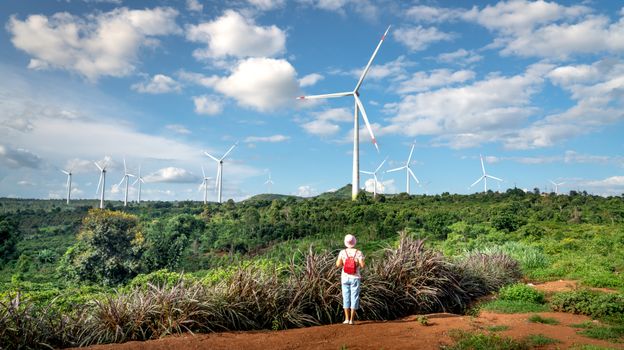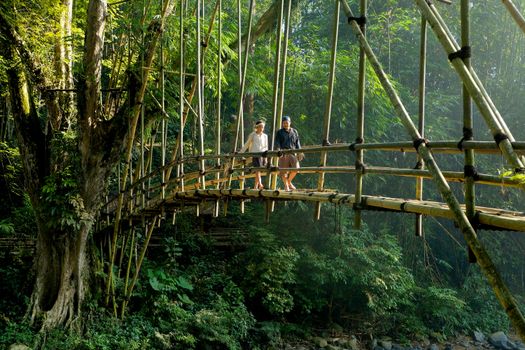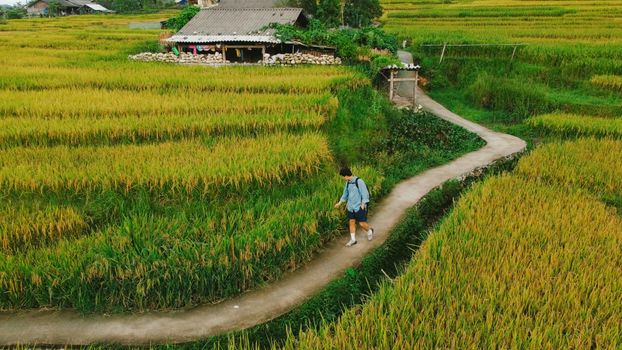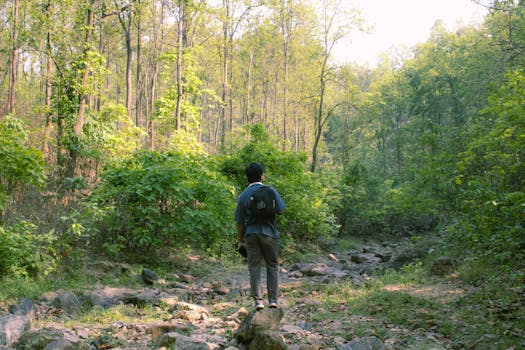
There was a time when my travel philosophy was simple: see as much as possible, tick off the bucket list, and chase the next Instagram-perfect shot. I’d return home, a camera roll full of spectacular landscapes, but often with a nagging sense of emptiness. Was I truly experiencing these places, or just consuming them? Was my presence helping or harming?
That gnawing feeling grew into a full-blown existential crisis for my wanderlust. I loved exploring, but the thought of contributing to over-tourism, environmental degradation, or cultural erosion started to weigh heavily on my conscience. I craved connection, authenticity, and a positive impact. I wanted travel to be a force for good, not just for me, but for the destinations I cherished.
This shift in perspective led me down a new path – one focused on sustainable tourism. It wasn't just about finding pretty places; it was about finding places committed to preserving their beauty, empowering their communities, and inviting travelers to be a part of that mission. And let me tell you, the countries I discovered on this journey didn't just change my travel habits; they changed my life forever. They showed me that travel can be a profound exchange, a learning experience, and a powerful tool for positive change.
Join me as I recount my most transformative sustainable travel experiences, sharing the magic of these pioneering nations and offering insights on how you can embark on your own impactful adventures.
Costa Rica: Where Pura Vida Meets Pristine Wilderness
My first deep dive into truly sustainable travel took me to Costa Rica, a country synonymous with ecotourism. Before even stepping foot on its soil, I was captivated by its commitment: over a quarter of its land is protected, and its goal to be carbon-neutral by 2050 isn't just a slogan, it's a national endeavor.
I started my journey in the Monteverde Cloud Forest, a misty wonderland teeming with biodiversity. Instead of a bustling resort, I opted for an eco-lodge nestled discreetly within the forest’s edge, powered by renewable energy and employing local staff. Waking up to the symphony of howler monkeys and exotic birds, with morning mist swirling around my balcony, felt like a dream. Our guide, a local biologist named Elena, led us through the canopy, pointing out elusive quetzals and teaching us about the delicate ecosystem. She spoke not just as a guide, but as a guardian, her passion contagious.
Later, I ventured to the remote Osa Peninsula, often called "the most biologically intense place on Earth." Here, I stayed at a small, community-run guesthouse near Corcovado National Park. My days were spent volunteering for a few hours at a local reforestation project, planting saplings that would one day provide habitat for jaguars and tapirs. The work was hard, sweaty, and incredibly rewarding. In the evenings, I’d share simple, delicious meals with the family, learning about their lives and the challenges of balancing conservation with economic development. They didn't just welcome me; they made me feel like part of their ongoing story.
My Sustainable Costa Rica Takeaways:
- Choose Certified Eco-Lodges: Look for properties with the "Certification for Sustainable Tourism" (CST) seal. This ensures they meet strict environmental, social, and economic sustainability criteria.
- Support Local Guides: Their knowledge is invaluable, and your patronage directly benefits the community. A full-day guided hike in Monteverde or Corcovado might cost around $50-70 USD, but the insights are priceless.
- Respect Wildlife: Keep your distance, never feed animals, and support ethical wildlife tours (avoid places that exploit animals for entertainment).
- Embrace Public Transport: Costa Rica’s bus system is efficient and affordable, reducing your carbon footprint compared to renting a car.
Slovenia: Europe's Green Heart, A Fairytale Unveiled
When I first heard about Slovenia, I pictured a small, charming European country. What I discovered was a nation fiercely dedicated to green living, repeatedly topping lists for its sustainable practices. Ljubljana, its capital, was even named Europe's Green Capital in 2016 – and for good reason.
My Slovenian adventure began in Ljubljana, a city that felt like a breath of fresh air. Its car-free city center, accessible by electric "Kavalir" vehicles, was a delight to explore on foot or by bike. I spent hours wandering its vibrant markets, sampling local produce, and chatting with vendors. The city’s commitment to recycling and green spaces was evident everywhere. I remember a particular evening, sitting by the Ljubljanica River, watching locals effortlessly separate their waste, a small gesture that spoke volumes about their collective consciousness.
From Ljubljana, I took a local bus to the Julian Alps, eager to explore the country's breathtaking natural beauty. Instead of the bustling Lake Bled, I chose the serene Lake Bohinj, a true hidden gem. Here, I stayed at a family-run farm stay, where my meals were prepared with ingredients grown right on their land. I spent my days hiking through pristine valleys, kayaking on the crystal-clear lake, and learning about traditional Slovenian farming practices. One afternoon, I joined the farmer's wife, Ana, as she gathered herbs for dinner. Her connection to the land was palpable, and her stories of generations living in harmony with nature were profoundly moving. The cost for a farm stay, including meals, was surprisingly affordable, often around €40-€60 per night.
My Sustainable Slovenia Takeaways:
- Utilize Public Transport: Slovenia has an excellent network of buses and trains, making it easy to explore sustainably. Consider the "Green Card" for discounts on eco-friendly activities.
- Explore Rural Areas: Venture beyond the main tourist spots to experience authentic Slovenian life and support local communities. Farm stays and guesthouses offer incredible value and genuine connection.
- Eat Local & Seasonal: Slovenian cuisine is hearty and delicious. Seek out "Gostilna" (traditional inns) for authentic, locally sourced meals.
- Responsible Hiking: Stick to marked trails, pack out everything you pack in, and leave no trace.
Bhutan: Gross National Happiness & High-Value, Low-Impact
Bhutan, the mystical Himalayan kingdom, isn't just leading in sustainable tourism; it practically invented the concept. Its unique "High-Value, Low-Impact" tourism policy means visitors pay a daily tariff (around $200-$250 USD, which includes accommodation, food, guide, and transportation), ensuring that tourism benefits the nation and its pristine environment, rather than overwhelming it. This wasn't just a trip; it was an immersion into a philosophy.
My journey to Bhutan was unlike any other. The moment I landed in Paro, surrounded by towering peaks and prayer flags fluttering in the wind, I felt a profound sense of peace. My assigned guide, Tashi, was not just knowledgeable but incredibly insightful, patiently explaining Bhutan's commitment to Gross National Happiness (GNH) – a development philosophy that prioritizes collective well-being over economic growth.
The highlight, of course, was the trek to Paro Taktsang (Tiger's Nest Monastery), clinging precariously to a cliff face. The hike was challenging, but every step was rewarded with breathtaking views and a deep sense of accomplishment. What struck me most was the reverence shown by every pilgrim and tourist alike. There was no litter, no loud chatter – just quiet awe.
I spent time in Thimphu, the capital, where traffic lights are replaced by polite policemen directing traffic with graceful hand gestures. I visited local monasteries, watched artisans craft traditional textiles, and even participated in a local archery competition (badly, I might add!). The daily tariff meant I didn't have to worry about haggling or hidden costs, allowing me to fully immerse myself in the culture, knowing my visit was contributing directly to free education, healthcare, and infrastructure.
My Sustainable Bhutan Takeaways:
- Embrace Slow Travel: Bhutan encourages you to slow down, absorb, and reflect. Don't rush your itinerary.
- Learn About GNH: Understand the philosophy behind Bhutan's unique approach to development and tourism. It will deepen your appreciation for the country.
- Respect Sacred Sites: Dress modestly, remove shoes when entering temples, and follow your guide's instructions.
- Engage with Locals: Bhutanese people are incredibly welcoming. Ask questions, share stories, and learn about their way of life.
Palau: Guardians of the Ocean, A Pristine Promise
If there's a country that embodies the urgent need for marine conservation, it's Palau. This archipelago of over 340 islands in Micronesia is a global leader in protecting its pristine underwater world, implementing the world's first shark sanctuary and a vast marine sanctuary covering 80% of its waters. But what truly sets Palau apart is the Palau Pledge.
Upon arrival, every visitor to Palau must sign a pledge in their passport, promising to "tread lightly, act kindly and explore mindfully." It's a powerful, legally binding commitment to protect Palau's natural and cultural heritage. This wasn't just a formality; it was a profound welcome into a shared responsibility.
My days in Palau were spent almost entirely in, on, or near the water. I explored the breathtaking Rock Islands Southern Lagoon, a UNESCO World Heritage site, kayaking through hidden caves and snorkeling among vibrant coral gardens. Diving in the famous Jellyfish Lake, where millions of non-stinging jellyfish pulsate around you, was an otherworldly experience. Our dive operator was eco-certified, using reef-safe equipment and educating us on responsible diving practices, including keeping a respectful distance from marine life.
I spoke with local conservationists who shared heartbreaking stories of coral bleaching and plastic pollution, but also inspiring tales of resilience and dedication. The Palau Pledge wasn't just a piece of paper; it was a deeply ingrained cultural value of Kmal Melechel – respecting nature. The cost for dive tours can be high, often $150-$250 USD per day for multiple dives, but it’s an investment in unparalleled marine experiences and supports the very infrastructure that protects these wonders.
My Sustainable Palau Takeaways:
- Sign and Uphold the Palau Pledge: Take it seriously. It's a powerful commitment.
- Choose Eco-Certified Operators: For diving, snorkeling, and boat tours, ensure they follow strict environmental guidelines.
- Use Reef-Safe Sunscreen: Chemical sunscreens harm coral reefs. Opt for mineral-based, non-nano zinc oxide or titanium dioxide formulas.
- Minimize Plastic Waste: Bring a reusable water bottle and avoid single-use plastics. Palau is incredibly diligent about waste management.
New Zealand: Aotearoa's Spirit of Kaitiakitanga (Guardianship)
New Zealand, or Aotearoa (Land of the Long White Cloud) as it's known in Māori, is a country of staggering natural beauty. But beyond the epic landscapes, what truly captivated me was its deep-seated commitment to Kaitiakitanga – a Māori concept of guardianship and protection of the land and sea for future generations. This philosophy underpins much of New Zealand's sustainable tourism efforts.
My journey began on the North Island, where I embarked on the famous Tongariro Alpine Crossing. While popular, I chose a guided tour with a local Māori operator. Our guide, Hemi, didn't just point out geological features; he shared the ancestral stories, the spiritual significance of the mountains (Maunga), and the importance of respecting this sacred land. He taught us about tapu (sacredness) and noa (common), and how our actions directly impacted the spiritual well-being of the place. It was a profound lesson in cultural sensitivity and environmental respect.
Later, on the South Island, I explored Fiordland National Park, a UNESCO World Heritage site, by taking an electric-powered cruise through Milford Sound. The silence, broken only by the cries of birds and the rush of waterfalls, was incredible. I also sought out accommodations that were Qualmark Gold certified, New Zealand's official quality assurance system that includes strong environmental and social criteria. Staying at a small, family-run B&B near Queenstown, I learned about their efforts to reduce waste and source local produce, even down to composting their food scraps for their garden.
New Zealand’s "Tiaki Promise" – a pledge for visitors to care for the country – resonated deeply with me. It’s a simple, yet powerful reminder that we are guests in this beautiful land, and we have a responsibility to protect it.
My Sustainable New Zealand Takeaways:
- Embrace the Tiaki Promise: Understand and uphold the pledge to care for New Zealand.
- Learn from Māori Culture: Seek out opportunities to learn about Māori traditions and their deep connection to the land. Support Māori-owned tourism businesses.
- Leave No Trace: New Zealand's wilderness is precious. Pack out everything you pack in, stay on marked trails, and dispose of waste properly.
- Choose Qualmark Certified Tourism Operators: This ensures businesses are committed to quality and sustainability.
Beyond the Destinations: Your Sustainable Travel Toolkit
My journey through these incredible countries taught me that sustainable travel isn't just about where you go, but how you go. It's a mindset, a conscious choice to minimize your footprint and maximize your positive impact. Here are some actionable tips you can integrate into any trip:
- Choose Eco-Certified Accommodations: Look for certifications like Green Key, LEED, EarthCheck, or local equivalents. These hotels and guesthouses are committed to reducing energy, water, and waste.
- Pack Smart & Light: A reusable water bottle, a canvas shopping bag, and solid toiletries (shampoo bars, toothpaste tablets) drastically reduce plastic waste. Minimal packing also often means less fuel consumption for transport.
- Eat Local, Shop Local: Support local farmers, artisans, and businesses. Eat at family-run restaurants, buy handmade souvenirs, and avoid mass-produced items. This keeps money in the community and reduces transportation emissions.
- Minimize Waste: Refuse single-use plastics whenever possible. Say no to straws, plastic bags, and excessive packaging. Carry a travel spork/chopstick set.
- Offset Your Carbon Footprint: While reducing emissions is key, some travel is unavoidable. Consider offsetting your flights through reputable organizations that invest in renewable energy or reforestation projects.
- Respect Wildlife & Natural Environments: Maintain a respectful distance from animals, never feed them, and do not disturb their habitats. Stick to marked trails, and never collect natural souvenirs like shells or rocks.
- Learn Local Phrases & Customs: A little effort goes a long way. Learning a few basic phrases shows respect and can open doors to more authentic interactions. Be mindful of local dress codes and cultural norms.
- Be a Mindful Traveler: Ask questions, listen to locals, and be open to learning. Understand the social and environmental issues facing your destination.
The Journey Continues: A Life Transformed
These countries didn't just offer beautiful landscapes; they offered a profound education. They showed me that travel can be a powerful force for good, a way to connect deeply with cultures, support local economies, and protect our planet's precious ecosystems. My perspective on travel, and indeed on life, has been irrevocably changed. I no longer seek just to 'see' the world, but to 'engage' with it, to contribute to its preservation, and to learn from its wisdom.
Sustainable tourism isn't a niche; it's the future of travel. It's about enriching your own life while enriching the lives of others and safeguarding our shared home. It's about leaving a destination better than you found it, or at the very least, leaving no trace.
Are you ready to redefine your adventures? To travel with purpose, connect authentically, and leave a positive legacy? The world is waiting for you, and it needs your mindful footsteps. What sustainable destination will you explore next? Share your thoughts and tips in the comments below! Let’s inspire each other to travel more consciously.
---