The Hook: A Morning in the Maremma
I stepped off the regional train in Grosseto, and the first thing that hit me wasn’t the sight of a monument, but the smell—bitter wild rosemary and damp tufa rock. There was no frantic rush of tour groups. Instead, I heard the rhythmic thwack of a rug being beaten over a stone balcony and the distant, metallic hiss of an espresso machine. I wasn't just passing through; I was moving in.
For years, we’ve been conditioned to treat travel like a grocery list—check the box, take the selfie, move on. But the script has flipped. This spring, a handful of forward-thinking nations are launching aggressive incentives to lure us away from the "overtourism" hubs and into the soul of their local communities. They don't want your weekend; they want your season. And they’re willing to pay for it.
---
1. Italy: The "Borghi" Revival and Remote Work Grants
Italy is tired of Venice being a theme park. To combat urban flight, various regions are offering "Active Residency" grants. This spring, the focus is on Sardinia and Tuscany.
In Sardinia, the government has allocated millions to offer grants of up to €15,000 for those moving to towns with fewer than 3,000 residents. Meanwhile, the "Polis" project is turning sleepy villages into high-tech hubs for remote workers.
- The Vibe: Crumbling stone walls meets 5G. You’ll spend your mornings on Zoom and your afternoons learning why you should never put parmesan on linguine allo scoglio.
- Pro-Tip: Don’t just look at the famous hill towns. Check out Santa Maria di Sala or the rugged interior of Barbagia. Use the "Borrow a Granny" approach—sit in the piazza long enough, and someone’s nonna will eventually teach you to hand-roll pici pasta.
2. Japan: The New Six-Month Nomad Frontier
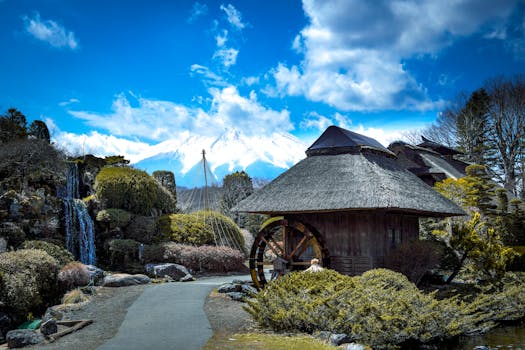
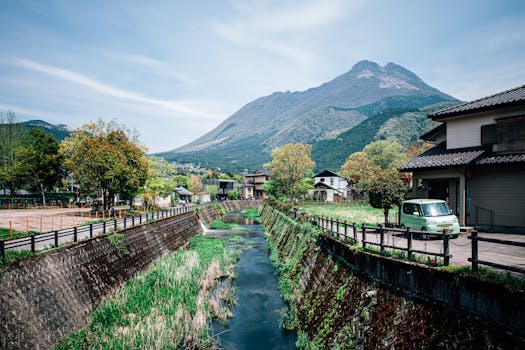
As of April 2024, Japan officially launched its Digital Nomad Visa, allowing remote workers from 49 countries to stay for up to six months. This is a seismic shift for a country that previously restricted most tourists to 90 days.
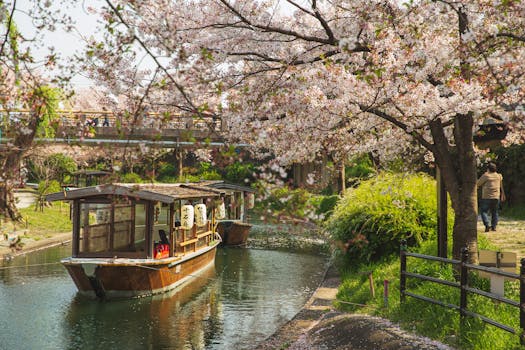
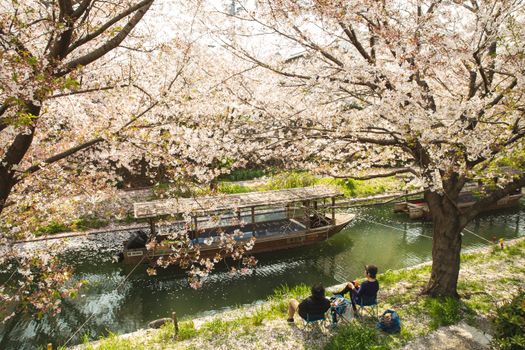
Spring in Japan is legendary for the sakura (cherry blossoms), but slow travelers are heading north to Kanazawa and the Hokuriku region. With the recent extension of the Shinkansen (bullet train) line, these areas are more accessible but still retain a quiet, Edo-period grit.
- The Incentive: Legal residency for half a year, allowing you to rent a proper machiya (traditional wooden townhouse) rather than a cramped Tokyo hotel.
- Pro-Tip: Visit the Kenroku-en Garden at 7 AM. The gates open early for "free admission" hours before the tour buses arrive, and the morning mist over the ponds is pure cinematic gold.
3. Spain: Cash for the Countryside (Extremadura)
If you’ve ever dreamed of a Spanish villa but lacked the capital, Extremadura is calling. This region, bordering Portugal, is offering up to €15,000 to young remote workers who commit to living there for at least two years.
This isn't the Spain of Magaluf or Ibiza. This is the Spain of dehesa forests, black Iberian pigs, and Roman ruins that you can explore without a single elbow in your ribs.
- The Vibe: Stark, beautiful, and unapologetically slow. The architecture is a heavy mix of Gothic and Mudéjar styles.
- Logistics: The regional government (Junta de Extremadura) has a specific portal for these grants. You’ll need a NIE (foreigner ID number) and a digital certificate.
- Authenticity: Order the Jamón Ibérico de Bellota. It’s not just ham; it’s an obsession. The fat should literally melt at room temperature.
4. Switzerland: The "Stopover" and Regional Guest Cards
Switzerland is notoriously expensive, but they are masters of the "Slow Travel Incentive." This spring, the Swiss Travel Pass is offering "extra days" promotions, but the real win is the Regional Guest Cards.
Stay just two nights in regions like Lucerne or Interlaken, and you receive a card that gives you free local transport and massive discounts on mountain railways (like the Rigi or Pilatus).
- The Meat: Use the "SBB Stopover" program. It allows you to break up a long journey into multi-day segments at no extra cost, encouraging you to explore the Emmental valley rather than just rushing from Zurich to Geneva.
- Pro-Tip: The hidden entrance to the best view in Lucerne isn’t a mountain—it’s the Musegg Wall. Climb the Zyt tower; the clock mechanism is the oldest in the city and rings one minute before all other city clocks.
5. Taiwan: The $165 "Lucky Land" Incentive
Taiwan wants you back. Through 2025, the "Taiwan Lucky Land" lucky draw gives independent travelers a chance to win NT$5,000 (approx. $165 USD) in spending money upon arrival.
But the real incentive for slow travelers is the Cycling Route No. 1. Taiwan has invested billions into a 900km bike path that circles the entire island. Spring is the sweet spot—warm enough for the tropical south, but before the humidity of summer turns the air into soup.
- The Vibe: Neon-lit night markets transitioning into lush, tea-covered mountains.
- Pro-Tip: In Taipei, don't wait in the two-hour line at Din Tai Fung. Go to Hangzhou Xiao Long Bao near the Chiang Kai-shek Memorial Hall. It’s half the price, twice the grit, and the dumplings are just as soupy.
6. Portugal: The Alentejo Remote Work Initiative
While Lisbon grapples with housing shortages, the Alentejo region—the rolling, cork-forested heart of Portugal—is rolling out the red carpet. The "Work from Alentejo" program provides support for co-working spaces and long-term stays in rural quintas.
- The Incentive: Access to a network of "Digital Nomad Villages" like Évora and Beja, where the cost of living is 40% lower than in the capital.
- Authenticity: Don't just drink the wine; ask for the Vinho de Talha. It’s wine fermented in massive clay amphorae, a Roman tradition that has survived here for 2,000 years. It tastes like history—earthy, bold, and slightly wild.
---
Quick Facts: Slow Travel Logistics
| Country | Primary Incentive | Est. Monthly Cost ($) | Best Time to Visit | How to Get There | | :--- | :--- | :--- | :--- | :--- | | Italy | €15k Residency Grants | $1,800 - $2,500 | April - June | Fly to Rome/Milan, then Trenitalia | | Japan | 6-Month Nomad Visa | $2,200 - $3,500 | Late March - May | Fly to Narita or Haneda | | Spain | €15k Remote Work Grant | $1,500 - $2,200 | May - June | Fly to Madrid, bus to Cáceres | | Taiwan | $165 Lucky Draw | $1,200 - $2,000 | March - May | Fly to Taoyuan (TPE) | | Switzerland | Free Regional Transit | $3,500 - $5,000 | May - June | Fly to Zurich, use SBB Rail |
---
Why Slow Travel is Trending This Spring
We are witnessing a "Great Re-evaluation" of time. In a world of AI-generated noise and 15-second TikTok loops, the ultimate luxury isn't a five-star hotel—it's duration.
Slow travel allows you to become a "temporary local." It’s the difference between seeing a place and understanding its rhythm. When you stay in a village in Extremadura for a month, you start to recognize the postman. You know which bakery has the crustiest pan rústico. You stop being a spectator and start being a participant.
This spring, take the incentive. Let the government pay for your coffee, or your rent, or your train ticket. Pack light, leave the itinerary at home, and let the destination reveal itself to you, one slow afternoon at a time.
---