The Green Shift: Why Global Tourism Is Now Paying You Back
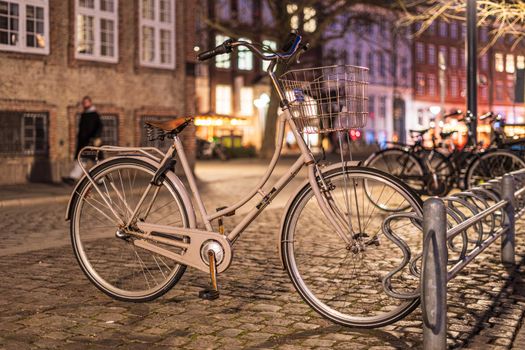
I stepped off the train at Copenhagen Central Station into crisp, salt-tinged Baltic air, greeted by the rhythmic hum of thousands of bicycle chains glinting under the morning sun. But I wasn't just here to take in the minimalist Scandinavian design or breathe clean urban air—I had a pocket full of collected trash and a phone loaded with proof of my low-carbon train journey from Hamburg.
Twenty minutes later, at a waterfront café along the Nyhavn canal, I handed over a small canvas bag of litter gathered along the harbor path. The barista smiled, scanned my digital rail pass, and handed me a warm, freshly baked cardamom bun and a freshly pulled oat-milk flat white—completely free of charge.
This isn't a gimmick; it’s the new reality of global exploration. According to the 2024 Sustainable Travel Report by Booking.com, 75% of global travelers state they want to travel more sustainably over the next 12 months, yet 45% feel that eco-friendly travel options are too expensive or difficult to locate.
To bridge this gap, pioneering national tourism boards and municipal authorities are flipping the script. Instead of levying punitive tourist taxes, recent data reveals a surge in destinations deploying incentive-based regenerative tourism. By rewarding actions like choosing rail over regional flights, picking up ocean plastic, volunteering at local farms, or dining at certified farm-to-table eateries, these destinations transform tourists from passive consumers into active stewards—and hand them tangible rewards in return.
---
1. Denmark: CopenPay & Free Organic Gastronomy
When Copenhagen launched its groundbreaking CopenPay initiative, it transformed environmental stewardship into the ultimate city currency. The program rewards actions like cycling, taking public transit, or helping clean up urban waterways with tangible micro-perks.
``` ┌────────────────────────────────────────┐ │ COPENPAY REWARD CYCLE │ └───────────────────┬────────────────────┘ │ ┌──────────────────────────┼──────────────────────────┐ ▼ ▼ ▼ [ Rent a Bicycle ] [ Take Public Rail ] [ Collect Harbor Litter ] │ │ │ └──────────────────────────┼──────────────────────────┘ │ ▼ ┌────────────────────────────────────────┐ │ FREE REWARDS (Exhibitions, Food, │ │ Kayak Rentals & Organic Wine) │ └────────────────────────────────────────┘ ```
How the Rewards Work
By showing a valid train ticket, bike rental confirmation, or participating in a park cleanup, visitors unlock free access to major cultural institutions, free boat tours, and complimentary organic meals across the city.
- The Perks: Free kayak rentals from GreenKayak (in exchange for collecting plastic while paddling), free admission to the National Gallery of Denmark (SMK), complimentary glasses of organic wine at urban rooftop farms, and free coffee at local roasteries.
- The Data: Initial pilot data showed a 38% increase in tourist bicycle usage across participating zones and over 2,000 kilograms of waste collected from Copenhagen harbor in just four weeks.
> Pro-Tip: Head to the GoBoat deck near Brygge Bridge at 8:30 AM. If you volunteer for a 1-hour trash collection sail, they supply the boat, life jackets, and grabbers for free—and you keep the boat for an extra free hour of purely leisure cruising!
---
2. Palau: Gamified Conservation via Ol’au Palau
This pristine Micronesian archipelago made history by introducing the Palau Pledge stamped into every visitor's passport. Now, recent data highlights how Palau has taken eco-incentives to the next digital frontier with Ol’au Palau, an app-based gamified reward system.
Unlocking Unseen Island Cultures
Palau’s ecosystem is fragile, yet vital to local livelihoods. Rather than restricting access, the nation gamifies responsible behavior.
- The Rewards: Travelers earn points in the Ol’au Palau app by taking eco-conscious actions—such as using reef-safe zinc sunscreens, buying from local sustainable fisheries, calculated carbon offsets, and answering indigenous cultural quizzes.
- The VIP Access: Accumulated points unlock private access to pristine cultural sites, entry to hidden pristine waterfalls off the public grid, invitations to village elder storytelling dinners, and private guided dives with local conservationists that money literally cannot buy.
> Pro-Tip: Download the Ol’au Palau app prior to arrival and pre-register your reef-safe sunscreen. The hidden trail to the private Tais Waterfall entrance is unlocked in-app once you hit 150 points—look for the unassuming carved wooden totem behind the Koror community market.
---
3. Switzerland: The 'Swisstainable' Transport Class Upgrades
Switzerland boasts one of the most efficient, low-emission public transit networks on earth, running largely on hydroelectricity. Through its national Swisstainable initiative, Switzerland Tourism rewards long-stay, low-impact travelers with structural travel upgrades.
``` ┌─────────────────────────┬────────────────────────────────────────────────────────┐ │ SWISSTAINABLE LEVEL │ QUALIFYING ACTIONS & ELIGIBLE INCENTIVES │ ├─────────────────────────┼────────────────────────────────────────────────────────┤ │ Level 1: Enjoyer │ Stay 3+ nights at certified eco-hotels; get 10% off │ │ │ regional mountain railway passes. │ ├─────────────────────────┼────────────────────────────────────────────────────────┤ │ Level 2: Engagement │ Book panoramic rail routes + eco-certified stays; │ │ │ receive free 1st-class train upgrades on select legs. │ ├─────────────────────────┼────────────────────────────────────────────────────────┤ │ Level 3: Leading │ Participate in alpine habitat restoration; unlock │ │ │ free entry to 500+ museums & regional park passes. │ └─────────────────────────┴────────────────────────────────────────────────────────┘ ```
High-Speed Perks for Low-Carbon Journeys
- The Rewards: Booking eco-certified accommodation (Swisstainable Level I–III) paired with a Swiss Travel Pass unlocks free luggage transfer services between hotels, free 1st-class upgrades on iconic scenic routes like the Glacier Express, and heavily discounted access to mountain cable cars.
- The Data: Swiss Federal Railways (SBB) reported a 14% bump in multi-day public transit pass sales following the launch of cross-promotional eco-hotel rewards, keeping thousands of rental cars off alpine pass roads.
> Pro-Tip: Skip the crowded afternoon trains out of Zermatt. Book the 7:04 AM early-bird departure with your Swisstainable-linked pass to claim empty panoramic cars and enjoy complimentary espresso service provided for early eco-commuters.
---
4. Slovenia: Free Urban Transit and Zero-Waste Dining
Slovenia was among the first countries to declare itself an entire green destination under the Green Scheme of Slovenian Tourism. Ljubljana, its fairy-tale capital, closed its central core to motorized traffic years ago, creating a pedestrian sanctuary.
How Slovenia Pays Eco-Travelers Back
Slovenia tracks and rewards low-impact travel through its regional destination cards and municipal programs.
- The Rewards: Travelers booking eco-labeled stays receive the complimentary Ljubljana Card, providing free unlimited rides on the city’s electric Kavalir vehicles, free public bike-share access for 24 hours, and free entry to over 20 top attractions.
- Zero-Waste Dining Incentives: Certified zero-waste restaurants in Ljubljana and Bled offer immediate 10–15% bill discounts to diners who arrive on foot, by bike, or present a public transit card.
> Pro-Tip: When dining at Gostilna na Gradu atop Ljubljana Castle hill, present your walking pass or funicular electric ticket to unlock an off-menu appetizer featuring locally forged wild herbs and artisanal Tolminc cheese.
---
5. Costa Rica: Sustainable Micro-Credits & Community Perks
Costa Rica has long been a pioneer in eco-tourism, but recent data highlights its expansion into direct traveler incentives. Through community-led payment networks like the Pura Vida Green Pass, eco-conscious choices directly translate into local rewards.
``` ┌────────────────────────────────────────────────┐ │ COSTA RICA ECO-INCENTIVE FLOW │ └───────────────────────┬────────────────────────┘ │ ┌───────────────────────┴───────────────────────┐ ▼ ▼ [ Certified Eco-Lodge Stay ] [ Community Rainforest Tour ] │ │ └───────────────────────┬───────────────────────┘ │ ▼ ┌────────────────────────────────────────────────┐ │ EARN MICRO-CREDITS / STATIONS DISCOUNT CARD │ └───────────────────────┬────────────────────────┘ │ ▼ ┌────────────────────────────────────────────────┐ │ REWARDS: Free Canopy Tours, Night Hikes & │ │ Artisanal Coffee Tastings │ └────────────────────────────────────────────────┘ ```
Treading Lightly in the Cloud Forest
- The Rewards: By staying at CST-certified (Category for Sustainable Tourism) lodges, guests earn micro-credits redeemable for free night-canopy guided walks, complimentary indigenous cacao-making workshops, and discounted transfers using electric shuttle fleets.
- The Community Impact: These micro-credits divert funds directly into local conservation co-ops rather than international booking aggregators.
> Pro-Tip: Book your stay at a CST-5 Star certified lodge in Monteverde. Show your booking confirmation at the Monteverde Cloud Forest Reserve ticket window to skip the primary queue and receive a free optical spotting scope rental for bird watching.
---
Quick Logistics & Budget Comparison
Here is a quick snapshot breakdown of how these top sustainable reward destinations compare for travelers:
| Country / Region | Primary Reward Scheme | Est. Daily Budget ($ USD) | Best Time to Visit | Primary Getting-Around Mode | | :--- | :--- | :--- | :--- | :--- | | Denmark (Copenhagen) | CopenPay | $120 - $220 | May – September | Bicycle / Electric Metro | | Palau | Ol’au Palau App | $180 - $350 | November – April | Shared Eco-Shuttles / Kayak | | Switzerland | Swisstainable | $160 - $300 | June – September / Dec – March | SBB Panoramic Rail Network | | Slovenia | Green Scheme | $70 - $140 | May – October | Walking / Electric Kavalir / Bus | | Costa Rica | CST Green Pass | $80 - $160 | December – April | Electric Shuttles / Public Bus |
---
The Insider Playbook: How to Maximize Eco-Rewards
To ensure you reap every benefit available on your next voyage, follow this strategic three-step framework:
1. Document Your Low-Carbon Travel
Always keep digital copies of your train tickets, bus passes, or bicycle rental receipts. Programs like CopenPay and Swisstainable require quick proof of low-emission transit to release your reward vouchers.
2. Download Destination-Specific Apps Early
Destinations are increasingly shifting from paper vouchers to gamified apps. Download apps like Ol’au Palau or regional destination cards before departing. Setting up your profile early allows you to claim rewards the moment your feet hit the ground.
3. Seek Official Eco-Certifications
Look for official state-backed sustainability markers when booking stays:
- Nordic Swan Ecolabel (Scandinavia)
- Swisstainable Level I-III (Switzerland)
- Slovenia Green Accommodation (Slovenia)
- CST Certification (Costa Rica)
By booking certified stays, you automatically qualify for property-level perks like free electric bike rentals, complimentary farm-to-table breakfasts, and zero-emission airport transfers.
---
The Future of Travel: Purpose Over Footprint
The latest travel data proves that the future of exploration isn't about doing less—it's about doing better and getting rewarded for it. By aligning your travel choices with destinations that actively incentivize sustainability, you enrich your travel experience, stretch your budget further, and leave a positive footprint on the local communities that welcome you.
Pack your reusable bottle, board the train, and start collecting the perks of being a truly modern traveler.
---