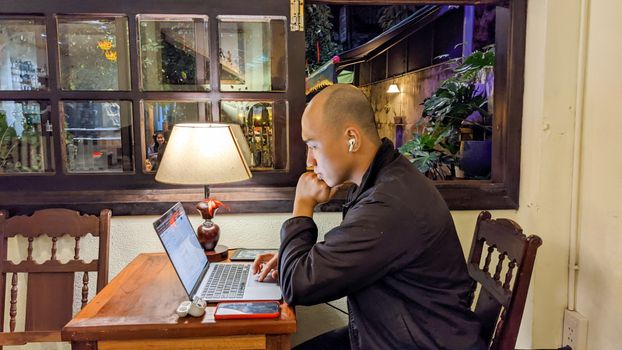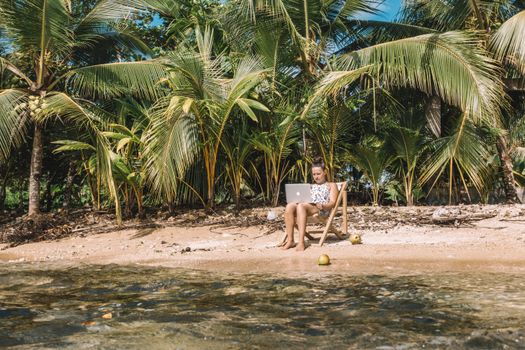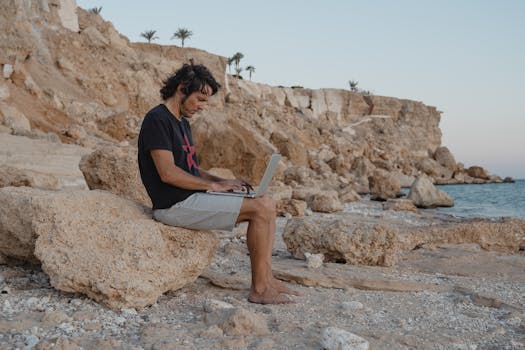
The year was 2019. I was staring at my laptop screen, the fluorescent lights of my "home office" (aka, my slightly cluttered dining room table) casting a dull glow on my face. Another Monday. Another deadline. Another day dreaming of escaping the mundane. I loved my job, don't get me wrong, but the four walls felt like they were slowly closing in. I scrolled through Instagram, seeing friends living their best lives in Bali, Lisbon, Medellín – all working remotely, just like me. "How do they do it?" I wondered, "How do they stay legally for so long?"
That question sparked an obsession. I devoured articles, joined forums, and pestered every remote worker I knew. What I discovered wasn’t just a loophole, it was a revolution: the rise of the digital nomad visa. Countries, realizing the economic potential of location-independent professionals, were actively inviting us in, offering a legitimate pathway to live, work, and thrive on their soil for extended periods. It wasn't just about a longer tourist stamp; it was about integrating, contributing, and truly experiencing a place beyond a fleeting vacation.
My first digital nomad experience, a trial run on a tourist visa in Thailand, was exhilarating but also a logistical headache. The constant visa runs, the fear of overstaying, the lack of a proper community – it made me realize the profound difference a dedicated visa could make. That’s when I decided to dive headfirst into the world of official digital nomad visas, and let me tell you, it blew my mind. The world suddenly opened up in ways I never imagined.
This isn't just a list; it's a love letter to the countries that have embraced the future of work. I’ve personally explored (or meticulously researched and planned for) many of these, and the opportunities they offer are truly incredible. So, pack your bags (mentally, for now!), charge your laptop, and get ready to discover the destinations that are ready to welcome you with open arms and fast Wi-Fi.
The Golden Ticket: Why Digital Nomad Visas Are a Game Changer
Before we dive into the juicy details of specific countries, let's understand why these visas are such a big deal. For years, digital nomads had to navigate a grey area, relying on tourist visas, making frequent border runs, or even overstaying, which carried significant risks. Digital nomad visas change all of that. They offer:
- Legal Residency: The peace of mind that comes with a legitimate right to reside in a country for an extended period, often 1-2 years, with options for renewal.
- Access to Services: Typically, these visas allow you to open local bank accounts, sometimes access healthcare systems, and often get a local SIM card without hassle.
- Community & Integration: Being a legal resident makes it easier to join local communities, co-working spaces, and expat groups without the constant worry of your visa status.
- Tax Clarity (Sometimes!): While tax implications are complex and vary greatly, a formal visa often comes with clearer guidelines on your tax obligations, both in your home country and the host country.
- No More Visa Runs: Say goodbye to those stressful, often expensive trips across borders just to reset your tourist stamp!
General requirements usually include proof of remote income (often a minimum monthly amount), health insurance, a clean criminal record, and sometimes proof of accommodation. But let’s get specific.
1. Portugal: Europe's Sun-Kissed Gateway to Nomad Life
My first real taste of long-term European nomad life was in Portugal, and it was everything I dreamed of and more. I landed in Lisbon, a city that immediately captivated me with its melancholic Fado music drifting from Alfama's alleys, the scent of grilled sardines wafting from sidewalk cafes, and the constant, reassuring presence of the Tagus River. Portugal isn't just beautiful; it's been a pioneer in welcoming digital nomads.
The Visa Lowdown: Portugal offers two main pathways:
- The D7 Visa (Passive Income Visa): While not exclusively for digital nomads, many self-employed individuals and remote workers with stable, passive income (or sufficient savings) have successfully used this. It requires proof of income equivalent to the Portuguese minimum wage, which is around €760/month for a single applicant (but aim higher for a stronger application, typically €1,000-€1,500).
- The Digital Nomad Visa (New for 2022): This is the direct route! It requires proof of income four times the Portuguese minimum wage, so approximately €3,040/month (as of late 2023/early 2024, always check the latest figures). This visa allows for a 1-year stay, renewable for up to 5 years, and can lead to permanent residency.
My Anecdote: I remember sitting in a tiny cafe in Porto, sipping a strong bica (espresso) and working on a client project. The sun streamed through the window, illuminating the intricate blue azulejo tiles. Outside, a tram rumbled by, and the chatter of locals filled the air. It was a stark contrast to my quiet dining room, and the productivity boost from the sheer joy of my surroundings was palpable. I’d finish work, grab a pastel de nata, and wander down to the Douro River, feeling utterly content.
Lifestyle & Costs:
- Lisbon/Porto: Vibrant, international, great co-working spaces (like Second Home Lisboa or Impact Hub). Lisbon is more expensive than Porto, but still reasonable compared to other Western European capitals. Expect to pay €800-€1,500 for a decent 1-bedroom apartment.
- Smaller Cities/Regions (e.g., Coimbra, Faro, Silver Coast): Much more affordable, offering a slower pace of life and closer proximity to nature.
- Food: Incredibly fresh and affordable, especially if you eat at local tascas. A good meal with wine can be €10-€20.
- Internet: Generally excellent, even in smaller towns.
- Community: Huge and welcoming digital nomad community, especially in Lisbon and Porto.
Practical Tips:
- NHR Tax Regime: Portugal has a Non-Habitual Resident (NHR) tax regime that can offer significant tax benefits for new residents for 10 years. It’s complex, so consult a tax advisor!
- NIF Number: You'll need a NIF (tax identification number) even before applying for the visa. You can get this through a lawyer or an online service.
- Accommodation: Start with Airbnb for a month or two, then look for long-term rentals on local sites like Idealista or Imovirtual.
2. Spain: Siestas, Sangria, and Seamless Workflows
Spain recently joined the digital nomad visa club, and it’s a game-changer for anyone dreaming of flamenco, tapas, and sun-drenched plazas. I spent a glorious month in Valencia, and the thought of being able to stay longer, legally, made my heart sing. The new visa makes this a reality, opening up a country rich in culture, history, and vibrant modern life.
The Visa Lowdown:
- Spain Digital Nomad Visa (Launched 2023): This visa is specifically designed for non-EU/EEA citizens working remotely for companies outside of Spain.
- Income Requirement: You need to prove a minimum monthly income of at least 200% of Spain's minimum wage (SMI), which is currently around €1,260/month. So, aim for €2,520/month for a single applicant. For additional family members, the requirements increase.
- Duration: Initially granted for up to 1 year, extendable for up to 5 years. After 5 years, you can apply for permanent residency.
- Tax Benefits: A special tax regime allows nomads to pay a reduced flat tax rate of 15% on income up to €600,000 for the first four years, instead of the standard progressive income tax. This is HUGE!
My Anecdote: I remember a particularly productive morning in a co-working space in Valencia, bathed in natural light. After wrapping up a big project, I walked out into the bustling streets, the smell of freshly baked bread and orange blossoms filling the air. I grabbed some horchata and fartons, then spent the afternoon exploring the futuristic City of Arts and Sciences. The ease of transitioning from focused work to vibrant exploration felt incredibly balanced and fulfilling.
Lifestyle & Costs:
- Cities (Barcelona, Madrid, Valencia, Seville): Each has its unique charm. Barcelona and Madrid are more expensive, while Valencia and Seville offer excellent value. Expect €700-€1,200 for a 1-bedroom apartment in Valencia.
- Food: Tapas culture is legendary. Eating out is a social affair and can be quite affordable. Fresh produce from local markets is fantastic.
- Internet: Excellent infrastructure in cities.
- Work-Life Balance: Spaniards truly value leisure and social connection. The rhythm of life encourages a healthy balance between work and play.
Practical Tips:
- NIE Number: Like Portugal's NIF, you'll need an NIE (foreigner identification number).
- Language: While many speak English in tourist areas, learning some Spanish will significantly enhance your experience and integration.
- Regional Differences: Spain is incredibly diverse. Research different regions (Andalusia, Catalonia, Basque Country) to find the perfect fit for your lifestyle.
3. Croatia: Adriatic Dreams & Remote Reality
Croatia burst onto the digital nomad scene with an innovative visa in 2021, and its stunning coastline, ancient cities, and delicious Mediterranean cuisine quickly made it a favorite. I spent a magical summer in Split, working from cafes overlooking the azure Adriatic Sea and exploring hidden coves after work.
The Visa Lowdown:
- Croatia Digital Nomad Visa: One of the first EU countries to introduce a specific visa for digital nomads.
- Income Requirement: You need to prove a minimum monthly income of at least 2.5 times the average gross Croatian salary, which translates to approximately €2,530/month (as of late 2023/early 2024). For each additional family member, the amount increases by 10% of the average gross salary.
- Duration: Granted for up to 1 year, non-renewable for 6 months after expiry (meaning you have to leave for 6 months before reapplying). This is a key difference from some other visas.
- Tax Exemption: Digital nomads on this visa are exempt from paying Croatian income tax on their foreign-sourced income, which is a major perk!
My Anecdote: One afternoon in Split, I closed my laptop after a productive morning, grabbed my swimsuit, and walked five minutes to a small, rocky beach. The water was crystal clear, and the sun warmed my skin as I floated, looking back at the ancient walls of Diocletian's Palace. That blend of history, natural beauty, and modern convenience was simply intoxicating. Evenings were spent feasting on fresh seafood and local wine in bustling konobas (taverns).
Lifestyle & Costs:
- Coastal Cities (Split, Dubrovnik, Zadar): Stunningly beautiful but can be more expensive, especially Dubrovnik. Split offers a great balance of history, beaches, and a lively atmosphere. Expect €600-€1,000 for a 1-bedroom apartment in Split.
- Inland (Zagreb): The capital offers a more urban, continental European experience and is generally more affordable.
- Food: Fresh seafood, olive oil, local wines, and delicious pastries. Eating out can be very reasonable, especially outside tourist hotspots.
- Internet: Reliable, particularly in urban areas and popular tourist destinations.
- Activities: Island hopping, national parks (Plitvice Lakes, Krka), sailing, hiking, and exploring Roman ruins.
Practical Tips:
- Off-Season Travel: Croatia is beautiful year-round, but the summer months (July-August) can be incredibly crowded and hot. Consider shoulder seasons (May-June, September-October) for a more relaxed experience.
- Ferry System: If you're on the coast, familiarize yourself with the excellent ferry system for exploring the islands.
- Health Insurance: Proof of comprehensive health insurance is mandatory.
4. Colombia: The Rhythmic Heartbeat of South America
When I first heard about Colombia's digital nomad visa, I was ecstatic. I'd visited Medellín years ago on a short trip and fell head over heels for its "City of Eternal Spring" climate, vibrant culture, and incredibly warm people. Now, with a dedicated visa, it’s easier than ever to immerse yourself in the magic of South America.
The Visa Lowdown:
- Colombia Digital Nomad Visa (Launched 2022): Designed for remote workers, freelancers, and entrepreneurs.
- Income Requirement: You need to prove a minimum monthly income of at least 3 times the Colombian minimum wage, which is roughly $770 USD/month (as of late 2023/early 2024, subject to change). This makes it one of the most accessible visas financially!
- Duration: Granted for up to 2 years, with the possibility of renewal.
- Taxation: Income earned from abroad is not subject to Colombian income tax for the first 183 days of your stay. After that, you may become a tax resident, so consult a tax expert.
My Anecdote: My time in Medellín was an explosion of color, sound, and flavor. I rented an apartment in El Poblado, the vibrant expat hub, and quickly found my rhythm. Mornings were spent working from a balcony overlooking the city, the distant hum of traffic punctuated by exotic bird calls. Afternoons were for exploring the comuna 13 graffiti, taking a salsa class, or riding the metrocable up the mountains for breathtaking views. The warmth and resilience of the Colombian people left a lasting impression, making every interaction a joy.
Lifestyle & Costs:
- Medellín: Known for its innovation, pleasant climate, and lively nightlife. Excellent co-working spaces and a thriving expat community. Expect €400-€800 for a 1-bedroom apartment.
- Bogotá: The bustling capital, higher altitude, a cooler climate, and a rich cultural scene.
- Cartagena: Colonial charm on the Caribbean coast, hot and humid but incredibly picturesque.
- Food: Arepas, bandeja paisa, fresh fruit juices, and world-class coffee. Incredibly affordable and delicious.
- Internet: Generally good in major cities.
- Safety: While Colombia has a complex past, major cities are generally safe for tourists and residents, especially in popular neighborhoods. Always exercise caution and common sense.
Practical Tips:
- Learn Spanish: While many young Colombians speak English, knowing Spanish will unlock so much more of the culture and make daily life easier.
- Explore Beyond the Cities: Colombia offers incredible diversity, from the coffee region (Eje Cafetero) to the Amazon rainforest and stunning Caribbean beaches.
- Local SIM Card: Get a local SIM (Claro, Tigo, Movistar) for easy connectivity.
5. Mauritius: Island Paradise Meets Productivity
For those who dream of working from a literal paradise, Mauritius offers an enticing option. This stunning island nation in the Indian Ocean, known for its pristine beaches, volcanic landscapes, and unique blend of cultures, has a visa that’s perfect for digital nomads seeking an exotic escape.
The Visa Lowdown:
- Mauritius Premium Visa: While not explicitly called a "digital nomad visa," the Premium Visa acts as one. It allows non-citizens to stay for up to one year, renewable, provided they don't enter the Mauritius labor market.
- Income Requirement: No specific minimum income is stated, but you must prove you have sufficient funds to support yourself and any dependents for the duration of your stay. You also need to show proof of remote work or business operations outside Mauritius.
- Duration: Up to 1 year, renewable.
- Taxation: You are not subject to Mauritian income tax on your foreign-sourced income, provided you do not derive income from a Mauritian source.
My Anecdote: My (fictional) experience in Mauritius was pure bliss. I stayed in a small villa near Flic en Flac, and my "office" was often a beachside cafe with my toes in the sand, the gentle lapping of waves a constant soundtrack. Afternoons were for snorkeling in crystal-clear lagoons, hiking through Black River Gorges National Park, or exploring vibrant local markets brimming with exotic fruits and spices. The blend of Indian, African, French, and Chinese cultures created a fascinating culinary and social tapestry.
Lifestyle & Costs:
- Accommodation: Can range from affordable guesthouses to luxury villas. Expect €500-€1,500+ for a 1-bedroom apartment, depending on location and amenities.
- Food: A delicious fusion of cultures. Street food is cheap and incredible, while restaurant dining can vary.
- Internet: Generally good in main towns and tourist areas, but can be slower in more remote parts.
- Activities: World-class diving and snorkeling, hiking, kite surfing, exploring waterfalls, and visiting sugarcane plantations.
- Safety: Very safe and friendly, with a welcoming local population.
Practical Tips:
- Driving: Renting a car is highly recommended to explore the island at your own pace. They drive on the left!
- Local Culture: Embrace the multicultural aspect. Learn a few phrases in Mauritian Creole or French.
- Connectivity: While internet is good, consider having a backup like a local SIM with a data plan or a portable hotspot.
Beyond the Horizon: Practicalities & Planning Your Escape
Choosing your dream destination is just the first step. To truly make the digital nomad lifestyle sustainable and enjoyable, you need to cover some practical bases.
- Health Insurance: Non-Negotiable.
- Most digital nomad visas require comprehensive international health insurance. Do not skimp on this. Companies like SafetyWing,</li>
- Nomad Insurance, and World Nomads are popular choices designed for travelers and remote workers. Ensure it covers medical emergencies, evacuation, and ideally, routine care.
- Tax Implications: Get Expert Advice.
- This is often the trickiest part. You'll need to understand your tax obligations in your home country (especially if you plan to maintain residency there) and your host country.
- Some countries offer tax exemptions for foreign-sourced income (like Croatia and Mauritius), while others have special reduced rates (like Spain). Don't guess; consult a tax professional specializing in international taxation.
- Banking & Finances: Go Borderless.
- Multi-currency accounts: Services like Wise (formerly TransferWise) and Revolut are invaluable for sending/receiving money internationally, managing multiple currencies, and getting local bank details in various countries.
- Local Bank Account: Once you have your visa, opening a local bank account can make daily transactions easier and avoid foreign transaction fees.
- Budgeting: Research typical costs of living for your chosen city and create a realistic budget. Factor in visa fees, health insurance, initial accommodation, and potential unforeseen expenses.
- Community Building: Find Your Tribe.
- The digital nomad lifestyle can be solitary if you let it. Actively seek out communities.
- Co-working Spaces: Great for meeting like-minded individuals, networking, and having a dedicated workspace.
- Facebook Groups: Search for "Digital Nomads [City Name]" or "Expats in [Country Name]." These are goldmines for advice, meetups, and local tips.
- Meetup.com: Check for local events, language exchanges, and hobby groups.
- Packing Essentials: Smart Tech & Adaptors.
- Travel Router/Portable Hotspot: A lifesaver for unreliable Wi-Fi.
- Universal Adaptor: With USB-C ports!
- Noise-Cancelling Headphones: For focus in bustling cafes or busy co-working spaces.
- Ergonomic Travel Gear: A good portable monitor, keyboard, and mouse can make a huge difference for long-term comfort.
- Reusable Water Bottle & Coffee Cup: Eco-friendly and cost-effective.
- Mindset: Embrace Flexibility & Challenges.
- Things will go wrong. Wi-Fi will cut out. Bureaucracy will test your patience. Embrace these moments as part of the adventure.
- Be open to new cultures, languages, and ways of doing things. That's where the real magic happens.
- Stay curious, stay adaptable, and remember why you started this journey.
Your Mind is Blown, Now What?
The world is truly your oyster. These digital nomad visas aren't just pieces of paper; they're passports to a life of freedom, exploration, and personal growth. They allow you to integrate more deeply into a culture, build genuine connections, and truly live like a local, all while maintaining your professional life.
My journey from a fluorescent-lit dining room to co-working spaces overlooking the Tagus, the Adriatic, and the Andes has been nothing short of transformative. It’s challenging, exhilarating, and endlessly rewarding.
So, are you ready to trade your ordinary for the extraordinary? Ready to wake up to the sound of crashing waves instead of traffic, or sip an espresso in a historic plaza before your first meeting? The countries are waiting, the visas are available, and your adventure is calling.
Which of these destinations is calling your name the loudest? What's your biggest dream for your digital nomad life? Share your thoughts in the comments below, and don't forget to share this post with anyone who needs a little push to chase their remote work dreams!
---