Anyone who has shared a single hotel room with young children knows how quickly a trip can feel cramped. Early bedtimes mean whispering in the dark, luggage spills across the floor, and a rainy afternoon can feel very long indeed. Choosing accommodation with space to spread out is one of the most effective ways to make a family trip calmer, and it is not about luxury. It is about layout, separation of areas and a few practical features that make daily life easier.
This guide explains the main types of family-friendly accommodation, what to look for in listings, how to ask the right questions, and how to keep costs reasonable.
Why space matters more with family
Space affects mood, sleep and logistics. With children, you need areas to play, places to put sleeping babies without disturbing others, room to store strollers and bags, and somewhere to prepare simple meals. Teens may need their own corner. Grandparents may need accessible access. When families get the right setup, everyone is calmer, and the destination itself feels more enjoyable.
Consider three kinds of space:
- Sleeping space, meaning separate rooms or at least separated areas for adults and children.
- Living space, such as a lounge, terrace, garden or common room where people can be together without being on top of each other.
- Storage and utility space, including a kitchen or kitchenette, a place for laundry, and room for luggage and gear.
Types of family accommodation
Apartments and holiday rentals
Self-catering apartments are popular with families for good reason. They typically offer separate bedrooms, a living area and a kitchen. You can prepare breakfasts, snacks and early dinners, which helps with picky eaters and budgets. Washing machines, where included, reduce how much you need to pack.
Points to check: the number of beds and how they are arranged, whether cots and high chairs are provided, noise levels, stairs, and the rules of the building. Short-term rental rules vary by city, so book through reputable platforms and follow local regulations.
Family suites and connecting rooms in hotels
Many hotels offer suites with a separate sleeping area, or connecting rooms that let you open a door between two rooms. These are good if you want hotel services, such as breakfast, a pool or a reception desk, along with some separation. Connecting rooms are usually subject to availability, so request them directly with the hotel and confirm in writing.
Villas and holiday houses
Houses and villas, often with gardens or pools, provide the most space, and they suit larger families or groups traveling together. Think about safety features such as pool fencing, stair gates and secure doors, and check how far the nearest shops and medical services are.
Cabins, cottages and farm stays
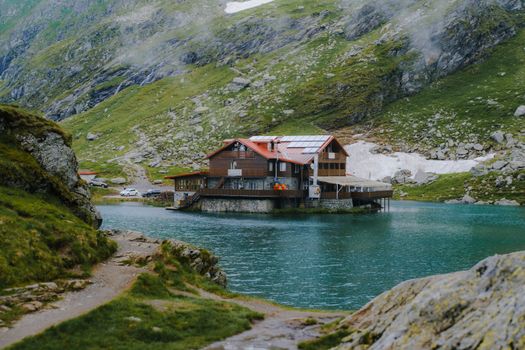
Rural cabins and farm stays give you outdoor space and a slower pace. Children often love animals, fields and fires. Check access roads, mobile coverage and distance from supplies, and ask about heating, since some cabins rely on wood stoves or have limited insulation.
Resorts with family rooms
All-inclusive and family resorts often have larger rooms, kids' clubs and shared facilities. These can be convenient but may feel crowded in peak periods. Read recent reviews for noise levels, queues and the actual size of the family rooms.
Hostels and guesthouses with family rooms
Some hostels and guesthouses provide private family rooms at modest prices. They often have shared kitchens and common spaces, which can be sociable, but check bathroom arrangements and noise.
What to check in a listing
Photos can mislead, so read details carefully.
- Square meters or square feet. A listed size gives you a sense of true space. Compare listings on the same basis.
- Bed types and sleeping arrangements. A sofa bed is not the same as a proper bedroom. Check whether sleeping areas are separated by doors or walls.
- Bathrooms. More than one is a great help with families. Check whether there is a bath or only a shower if you have young children.
- Kitchen equipment. Look for a fridge, stove, kettle, microwave and basic cookware.
- Outdoor areas. Balconies, patios and gardens give children somewhere to move. Check safety for balconies and heights.
- Layout and stairs. Many steps can be difficult with strollers or toddlers.
- Laundry. A washing machine can transform a longer trip.
- Heating and cooling. Air conditioning or heating may be vital depending on climate.
- Noise. Read reviews for comments on thin walls, nearby bars or road noise.
- Child equipment. Cots, high chairs, bath seats and stair gates are sometimes available on request.
Questions to ask before you book
Do not hesitate to message the host or hotel. Good questions include:
- Exactly how are the beds arranged, and how old can children be to share?
- Is there a cot or travel crib, and is it included in the price?
- Is there an elevator, and how many steps lead to the entrance?
- Are there any safety concerns, such as an unfenced pool or open stairs?
- What is the nearest supermarket, pharmacy and playground?
- Is parking available, and is it secure?
- Are there quiet hours or restrictions that could affect young children?
- What is the cancellation policy if plans change?
Written answers protect you if the reality differs from the listing.
Choosing the right location
The best-sized apartment is not helpful if it is a long trek from anything. Balance space with convenience.
- Prefer a quiet residential area with a playground, park or beach nearby.
- Make sure there is a grocery store within a reasonable walk.
- Check public transport, particularly if you will not have a car.
- For city stays, consider slightly outside the center for larger and cheaper accommodation, as long as transport links are good.
- For beach or mountain trips, think about how close you are to the main activity. Long drives after a full day can be tiring.
Keeping costs sensible
Larger accommodation does not always have to cost much more. These approaches can help.
- Compare price per person, not just per night. An apartment sleeping five may be better value than two hotel rooms.
- Use the kitchen. Cooking some meals saves money, especially at breakfast and lunch.
- Travel outside peak periods where school schedules allow. Shoulder seasons often offer better rates and more space.
- Book early, since larger family properties tend to sell out first.
- Look for longer stays. Some hosts offer discounts for weekly bookings.
- Check what is included, such as breakfast, parking, towels and cleaning fees. Compare total costs, not just the nightly rate.
- Share with another family. A large house split between two families can be economical and sociable.
Prices change quickly, so check current rates and conditions on official booking pages.
Tips for different ages
Babies and toddlers. Look for a separate bedroom or at least a corner where the baby can nap. A quiet balcony or garden helps, and a bath is helpful. Check for stairs and hard edges.
Young children. They benefit from a play area, outdoor space and a pool with safety features. Kitchens make early dinners easier.
Teenagers. Privacy matters. Rooms that are separated, with good Wi-Fi and a lounge, will keep everyone more relaxed.
Multigenerational trips. Ground-floor rooms, lifts and walk-in showers suit older family members, while a shared living room keeps everyone together.
Packing for a space-friendly stay
- A few familiar items from home, such as a favorite blanket or night-light.
- A small set of games, books or art supplies for downtime.
- Basic kitchen items, such as a sharp knife for packed lunches, if you will be cooking.
- A portable fan or white noise machine, depending on climate and sleep needs.
- Child safety items such as outlet covers and a door stopper, if you are particular.
Making the space work once you arrive
Good accommodation still benefits from a little organization on day one.
- Walk through together. Check smoke alarms, locks, balcony doors and any hazards, and agree which rooms are for sleeping and which are for play.
- Create zones. Keep one corner for toys, one for shoes and bags, and one for quiet time. Even a small system stops the whole place becoming cluttered.
- Set a rhythm. Plan a simple routine with a slow morning, an outing, a rest in the middle of the day and an early evening at home. Having space makes this easy.
- Stock the kitchen. A first shop for breakfast items, water, fruit and snacks saves stress the next morning.
- Use outdoor areas. Even a small terrace becomes a favorite spot for breakfast or bedtime stories.
- Respect neighbors. In apartments and shared buildings, be mindful of noise, especially in the evening and early morning.
Sharing a space between families or generations
Large houses and apartments are ideal for trips with friends or grandparents. To keep the peace:
- Agree on a budget and how costs will be shared before booking.
- Divide bedrooms thoughtfully, giving early risers and light sleepers appropriate spaces.
- Share cooking and cleaning tasks fairly.
- Plan some separate time, so that no one feels they are always on show.
- Check the maximum occupancy so you comply with the rules and insurance of the property.
Common mistakes
- Booking based on the number of beds without checking the layout.
- Ignoring stairs and lifts when traveling with strollers.
- Not checking the cancellation policy.
- Choosing a remote property without confirming access to supplies.
- Overlooking safety features such as pool fencing and balcony barriers.
- Forgetting to read recent reviews and relying only on photos.
Frequently asked questions
Is an apartment better than a hotel for families? Often, yes, because of extra rooms and a kitchen, but hotels offer services such as daily cleaning and breakfast. Choose according to how you like to travel.
How do I find connecting rooms? Contact the hotel directly to request them and confirm in writing. Availability depends on the hotel and dates.
What should I look for in a safe family rental? Check for pool fencing, stair gates, secure balconies and working smoke alarms, and ask the host about any concerns. This is general information and not a safety guarantee.
Is it worth paying more for extra space? Many families find it is, especially for longer trips. Compare the total cost, including meals you can cook yourself.
Summary
Family accommodation with room to spread out is about layout, separation and practical extras: separate sleeping areas, a living space, a kitchen, outdoor room and good storage. Apartments, suites, villas, cabins and family resorts all have a place, depending on your destination and budget. Read listings closely, ask direct questions, compare overall costs and choose a location that works for daily life. Check current prices, policies and safety details with the provider before you book.