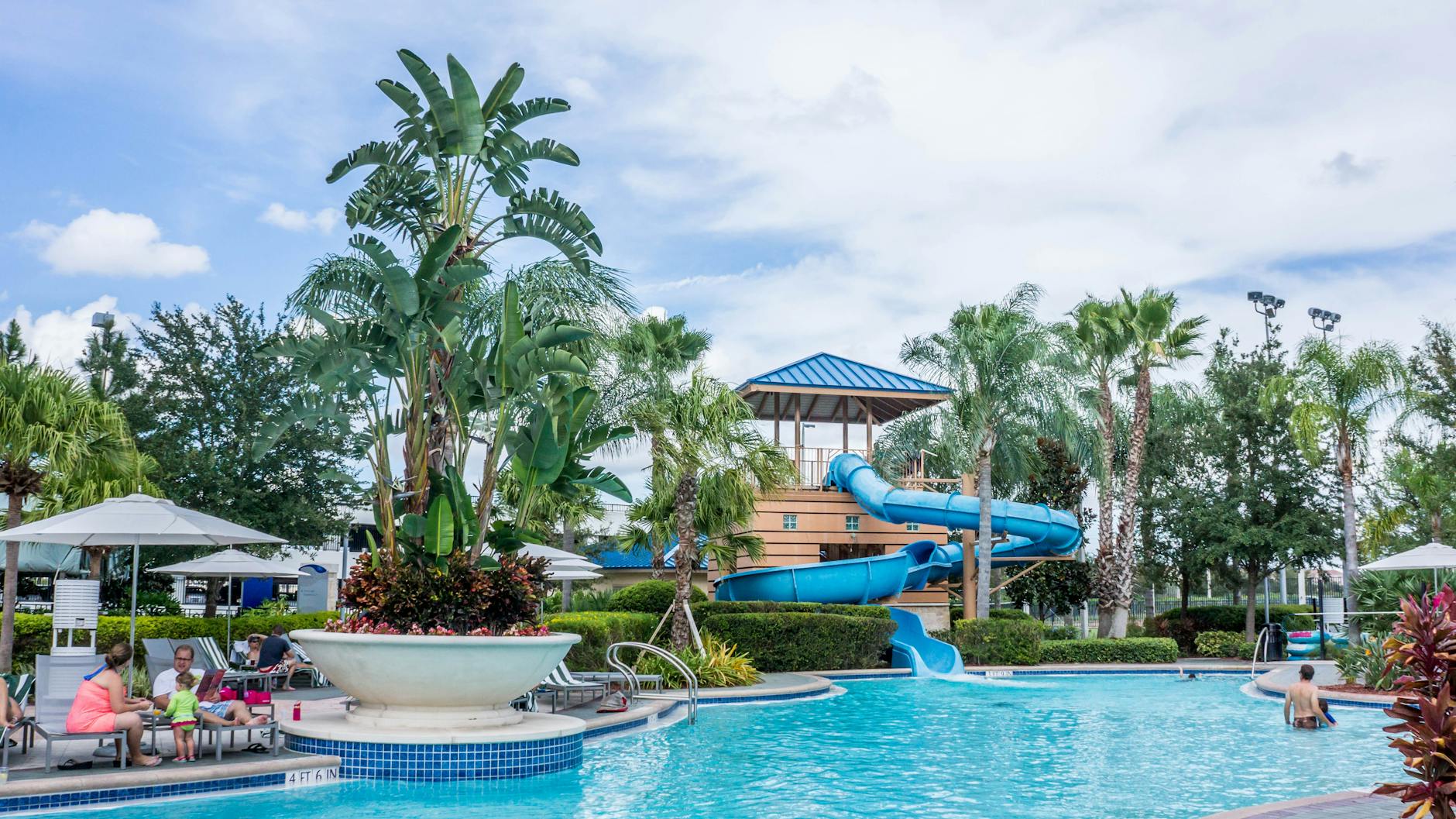
When people search for a family holiday with a great kids' program, they usually picture a large beach resort with a branded club, a waterslide and an entertainment team. Those places can be excellent. But there is another side to family travel that gets less attention: smaller, locally run properties where children's activities grow out of the place itself. Think feeding animals on a farm, learning to cook pasta in a villa kitchen, or tracking insects in a rainforest camp.
These stays are not hidden, and nobody is keeping them secret. They simply do not have large marketing budgets. This guide explains the main types, what children actually do at them, and how to judge quality before you book. Details differ widely from one property to the next, so check current offerings directly.
Why consider a smaller family stay
The advantages are real, but so are the trade-offs.
Benefits
- Children often interact with real people, animals and landscapes, rather than a scheduled entertainment program.
- Staff and hosts tend to know the guests personally.
- Activities can be flexible and responsive to your children's interests.
- The experience often supports the local economy more directly.
- Smaller properties may feel calmer and less crowded.
Trade-offs
- Fewer facilities, such as pools, indoor play areas or evening shows.
- Activities may be seasonal or weather-dependent.
- Staffing is smaller, so supervision may be less formal.
- Language, accessibility and medical access may be more limited.
- You usually need to read more carefully to know what to expect.
If you want to hand over your children for several hours a day, a large club may suit you better. If you want to do things together in a beautiful setting, a smaller stay may be perfect.
Farm stays and agriturismo
Farm stays exist in many countries, including Italy (agriturismo), France, Austria, Ireland, the United Kingdom, New Zealand and the United States.
What children might do:
- Collect eggs, feed animals or help with simple chores
- Pick fruit or vegetables in season
- Ride ponies or tractors where offered
- Make bread, cheese or jam
- Explore trails, streams and barns
What to check:
- Whether animal contact is supervised and hygiene facilities are available
- Safety around machinery, ponds and livestock
- Whether activities run in your travel season
- Whether there is a play area or pool for downtime
- Whether children's meals are available
Visits to farms carry hygiene considerations. Handwashing after animal contact matters, and some farms advise particular precautions for very young children and pregnant women. Follow the host's guidance.
Holiday parks and villages
Holiday parks, such as those run by well-known European operators, combine self-catering lodges or caravans with shared facilities. Many include play areas, pools, mini golf, bikes and organized children's activities.
Why families like them:
- Predictable facilities and activities
- Self-catering flexibility
- Often strong safety features for children, such as car-free zones
- A good option for varied ages
What to check:
- Activity schedules in the season you are traveling
- Whether the kids' activities are free or chargeable
- Accommodation type and sleeping arrangements
- Distance to supermarkets and attractions
Small family-run hotels
Small hotels in Mediterranean, Alpine and Nordic regions often welcome children warmly. Some provide a playroom, a garden, a pool and a babysitting service. Instead of a formal club, children might have an informal group activity or access to a games room.
Good signs:
- Reviews mention staff playing with children or engaging with families
- There is a safe garden or play area
- The restaurant is flexible with children's meals
- Staff speak enough of your language to communicate
Eco-lodges and nature camps
Eco-lodges in places such as Costa Rica, Belize, Borneo, Tanzania, Kenya, Norway and Canada may offer nature-based programs for children, from guided walks to wildlife spotting.
What to ask:
- What is the minimum age for guided activities and wildlife viewing?
- What safety measures are in place around water, wildlife and uneven ground?
- Are guides trained in first aid and child safety?
- What is the medical access in an emergency?
- How does the lodge manage mosquito-borne illnesses or other regional health considerations? Consult a qualified health professional for travel advice. This article offers general information only.
Many safari lodges set a minimum age for game drives, so verify this early.
Adventure and outdoor camps for older children
Families with older children can look at activity-based centers such as outdoor education centers, sailing schools, surf camps, ski schools and adventure parks. These often run structured courses with qualified instructors, which can be a better fit for pre-teens and teens than a traditional club.
Look for:
- Qualified, certified instructors
- Clear safety procedures and equipment standards
- Small group sizes
- Clear age and ability requirements
Cultural and creative programs
Some properties build children's activities around local culture. Examples may include:
- Cooking classes for families
- Pottery, weaving or painting workshops
- Language games and storytelling
- Folk music, dance or traditional crafts
- Visits to markets with a scavenger hunt
These tend to be more engaging than generic entertainment, and children often remember them for years.
How to judge quality before booking
Because smaller properties have less standardized information, it takes some detective work.
- Read recent reviews from families. Look for specific details about children's experiences, safety and staff.
- Look at photos carefully. Do they show real activities and facilities, not only stock images?
- Send a detailed email. Ask about activities, ages, safety, meals and anything specific to your children. A warm, thorough reply is a good sign.
- Check certifications. Depending on the country, look for licensing, safety certification or recognized sustainability labels, though these vary and are not universal.
- Ask about insurance and emergency procedures.
- Call if possible. A short conversation tells you a lot.
Safety checklist for smaller stays
- Is the pool fenced, and is it supervised?
- Are balconies, stairs and windows safe for young children?
- Are there safe drinking water and food hygiene practices?
- How far is the nearest clinic or hospital?
- Are there clear fire exits and procedures?
- Is the property accessible by safe roads?
- Are animals and machinery kept separate from children's areas?
Do not feel awkward asking these questions. Good hosts expect them.
Choosing by child's age
- Toddlers: Look for gardens, animals, calm spaces and flexible meal times. Avoid remote locations that need long transfers.
- Primary-age children: Farm stays, holiday parks and nature lodges are ideal.
- Pre-teens: Adventure camps, water sports and cultural activities suit this group.
- Teens: Choose places that offer independence, challenges and chances to meet others, or consider an active trip with a focus such as surfing, hiking or cycling.
Combining a small stay with a larger resort
Many families mix styles. For example, you could spend a few days at a farm stay and then finish with a few nights at a beach hotel with a pool. This gives children variety and gives parents a chance to rest at the end.
Budget notes
Smaller stays are not automatically cheaper. Some boutique lodges can be quite expensive, while farm stays and holiday parks are often reasonable. Compare the total cost, including meals, activities and transport, rather than relying on the nightly rate. Verify what is included.
Frequently asked questions
Are smaller stays safe for children?
Many are, but safety standards vary. Ask specific questions about pools, animals, transport and emergency access, and trust your instincts.
Do small properties have kids' clubs?
Some do, but many offer informal activities instead. Ask what is on offer and when.
How early should I book?
Small properties have limited rooms, so book early for school holidays and peak times.
What if my child gets bored?
Pack books, games and art supplies, and check whether the property has other families. A small stay with a few nearby attractions usually works well.
Summary
You don't need a mega-resort to find a great children's program. Farm stays, holiday parks, family-run hotels, eco-lodges and activity camps can all deliver memorable experiences, often with more personal attention and local flavor. Research recent reviews, ask detailed questions about safety and activities, and choose a style that suits your children's ages and your own travel preferences. The right small stay can leave children with stories, skills and friendships long after the holiday ends.