The rustle wasn't the wind. It was too deliberate, too close. My eyes, still heavy with sleep, flickered open to the faint light filtering through the mosquito net. A shadow moved just beyond the glass door of my jungle bungalow in Costa Rica. My heart gave a little flutter – a mix of thrill and trepidation. Was it a tapir? A puma? My mind raced through the possibilities.
Carefully, slowly, I edged out of bed and peered through the screen. And there it was: a capuchin monkey, no bigger than a house cat, perched on the railing of my private deck, meticulously peeling a banana it had clearly "acquired" from the breakfast buffet. It glanced at me, its intelligent eyes meeting mine for a split second, before it continued its feast, utterly unconcerned by my presence.
That moment, my friends, was pure magic. It wasn't a zoo, it wasn't a carefully orchestrated animal encounter. It was raw, unscripted, and utterly unforgettable. It was then I truly understood the allure of a different kind of travel – one where the lines between your accommodation and the wild blur, where local animals aren't just seen from a distance, but become your temporary, intriguing neighbors.
This isn't about luxury resorts with manicured gardens where a few birds might chirp. This is about those truly special, often fiercely protected, places where locals have built a harmonious relationship with their wild surroundings, creating intimate havens that offer unparalleled access to nature. These are the places that aren't plastered across every billboard, the ones whispered about among seasoned travelers, the hotels where you genuinely sleep with animals – not literally in your bed (unless you count a friendly gecko!), but with their sounds, their presence, and their wild rhythms surrounding you. And yes, these are often the very places locals want to keep just a little bit secret, to preserve their magic.
Are you ready to discover them?
The Call of the Wild: Why Seek Out Animal Neighbors?
In a world increasingly disconnected from nature, the desire to reconnect is stronger than ever. We crave authenticity, experiences that stir the soul, and moments that make us feel alive. Staying in a lodge where the nocturnal chorus of the jungle lulls you to sleep, or waking to the sight of a giraffe grazing outside your tent, offers just that. It's an immersion, a sensory feast that no city hotel, no matter how opulent, can replicate.
These aren't just "animal-friendly" hotels in the conventional sense. These are accommodations designed around the local wildlife, often built with minimal environmental impact, and run by communities deeply invested in conservation. They offer a unique perspective, allowing you to observe animals in their natural habitat, often undisturbed, and to learn about their behaviors firsthand. It’s responsible tourism at its best, supporting local economies and conservation efforts directly. And for the Instagram-savvy traveler, trust me, these are the moments that will make your feed explode. Imagine sharing a photo of your morning coffee with a family of monkeys, or a sundowner with elephants silhouetted against the African sky. Priceless.
Jungle Dreams: Rainforest Retreats Where Monkeys & Macaws Roam
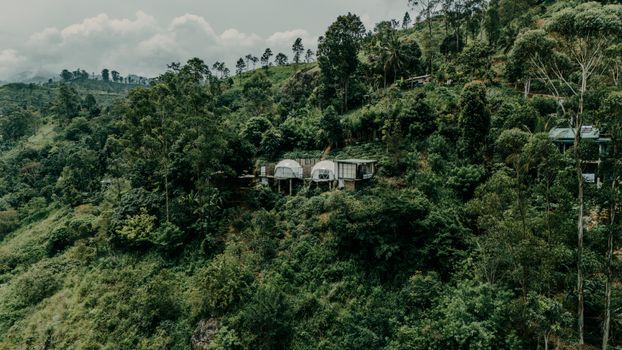
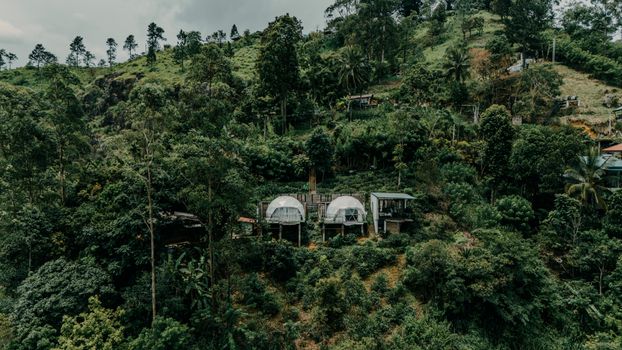
The rainforest is a symphony of life, and staying within it means becoming part of that orchestra. My first real taste of this was at Pacuare River Lodge in Costa Rica. Accessible only by white-water raft (an adventure in itself!), this eco-lodge is a masterclass in blending luxury with wilderness. Each open-air bungalow feels like a treehouse, designed to let the outside in.
I remember one evening, relaxing on my private deck, a sloth slowly, very slowly, made its way across a branch just above my head. It was so close I could see the individual strands of algae on its fur. The next morning, the raucous calls of howler monkeys were my alarm clock, followed by the vibrant flashes of toucans and macaws flitting between trees while I sipped my freshly brewed Costa Rican coffee. The air was thick with the smell of damp earth and exotic flowers, and the constant hum of insects was a comforting lullaby.
Specifics: Pacuare River Lodge, Costa Rica. Expect prices from $500-800 USD per night, all-inclusive, depending on the season and room type. This includes meals, non-alcoholic beverages, and guided excursions. It's a splurge, but for the experience, it's worth every penny. You'll find similar immersive experiences in the Amazon Basin (Peru, Ecuador, Brazil) or Borneo (Malaysia), where lodges like the Sukau Rainforest Lodge (Borneo) offer incredible opportunities to spot orangutans, proboscis monkeys, and pygmy elephants from your riverside chalet. Prices for Sukau range from $200-400 USD per night, full board.
Savannah Serenades: African Lodges with Big Five Bedfellows (Almost!)
Africa. The very word conjures images of vast plains, dramatic sunsets, and incredible wildlife. Safari lodges are designed to maximize animal viewing, but some take it a step further, placing you right in the heart of the action.
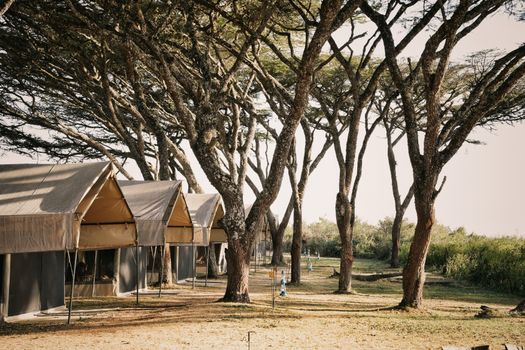
One of my most profound experiences was at Sweetwaters Tented Camp, Ol Pejeta Conservancy in Kenya. While it's a "tented" camp, these are luxurious, permanent tents with proper beds, en-suite bathrooms, and private decks. What makes it special is its location overlooking a bustling waterhole.
One moonlit night, I was awoken by a deep, resonant rumble that vibrated through the ground. I crept to my tent's mesh window and there, just meters away, was a herd of elephants, their massive forms silhouetted against the night sky, silently drinking. Later, the chilling roar of a lion echoed across the savannah, a sound so primal it sent shivers down my spine. It wasn't scary; it was exhilarating, a potent reminder of where I was. During the day, giraffes and zebras were frequent visitors, grazing calmly within sight of the dining area.
Specifics: Sweetwaters Tented Camp, Ol Pejeta Conservancy, Kenya. Prices typically range from $300-600 USD per night, full board, including game drives. For an even more unique experience, consider treehouse lodges in places like Kruger National Park in South Africa (e.g., Lion Sands Game Reserve's Chalkley Treehouse), where you literally sleep under the stars in a secure, open-air platform, listening to the nocturnal symphony of the bush. These are higher-end, often starting at $1000+ per night. The key here is proximity and immersion – feeling completely enveloped by the wild, with only canvas or open air separating you from the Big Five.
Island Escapes: Marine Wonders & Coastal Critters
Islands, with their unique ecosystems, offer a different kind of animal encounter. Think sea lions basking on beaches, marine iguanas sunning themselves on volcanic rock, or rare birds nesting just outside your window.
The Galapagos Islands are, of course, the undisputed champions of this. While many opt for liveaboards, staying at an eco-lodge on one of the inhabited islands provides a different, more grounded perspective. On Santa Cruz Island, I stayed at a small, locally-run guesthouse just a short walk from the main town. Every morning, I'd pass sea lions sleeping soundly on park benches or draped dramatically across fishing boats in the harbor. Marine iguanas would scatter from my path as I walked to the beach, and pelicans would dive for fish just meters from where I swam. It felt like walking through a real-life nature documentary, where the animals held seniority.
Specifics: While many Galapagos experiences are cruise-based (expect $4000-7000+ for a 4-8 day cruise), land-based options offer incredible value. Look for eco-lodges on Santa Cruz or Isabela Island, like Finch Bay Galapagos Hotel (Santa Cruz) or Isabela Beach House (Isabela). Prices for these can range from $200-500 USD per night. For a truly unique coastal experience, consider Kangaroo Island, Australia. While the iconic Southern Ocean Lodge is rebuilding, smaller eco-retreats like Seascape Lodge offer incredible access to kangaroos, wallabies, koalas, and a plethora of birdlife right on your doorstep. Prices vary widely, but expect $200-500+ AUD per night for a quality eco-retreat.
Mountain Highs & Desert Lows: Unexpected Encounters
Not all wild encounters happen in jungles or savannahs. Mountains and deserts, with their stark beauty, host their own resilient and fascinating creatures.
In Patagonia, Chile, I stayed at a rustic estancia (ranch) nestled deep within the dramatic landscape of Torres del Paine. While not a conventional hotel, these working ranches often have guest accommodations. Here, the wildlife was less "in your face" but equally profound. Guanacos (wild relatives of llamas) grazed in herds across the plains, their elegant forms a constant presence against the backdrop of jagged peaks. Majestic Andean condors soared overhead, casting enormous shadows, and I even spotted a shy puma from a distance during a guided trek – a truly rare and thrilling sight. The silence of the mountains, punctuated only by the wind and the calls of birds, was incredibly restorative.
Specifics: Look for estancias or eco-lodges near Torres del Paine National Park, like Estancia Cerro Guido (Chilean Patagonia). Prices can range from $150-400 USD per night, often including some meals or activities. In the Atacama Desert, Chile, hotels like Tierra Atacama Hotel & Spa (from $1000+ USD per night, all-inclusive luxury) are designed to immerse you in the desert landscape, where you might spot vicuñas (another camelid species) or flamingos in the salt flats. Even more modest options offer stargazing and guided walks where you can encounter unique desert flora and fauna.
The Art of Discretion: How Locals Keep These Gems Secret
So, why are these places not on every "Top 10 Hotels" list? It's often by design. The very essence of these experiences lies in their intimacy and their minimal impact. Mass tourism, while bringing economic benefits, can also degrade the environment and disrupt wildlife. Locals, deeply connected to their land and its creatures, often prefer a quieter, more sustainable approach.
Many of these lodges are small, family-run, or community-owned. They rely on word-of-mouth, responsible travel blogs like Tripsora (you're welcome!), and specialized tour operators who share their values. They prioritize conservation, employ local staff, and educate guests on ethical wildlife viewing. They understand that the true value of their offering isn't in volume, but in authenticity and preservation. When you find one of these gems, you become part of a select group of travelers who appreciate the delicate balance between human experience and natural wonder. It’s about respect, not exploitation.
Your Wild Checklist: Tips for a Responsible & Rewarding Stay
Ready to trade city lights for starlight and human chatter for animal calls? Here’s how to make your wild adventure unforgettable and responsible:
- Do Your Research (Beyond the Obvious): Look for eco-lodges, conservancies, and community-based tourism initiatives. Read reviews that specifically mention wildlife encounters and sustainability practices. Websites like Responsible Travel or National Geographic Expeditions often feature such properties.
- Book Directly or Through Specialists: Many of these smaller lodges prefer direct bookings or work with ethical tour operators who understand their ethos. This also often ensures more of your money goes directly to the local community and conservation efforts.
- Pack Smart: Earth-toned clothing (to blend in), good binoculars, a high-quality camera with a zoom lens, insect repellent (eco-friendly, please!), sun protection, and a headlamp are essentials. Remember, you're going into nature – prepare for it.
- Embrace the Unpredictable: Wildlife isn't on a schedule. You might not see the "Big Five" every day, or that rare bird. Patience is key. Enjoy the journey, the sounds, the smells, and the anticipation.
- Respect the Wildlife: This is paramount. Maintain a safe distance, never feed animals, avoid sudden movements or loud noises, and follow your guide's instructions implicitly. Remember, you are a guest in their home.
- Leave No Trace: Pack out everything you pack in. Support lodges that minimize plastic use and have robust waste management systems.
- Engage with Locals: Your guides and lodge staff are a wealth of knowledge. Ask questions, learn about their culture, and understand their relationship with the local environment.
- Power Up (and Down): Many remote lodges rely on solar power, so be mindful of your electricity consumption. Also, take the opportunity to disconnect from screens and reconnect with nature.
My capuchin friend in Costa Rica taught me a valuable lesson: the most incredible travel experiences often lie just beyond the well-trodden path, in places where nature is not just observed, but lived alongside. These secret hotels, cherished by locals for their unique harmony with the wild, offer more than just a bed for the night; they offer a profound connection, a renewed sense of wonder, and stories you’ll tell for a lifetime.
So, what are you waiting for? Start planning your own wild escape. Uncover these hidden gems, embrace your animal neighbors, and come back to tell us all about your incredible journey. Share your stories with #TripsoraWildStays and inspire the next wave of responsible adventurers!
---