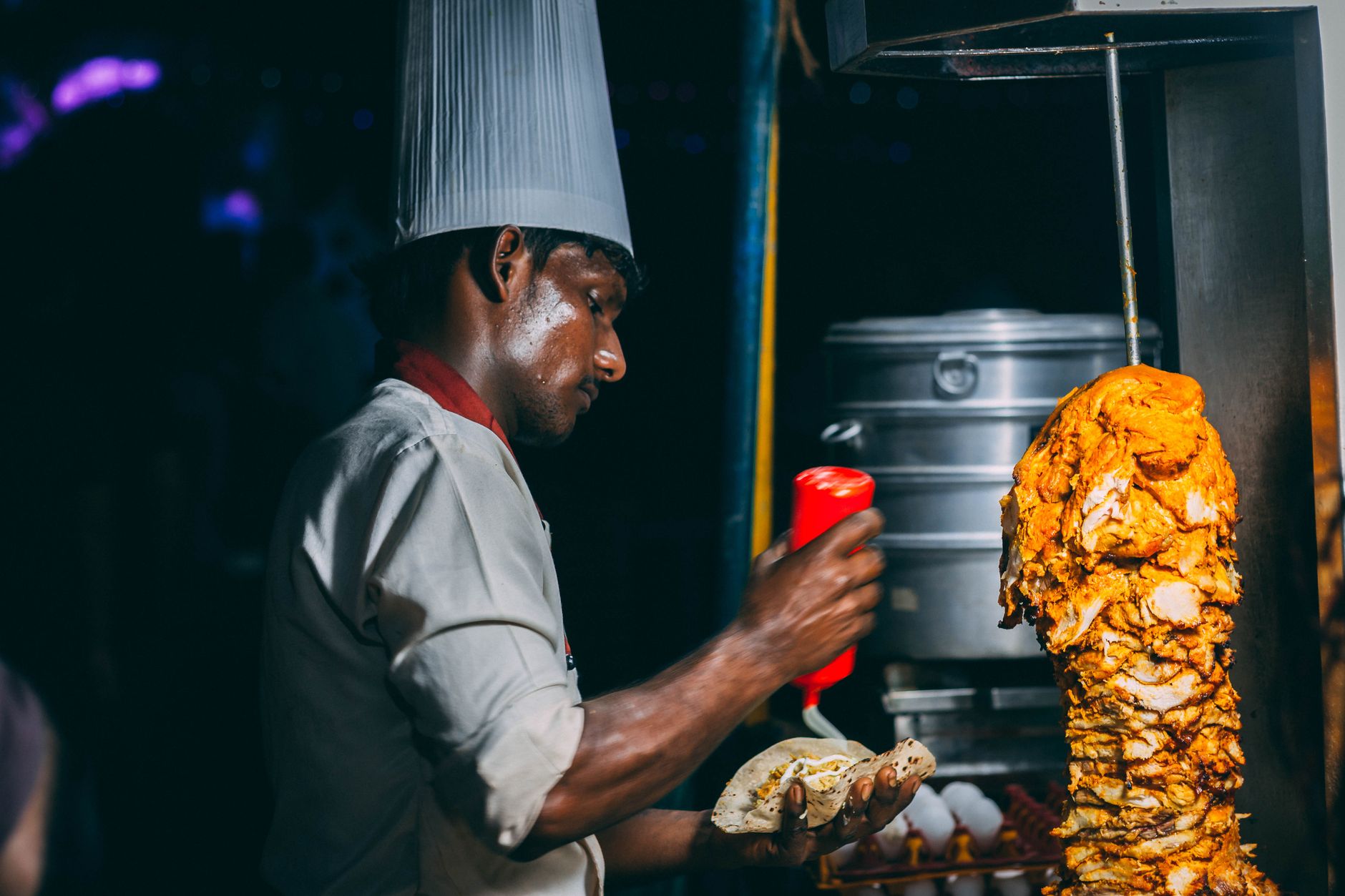
The aroma hit me before I even saw the shop – a rich, savory cloud of roasting duck, garlic, and something deeply umami. It was a sweltering afternoon in Kuala Lumpur, and I was deep in a bustling hawker center, armed with nothing but a vague tip from a local Reddit thread and a hunger for authenticity. The stall itself was unassuming: a weathered sign, a few plastic tables, and a fierce-looking chef meticulously chopping glistening duck. I ordered the "signature roasted duck rice" – a generous plate piled high with crispy-skinned, succulent duck, fragrant rice, and a tangy chili sauce. The total? A mind-blowing $4.
Fast forward two years, and that very stall, "Uncle Lim's Duck," was featured in the Michelin Guide's Bib Gourmand selection for Kuala Lumpur. My heart pounded with the thrill of discovery. I'd tasted Michelin-quality food, not just on a budget, but before it was even on Michelin’s radar, before the lines snaked around the block, and certainly before the prices crept up.
This isn't just a fluke. This is a strategy. A passion. A quest. And today, I’m going to share my deepest secrets for how you can eat like a future Michelin inspector for under $30, discovering culinary legends before they become mainstream sensations. Forget the stuffy white tablecloths and eye-watering bills; we’re chasing pure, unadulterated flavor, innovation, and passion – the true spirit of Michelin – without breaking the bank. Ready to become a culinary trailblazer? Let's dive in.
The Michelin Mindset Shift: What Are We Really Chasing?
Before we embark on our budget gourmet quest, let's redefine what "Michelin" really means. It's not just about stars, which often come with a hefty price tag. The Michelin Guide actually has several distinctions that are perfect for our mission:
- Michelin Stars (1, 2, 3): These are the big league, awarded for exceptional cooking. While a 3-star meal for under $30 is a unicorn, a 1-star lunch deal might occasionally sneak into our budget.
- Bib Gourmand: This is our sweet spot! Awarded to restaurants offering "good quality, good value cooking." These are often the places where you can get a fantastic, memorable meal for a very reasonable price – typically under €35/$40 in Europe, often much less in Asia or Latin America. Many Bib Gourmand recipients are on the path to a star.
- Michelin Plate: Recognizes restaurants for "good cooking" – essentially, places that serve quality food but haven't yet reached Bib Gourmand or Star status. This is where we find many of our "pre-mainstream" gems.
Our goal isn't necessarily to eat at current Michelin-starred restaurants for $30. It's to identify the next Bib Gourmand or Michelin Plate, or even a future 1-star, at a price point that makes your wallet sing. We're looking for places that embody the spirit of Michelin: quality ingredients, mastery of flavor, consistent technique, and a unique personality – all delivered with incredible value. Think authenticity, passion, and often, a humble setting.
I once stumbled upon a tiny, family-run picanha grill in Rio de Janeiro. The beef was cooked to perfection over open flames, served with simple but exquisite sides. The flavors were so profound, the technique so precise, it felt like culinary art. Years later, it earned a Michelin Plate. My meal? About $15. This is the thrill we're after.
The Digital Detective: Your Pre-Michelin Research Toolkit
Finding these hidden gems requires a bit of detective work, but thankfully, the internet is our magnifying glass. Forget just typing "Michelin restaurants" into Google; we're going deeper.
- Google Maps & Local Search Engines (with a twist): Start with broad searches like "best [cuisine] [city]" or "top restaurants [neighborhood]." But here's the trick: filter by rating (4.5 stars and above) and then sort by "most reviewed" or "highest rated" with a critical eye. Look for places with hundreds, even thousands, of reviews, but where the photos don't scream "tourist trap." Read the reviews carefully for keywords like "hidden gem," "local favorite," "unassuming," "best kept secret." Pay attention to what locals are saying, not just tourists.
- Personal Anecdote: In Lisbon, I typed "best seafood tasca Baixa-Chiado." I ignored the top tourist results and scrolled down to a tiny place with an outdated website but glowing reviews from Portuguese speakers. It was a hole-in-the-wall serving grilled sardines so fresh they practically jumped off the plate. It later got a Bib Gourmand.
- Social Media Deep Dive (Instagram, TikTok):
- Local Food Hashtags & Geotags: Search #[city]food, #[city]eats, #[city]restaurant, #[specificcuisine][city]. For example, #mexicocitytacos, #seoulkoreanbbq. Follow local food bloggers or smaller, authentic accounts – look for people who are clearly locals, not just big-name influencers. Their recommendations are gold.
- "For You" Page & Discover: Let the algorithms work for you! Engage with content from smaller, authentic food creators in your target destination.
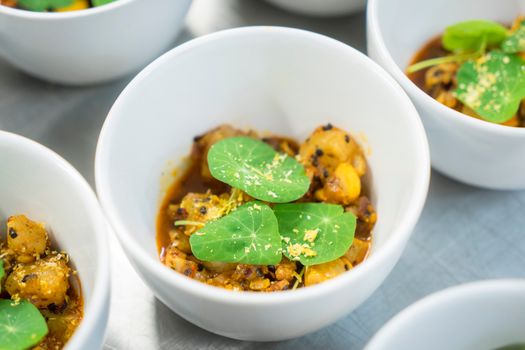
- Visual Cues: Look for beautifully plated dishes that show attention to detail, fresh ingredients, and unique concepts. Does the food look like art, even if the setting is simple?
- Local Forums & Reddit: This is an absolute treasure trove. Search "[city] food Reddit," "[city] best cheap eats forum." Subreddits like r/askportugual, r/mexicocity, or r/travel often have incredible, unbiased recommendations from residents. These are people who know their city inside out and are passionate about sharing their local favorites.
- Alternative Food Guides: Don't just rely on Michelin. Explore local "best of" lists, Gault&Millau (especially in Europe), Eater.com's city guides (they often highlight emerging talent), or even local newspaper food sections. Cross-reference these lists to find places consistently praised across multiple platforms.
- The "Buzz" Factor: Look for places with tell-tale signs: a consistently long queue (especially if it's mostly locals), a limited menu (often a sign of specialization and mastery), a chef who is clearly passionate and visible, or a buzz of excited chatter from diners. These are often indicators of a place doing something truly special.
Geographic Hotspots: Where Hidden Gems Bloom
While Paris, New York, and Tokyo are culinary capitals, they're also notoriously expensive. For our under-$30 mission, we need to look to cities and neighborhoods where the cost of living (and thus, dining) is lower, allowing talented chefs to shine without exorbitant overheads.
- Emerging Food Cities:
- Lisbon & Porto, Portugal: Incredible seafood, traditional tascas, and modern Portuguese cuisine at fantastic prices. Many Bib Gourmands here.
- Mexico City, Mexico: A vibrant, diverse food scene, from world-class fine dining to incredible street food. Tacos, mole, cochinita pibil – endless possibilities.
- Taipei, Taiwan: Famous for its night markets, but also boasts incredibly innovative and affordable restaurants.
- Penang, Malaysia & Singapore: Hawker centers are legendary here. Many hawker stalls have earned Michelin recognition for their exceptional, budget-friendly food.
- Seoul, South Korea: Beyond the BBQ, discover incredible regional specialties and modern Korean cuisine.
- Buenos Aires, Argentina: Fantastic parrillas (steakhouses) and Italian influences, often at a fraction of European prices.
- Neighborhoods, Not Just Cities: Within larger, more expensive cities, focus on up-and-coming or traditionally working-class neighborhoods. Rent is cheaper, allowing chefs more creative freedom and lower menu prices.
- Example: In London, look beyond Mayfair to areas like Peckham, Hackney, or Borough Market's surrounding streets. In Paris, explore the 10th or 11th arrondissements. In Rome, Trastevere or Testaccio.
- Street Food & Markets: This is arguably the ultimate frontier for budget gourmet. Many Michelin-starred chefs started in markets, and in places like Singapore or Taiwan, street food stalls are Michelin-recognized.
- Singapore's Hawker Centers: Liao Fan Hong Kong Soya Sauce Chicken Rice & Noodle (the world's cheapest Michelin-starred meal) is the ultimate example, but there are countless others.
- Mexico City's Taquerias: Seek out the ones with the longest lines of locals. Taste the difference handmade tortillas and perfectly seasoned fillings make.
- Taiwan's Night Markets: A sensory explosion where you can sample dozens of unique, high-quality dishes for pennies.
- Personal Anecdote: I once spent an entire evening at a yakitori alley in Fukuoka, Japan. Each skewer, grilled to perfection over charcoal, cost about $2. The chef’s precision and the depth of flavor were astounding. It wasn't Michelin-rated then, but it absolutely had that level of dedication.
Timing is Everything: Lunch, Tasting Menus & Off-Peak Perks
Even at places that might eventually earn a star, you can significantly reduce the cost by being strategic about when and how you dine.
- The Lunch Advantage: This is your golden ticket. Many high-end or aspiring restaurants offer set lunch menus that are a fraction of the dinner price. You get the same kitchen, often the same quality ingredients, and a similar level of service, but for a much friendlier cost.
- Tip: Look for "menu del día" (Spain/Latin America), "plat du jour" (France), or "lunch set" (Asia).
- Personal Anecdote: In Lyon, France, I once had a three-course lunch at a restaurant that later received a Michelin star. It included an amuse-bouche, an exquisite main, and a dessert for €25 (about $27 at the time). The dinner menu was easily triple that.
- Strategic Tasting Menus: While full tasting menus can be pricey, some restaurants offer shorter, more affordable versions, or even a "chef's choice" platter that allows you to sample several signature dishes without committing to a full, multi-course experience.
- Off-Peak Hours/Days: Weekday lunches, early dinners (before 7 PM), or late dinners (after 9 PM) can sometimes come with special offers or simply mean fewer crowds, allowing for a more relaxed experience. Some restaurants also have special deals on specific weekdays.
- The "À La Carte" Advantage (with focus): If a set menu isn't available, don't feel pressured to order multiple courses. Focus on one or two signature dishes that truly highlight the chef's skill. If dining with a companion, order different dishes and share! This allows you to experience more variety while keeping costs down.
- BYOB (if allowed): In some regions, especially at smaller, independent restaurants, BYOB (Bring Your Own Bottle) is permitted for a small corkage fee. This can save you a significant amount on drinks, especially if you enjoy wine pairings. Always check in advance.
The Art of the Order: Maximizing Your Under-$30 Experience
Now that you've found your potential future star and picked the perfect time, how do you make the most of your $30 budget?
- Identify Signature Dishes First: Do your research! What are they famous for? What dish is consistently praised in reviews? These are often the chef's passion projects and where their skill truly shines. Don't waste your precious budget on generic items.
- Ask the Experts (Staff & Locals): Don't be shy! Politely ask your server, "What is the chef most proud of?" or "What's a must-try dish for a first-timer?" If you see locals dining, observe what they're ordering, or even politely ask for a recommendation.
- Skip the Extras (Smartly):
- Drinks: Water is your friend. Tap water (if safe) is free. If you want a drink, consider a single, well-chosen local beer or a house wine, rather than multiple cocktails or expensive bottled water.
- Appetizers/Desserts (Sometimes): If your budget is tight, prioritize the main course. Many future Michelin places have such incredible mains that they are a meal in themselves.
- Coffee: Unless it's a specialty coffee house, save your post-meal coffee for a local cafe down the street.
- Embrace Smaller Portions/Sharing: Many places, especially those with more innovative cuisine, offer small plates or tapas-style dishes. This is perfect for trying a wider range of the menu without overspending. Share 3-4 plates between two people, and you can easily stay within budget.
- Personal Anecdote: In Barcelona, I found a modern Catalan bistro that offered exquisite small plates, each around €7-€12. My friend and I shared three plates – a deconstructed patatas bravas, a perfectly seared scallop dish, and a rich oxtail croquette – and a glass of wine each, all for under €30 per person. It was later awarded a Michelin Plate.
- Value the Experience: Remember, it's not just about filling your stomach. It's about the artistry, the quality of ingredients, the passion of the chef, and the thrill of discovery. Savor every bite, appreciate the ambiance, and absorb the local culture. This experience is what makes it truly priceless, even at $30.
Beyond the Plate: Capturing the Moment (Instagram & Sharing)
You’ve found your hidden gem, enjoyed an incredible meal for under $30, and now it's time to share your discovery! This is where you become a culinary influencer in your own right, inspiring others and creating lasting memories.
- Visual Storytelling: Take great food photos! Focus on the plating, the vibrant colors, the texture. Capture the ambiance – the bustling street, the unique decor, the chef at work. Be respectful: avoid flash, and don't spend too long on photos if it's a busy place.
- Craft Your Narrative: Don't just post a picture of your food. Tell the story of your discovery. How did you find this place? What made it special? What were the standout flavors? Emphasize the value and the "pre-mainstream" aspect.
- Hashtags for Impact: Use a mix of broad and specific hashtags to reach a wider audience:
- #HiddenFoodGem #FutureMichelin #BudgetGourmet #Tripsora #FoodDiscovery #TravelToEat #[City]Eats #[Cuisine]Love #AffordableFineDining #EatLikeALocal
- Engage and Inspire: Tag the restaurant (if they have social media), ask questions in your caption ("What's your favorite hidden gem?"), and encourage others to share their finds. The more engagement you get, the more likely your post is to go viral.
- The Bragging Rights: There’s a special kind of satisfaction in saying, "I ate there before it got famous." Your friends will be impressed, and you'll have a fantastic story to tell.
Your Culinary Adventure Awaits!
Eating at Michelin-level restaurants doesn't have to be a once-in-a-lifetime splurge. With a bit of savvy research, a willingness to explore, and an open mind, you can consistently uncover incredible culinary experiences for under $30. You're not just dining; you're embarking on a thrilling treasure hunt, discovering the next generation of culinary legends before the rest of the world catches on.
So, pack your bags, fire up your digital detective skills, and get ready to taste the future of gastronomy. Go forth, explore, and let me know what hidden gems you uncover in the comments below! Share your finds, tag Tripsora, and inspire fellow budget gourmands. The world is your oyster – or rather, your perfectly grilled yakitori skewer!
---