Beyond the Filter: Why Authentic Travel Trumps Picture-Perfect Poses
I still remember my first time in Venice. My Instagram feed was bursting with photos of gondolas gliding under the Rialto Bridge, chic cafes overlooking canals, and perfectly plated pasta dishes. Naturally, I followed suit. I booked the "recommended" gondola ride (a staggering €80 for 30 minutes!), queued for an hour for a mediocre pasta dish at a spot I'd seen on a dozen blogs, and spent most of my time trying to recreate shots I'd already seen. The result? A beautiful but ultimately hollow experience. I felt like I was consuming Venice, not living it.
It wasn't until I stumbled upon a tiny, unmarked bacaro (a Venetian wine bar) down a labyrinthine alley, where locals were laughing, sipping cheap but delicious ombra (small glasses of wine), and snacking on cicchetti (small Venetian snacks) that cost €1-2 each, that I felt a true spark of connection. This was the real Venice, gritty and vibrant, away from the selfie sticks and tour groups. That moment changed everything for me. It sparked a mission: to travel deeper, to live like a local, and to uncover the authentic pulse of every place I visit. And trust me, it’s an adventure far richer than anything you’ll find in a perfectly filtered square.
Instagram influencers, with their sponsored posts and curated aesthetics, often lead us down the well-trodden, often overpriced, path. They show us what looks good on camera, not necessarily what feels good in the soul. But what if I told you there’s a whole other way to travel? A way to immerse yourself so completely that you feel like a temporary resident, not just a fleeting visitor? A way that not only deepens your understanding of a culture but often saves you a significant amount of money? This is your guide to unlocking those secrets.
Navigate Like a Native: Your Guide to Public Transport & Local Wheels
Forget the expensive taxis, private transfers, and hop-on-hop-off buses. The first step to living like a local is moving like one. Public transportation is your best friend. It’s not just a means to an end; it’s a moving window into daily life.
Practical Tips:
- Embrace the Grid: Before you arrive, download local public transport apps (e.g., Citymapper, Moovit) or check Google Maps for transit options. Familiarize yourself with ticket types – single-ride, day passes, weekly passes. Often, multi-day passes offer significant savings. In Rome, an ATAC bus/tram/metro ticket costs €1.50 for 100 minutes, a fraction of a taxi. A 7-day pass is just €24.
- Observe and Adapt: Watch how locals board, where they stand, how they pay. Are there specific queues? Do they validate tickets? Don't be afraid to ask for help; a simple "Scusi, biglietto?" (Excuse me, ticket?) can go a long way.
- Walk, Walk, Walk: Many cities are best explored on foot. Not only is it free, but it allows you to stumble upon hidden cafes, vibrant street art, and local shops that you’d never see from a bus window. I once spent an entire afternoon getting wonderfully lost in Lisbon's Alfama district, discovering Fado houses and tiny ceramic shops that weren't in any guidebook.
- Rent Local: In some places, renting a scooter (Southeast Asia), a bike (Amsterdam, Copenhagen), or using local ride-sharing apps (Grab in SEA, Bolt in Europe/Africa) can be both authentic and cost-effective. Just ensure you understand local traffic laws and have appropriate insurance.
My Story: I remember landing in Tokyo, overwhelmed by the sheer scale of the city and its intricate subway system. Instead of panicking, I bought a Suica card (a rechargeable IC card for public transport), watched how people tapped in and out, and just started riding. Soon, I was confidently navigating the Yamanote Line, observing salarymen napping, students engrossed in their phones, and grandmothers carrying shopping bags. It became a daily ritual, a quiet, meditative part of my Tokyo experience, and cost me mere yen compared to what a taxi would have. It was also during one of these rides that I overheard a conversation about a small, local ramen shop that became my absolute favorite – a true hidden gem.
From Street Food Stalls to Hidden Cafes: Your Culinary Passport to Authenticity
Food is the soul of a culture, and unfortunately, it's also where tourists often get fleeced. Influencer-touted restaurants often come with inflated prices and diluted flavors designed for a Western palate. To eat like a local is to eat well, eat authentically, and eat cheaply.
Practical Tips:
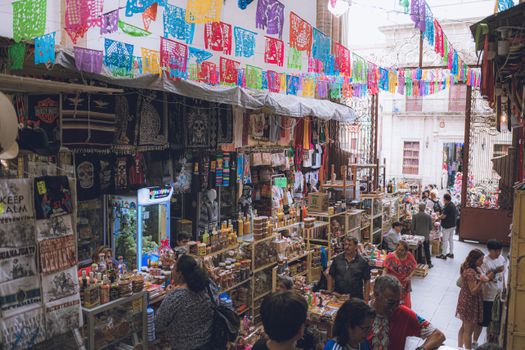
- Hit the Markets: Local markets are a feast for the senses and your wallet. From fresh produce to prepared foods, you'll find incredible quality at local prices. In Barcelona, skip La Boqueria (often crowded) and head to Mercat de Sant Antoni for a more local vibe. In Bangkok, Chatuchak Weekend Market is famous, but smaller neighborhood markets offer daily delights.
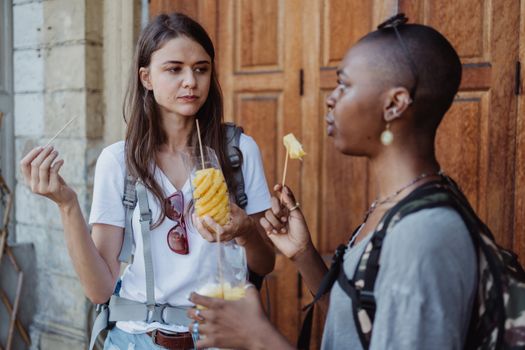
- Seek Out Street Food: This is where the magic happens. Look for stalls with long lines of locals – that’s your sign of good, safe, and delicious food. Don't be afraid to try new things! In Mexico City, a taco al pastor from a street cart can be an absolute revelation for under $1. In Vietnam, a bowl of pho from a small family-run eatery will cost you a few dollars and nourish your soul.
- Ask Locals (Not the Concierge): Strike up conversations with shopkeepers, bus drivers, or even fellow diners. Ask them where they eat. "Dove mangiate voi?" (Where do you eat?) in Italy, or "Où mangez-vous habituellement?" (Where do you usually eat?) in France, can lead to incredible discoveries. Avoid asking hotel concierges; they often have deals with touristy restaurants.
- Dine During Lunch Hours: Many local restaurants offer "menu del día" (menu of the day) or "prix fixe" (fixed price) lunches that are substantially cheaper than dinner, offering multi-course meals for a steal. In Spain, a "menú del día" can be €10-€15 for two or three courses, including a drink.
- Learn Key Food Phrases: Knowing how to say "I'll have," "spicy," "no meat," or "thank you" can make ordering much smoother and show respect.
My Story: In Oaxaca, Mexico, I was determined to find the best tlayudas (large, crispy tortillas with toppings). I ignored the brightly lit, English-menu restaurants near the zócalo and instead wandered into a bustling night market. There, amidst the smoke and laughter, I found a woman expertly flipping tlayudas over a charcoal grill. I pointed, used my broken Spanish, and for about 50 pesos ($2.50), I had the most incredible, smoky, cheesy, spicy tlayuda of my life. I went back every night for a week, and she’d greet me with a warm smile, knowing exactly what I wanted. That connection, forged over food, was priceless.
"Hello" Goes a Long Way: Unlocking Connections Through Basic Phrases
You don't need to be fluent to make a profound difference in your interactions. A few words in the local language can transform you from a generic tourist into a respectful, engaged traveler. It's a key that unlocks smiles, gestures of goodwill, and deeper connections.
Practical Tips:
- Master the Essentials: Learn "hello," "please," "thank you," "excuse me," "yes," "no," and numbers 1-10. Also, "how much?" and "delicious" are incredibly useful.
- Use Apps & Phrasebooks: Duolingo, Memrise, and Google Translate (especially its camera translation feature for menus!) are invaluable. A small physical phrasebook can also be handy when your phone dies.
- Don't Fear Mistakes: Locals appreciate the effort, even if your pronunciation isn't perfect. A botched attempt at a phrase is often met with amusement and an eagerness to help, rather than judgment. It breaks down barriers instantly.
- Observe Body Language: Beyond words, pay attention to local customs regarding greetings, personal space, and gestures. A slight bow in Japan, a firm handshake in many Western cultures, or a nod in others.
My Story: I was once trying to buy a specific type of herbal tea at a tiny shop in rural Vietnam. The shopkeeper spoke no English, and my Vietnamese was limited to "hello" and "thank you." I tried using Google Translate, but it wasn't quite getting the nuance. Frustrated, I finally pulled out a small, crumpled drawing I'd made of the herb. The woman's face lit up with understanding. She laughed, pointed to the tea, and then offered me a small, complimentary cup. We communicated entirely through smiles, gestures, and my two Vietnamese words, but the connection was palpable. It taught me that genuine effort, even when imperfect, transcends language barriers.
Your Secret Map: Unearthing Undiscovered Neighborhoods & Local Haunts
The Eiffel Tower is iconic, but have you wandered through the Buttes-Chaumont park where Parisians picnic and stroll? The Colosseum is magnificent, but have you spent an afternoon exploring the street art and bohemian vibe of Rome's Pigneto district? True local living means venturing beyond the postcard and into the everyday.
Practical Tips:
- Wander Aimlessly: Pick a direction and just walk. Turn down streets that look interesting. You'll often discover hidden squares, local bakeries, independent boutiques, and quiet residential areas that offer a glimpse into real life. This is how I found a stunning, almost deserted viewpoint over Florence, far from the tourist-packed Piazzale Michelangelo.
- Consult Local Blogs & Forums: Before you go, search for "best local spots [city name]" or "hidden gems [city name] forum." Look for non-English blogs and use a translator. These sources often reveal places that haven't made it into mainstream travel guides.
- Visit Libraries & Community Centers: These places are hubs for local information about events, workshops, and gatherings that aren't aimed at tourists. Even if you don't speak the language, you can often pick up brochures or see posters.
- Follow the Locals (Subtly): If you see a group of locals heading somewhere with purpose – perhaps towards a park, a specific market, or a community event – consider following them (respectfully, of course!).
- Embrace the Mundane: Visit a local supermarket. It's fascinating to see what staples people buy, what local brands exist, and often, you can pick up delicious, inexpensive local snacks or ingredients for a picnic.
My Story: In Berlin, everyone flocks to the Brandenburg Gate and Museum Island. While these are essential, I craved something different. I took a recommendation from a barista (a local, not a guidebook!) to check out the Mauerpark flea market on a Sunday. It was an explosion of vintage clothes, street food, live music, and impromptu karaoke sessions where hundreds of Berliners gathered. It wasn’t a historical monument, but it was a vibrant, living piece of Berlin culture that felt incredibly authentic and utterly joyous. I bought a unique vintage jacket for €15 and spent hours just soaking in the atmosphere.
The Art of Slow Travel: Connecting with Culture, Not Just Capturing It
Living like a local isn't just about where you go, but how you go. It's about slowing down, being present, and making genuine connections. It’s about putting down the camera and truly seeing.
Practical Tips:
- Stay Longer in One Place: Instead of hopping between cities every two days, try spending a week or more in one location. This allows you to establish routines, visit the same cafe, get to know local shopkeepers, and feel less rushed. My rule of thumb: at least 4-5 nights in a city, preferably a week.
- Rent an Apartment: Staying in an Airbnb or local apartment (rather than a hotel) immediately immerses you. You'll shop at local grocery stores, cook your own meals, and experience what it's like to live in a residential neighborhood. Plus, it's often more cost-effective for longer stays.
- Engage in Local Activities: Look for cooking classes, language exchanges, local festivals, or even volunteer opportunities. Websites like Meetup.com or local Facebook groups can be great resources. I once took a pasta-making class in Bologna from a nonna in her own kitchen, and it was one of the most heartwarming experiences of my life.
- Observe and Listen: Sit in a park, at a cafe, or on a bench and simply observe. Watch interactions, listen to conversations (even if you don't understand the words), and take in the rhythm of daily life. This is where subtle cultural nuances reveal themselves.
- Limit Screen Time: Resist the urge to constantly scroll or post. Be present. Take a few photos, sure, but then put the phone away and experience the moment through your own eyes, not through a lens.
My Story: On a trip to Kyoto, Japan, instead of rushing through all the famous temples, I decided to spend an entire afternoon at a small, local tea house near my Airbnb. It was tucked away on a quiet street, and the owner, an elderly woman who spoke very little English, patiently demonstrated the tea ceremony. We communicated through gestures, smiles, and the shared appreciation for the quiet beauty of the ritual. I didn't get an "Instagrammable" shot of a geisha, but I got something far more precious: a moment of genuine cultural exchange and a sense of profound peace. It was a reminder that the most memorable travel experiences often happen when you're least expecting them, simply by being open and present.
---
Your Journey to Authenticity Starts Now!
Living like a local isn't just a travel style; it's a mindset. It's about curiosity, respect, and a willingness to step outside your comfort zone. It's about finding the beauty in the everyday, the magic in the mundane, and the connection in the unexpected. It's about creating memories that are truly your own, not just carbon copies of someone else's curated feed.
So, next time you plan a trip, challenge yourself. Ditch the influencer-approved itineraries. Seek out the street food, ride the local bus, learn a few phrases, and wander down that intriguing alley. You'll discover a world far richer, more authentic, and infinitely more rewarding than any perfectly filtered photo could ever convey.
What's your favorite "local" experience from your travels? Share your stories and tips in the comments below using #TripsoraLocalLiving – let's inspire each other to travel deeper!
---