Offset Your Travel Footprint for FREE: The Secrets Influencers Don't Want You to Know
I remember standing on a pristine beach in Thailand, the kind you see plastered all over Instagram, with turquoise waters lapping at my feet and towering limestone karsts framing the horizon. It was breathtaking. But then, a rogue plastic bottle, half-buried in the sand, caught my eye. Just beyond it, a broken flip-flop. And suddenly, the carefully curated illusion shattered.
We’ve all seen the picture-perfect posts: infinity pools, private jets, exotic dishes. Travel influencers paint a dream, and honestly, they inspire millions (myself included!) to explore this incredible planet. But here’s the uncomfortable truth: behind every stunning shot often lies a significant environmental and social footprint. Flights, luxury resorts, endless disposable items – it all adds up. And while many influencers do promote sustainability, it’s often through sponsored posts for eco-friendly products or by recommending paid carbon offsetting programs.
But what if I told you that you could dramatically reduce your travel footprint, give back to the places you visit, and inspire real change, all without spending a single extra dollar? This isn't about shaming anyone; it's about empowering you with the insider knowledge that often gets lost in the glossy feed. It's about making impactful choices that are absolutely free, incredibly rewarding, and yes, even Instagram-worthy in the most authentic way possible.
Ready to become a true eco-warrior on a budget? Let's dive in.
The "Invisible" Footprint: Beyond Flights & Fancy Hotels
When we talk about offsetting travel, the first thing that usually comes to mind is carbon emissions from flights. And yes, that’s a huge one. But our footprint extends far beyond the skies. It’s in the single-use plastic water bottles we buy, the food waste from our plates, the energy consumed by our hotel rooms, and even the way we interact with local communities.
Think about it: that stunning resort might be draining local water resources, or the souvenir you bought could be mass-produced, funneling money away from local artisans. The "invisible" footprint is often the most pervasive because it's subtle, ingrained in our habits, and rarely gets the spotlight. But guess what? These are exactly the areas where your free, conscious actions can make the biggest difference.
I learned this firsthand during a backpacking trip through Vietnam. I was initially so focused on finding the cheapest flights and hostels that I overlooked the constant stream of plastic bags and bottles I was accumulating. It wasn't until I saw a local woman meticulously washing and reusing every single item in her small shop that it clicked. My small, daily choices, multiplied by millions of travelers, were creating a mountain of waste. That moment was a wake-up call, shifting my focus from just saving money to truly traveling mindfully.
1. Master the Art of "Leave No Trace" (and Then Some!)
This isn't just for hikers anymore. "Leave No Trace" is a philosophy that applies to every traveler, everywhere. And the best part? It costs absolutely nothing.
- Your Reusable Arsenal: This is your holy trinity: a reusable water bottle, a coffee cup, and a set of cutlery (including a reusable straw if you use one). Before you even leave home, pack these. In most places, you can refill your water bottle for free at cafes, hostels, or even public fountains. I’ve saved hundreds of plastic bottles (and dollars!) doing this. In Cambodia, I once found a small family-run guesthouse that had a huge filtered water dispenser, and they were thrilled when I asked to refill my bottle instead of buying a new one. It sparked a lovely conversation about their efforts to reduce plastic.
- Refuse, Reduce, Reuse: This mantra is powerful. Refuse plastic bags at markets – bring your own small reusable tote. Refuse unnecessary packaging. Reduce your consumption of single-use items. Reuse towels and linens at hotels (most will have a sign encouraging this). It’s about being proactive. Before ordering a drink, specify "no straw." When buying street food, ask if you can use your own container (though this might be less common in some cultures, it never hurts to politely ask).
- Pack Light, Pack Smart: The lighter your luggage, the less fuel is needed to transport it. Plus, it makes navigating public transport a breeze, further reducing your footprint. I once challenged myself to travel for two weeks with just a carry-on, and it forced me to be incredibly intentional about what I truly needed, leading to less waste and more freedom.
2. Local Love: Investing in Communities (Without Your Wallet)
Supporting local economies is a cornerstone of responsible travel, and you don't need to splurge on fancy souvenirs to do it. Your time, attention, and voice are incredibly valuable.
- Engage with Locals: Strike up conversations. Ask about their lives, their culture, their challenges. This builds understanding and respect. It costs nothing but a smile and genuine curiosity. During a trip to Morocco, I spent an afternoon simply chatting with a rug seller in the souk, learning about his family and the history of his craft. I didn't buy anything that day, but the connection was priceless, and he later gave me amazing recommendations for local eateries.
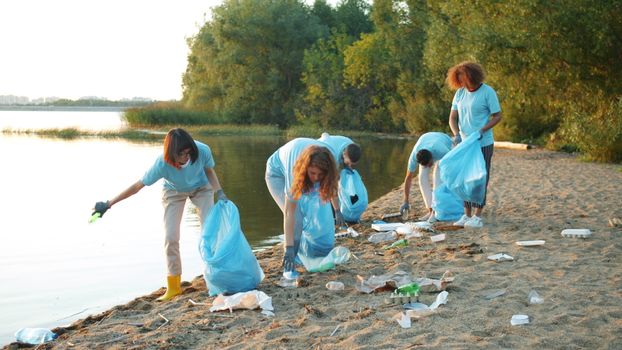
- Share Your Skills (Respectfully): Do you have a skill that could benefit a local community for a few hours? Maybe you can help teach English at a small school, assist with a local clean-up effort, or even just offer to help carry groceries for an elderly person. Always ensure your help is genuinely needed and welcomed, and never impose yourself. Look for local community centers or NGOs that might accept short-term, informal help.
- Promote Authenticity: Instead of just posting about the tourist traps, seek out and highlight genuine local experiences on your social media. Share the small, family-run restaurant, the artisan's workshop, the community project. Your endorsement, even to a small audience, can drive much-needed attention and business to those who truly need it. It costs you nothing but a thoughtful caption and a tag.
- Learn a Few Local Phrases: A simple "hello," "thank you," and "please" in the local language goes a long way. It shows respect and opens doors, fostering positive interactions that strengthen cultural bonds.
3. Digital Nomad, Eco Warrior: Leveraging Your Online Presence for Good
This is where you truly outsmart the influencers who are tied to sponsored content. You have the power to create authentic, impactful content that inspires real change, without a brand deal in sight. Your platform, no matter how big or small, is a tool for good.
- Be a Storyteller of Sustainability: Don't just post the pretty pictures. Share the story behind your sustainable choices. Show your reusable water bottle in action. Talk about how you found that amazing zero-waste cafe. Highlight the local artisan you met. Explain why you choose public transport. These aren't just travel tips; they're calls to action.
- Example Instagram Caption: "Sunrise hike in [Location] with my trusty reusable water bottle! 💧 Soaking in this beauty and making sure I leave nothing but footprints. What's your favorite way to stay eco-conscious on the go? #SustainableTravel #LeaveNoTrace #EcoWarrior"
- Educate & Inspire: Use your captions and stories to share practical, free tips. Ask questions to spark conversation. "Did you know you can refill your water bottle here?" "What's your go-to for avoiding plastic?" This isn't about being preachy; it's about sharing knowledge and building a community of conscious travelers.
- Shine a Light on Local Efforts: If you discover a local initiative doing amazing things for the environment or community – a beach clean-up, a sustainable farm, a cooperative – amplify their message. Tag them, share their story, and encourage your followers to support them. Your digital endorsement is a powerful, free form of marketing for them.
- Challenge the Status Quo: Subtly question the over-consumption often depicted in travel media. Show that meaningful travel isn't about luxury, but about connection, discovery, and respect. Your authentic experience can be far more inspiring than a staged photoshoot.
4. The Power of Your Plate: Sustainable Eating & Food Choices Abroad
Food is an incredible gateway to culture, and it’s also a huge area for impact. Making conscious choices about what you eat, and how you eat it, costs nothing extra.
- Eat Local, Eat Seasonal: Head to local markets! Not only is it an incredible cultural experience (and often more affordable!), but you’re directly supporting local farmers and reducing the carbon footprint associated with transporting food long distances. Ask vendors what's in season. In Italy, I made it a point to visit local markets, learning about regional produce and cooking simple meals at my hostel. It was far more enriching than eating at tourist traps.
- Reduce Food Waste: Only order what you can eat. If you're at a buffet, take small portions and go back for more if needed. If you have leftovers from a restaurant, ask if you can take them away (using your own reusable container if possible!). This is a universal good habit that costs nothing.
- Consider Plant-Based Options: Even if you're not fully vegetarian or vegan, opting for plant-based meals occasionally significantly reduces your environmental impact. Meat production has a massive carbon and water footprint. Many local cuisines offer delicious, naturally vegetarian dishes – embrace them!
- Avoid Tourist Trap Restaurants: Often, these places import ingredients, create more waste, and offer less authentic experiences. Seek out eateries frequented by locals. Ask your guesthouse owner or a friendly shopkeeper for their recommendations.
5. Mindful Movement: Rethinking Transport & Exploration
How you get around, both between destinations and within them, plays a huge role in your footprint. And often, the most sustainable options are also the most memorable and free (or very cheap!).
- Embrace Slow Travel: Instead of hopping on multiple flights, consider taking trains, buses, or even boats. These modes of transport often have a lower carbon footprint and offer incredible opportunities to see the landscape and interact with locals. My most cherished travel memories often involve long train rides through scenic countryside, sharing snacks with fellow passengers.
- Walk, Cycle, Public Transport: Once you're in a destination, your feet are your best friends. Walking allows you to discover hidden gems, soak in the atmosphere, and costs nothing. Renting a bicycle (often cheap or free at some hostels) is another fantastic, eco-friendly way to explore. Public transport, while sometimes daunting, is an adventure in itself and drastically reduces your individual impact compared to taxis or ride-shares. It's also a fantastic way to observe local life.
- Minimize Short-Haul Flights: Can you take a bus or train instead of a 1-hour flight? Often, the travel time isn't significantly different once you factor in airport transfers and security, and the environmental benefit is huge.
- Car Share/Hitchhike (with caution): If you're traveling with others, consolidate transport. In some regions, safe and established car-sharing options exist, or even regulated hitchhiking points. Always prioritize safety and local customs.
The True Cost of "Free"
The beauty of these strategies is that while they cost you no money, they demand something far more valuable: your mindfulness, your effort, and your genuine commitment. They require you to slow down, to observe, to connect, and to choose impact over convenience.
This isn't about perfection; it's about progress. Every single choice you make, however small, ripples outwards. When you choose to refuse a plastic bag, you're not just saving one bag from a landfill; you're sending a message to the vendor, you're setting an example for other travelers, and you're reinforcing a habit within yourself.
These are the real travel hacks. These are the secrets that empower you to be a truly responsible traveler, making a tangible difference without relying on paid offsets or brand sponsorships. And frankly, these are the stories and experiences that make for the most authentic, inspiring, and truly "Instagram-worthy" content – the kind that moves beyond fleeting aesthetics to genuine impact.
Ready to start your journey as a free eco-warrior?
What’s one free sustainable travel tip you swear by? Share it in the comments below and let’s inspire each other! And if this post resonated with you, hit that share button – let's spread these secrets far and wide!
---