The Unspoken Playbook: How to Survive Long Flights with Children That Locals Don't Want Tourists to Know
The cabin lights dim, the engines hum, and suddenly, that 12-hour flight to Bali feels less like an exciting adventure and more like a ticking time bomb. You glance at your two-year-old, then at your five-year-old, already wrestling over a crayon, and a cold sweat breaks. We’ve all been there. My first long-haul flight with my then-three-year-old twins to visit family in Australia was, to put it mildly, a disaster. Crying, kicking, spilled juice, and a pervasive sense of dread that I was that parent. I swore I’d never fly again.
But here I am, years later, a seasoned veteran of countless intercontinental journeys with my now-school-aged explorers. What changed? I stopped relying on generic advice and started observing. I watched the families who looked calm, collected, even happy. I struck up conversations with flight attendants, airport staff, and most importantly, other parents who seemed to possess an almost supernatural ability to keep their little ones content for hours on end. I discovered a quiet, unspoken playbook – a collection of strategies and mindsets that I affectionately call "what the locals don't want tourists to know." These aren't secrets they're actively hiding, but rather the hard-won wisdom of frequent flyers, the true "locals" of the global travel scene, that you won't find in most glossy travel brochures.
This isn't just about packing more snacks or downloading extra shows (though we’ll cover those too!). This is about a holistic approach to long-haul family travel that prioritizes preparation, mindset, and the subtle art of making the journey an extension of the adventure, not just a means to an end. So, buckle up, parents! It’s time to unlock the secrets to truly surviving – and even enjoying – long flights with your precious cargo.
1. The Pre-Flight Rituals: Building Your Fortress of Calm (Days Before Take-Off)
The journey doesn't start at the airport; it begins days, sometimes weeks, before. This is where the seasoned travel parents build their foundation of calm.
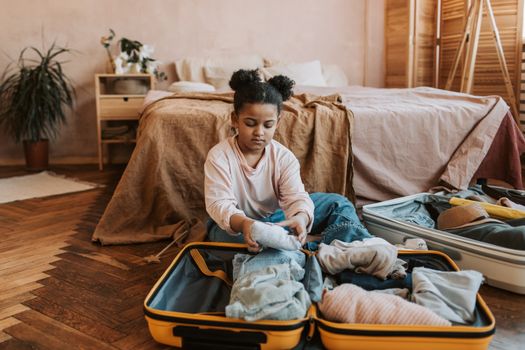
- The "Pre-Flight Prep Day" Mindset: Forget last-minute packing. A week before departure, I designate a "Pre-Flight Prep Day." This isn't about packing clothes; it's about preparing the travel bags for the kids. Each child gets their own small backpack. We choose 3-4 new (or long-forgotten) small toys, a sticker book, a mini-coloring kit, and a lightweight chapter book or comic. The novelty factor is KEY here. For my twins, Leo and Mia, discovering a new set of mini-Lego figures or a sparkly unicorn sticker book in their flight bag is half the fun. Pro Tip: Wrap these small items like tiny presents. The unwrapping process itself can kill 10-15 minutes of precious flight time!
- The "Sleep Sync" Strategy (Beyond Jet Lag): Locals don't just deal with jet lag; they actively combat it before it starts. For eastbound flights, we gradually shift bedtime earlier by 15-30 minutes each night for 3-4 days prior. For westbound, we push it later. This isn't about perfect synchronization, but about softening the blow. More importantly, we talk about the destination's time zone. "When we land in Rome, it will be dinner time, so we need to try and sleep on the plane when it's night in Rome!" This mental preparation works wonders for older kids.
- Strategic Seat Selection – It's Not Just About Legroom: While exit rows are tempting for adults, they're off-limits for kids. Locals know to prioritize bulkhead seats (if available and affordable) for the extra floor space for toddlers to play, or, my personal favorite, the last row of the plane. Why? Fewer people behind you to annoy, and often, it's closer to the lavatories and galley, meaning quicker access to flight attendants for help and a slightly less "on display" feeling if a meltdown does occur. On a recent flight from London to Vancouver, securing the last row meant Leo could stand and stretch without bothering anyone, and Mia had a bit more room to spread her blanket fort. Some airlines, like Emirates or Singapore Airlines, are exceptional with family-friendly seating options and often provide bassinet seats for infants – book these early!
2. Airport Navigation: The Unspoken Rules of Speedy Boarding (and Avoiding Meltdowns)
The airport itself can be a gauntlet. But for those in the know, it’s an opportunity to expend energy and set a positive tone.
- The "Play First, Wait Later" Mantra: Most tourists rush to the gate. Locals embrace the airport playground. Many major airports now have fantastic play areas. Dubai International (DXB), Singapore Changi (SIN), and Amsterdam Schiphol (AMS) are legendary for their kid-friendly facilities. Even smaller airports often have a quiet corner or an unused gate area perfect for a quick game of "airplane tag." My kids know that once we clear security, their first mission is to find the play area. It's a non-negotiable energy-burner.
- The Lounge Hack (Even Without a Premium Ticket): Access to an airport lounge isn't just for business class. Many credit cards offer lounge access, or you can often purchase a day pass (around $40-$60 per adult, kids usually free or discounted). This is a game-changer. Quiet spaces, complimentary food and drinks (no more overpriced airport snacks!), clean restrooms, and sometimes even dedicated family zones. On a layover in Doha, the Al Mourjan Business Lounge became our oasis – comfortable seating, delicious food, and a quiet corner for the kids to read. Worth every penny to escape the chaos of the main terminal.
- The "Divide and Conquer" Boarding Strategy: Unless you have a specific need for early boarding (like a bassinet), locals often split up. One parent takes the kids for a final bathroom break and a last-minute run around while the other boards early to set up the "nest" – blankets, pillows, entertainment, snacks. Then, the kids board last, minimizing their time cooped up on the plane before take-off. This was a revelation for us. My husband would set up our seats, and I'd bring the kids on just as the boarding door was about to close. Less waiting, less fidgeting, less "are we there yet?" before we even pushed back.
3. The In-Flight Sanctuary: Transforming Your Seat into a Kid-Friendly Oasis (Quietly)
Once on board, the mission is to create a comfortable, engaging, and relatively quiet environment. This is where the magic really happens.
- The "Magic Blanket" & Pillow Fort: Every child gets their own small, soft blanket and a compact inflatable neck pillow. These aren't just for comfort; they're props for building a personal "fort." Drape the blanket over the seat in front, tuck it into the headrest, and suddenly, they have a semi-private space. It’s a psychological trick that gives them a sense of control and coziness. Mia loves her unicorn blanket, transforming her seat into a "unicorn stable."
- The Entertainment Arsenal (Layered & Diverse): Forget just one tablet. Locals bring a variety of entertainment options, strategically deployed.
- Phase 1 (Take-off & Novelty): The wrapped small toys from their backpacks. The joy of a new item is a powerful distraction.
- Phase 2 (Quiet Activities): Sticker books, coloring books, a small deck of cards, pipe cleaners, or a small magnetic drawing board. These require focus but are low-noise.
- Phase 3 (Screen Time - Strategically): Pre-downloaded shows/movies on a tablet (with kid-friendly headphones!). Don't unleash this too early. Save it for when boredom truly sets in or during meal times. Insider Tip: Create a "playlist" of shows and movies they haven't seen before, or haven't seen in a long time. The novelty extends the engagement.
- Phase 4 (Story Time/Audio Books): For older kids, a good audiobook or a parent reading aloud can be incredibly calming, especially as exhaustion sets in.
- The "Cabin Pressure Comfort Kit": Ear pain during ascent/descent is a major meltdown trigger. Locals know the drill:
- Babies: Offer a pacifier or bottle/breastfeed to encourage swallowing.
- Toddlers/Older Kids: Chewy snacks (gummy bears, fruit snacks), lollipops, or even a sip of water through a straw. The act of swallowing helps equalize pressure. Leo loves his "special airplane lollipop" – a treat only for take-off and landing.
- The "Movement Breaks" (Subtle & Strategic): You can't keep kids strapped in for 12 hours. Every 2-3 hours, take a "bathroom break," even if they don't need to go. Walk the aisle, stretch, visit the galley for a quick chat with a friendly flight attendant (they often have little treats or stickers for kids). This small change of scenery and movement can reset their mood.
4. Fueling the Adventure: Snack Hacks and Hydration Secrets (No Sugar Crashes Here)
Food and drink are crucial, but it's not just about quantity; it's about quality and timing.
- The "Snack Box" – Your Secret Weapon: Forget throwing snacks into a ziplock bag. Invest in a multi-compartment bento-style snack box. Fill it with a variety of healthy, low-sugar, non-messy options: grapes, cheese sticks, pretzels, dried fruit, vegetable sticks, mini muffins, whole-grain crackers. The variety keeps them interested, and the individual compartments make it feel like a special "airplane meal." My kids get excited about their "snack box reveal."
- Hydration is Key (But Choose Wisely): Airplane air is incredibly dry. Staying hydrated prevents headaches, fatigue, and general grumpiness. Each child gets their own reusable water bottle. Fill it after security. Avoid sugary juices and sodas – they lead to sugar crashes and more bathroom trips. Water is your best friend.
- Airline Meals – Supplement, Don't Rely: Pre-order kids' meals, but treat them as a bonus, not the main event. They can be hit or miss. Always have your snack box as backup. If your kids are picky, pack a "safe" sandwich or pasta salad from home. I once watched a dad on a flight to Tokyo pull out a perfectly portioned chicken and rice dish for his son, meticulously packed in a small thermal container. He was a local.
- The "Midnight Snack" Strategy: For long overnight flights, pack a small, easy-to-eat, non-perishable snack like a granola bar or a small fruit pouch for when they inevitably wake up hungry at an odd hour. It prevents a full-blown "I'm starving!" meltdown and helps them drift back to sleep.
5. The "Meltdown Mitigation" Playbook: When All Else Fails (and it Will)
Let's be real: meltdowns happen. Even the most prepared parent can face a screaming toddler or an inconsolable child. This is where the local's mindset truly shines.
- Empathy First, Discipline Second: Your child isn't being "bad." They're overwhelmed, tired, and in an unfamiliar environment. Acknowledge their feelings: "I know you're tired, and it's hard to sit still." This validates their emotions and can often de-escalate the situation.
- The "Change of Scenery" Reset: If a meltdown is brewing, a quick trip to the lavatory can work wonders. It's a small, private space for a moment of quiet, a splash of water on the face, and a quick pep talk. Sometimes, just seeing a different environment is enough to break the cycle.
- The "Emergency Distraction Kit": Beyond the planned entertainment, have a small, easily accessible bag of "emergency" items. A new coloring book, a small slinky, a finger puppet, or even a printout of simple games like tic-tac-toe or hangman. These are deployed only when things are going south.
- Don't Be Afraid to Ask for Help (Discreetly): Flight attendants are often parents themselves and are usually sympathetic. A quiet word – "My son is really struggling with the pressure, do you have any extra water or perhaps a small cup of ice?" – can yield surprising results. Most importantly, don't let the judgment of other passengers get to you. You're doing your best. On a particularly rough flight, a kind flight attendant offered my daughter a small pack of playing cards and spent a few minutes showing her a simple magic trick. That small gesture changed everything.
- The "Sensory Soother": For kids prone to sensory overload, a pair of noise-canceling headphones (even if they're not listening to anything) can be a lifesaver. A small, soft fidget toy can also provide comfort and a quiet outlet for restless energy.
6. Post-Flight Recovery: Landing Like a Local (Without the Jet Lag Blues)
The flight is over, but the journey isn't quite done. Landing smoothly is crucial for everyone's well-being.
- Immediate Destination Immersion: As soon as you land, try to get onto the local time zone's schedule. If it's morning, go outside into the sunlight. Resist the urge for a nap if it's not naptime locally. Sunlight is a powerful circadian rhythm regulator. On our first trip to Japan, despite landing at what felt like 3 AM to our bodies, we immediately went to a local park. The fresh air and vibrant atmosphere helped immensely.
- Prioritize Sleep (When it's Time): When local bedtime arrives, make sleep a priority. Darken the room, stick to a familiar bedtime routine. Don't overschedule the first day or two. Gentle activities are best.
- The "Pre-Booked Transfer" Advantage: Locals never scramble for a taxi after a long flight with tired kids. Pre-book a reliable airport transfer with car seats if needed. The peace of mind and seamless transition from airport to accommodation is invaluable. This is one expense I never skimp on. I've found services like Welcome Pickups in Europe or local taxi companies with family options to be worth every penny. For example, a pre-booked van from Heathrow to central London might cost around £80-£100, but the comfort and ease with two tired kids is priceless.
- Snacks, Always Snacks: Have a small stash of familiar, comforting snacks in your carry-on for the immediate post-landing period. Finding a local grocery store might take time, and hungry kids equal grumpy kids.
The True "Local" Secret: Mindset and Mateship
Ultimately, the most profound "secret" isn't a specific gadget or hack; it's a shift in mindset. Seasoned travel parents understand that travel with children is an adventure unto itself, full of unpredictable moments. They embrace the chaos, laugh at the spills, and see every challenge as a temporary hurdle. They also understand the power of community. They smile at other struggling parents, offer a kind word, and know that we're all in this wild, wonderful journey together.
So, the next time you're preparing for a long flight, remember these "local" secrets. You're not just surviving; you're becoming one of the quiet masters of family travel, ready to share your own wisdom with the next generation of adventurous parents.
What are YOUR secret tips for flying long-haul with kids? Share them in the comments below! We're always looking for new wisdom to add to the playbook!