Europe on a Shoestring: Your Blueprint for $50/Day Adventures Before They Go Mainstream
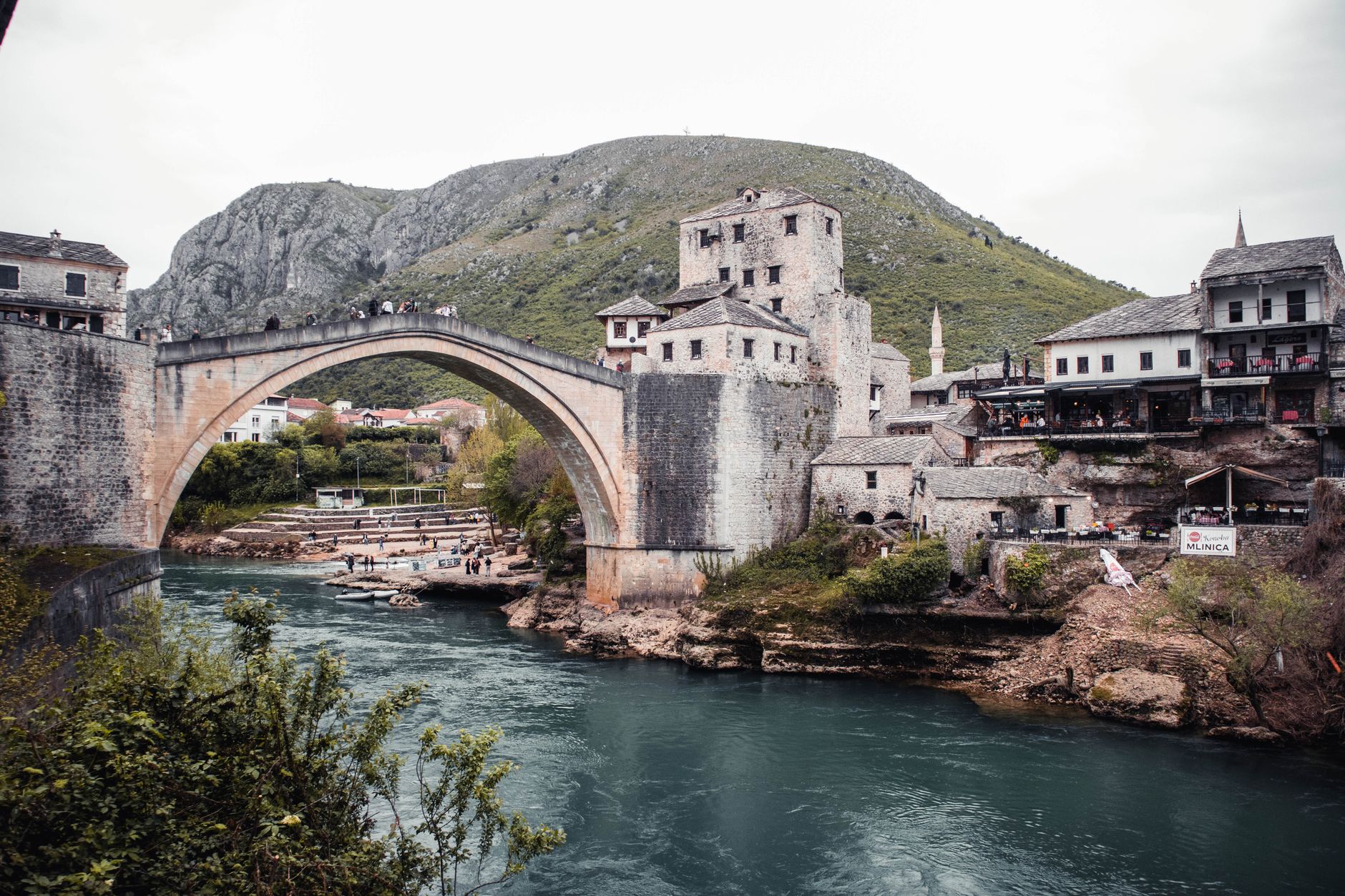
The year was 2017. I was sitting on a sun-drenched terrace in Mostar, Bosnia and Herzegovina, sipping a strong Bosnian coffee for about $1.50, watching locals dive off the iconic Stari Most bridge. My hostel for the night, a charming family-run guesthouse with a killer view, cost me $12. Dinner? A hearty plate of Ćevapi for $5. I tallied up my day’s spending: barely $30.
This wasn't some fluke. This was a revelation. For years, I, like many, had bought into the narrative that "Europe is expensive." Paris, Rome, London – breathtaking, yes, but often wallet-draining. But that day in Mostar, I realized I’d been looking at Europe through the wrong lens. There was an entire other Europe out there, waiting to be discovered, bursting with history, culture, and natural beauty, all without the eye-watering price tags.
Fast forward to today, and that "other Europe" is still thriving, though the secret is slowly getting out. If you dream of cobblestone streets, ancient castles, pristine lakes, and vibrant cultures without breaking the bank, now is the time to go. This isn't just about saving money; it's about experiencing Europe authentically, diving deep into local life, and finding those truly unique moments before they become Instagram clichés.
So, ditch the notion that budget travel means deprivation. With the right mindset and a few savvy tricks, you can absolutely travel Europe for under $50 a day. And trust me, these aren't just tips – they're the strategies I've personally used to explore incredible places, and they're your ticket to an unforgettable adventure.
The Mindset Shift: Why $50/Day Isn't a Pipe Dream, But a Smart Choice
Let's be clear: traveling Europe for under $50 a day isn't about roughing it or missing out. It's about smart choices, embracing local experiences, and understanding where to find true value. It’s about prioritizing adventure over luxury, authenticity over tourist traps.
When I first started, I thought I'd be eating instant noodles and sleeping in dodgy dorms. Instead, I found myself feasting on incredible local cuisine, staying in charming guesthouses, and meeting fascinating people. The key? A shift in perspective.
- Embrace Slow Travel: Rushing through cities means more transportation costs and less time to discover hidden gems. Give yourself time to truly soak in a place.
- Value Over Cost: Sometimes paying a few extra dollars for a local bus over hitchhiking, or a hearty meal over a tiny snack, can enhance your experience exponentially without blowing the budget.
- It's an Adventure, Not a Holiday: Budget travel often throws unexpected challenges and opportunities your way. Embrace them! These are the stories you'll tell forever.
- The "Sweet Spot" of Destinations: Forget Western Europe for this budget (mostly). Your new best friends are Eastern and Southeastern Europe, the Balkans, and parts of Central Europe that haven't yet been fully discovered by mass tourism.
This isn't just about saving money; it's about a richer, more immersive travel experience. You'll interact more with locals, discover places untouched by global chains, and truly feel like an explorer.
Where to Go: Unearthing Europe's Undiscovered Gems
This is where the magic happens. While Paris and Rome will always hold their charm, your $50/day budget will stretch infinitely further in these incredible, often overlooked, regions.
The Balkan Beauties: A Land of Mountains, Lakes, and History
The Western Balkans are, hands down, the reigning champions of budget-friendly, awe-inspiring travel. Think dramatic mountains, turquoise lakes, ancient towns, and a history that will move you, all for a fraction of the cost of Western Europe.
- Albania: My personal favorite. This country is a goldmine for budget travelers.
- Berat (City of a Thousand Windows): A UNESCO site, this Ottoman-era city is stunning. Stay in a guesthouse in the old town for $15-20, eat a delicious traditional meal (like Tavë Kosi) for $7-10. Hike up to the castle for incredible views.
- Ohrid (North Macedonia): While technically in North Macedonia, it's easily accessible from Albania. Lake Ohrid is one of Europe's oldest and deepest lakes, surrounded by ancient churches and monasteries. A hostel bed here might be $10, a hearty meal $6-8. Rent a kayak for a few dollars and paddle on the pristine waters.
- Mostar (Bosnia & Herzegovina): As I mentioned, Mostar is iconic for its reconstructed bridge and emotional history. Explore the old bazaar, visit the local mosques, and try the local burek (a savory pastry) for $2. A private room in a guesthouse can be found for $20-25, a hostel bed for $10-15.
- Montenegro: Jaw-dropping fjords, rugged mountains, and charming coastal towns. While Kotor is gaining popularity, places like Žabljak in Durmitor National Park offer incredible hiking and nature for minimal cost. A local bus ride from one town to another might be $10-15.
Baltic Charms: Northern Europe's Hidden Treasures
Lithuania, Latvia, and Estonia offer a unique blend of Scandinavian influence, Soviet history, and medieval charm. They're more expensive than the Balkans but still very manageable.
- Vilnius (Lithuania): Its Old Town is a UNESCO World Heritage site, packed with Baroque architecture. Free walking tours are excellent. A delicious local lunch (like cepelinai) can be $8-12. Hostel beds are around $15-20.
- Riga (Latvia): Famous for its Art Nouveau architecture. Explore the Central Market, one of Europe's largest. Public transport is efficient and cheap.
- Tallinn (Estonia): While its Old Town is very popular, venture outside the city walls to areas like Kalamaja for a more local, bohemian vibe.
Central European Gems (Beyond the Capitals)
While Prague, Budapest, and Krakow are fantastic, they're becoming increasingly popular and prices are rising. For true budget travel, explore their smaller, equally charming counterparts.
- Wrocław (Poland): Known for its beautiful market square and hundreds of dwarf statues. Less crowded and cheaper than Krakow. A hearty Polish meal (like pierogi) can be $7-10.
- Eger (Hungary): A historic city famous for its castle, thermal baths, and "Bull's Blood" wine. A glass of wine costs a few dollars, and a local meal is very affordable.
- Český Krumlov (Czech Republic): While gaining traction, this fairy-tale town is still cheaper than Prague and incredibly picturesque. Wander the narrow streets, visit the castle, and enjoy the Vltava River.
Typical daily costs in these regions:
- Hostel bed: $10-20
- Local meal: $5-12
- Coffee/Tea: $1.50-3
- Local bus fare: $1-3
- Intercity bus/train: $10-25
Accommodation Hacks: Sleeping Smart, Not Expensive
Your biggest budget drain can be accommodation. But with a little strategy, you can find comfortable, safe, and even charming places to rest your head without blowing your $50 limit.
- Hostels are Your Friend (Seriously!): Forget the image of dingy dorms. Modern hostels are clean, social, and many offer private rooms for a reasonable price. They often have communal kitchens, saving you money on food. Look for hostels with high ratings on Hostelworld or Booking.com. I've stayed in incredible hostels with rooftop bars, free walking tours, and even swimming pools, all for under $20 a night.
- Guesthouses & Homestays: Especially prevalent in the Balkans and Eastern Europe, these family-run establishments offer an authentic experience and often incredible value. You might get a home-cooked breakfast, local tips, and a genuine connection with your hosts. I once stayed in a guesthouse in Albania where the owner, despite not speaking English, offered me homemade rakija and fresh figs every morning. It was $18 a night!
- Airbnb (Private Rooms): While entire apartments can be pricey, a private room in a local's home on Airbnb can be a fantastic, affordable option, often with access to a kitchen.
- Couchsurfing: For the ultimate budget and cultural immersion, Couchsurfing offers free accommodation with locals. It's a fantastic way to meet people and get insider tips, but always prioritize safety and check references thoroughly.
- Camping: If you're an outdoors enthusiast, many countries in Eastern Europe have beautiful, affordable campsites. Wild camping is also an option in some areas (check local laws first!), but always be respectful of nature and private property.
Pro-Tip: Book in advance, especially during peak season, but also keep an eye out for last-minute deals. Sometimes, walking into a guesthouse in a smaller town can get you a better price than online.
Eating Like a Local: Feasting on a Budget
Food is one of the greatest joys of travel, and thankfully, it doesn't have to be expensive in these regions. In fact, eating cheaply often means eating more authentically!
- Street Food & Markets: This is your holy grail. From burek in Bosnia, pierogi in Poland, to Hungarian lángos, street food is delicious, filling, and incredibly cheap (often $2-5 for a meal). Local markets are also fantastic for fresh produce, cheeses, and baked goods – perfect for a picnic.
- Supermarkets: Utilize them! If your accommodation has a kitchen (many hostels and Airbnbs do), cooking just a few meals can save a significant amount. Even simple snacks, breakfast items, or picnic supplies from a supermarket are far cheaper than eating out every meal. My go-to budget breakfast is yogurt, fruit, and local bread.
- Local Restaurants (Not Tourist Traps): Avoid places with English menus plastered outside and waiters trying to lure you in. Venture a few blocks away from the main square. Look for places packed with locals – that's your sign. Many offer "daily specials" (menu del día) which are often a multi-course meal for a set, low price ($8-15). Don't be afraid to point or use a translation app.
- Picnics with a View: Grab some local bread, cheese, cured meats, and fresh fruit from a market and find a scenic spot – a park, a castle wall, or a lakeside bench. It's a memorable, cheap, and Instagram-worthy experience.
- Carry a Reusable Water Bottle: Tap water is safe to drink in most of Europe. Save money (and the planet) by refilling your bottle.
Personal Anecdote: In Sarajevo, I found a tiny, unassuming spot serving ćevapi (grilled minced meat sausages in flatbread) for about $4. It was the best I'd ever tasted, served by a gruff but friendly owner who only spoke Bosnian. That's the kind of authentic experience you miss if you stick to the tourist zones.
Transportation Tactics: Getting Around for Less
Getting from A to B doesn't have to cost a fortune. Embrace the slower, more scenic routes, and you'll save big.
- Buses are King: Especially in Eastern and Southeastern Europe, buses are the most extensive, reliable, and affordable way to travel between cities and even countries. Services like FlixBus operate internationally, but local bus networks are often even cheaper. A 4-hour bus ride might cost $10-20.
- Trains (sometimes): While less developed than Western Europe, some countries (like Poland, Czech Republic, Hungary) have decent and affordable train networks. They can be more comfortable and scenic than buses.
- Walking & Cycling: The best way to explore any city is on foot. It's free, you discover hidden alleys, and you get your steps in. Many cities also have bike-sharing programs or affordable rental shops.
- Ride-sharing (BlaBlaCar): For longer distances, car-pooling services like BlaBlaCar can be a great option. You split fuel costs with a local driver, saving money and often getting to practice your language skills or learn about the region.
- Avoid Taxis: Taxis are almost always the most expensive option. If you absolutely need one, use a ride-sharing app like Bolt or Uber (where available) as they often offer upfront pricing and are generally cheaper than hailing a cab. Otherwise, stick to public transport.
Personal Anecdote: I once took an overnight bus from Albania to Montenegro for about $15. It was a bit cramped, but the sunrise over the Bay of Kotor as we descended into the city was absolutely breathtaking and made the journey entirely worth it. Plus, it saved me a night's accommodation!
Activities & Experiences: Free or Frugal Fun
You don't need to spend a fortune on entrance fees to have incredible experiences. Europe is rich with free and low-cost activities.
- Free Walking Tours: Many cities offer free (tip-based) walking tours that provide an excellent introduction to the city's history, culture, and hidden gems. Always tip your guide generously – they work hard!
- Museum Free Days/Hours: Research museums and galleries in advance. Many offer free entry on specific days, evenings, or for certain age groups.
- Parks & Nature: Europe boasts incredible national parks, hiking trails, and city parks. Spend an afternoon relaxing, people-watching, or enjoying a picnic. Hiking is often free and offers unparalleled views (e.g., Durmitor National Park in Montenegro, Tatra Mountains in Poland).
- Churches & Cathedrals: Most are free to enter and offer stunning architecture, art, and a sense of history. Just be respectful during services.
- Local Festivals & Events: Check local listings for free concerts, markets, or cultural festivals happening during your visit. These are fantastic for experiencing local life.
- Volunteering/Work Exchange: If you have more time, consider platforms like Workaway or Worldpackers, where you can exchange a few hours of work a day for free accommodation and sometimes food. This allows for deeper immersion and almost zero daily spending.
Instagram-Worthy Tip: The best photos often come from spontaneous moments or natural beauty. Capture the vibrant colors of a local market, the intricate details of an ancient building, or the panoramic views from a mountain trail. These authentic shots are far more compelling than staged tourist photos.
Mastering the Art of the $50/Day Budget
Finally, a few overarching tips to keep you on track and maximize your adventure.
- Track Your Spending: This is crucial. Use a simple notebook or a budgeting app like TravelSpend. Seeing where your money goes helps you make conscious choices.
- ATM Withdrawals & Local Currency: Always withdraw cash from ATMs in the local currency. When the ATM asks if you want to be charged in EUR/USD or local currency, always choose local currency. Your bank will give you a better exchange rate.
- Travel Insurance: Non-negotiable, even on a budget trip. A medical emergency or lost luggage can cost thousands. World Nomads is a popular choice for backpackers.
- Flexibility is Key: Things won't always go according to plan. Buses get delayed, hostels get booked. Embrace the unexpected; it often leads to the best stories.
- Learn Basic Phrases: "Hello," "thank you," "please," "how much?" in the local language goes a long way. Locals appreciate the effort, and it can open doors to warmer interactions (and sometimes even better deals!).
- Digital Detox (or Smart Tech Use): While Google Maps and translation apps are invaluable, sometimes putting the phone away and just being is the best experience. Look up from your screen and soak it all in.
Your European Adventure Awaits – Before it's Too Late!
The Europe I've described – authentic, affordable, and full of genuine discovery – is still very much alive. But the world is getting smaller, and these hidden gems are slowly but surely being discovered. Now is your chance to explore the cobbled streets of Berat, hike the dramatic peaks of Montenegro, or savor burek in a bustling Sarajevo market, all without the crowds or the exorbitant prices.
This isn't just about saving money; it's about a different kind of travel. It's about genuine connection, unexpected discoveries, and the profound satisfaction of knowing you’ve experienced something truly special, something that hasn't been homogenized by mass tourism.
So, what are you waiting for? Start planning. Open that map. Dream big, pack light, and prepare to embark on the budget-friendly European adventure of a lifetime. The open road is calling, and your $50 a day will take you further than you ever imagined.
What hidden European gems have you discovered on a budget? Share your tips and inspire fellow travelers in the comments below! Let's keep these secrets alive, for a little while longer.
---