Forget the Crowds & Conquer Costs: Your Epic $50/Day Europe Adventure in November 2025!
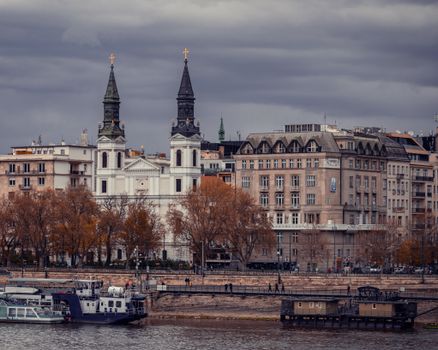
I still remember the look on my friend's face when I told her my grand plan: "I'm going to spend a month in Europe, and I'm going to do it for less than $50 a day." Her eyes widened, a mixture of disbelief and awe. "Are you going to be eating ramen noodles in a closet?" she quipped. I just smiled. Little did she know, that trip — a whirlwind through Budapest, Krakow, and Lisbon during the crisp, quiet shoulder season — turned into one of my most enriching and delicious travel experiences ever, all while sticking to that seemingly impossible budget.
Fast forward to today, and I’m here to tell you: it’s not just possible, it’s thriving. If you've been dreaming of exploring Europe but balking at the perceived cost, November 2025 is your golden ticket. The secret? Embracing the off-season, leveraging local insights, and a healthy dose of intrepid spirit. Forget the peak season price gouging and swarms of tourists; November offers a quieter, more authentic, and significantly more affordable European experience. Ready to dive into how you can conquer Europe for under $50 a day? Let's go!
---
The November Advantage: Why Off-Season is Your Secret Weapon
Let's be real: when most people picture a European getaway, they imagine sun-drenched beaches or bustling summer squares. But savvy travelers know that the magic truly happens when the crowds thin out and the prices drop. November in Europe is a revelation, a hidden gem often overlooked, and precisely why it's perfect for your budget adventure.
1. Price Plunge Perfection: This is the big one. Accommodation, flights (if booked strategically well in advance, though not part of the daily budget), and even some activities see significant price reductions compared to peak summer months. Hostels that might charge €40 in July could be €15-€25 in November. My first budget trip's success was largely thanks to this seasonal dip.
2. Crowd-Free Exploration: Imagine strolling through the Colosseum, admiring the Mona Lisa, or wandering Prague's Old Town Square without battling selfie sticks and tour groups. November offers a more intimate, reflective experience. You'll actually be able to see the art, hear the history, and feel the local vibe.
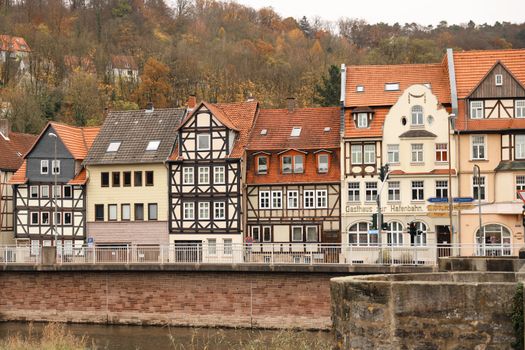
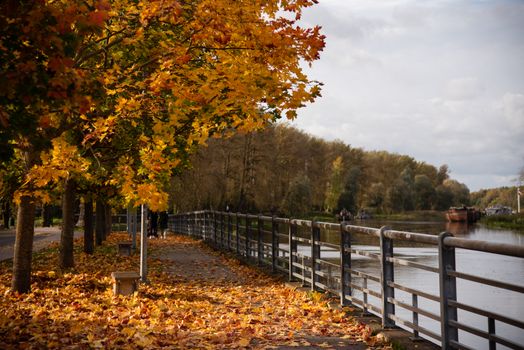
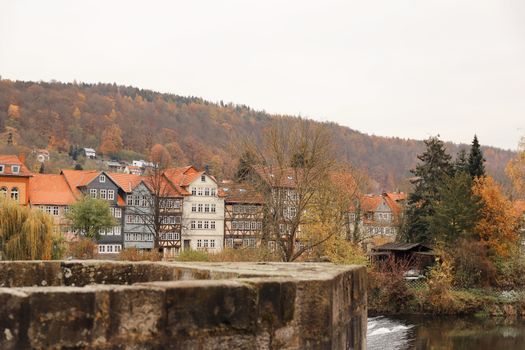
3. Unique Ambiance & Festive Beginnings: There’s a distinct charm to Europe in late autumn. The air is crisp, the leaves are turning (or have already fallen, creating a beautiful, stark landscape), and many cities start to twinkle with early Christmas market lights towards the end of the month. Think cozy cafés, hearty stews, and the scent of roasting chestnuts. It’s a magical atmosphere that summer simply can't replicate.
4. Easier Local Interaction: With fewer tourists, locals are often more relaxed and open to interaction. You might find it easier to strike up a conversation with a shopkeeper, a barista, or a fellow traveler, leading to more authentic experiences and insider tips.
---
Smart Stays: Mastering Budget Accommodation
Your biggest daily expense, after flights, will likely be accommodation. But fear not, this is where strategic planning pays off big time! To keep your daily spend under $50, you're aiming for €15-€25 a night.
1. The Hostel Advantage (and how to upgrade it): Hostels are your absolute best friend. Forget the outdated stereotypes; modern hostels are clean, safe, social, and often offer fantastic amenities.
- Dorm Life: A bed in a 6-8 person dorm in Eastern or Southern Europe (think Budapest, Krakow, Lisbon, Porto, Riga, Sofia) will typically run you €15-€25 ($16-$27) a night in November. Look for hostels with free breakfast – this is a game-changer, saving you €5-€10 instantly!
- Private Rooms: If you crave more privacy, some hostels offer private rooms at surprisingly good rates, especially in November. You might snag one for €35-€50, which, while pushing your daily budget, could be worth it for a night or two of recharge. My personal hack: I often alternate between dorms and a private room every few days to get the best of both worlds.
- Location, Location, Location: Choose hostels slightly outside the absolute city center but still well-connected by public transport. They are often cheaper and give you a more local feel.
My Anecdote: I once stayed at the Retox Party Hostel in Budapest (don't worry, it has a chill side too!) for €18 a night, including a surprisingly good breakfast spread. The social atmosphere was fantastic, and I met travelers who became lifelong friends. In Lisbon, I found a charming guesthouse near the Alfama district for €25, and the owner even shared her homemade pastel de nata with me!
2. Guesthouses & Family-Run B&Bs: In countries like Portugal, Italy, or Eastern Europe, small, family-run guesthouses can offer incredible value. Look on Booking.com or directly on local sites. They often provide a more personal touch and sometimes include breakfast.
3. Airbnb (Private Room): While entire Airbnbs can be pricey, renting a private room in a local's apartment can be a fantastic, authentic, and affordable option. You get local insights, and often access to a kitchen, which is crucial for budget eating.
Booking Tip: Use Hostelworld and Booking.com. Filter by price, "free breakfast," and review score (aim for 8.5+). Book a few weeks in advance for the best November deals.
---
Feast Like a Local, Not a Tourist: Eating on a Budget
Food is where many budget travelers stumble. But with a few smart moves, you can eat incredibly well and authentically for under €15-€20 ($16-$22) a day.
1. Embrace the Supermarket: This is your culinary sanctuary. Head to local supermarkets (Lidl, Aldi, Carrefour, Billa, Tesco) for breakfast, lunch, and sometimes even dinner.
- Breakfast: Yogurt, fruit, bread, cheese, ham, coffee/tea. Total: €3-€5.
- Lunch: Make sandwiches, grab a pre-made salad, or pick up some local cheeses and bread for a picnic. Total: €4-€7.
- Dinner: Many hostels have kitchens. Buy pasta, sauce, veggies, or ingredients for a simple stir-fry. Cook with fellow travelers to split costs and make new friends! Total: €5-€10.
My Anecdote: In Krakow, I spent €7 at a local market buying fresh pierogi ingredients, then cooked them with a group of friends at my hostel. It was delicious, cheap, and a fantastic bonding experience. Another time, in Lisbon, I'd grab a fresh baguette, some local cheese, and a bottle of vinho verde for €6-€8 and enjoy a "picnic" by the Tagus River.
2. Street Food & Local Markets: This is where you find the heart and soul (and flavor!) of a city.
- Eastern Europe: Look for pierogi in Poland, goulash in Hungary, trdelník in Czech Republic, or langos (fried dough with toppings) in Hungary. These are usually €3-€7 and incredibly filling.
- Southern Europe: Pastel de nata (custard tarts) in Portugal (€1-€1.50), arancini (fried risotto balls) in Italy (€2-€4), or souvlaki in Greece (€3-€5).
- Lunch Deals (Menu del Día/Pranzo di Lavoro): Many local restaurants, especially outside tourist traps, offer fixed-price lunch menus that include a starter, main, and sometimes a drink, for €8-€15. This is often the best way to try traditional dishes at a fraction of the dinner price.
3. Drink Smart: Water is free from the tap in most places (bring a reusable bottle!). Avoid expensive coffees from chain stores; find local cafes for cheaper, often better, brews. Alcohol can blow your budget quickly; enjoy a local beer or wine with dinner, but don't make it a daily habit. Supermarkets sell alcohol much cheaper than bars.
---
Navigating Europe on a Dime: Transportation Hacks
Getting around Europe doesn't have to be expensive. In November, intercity travel can be surprisingly affordable, and within cities, your feet are your best friend.
1. Intercity Travel: Buses are Your Budget Bestie:
- Flixbus, RegioJet, BlaBlaCar Bus: These companies offer extensive networks across Europe at incredibly low prices, especially when booked in advance. A journey from Budapest to Vienna might be €15-€25, while a longer haul like Krakow to Prague could be €20-€35.
- Overnight Buses: Save on accommodation by taking an overnight bus. You might not get the best sleep, but you save a night's hostel cost.
- Trains (Strategic Use): While generally more expensive than buses, national rail services (e.g., PKP in Poland, MÁV in Hungary) sometimes have good deals, particularly for shorter routes or off-peak travel. Use Omio or Trainline to compare options.
My Anecdote: I once took an overnight Flixbus from Berlin to Krakow for €22. I arrived early in the morning, dropped my bag at the hostel, and was out exploring before lunch. It was a bit cramped, but the savings were massive!
2. Intra-City Travel: Walk, Bike, & Public Transport:
- Walk Everywhere: This is the ultimate budget hack and the best way to truly experience a city. You'll stumble upon hidden alleys, charming cafes, and local life you'd miss from a bus window. Plus, it's great exercise!
- Day Passes: For longer distances, invest in a 24-hour or 72-hour public transport pass. In cities like Budapest or Lisbon, these are excellent value (€5-€10) and cover trams, buses, and metro.
- Cycling: Many cities offer bike-sharing schemes (e.g., Lisbon's Gira, Krakow's Wavelo). A few hours on a bike can be a fun and cheap way to explore.
---
Free & Frugal Fun: Experiences That Don't Break the Bank
You don't need to spend a fortune to have incredible experiences. Europe is brimming with free and cheap activities.
1. Free Walking Tours: My absolute favorite budget activity! Almost every major European city offers free (tip-based) walking tours. They're a fantastic way to get acquainted with a city, learn its history, and get local recommendations. Remember to tip your guide well – they work hard! (€5-€10 is a good tip).
2. Parks & Gardens: Europe's cities boast stunning green spaces. Wander through Lisbon's Eduardo VII Park, relax in Krakow's Planty Park, or explore Budapest's Margaret Island. These are perfect for picnics, people-watching, and quiet reflection.
3. Churches & Cathedrals: Most are free to enter (though some may charge for specific sections or towers). Marvel at the architecture, soak in the history, and enjoy moments of peace. Just be respectful during services.
4. Window Shopping & People Watching: Simply immersing yourself in the local atmosphere is an experience in itself. Wander through bustling markets (even if you don't buy anything), browse unique boutiques, or grab a cheap coffee and watch the world go by from a park bench.
My Anecdote: I spent an entire afternoon in Lisbon just riding Tram 28 (using my day pass) and wandering the Alfama district, getting lost in its labyrinthine streets. It cost me nothing beyond my transport pass, and I saw more authentic life than any guided tour could offer. In Vienna, I spent hours just walking the Ringstrasse, admiring the imperial architecture – a completely free, breathtaking experience.
5. Free Museum Days/Evenings: Many museums offer free entry on specific days, evenings, or the first Sunday of the month. Do your research! For example, many state museums in Rome are free on the first Sunday of the month.
6. Local Festivals & Events: November might be quieter, but cities still have events. Check local tourism websites for free concerts, art exhibitions, or early Christmas market openings towards the end of the month.
---
The Budget Blueprint: A Sample Itinerary & Daily Breakdown (Budapest Focus)
To show you how this all comes together, let's sketch out a hypothetical 3-day adventure in a budget-friendly gem: Budapest, Hungary, in mid-November 2025.
Estimated Daily Budget: €45-€49 ($49-$53)
- Accommodation: €20 ($22) - Bed in a highly-rated hostel dorm with free breakfast.
- Food: €15 ($16)
- Breakfast: Free (hostel)
- Lunch: Supermarket sandwich/salad/street food: €5
- Dinner: Cook in hostel kitchen OR local lunch deal/casual eatery: €10
- Local Transportation: €5 ($5.50) - 24-hour public transport pass.
- Activities/Miscellaneous: €5-€9 ($5.50-$10) - Tip for free walking tour, small souvenir, coffee, entrance to a specific site.
Day 1: Pest Perfection & Parliament Views
- Morning: Arrive, check into your hostel (e.g., Maverick City Lodge or Wombat's City Hostel). Join a free walking tour of Pest, covering sites like St. Stephen's Basilica, Andrássy Avenue, and the Parliament building. (Tip: €5-€8)
- Lunch: Grab a lángos from a street vendor near the Parliament for €4.
- Afternoon: Wander along the Danube promenade, taking in the Chain Bridge and the poignant "Shoes on the Danube Bank" memorial. Explore the Great Market Hall (Nagy Vásárcsarnok) – even if just window shopping, it's a feast for the senses.
- Evening: Cook dinner in your hostel kitchen with ingredients from the market (€7). Enjoy a cheap local beer (€2-€3) with new friends.
- Daily Spend: ~€20 (hostel) + €4 (lunch) + €7 (dinner) + €5 (tip) + €3 (beer) = €39
Day 2: Buda's Beauty & Thermal Relaxation
- Morning: Take the metro (using your 24hr pass) to Buda. Explore Buda Castle District: Matthias Church (exterior is free, interior modest fee ~€5), Fisherman's Bastion (free to walk around, stunning views).
- Lunch: Pack a supermarket picnic (€5) to enjoy with views from the castle grounds.
- Afternoon: Relax at one of Budapest's famous thermal baths. Szechenyi or Gellért Baths are iconic. Entrance in November can be around €20-€25. This will push your daily budget, so consider if it's a must-do or an occasional splurge. Budget alternative: Wander Gellért Hill for more free views.
- Evening: Enjoy a hearty goulash or paprikás csirke at a local eatery away from the main tourist streets. Look for "menü" options. (~€10-€12).
- Daily Spend (with baths): ~€20 (hostel) + €5 (lunch) + €25 (baths) + €12 (dinner) + €5 (transport pass) = €67 (over budget, but a planned splurge)
- Daily Spend (without baths): ~€20 (hostel) + €5 (lunch) + €10 (dinner) + €5 (transport pass) = €40
Day 3: Ruin Bars & Riverside Charm
- Morning: Explore the Jewish Quarter. Visit the Dohány Street Synagogue (exterior free, interior ticket ~€10). Wander through the vibrant street art and quirky shops.
- Lunch: Grab a cheap and delicious street food snack or a local bakery treat (€4).
- Afternoon: Walk along the Margaret Island. Enjoy the musical fountain (seasonal, check if operational in Nov), gardens, and peaceful atmosphere.
- Evening: Experience Budapest's famous Ruin Bars (e.g., Szimpla Kert). Entry is free, just buy a single cheap drink (€3-€5) to soak in the unique atmosphere. Have a final hostel-cooked meal (€7).
- Daily Spend: ~€20 (hostel) + €4 (lunch) + €10 (synagogue if you go inside) + €7 (dinner) + €3 (drink) + €5 (transport pass) = €49
As you can see, by mixing free activities with strategic splurges and smart food choices, a €50/day budget is totally achievable.
---
The Mindset of a Budget Traveler: Beyond the Numbers
Beyond the practical tips, adopting the right mindset is crucial for a successful budget trip.
- Flexibility is Key: Things won't always go according to plan. Embrace detours, unexpected closures, and last-minute changes.
- Embrace the Local: The more you live like a local, the more you save. Shop where they shop, eat where they eat, and use their transport.
- Track Your Spending: Use an app like Splitwise or a simple notebook to keep tabs on your daily expenses. This helps you course-correct if you're overspending.
- Prioritize Experiences: Decide what's truly important to you. Is it seeing every museum, or just soaking in the atmosphere? Is it a fancy meal, or a delicious street food feast? Allocate your budget to what brings you the most joy.
- Safety First: Don't compromise on safety for a few euros. Choose reputable hostels, be aware of your surroundings, and have travel insurance.
---
Your European Dream Awaits!
Traveling Europe for under $50 a day in November 2025 isn't just a challenge; it's an opportunity for an incredibly authentic, deeply personal, and surprisingly comfortable adventure. You'll discover the quiet beauty of off-season cities, savor local flavors, and connect with fellow travelers and locals in a way that peak season crowds often prevent.
So, ditch the notion that Europe is only for the wealthy. Pack your bags, embrace the crisp November air, and prepare to create memories that are rich in experience, not just cost.
What are your top tips for budget travel in Europe? Share your wisdom in the comments below! And if you're planning your November 2025 adventure, hit that share button and inspire your friends!
---