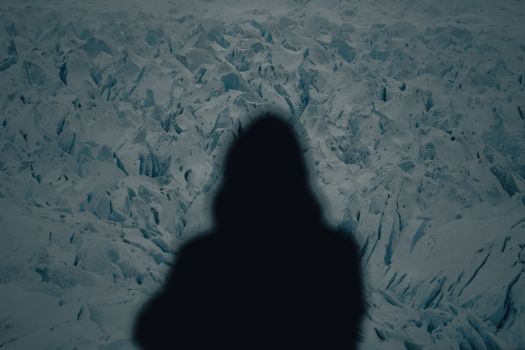
The crisp, biting air hit me first, stealing my breath and painting my eyelashes with a delicate frost. Stepping inside, however, was like walking into a dream. Walls shimmered with an otherworldly glow, intricate sculptures rose from the floor, and the silence… oh, the silence was profound, broken only by the soft crunch of my boots on the compacted snow. This wasn't just a hotel; it was an art gallery, a frozen cathedral, a testament to human ingenuity and a playground for the adventurous soul.
My first time in an ice hotel was, admittedly, tinged with a healthy dose of apprehension. Would I freeze? Would I sleep? Would I regret swapping my cozy, heated room for a sub-zero chamber carved from snow and ice? The answer, dear travelers, was a resounding, exhilarating "NO!" In fact, it was one of the most incredible, unforgettable experiences of my life, a true bucket-list triumph that I now evangelize to anyone who'll listen.
Forget what you think you know about "roughing it." Ice hotels are a marvel of engineering, art, and comfort (yes, comfort!) that offer a unique blend of adventure and serene beauty. They are, quite frankly, places you need to experience before you die. And I'm here to tell you exactly how to not just survive, but thrive in these frosty palaces.
The Frosty Reality: What Exactly is an Ice Hotel?
Let's clear up a few misconceptions right away. An ice hotel isn't just a giant igloo (though some do have igloo-style rooms). These are meticulously designed, often architecturally stunning structures, built almost entirely from snow and ice. They are temporary wonders, rising anew each winter, typically from December to April, before gracefully melting back into the earth as spring arrives. This ephemeral nature is part of their magic – each year brings a new design, new art, and a new story.
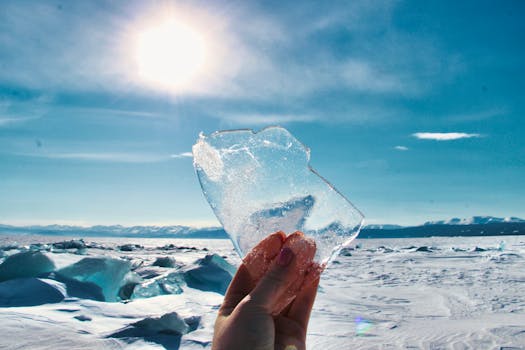
The "walls" are usually compressed snow, offering excellent insulation, while the "furniture" – beds, tables, art installations, even the bar – are sculpted from massive blocks of crystal-clear river ice. The temperature inside typically hovers around -5°C to -7°C (23°F to 19°F), regardless of how cold it is outside. Sounds bone-chilling, right? But here's the secret: that consistent, dry cold is surprisingly manageable when you're equipped with the right gear and mindset.
Think of it as an immersive art installation where you get to spend the night. Each suite is often a unique, hand-carved masterpiece, illuminated by soft, ethereal LED lighting that makes the ice glow with blues, whites, and purples. It’s an experience for all the senses, a silent symphony of light, texture, and crisp, clean air.
Sweden's Original Masterpiece: ICEHOTEL Jukkasjärvi
My first foray into the world of ice hotels took me to the legendary ICEHOTEL in Jukkasjärvi, Sweden. Nestled deep within Swedish Lapland, about 200 km north of the Arctic Circle, this is the original, the pioneer, the grand dame of ice hotels. And let me tell you, it lives up to its reputation.
The journey itself felt like an adventure. Flying into Kiruna, then a short, scenic drive through snow-laden forests, the anticipation built with every passing kilometer. Arriving at the ICEHOTEL complex, a collection of charming wooden buildings alongside the towering ice structure, felt like entering a different world.
Stepping into the main hall of the ICEHOTEL for the first time was genuinely breathtaking. Towering ice pillars, chandeliers made of ice, and an immense, shimmering main hall greeted me. It felt like walking into Elsa's palace from Frozen, but with a distinct, sophisticated Swedish design sensibility. The famous ICEBAR, where drinks are served in glasses made of ice (and yes, they keep your beverage wonderfully chilled!), was buzzing with a happy energy. I grabbed an Arctic Cloudberry Mojito and just soaked it all in, marveling at the sheer scale and artistry.
My "Art Suite" for the night was a fantastical creation – a whimsical forest scene carved into every surface, with ice-sculpted animals seemingly emerging from the walls. The bed, a solid block of ice, was topped with a thick mattress, reindeer hides, and, most importantly, an expedition-grade thermal sleeping bag designed for temperatures down to -25°C.
Here’s the drill: you check into a warm, comfortable changing room (often in an adjacent heated building) where you store your luggage. You only take your essentials into the ice room: toothbrush, phone, camera, and the clothes you'll wear to bed. My strategy was simple: thermal base layers, a lightweight fleece, and warm socks – not too many layers, as you don't want to sweat inside the sleeping bag. Once cocooned in that sleeping bag, I was surprisingly toasty. The cold air on my face was invigorating, and the silence was absolute. I slept remarkably well, dreaming of ice dragons and northern lights.
Waking up was a surreal experience. The first rays of morning light filtered through the ice, painting the room in soft hues. A hotel staff member gently woke us with a cup of hot lingonberry juice – a perfect, sweet-tart start to a frosty day. Then it was a quick dash back to the warm changing rooms for a hot shower and a hearty breakfast.
Practical Details for ICEHOTEL Jukkasjärvi:
- Location: Jukkasjärvi, Swedish Lapland. Easily accessible via Kiruna Airport (KRN).
- Operating Season: The original ICEHOTEL is rebuilt annually and open from December to April. ICEHOTEL 365 offers year-round ice experiences, powered by solar energy in the summer.
- Price: Expect to pay anywhere from €300 to €800+ per night for an ice room, depending on the type of suite and time of year. Warm rooms are also available on-site for those who want a taste of the ice experience without committing to a full night.
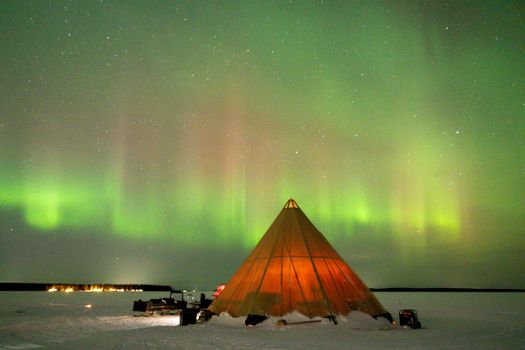
- Must-Do: The ICEBAR, dog sledding, snowmobiling, and chasing the Northern Lights (it's a prime location!).
North American Ice Palace: Hotel de Glace, Quebec City
Across the Atlantic, another incredible frozen marvel awaits: Hotel de Glace near Quebec City, Canada. This North American gem offers a distinct charm, blending European elegance with Canadian wilderness. My visit here felt like stepping into a fairytale castle, albeit one made entirely of ice.
Unlike ICEHOTEL, Hotel de Glace embraces a more whimsical, often themed approach to its design. When I visited, the theme was "rivers," and the sculptures depicted aquatic life and flowing waterways, all rendered in exquisite detail. The scale is impressive, with a grand hall, a chapel (yes, you can get married here!), an ice slide that's an absolute blast for all ages, and, of course, the stunning ice suites.
What struck me about Hotel de Glace was its integration with winter activities. Located just outside Quebec City, it's part of a larger resort complex, offering easy access to skiing, snow tubing, and other winter sports. After a day of exploring the charming, historic streets of Quebec City, retreating to the frosty grandeur of Hotel de Glace felt like a journey back in time, or perhaps into a Narnia-esque realm.
The sleeping experience is similar to ICEHOTEL: a comfortable mattress on an ice bed frame, topped with thermal sleeping bags. They also provide detailed instructions and offer a "Nordic relaxation area" with hot tubs and a sauna – perfect for warming up before or after your icy slumber. The ice slide, however, was my favorite part. Sliding down on a rubber mat, surrounded by glistening ice, felt like being a kid again.
Practical Details for Hotel de Glace:
- Location: Village Vacances Valcartier, Saint-Gabriel-de-Valcartier, near Quebec City, Quebec, Canada.
- Operating Season: Typically open from early January to late March, weather permitting.
- Price: Rooms generally range from CAD $250 to CAD $700+ per night, often including access to the Nordic spa and the ice slide.
- Must-Do: Take a ride on the ice slide, enjoy a cocktail at the ice bar, and explore the enchanting old town of Quebec City.
Beyond the Big Two: Other Icy Wonders & Honorable Mentions
While ICEHOTEL and Hotel de Glace are arguably the most famous, the world of ice hotels is growing, with unique options springing up in other cold-weather destinations. Each offers its own flavor of frosty magic:
- SnowVillage, Kittilä, Finland: This place is a marvel of themed design. During my visit, they had an incredible Game of Thrones theme, with ice sculptures of dragons, White Walkers, and the Iron Throne itself! It’s a fantastic option if you’re looking for something with a strong, immersive theme, and it often pairs well with Northern Lights hunting and Santa Claus Village visits.
- Kirkenes Snowhotel, Norway: Located in the far north of Norway, this hotel is part of a larger Arctic resort focusing on wildlife and adventure. Here, you can combine your ice hotel stay with king crab safaris, dog sledding, and reindeer feeding. The rooms are beautiful, and the surrounding landscape is pristine and wild.
- Balea Lac Ice Hotel, Făgăraș Mountains, Romania: For something truly off the beaten path, this hotel in the Carpathian Mountains is unique. Accessible only by cable car after the Transfăgărășan road closes for winter, it offers stunning mountain views and a more rustic, adventurous vibe. It’s often smaller and more intimate than its Scandinavian counterparts, but no less magical.
Each of these destinations offers a slightly different take on the ice hotel experience, proving that there's a frozen wonderland out there for every kind of adventurer.
Your Arctic Survival Guide: Thriving, Not Just Enduring
The phrase "ice hotel" often conjures images of shivering, chattering teeth, and a miserable night. Let me assure you, with the right preparation, it's anything but! Here’s my tried-and-tested guide to not just surviving, but truly thriving in your frozen palace:
- Layers, Layers, Layers (and Wool!): This is the golden rule of Arctic travel.
- Base Layer: Moisture-wicking thermal underwear (merino wool is king!) against your skin. Avoid cotton – it holds moisture and makes you cold.
- Mid-Layers: Fleece or wool sweaters/pants for insulation.
- Outer Layer: A waterproof and windproof jacket and pants. You’ll wear these during the day, but you might also want a very light, breathable layer to wear into your sleeping bag.
- Accessories: A warm hat (or two!), neck gaiter, waterproof gloves or mittens, and several pairs of thick wool socks.
- The Sleeping Bag Strategy:
- Less is More: This sounds counter-intuitive, but don't overdress inside your sleeping bag. A single layer of thermal underwear is usually perfect. Too many layers, and you'll sweat, which will make you cold.
- Empty Bladder: Trust me on this. A trip to the (heated) bathroom in the middle of the night is an adventure you want to avoid.
- Sleeping Bag Liner: A silk or fleece liner adds an extra layer of warmth and keeps the sleeping bag cleaner.
- Don't Zip Up Too Tight: Leave a small opening for fresh air, but make sure your head is well-covered with a hat.
- Charge Your Batteries (and Protect Them):
- Cold drains battery life incredibly fast. Keep your phone, camera, and power banks inside your jacket, close to your body, when not in use.
- Consider bringing extra batteries and a portable charger.
- Your camera lens might fog up when you move from cold to warm environments. Let it acclimate gradually, or keep it in a sealed bag.
- Embrace the Heat (and the Cold):
- Warm Changing Rooms: All ice hotels provide heated changing rooms and luggage storage. Use them! This is where you prepare for bed and warm up in the morning.
- Hot Drinks: Sip on hot chocolate, tea, or glögg (mulled wine) throughout the day.
- Sauna & Hot Tubs: Many ice hotels offer a sauna or outdoor hot tubs – an absolute luxury in the sub-zero temperatures. Don't miss this!
- Food & Drink:
- Enjoy a warm, hearty meal before bed.
- Experience the ice bar! It's part of the fun, and the drinks are surprisingly good, served in actual ice glasses. Just remember to grab a warm drink before you head to your room.
- Mindset is Key:
- Go in with an open mind and a sense of adventure. It's not just a hotel, it's an experience.
- Embrace the cold, the silence, the unique beauty. It's a chance to disconnect and truly appreciate nature and art.
- It's okay to feel a bit chilly, but you should never be painfully cold. If you are, head to the warm lounge areas.
Making it Happen: Booking, Budgeting & Best Time to Go
Ready to book your frozen adventure? Here’s what you need to know:
- When to Go: The prime season for ice hotels is typically December through April. The specific opening and closing dates depend on the weather conditions each year. Early winter (December/January) offers fresh, newly carved designs, while late winter (March/April) might offer slightly milder temperatures and longer daylight hours, potentially increasing your chances of seeing the Northern Lights.
- Booking: These are popular, unique accommodations, so book well in advance, especially if you have specific dates or want a particular art suite. Many travelers combine an ice hotel stay with other Arctic activities like dog sledding, snowmobiling, or Northern Lights tours, so consider booking a package.
- Cost: Let's be honest, an ice hotel stay is a splurge. Expect prices to be on the higher end, generally ranging from €200-€800+ per night for an ice room. Factors influencing price include the specific hotel, the type of suite (basic ice room vs. elaborate art suite), and the time of year. While it might seem steep, remember you're paying for an unparalleled experience, unique art, and incredible memories.
- Combine with Other Experiences: Most ice hotels are located in regions rich with winter activities. Don't just stay one night and leave! Extend your trip to include:
- Northern Lights Hunting: Many ice hotel locations are ideal for witnessing the aurora borealis.
- Dog Sledding/Reindeer Sledding: An iconic Arctic adventure.
- Snowmobiling: Explore the vast, snowy landscapes.
- Ice Fishing: Try your hand at a traditional winter pastime.
- Local Culture: Explore nearby towns and learn about indigenous cultures.
- Sustainability: It’s worth noting that many ice hotels are incredibly sustainable. They are built from natural elements and melt back into the rivers and ground in the spring, leaving minimal environmental footprint. Some, like ICEHOTEL 365, even use solar power to maintain their structure year-round.
The Ultimate Question: Is it Worth It?
Absolutely, unequivocally, 100% YES!
Staying in an ice hotel is more than just checking into a room; it’s an immersion. It’s an adventure that challenges your preconceived notions of comfort, rewards you with unparalleled beauty, and leaves you with stories you’ll tell for a lifetime. The hushed reverence of the ice chapel, the clinking of ice glasses at the bar, the intricate artistry illuminated by soft light, and the surprisingly peaceful sleep in a thermal cocoon – these are moments that etch themselves into your memory.
It’s an experience that forces you to slow down, to appreciate the raw power and delicate beauty of winter, and to marvel at what human creativity can achieve. It’s a chance to feel truly alive, to push your boundaries just a little, and to connect with nature in a way that few other accommodations can offer.
So, if you’re looking for a truly unique, breathtaking, and utterly unforgettable travel experience – one that will fill your Instagram feed with envy-inducing photos and your soul with wonder – then an ice hotel should be at the very top of your bucket list. Don't just survive it; embrace it, revel in it, and make memories that will warm you long after the ice has melted.
Have you ever dreamt of sleeping in a frozen palace? Which ice hotel is calling your name? Share your thoughts and questions in the comments below, and don't forget to share this guide with your fellow adventurers!
---