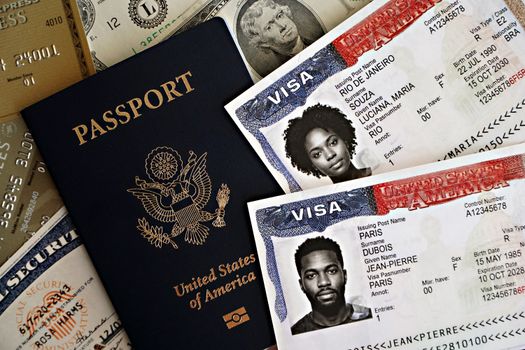
The Unexpected Bloom: How New Visa-Free Policies Are Reshaping Our Wanderlust
I stepped off the train in Kyoto, the crisp autumn air carrying the faint, sweet scent of incense from a nearby temple and the distant, rhythmic clang of a tram. The humidity of Tokyo had melted away, replaced by a refreshing coolness that whispered of ancient traditions and vibrant modernity. My passport, usually a source of anticipation and sometimes anxiety, felt lighter. I was here, breathing in the quiet elegance of Gion, ready to explore its geisha district and bamboo groves, all without the pre-trip scramble of visa applications. This feeling – this pure, unadulterated freedom to simply be in a new place – is becoming increasingly accessible, thanks to a wave of groundbreaking visa-free policies emerging this year.
For too long, the dream of spontaneous travel, the thrill of last-minute getaways, and the deep dive into diverse cultures have been hampered by bureaucratic hurdles. But the world is changing. Governments are recognizing the immense economic and cultural benefits of welcoming more travelers, and the result is a seismic shift in how we explore our planet. This isn't just about fewer stamps in your passport; it's about unlocking experiences, fostering understanding, and making the world a more accessible, interconnected place.
H2: The Global Shift: Why Visa-Free Policies Are Surging
The motivation behind these policy changes is multifaceted. Primarily, it's an economic engine. Tourism is a colossal industry, and removing visa barriers can significantly boost visitor numbers, leading to increased spending on accommodation, food, transport, and local crafts. Think about it: a traveler who might have been deterred by the time and cost of a visa application is now far more likely to book that flight.
Beyond economics, there's a growing understanding of soft power and cultural diplomacy. When people travel freely, they experience new cultures firsthand, breaking down stereotypes and fostering goodwill. This exchange of ideas and perspectives is invaluable in an increasingly globalized world. Furthermore, with the rise of remote work and digital nomadism, many countries are actively seeking to attract a skilled, international workforce, and visa-free or simplified entry policies are a crucial part of that strategy.
H3: Decoding the New Wave: Which Countries Are Leading the Charge?
While it's impossible to list every single adjustment, several key regions and countries are making significant strides in expanding visa-free access for a wider range of nationalities.
H3: Europe's Evolving Landscape: Beyond Schengen
The Schengen Area, long a dream destination for many, has historically had a complex visa system. However, there are rumblings and actual policy shifts that are making it easier for certain nationalities to enter.
- Western Balkan Integration: Countries like Albania and Bosnia and Herzegovina have been progressively easing visa requirements for many nationalities, including those from Asia and the Middle East. This opens up stunning, often overlooked, parts of Europe with rich history and breathtaking landscapes. Imagine exploring the ancient city of Mostar or the pristine beaches of the Albanian Riviera without the hassle.
- Eastern European Opportunities: Look towards countries like Georgia and Armenia. These nations have been champions of visa-free travel for years, offering incredible value and unique cultural experiences. Georgia, with its ancient wine regions and dramatic Caucasus Mountains, is a true gem. Armenia, a cradle of Christianity, boasts stunning monasteries and a warm, welcoming populace.
- The UK's Post-Brexit Adjustments: While not directly Schengen, the UK has also been reviewing its visa policies, particularly for short-stay tourism and business visits, looking to boost its own tourism sector. Keep an eye on announcements regarding specific country exemptions.
Pro-Tip: Always check the specific nationality requirements. "Visa-free" doesn't always mean for everyone. A quick search on the official immigration website of the country you're interested in is crucial.
H3: Asia's Open Doors: From Ancient Wonders to Modern Marvels
Asia is experiencing a significant surge in visa-free initiatives, driven by a desire to attract both leisure and business travelers.
- Southeast Asian Accessibility: Thailand and Malaysia have been leaders, often offering visa exemptions for short tourist stays for many nationalities. This year, we're seeing further refinements and potential extensions to these policies. Think of the bustling street food markets of Bangkok or the Petronas Towers in Kuala Lumpur, now more accessible than ever.
- Central Asian Exploration: Countries like Uzbekistan have made massive strides in recent years, opening up their Silk Road heritage to the world with extensive visa-free periods for numerous countries. The intricate tilework of Samarkand and the ancient city of Bukhara are now within easier reach for spontaneous adventurers.
- East Asian Openings: While Japan and South Korea have historically had strong visa-free agreements with many Western nations, there are ongoing discussions and occasional bilateral agreements that expand this access. Keep an eye on potential changes for specific passport holders.
Insider Language: When traveling in Southeast Asia, embrace the "wai" – the traditional Thai greeting – and the "terima kasih" in Malaysia. These small gestures go a long way and are part of the authentic experience these visa-free policies unlock.
H3: The Americas: Expanding Horizons
While many North and South American countries already have relatively open visa policies for many nationalities, there are subtle but significant expansions happening.
- South American Integration: Look at initiatives within the Mercosur bloc and beyond. Countries like Argentina, Brazil, and Chile often have reciprocal visa agreements that make travel between them seamless. There are also specific bilateral agreements being forged that can benefit travelers from less common origin countries.
- Caribbean Charms: Many Caribbean nations are actively working to attract longer stays and more diverse visitors, which can translate into extended visa-free periods or simplified entry for certain nationalities. Imagine island hopping with less paperwork!
Pro-Tip: For island nations, consider the "cruise to nowhere" loophole, where sometimes you can disembark for a day trip without a full visa, though this is becoming less common as countries streamline formal entry.
H3: Africa's Emerging Opportunities
Africa is a continent of immense diversity and untapped potential. Several nations are recognizing the power of visa-free policies to boost tourism and economic growth.
- Rwanda's Forward-Thinking Approach: Rwanda has been a pioneer, offering visa-on-arrival or visa-free entry for all nationalities. This forward-thinking policy has helped position it as a hub for business and tourism, particularly for gorilla trekking.
- West African Advancements: Countries within ECOWAS (Economic Community of West African States) often have reciprocal travel agreements. Beyond that, individual nations are making moves. Keep an eye on Senegal and Ghana, which are increasingly accessible.
Authenticity Check: When in Senegal, don't miss the Thieboudienne, a delicious national dish of fish and rice. The warmth of the people is as inviting as their cuisine.
H2: Navigating the New Reality: Your Pro-Tips for Visa-Free Travel
The thrill of visa-free travel is undeniable, but a little preparation goes a long way to ensure a smooth and enjoyable experience.
H3: Essential Documentation: More Than Just Your Passport
Even with visa-free access, you're not entirely off the hook. Always carry:
- A Valid Passport: Ensure it has at least six months of validity remaining beyond your intended stay.
- Proof of Onward or Return Travel: Airlines and immigration officials want to see you're not planning to overstay. A printed flight or bus ticket is your best friend.
- Proof of Sufficient Funds: While not always asked for, it's wise to have evidence you can support yourself during your stay (e.g., bank statements, credit cards).
- Travel Insurance: This is non-negotiable. It protects you from unexpected medical emergencies or trip cancellations.
- Accommodation Details: For your first few nights, having hotel bookings can be helpful.
Pro-Tip: Keep digital copies of all your important documents (passport, insurance, bookings) in a secure cloud service and on your phone.
H3: Understanding Entry Requirements (Beyond "Visa-Free")
"Visa-free" can mean different things:
- Visa Exemption: You can enter for a specific period (e.g., 30, 90, 180 days) without needing to apply for a visa beforehand.
- Visa on Arrival: You can obtain a visa at the port of entry, often for a fee.
- Electronic Travel Authorization (ETA) / e-Visa: While not strictly visa-free, these are often streamlined online processes that are much quicker than traditional visa applications. Some countries are transitioning to these from full visa exemptions.
Insider Language: Always confirm the exact duration of your visa-free stay. "Visa-free" doesn't mean "live there forever"!
H3: Embracing Spontaneity: The Art of the Last-Minute Trip
The beauty of these new policies is the ability to be spontaneous.
- Follow the Deals: Keep an eye on flight aggregator sites and airline newsletters. When you see a great deal to a visa-free destination, book it!
- Pack Smart: Invest in versatile clothing that can be layered and mixed and matched. A good carry-on bag can save you time and hassle.
- Learn Key Phrases: Even a few words of the local language can significantly enhance your interactions. "Hello," "Thank you," and "Excuse me" are golden.
Pro-Tip: For spontaneous trips, consider destinations with good public transport networks or where ride-sharing apps are prevalent, reducing the need for immediate local car rental arrangements.
H2: The Budget Traveler's Dream: Making Visa-Free Work for You
Visa-free policies often go hand-in-hand with destinations that offer incredible value for money.
H3: Quick Facts: Emerging Visa-Free Hotspots
| Destination | Estimated Daily Budget (USD) | Best Time to Visit | How to Get There | Visa Status (for many nationalities) | | :----------------- | :--------------------------- | :----------------- | :---------------------------------------------------------------------------- | :----------------------------------- | | Kyoto, Japan | $100 - $200 | Spring (Mar-May), Autumn (Sep-Nov) | Major international airports (KIX), Shinkansen bullet train from Tokyo. | Visa-free for ~60-90 days | | Tbilisi, Georgia | $50 - $100 | Spring (Apr-May), Autumn (Sep-Oct) | Tbilisi International Airport (TBS). Direct flights from Europe and Asia. | Visa-free for up to 1 year | | Bukhara, Uzbekistan | $40 - $80 | Spring (Apr-May), Autumn (Sep-Oct) | Bukhara International Airport (BHK). Train connections from Tashkent. | Visa-free for ~30 days (check specifics) | | Chiang Mai, Thailand | $50 - $90 | Cool Season (Nov-Feb) | Chiang Mai International Airport (CNX). Flights from Bangkok and other hubs. | Visa-free for ~30-45 days (check specifics) | | Kigali, Rwanda | $70 - $150 | Dry Seasons (Jun-Aug, Dec-Feb) | Kigali International Airport (KGL). Flights from major African and European hubs. | Visa-free for all nationalities (on arrival) |
Note: Budget estimates are for mid-range travel, excluding international flights. Always verify current visa policies and costs directly with official government sources.
H3: Smart Savings: Beyond the Visa Fee
- Embrace Local Cuisine: Street food and local markets are not only cheaper but also offer the most authentic flavors.
- Utilize Public Transport: Buses, trains, and trams are significantly more affordable than taxis.
- Stay in Guesthouses or Hostels: These offer a more intimate experience and often come with shared kitchens, allowing you to save on some meals.
- Travel in Shoulder Seasons: You’ll often find better prices on flights and accommodation, and fewer crowds.
Insider Language: Don't be afraid to haggle politely at local markets, but always know the reasonable price for an item. It's part of the cultural dance.
H2: The Future of Travel: More Connected, More Accessible
These emerging visa-free policies are more than just a convenience; they are a fundamental shift towards a more interconnected and accessible world. They empower us to explore, to learn, and to connect with people and cultures on a deeper level. As borders become more porous for genuine travelers, the world shrinks, and our understanding of it expands.
The scent of spices in a Marrakech souk, the sound of Fado in Lisbon, the feeling of the warm sun on your skin in a remote Thai village – these experiences are no longer distant dreams for a select few. They are becoming tangible realities, unlocked by a passport that feels more like a key and less like a barrier. So, where will your next spontaneous adventure take you? The world is waiting, and it’s more open than ever before.
---