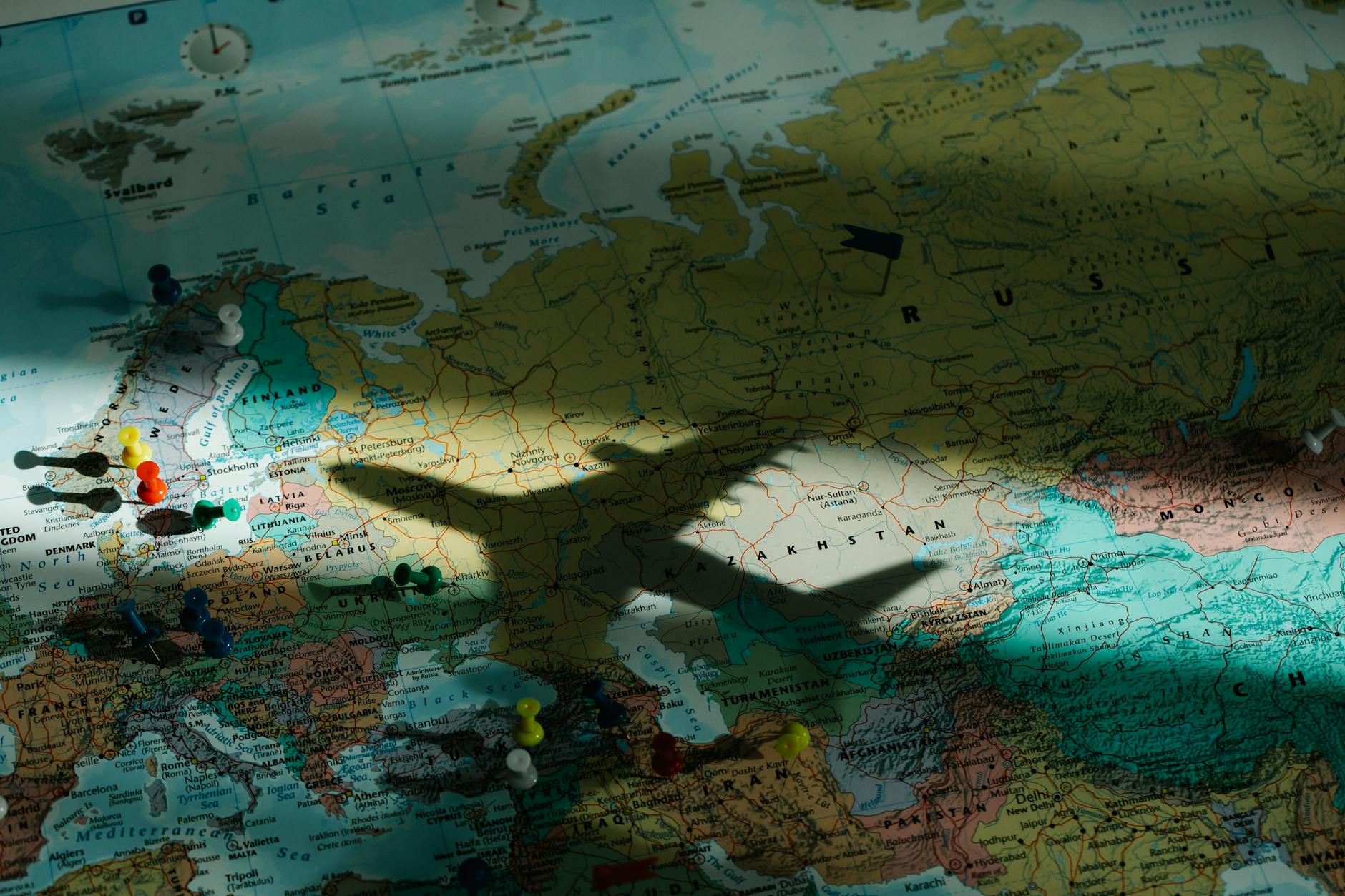
The Shift: How Geopolitics Redefines the World Map
I stepped off the train in Samarkand, expecting the suffocating bureaucracy I’d read about in decades-old travelogues—armed checkpoints, mandatory police registrations at every corner, and suspicious glares. Instead, I was greeted by the crisp air of the Zarafshan Valley, a modern high-speed rail terminal lit in soft ambient blue, and a smiling border officer who stamped my passport in under fourteen seconds before wishing me a "blessed journey through Uzbekistan."
For decades, the world’s most mesmerizing corners were locked behind civil wars, authoritarian opacity, or rampant street crime. But geopolitics is dynamic. When legislative reforms, peace accords, or anti-crime initiatives take root, the global safety index shifts rapidly.
Understanding political changes making previously dangerous places safe worth considering isn't just about geopolitics; it’s about timing. Travelers who recognize these structural shifts early get to experience world-class historical sites, pristine biomes, and raw cultural heritage before luxury resort chains and tour buses alter the local landscape.
Below are six globally recognized destinations that have transitioned from "do not travel" warnings to secure, high-reward paradises.
---
1. El Salvador: Central America’s Boldest Security Transformation
For nearly thirty years, El Salvador was synonymous with intense gang rivalries (MS-13 and Barrio 18) that crippled local tourism. However, sweeping government security policies initiated under the Plan Control Territorial starting in 2019 drastically reorganized the country's domestic safety landscape.
Homicide rates plummeted by over 90%, transforming El Salvador from one of the most violent nations on earth into one of the safest in the Western Hemisphere. Today, families gather in public squares well past midnight, and coastal communities thrive on international surf tourism.
``` [HISTORIC HIGH-CRIME ERA] │ ▼ (2019 territorial control reforms) [GANG POWER NEUTRALIZED] │ ▼ ┌────────────────┴────────────────┐ ▼ ▼ [El Zonte: Bitcoin Beach] [San Salvador Historic Center] (International Surf Hub) (Restored Colonial Squares & Cafés) ```
What to Experience Now
- Centro Histórico of San Salvador: Walk through the plaza surrounding the Catedral Metropolitana and the newly illuminated Palacio Nacional.
- Ruta de las Flores: A scenic mountain trail winding through towns like Juayúa and Apaneca, famous for weekend food festivals and coffee estates.
- El Zonte & El Tunco: World-class point breaks with modern infrastructure, high-speed Wi-Fi, and a thriving digital nomad community.
> Insider Pro-Tip: Visit the Iglesia El Rosario in San Salvador at precisely 3:00 PM. The afternoon light hits the modern stained-glass roof, flooding the concrete interior with a rainbow spectrum. Enter via the small south door—entrance is $2 USD.
---
2. Colombia (Caquetá & The Coffee Axis): Life Beyond the Peace Accords
When the historic 2016 Peace Agreement was signed between the Colombian government and the FARC (Revolutionary Armed Forces of Colombia), vast swathes of previously inaccessible wilderness suddenly opened up to eco-tourism.
Regions like Caquetá, once deep inside guerilla territory, are now managed by former combatants who have retrained as river raft guides, birding specialists, and mountain trekkers. Simultaneously, urban transformations—exemplified by Medellín’s Comuna 13—have turned former conflict zones into models of community resilience and public art.
``` 2016 FARC PEACE ACCORD │ ┌───────────────────────┴───────────────────────┐ ▼ ▼ [URBAN REINVENTION] [WILDERNESS ACCESS] Medellín Comuna 13 Caquetá Amazonian Basin
- Outdoor Escalator Networks - Canyoning & Whitewater Rafting
- Street Art & Hip-Hop Culture - Ex-Combatant Led Eco-Tours
```
What to Experience Now
- Rafting the Caguán River: Navigate whitewater rapids carved through dense Amazonian jungle, guided by locals who intimately know the terrain.
- Comuna 13 escalators in Medellín: Witness how urban planning (including public outdoor escalators and cable cars) reconnected isolated hillside neighborhoods to the city center.
> Insider Pro-Tip: In Medellín, skip the giant bus tours of Comuna 13. Take the Metrocable Line J to San Javier on your own around 8:00 AM, buy a petaquita of fresh passionfruit from the street vendor outside the station, and walk the art trail with a local community guide from Casa Kolacho.
---
3. Uzbekistan: Opening the Silk Road Empire
Under the rigid rule of Islam Karimov, Uzbekistan remained isolated, requiring tedious invitation letters, strict currency declarations, and mandatory hotel registration slips checked by state guards upon departure. Following the political transition in late 2016, President Shavkat Mirziyoyev instituted radical economic and political opening policies.
The country abolished visas for over 90 nationalities, launched the high-speed Afrosiyob bullet train, and dismantled police checkpoints on intercity highways.
``` 2016 LEGISLATIVE & VISA REFORMS │ ┌──────────────────────────┼──────────────────────────┐ ▼ ▼ ▼ [VISA-FREE ENTRY] [INFRASTRUCTURE REVOLUTION] [POLICE CHECKPOINTS] (90+ Nationalities) (Afrosiyob Bullet Train) (Dismantled) ```
Architectural Marvels & Ancient Cities
- Samarkand: Home to the Registan, a square framed by three massive, turquoise-tiled madrasahs dating back to the Timurid Empire.
- Bukhara: A living Silk Road oasis where you can walk through medieval trading domes preserved for over 500 years.
- Khiva: An open-air museum city protected by giant mud-brick walls (Ichan-Kala).
> Insider Pro-Tip: Train tickets for the high-speed Afrosiyob sell out weeks in advance. Download the Uzrailways app and book your seats precisely 45 days prior to your travel date at 00:01 Tashkent time to secure Business Class seats for under $25 USD.
---
4. Rwanda: Africa’s Safe, Eco-Forward Pioneer
The tragic events of 1994 left Rwanda broken, but thirty years of disciplined governance, anti-corruption enforcement, and community-driven initiatives like Umuganda (a monthly nation-wide public service day) have yielded remarkable stability.
Today, Rwanda ranks as one of the safest countries in Africa for solo travelers, women, and eco-tourists. The capital, Kigali, is recognized internationally for its cleanliness, lack of street crime, and organized transit networks.
``` POLITICAL & CIVIC REFORM │ ┌─────────────────────────────┴─────────────────────────────┐ ▼ ▼ [COMMUNITY INTEGRATION] [ECO-PRESERVATION FOCUS]
- Umuganda National Cleaning Days - Gorilla Conservation (Volcanoes NP)
- Zero-Tolerance Corruption - High-Value, Low-Impact Tourism
```
Premier Eco-Destinations
- Volcanoes National Park: Home to the endangered mountain gorillas along the Virunga Massif.
- Nyungwe Forest National Park: An ancient montane rainforest featuring a high-canopy walkway and thriving chimpanzee populations.
- Kigali: A vibrant city boasting specialty coffee shops (Question Coffee), contemporary art galleries (Inema Arts Center), and the moving Kigali Genocide Memorial.
> Insider Pro-Tip: Save hundreds of dollars on transport by using Kigali’s Tap&Go card system for city buses instead of private taxis. For local dining, head to the Nyamirambo district for Akabenz (marinated slow-cooked pork) at Green Corner.
---
5. Northern Ireland: A Quarter-Century of Modern Vibrancy
The signing of the Good Friday Agreement in 1998 brought an end to "The Troubles"—a three-decade conflict that restricted tourism across Northern Ireland. Over twenty-five years later, Belfast and the surrounding coastlines have undergone an immense transformation.
Belfast has evolved into a global culinary hub, a film production epicenter (Game of Thrones was filmed extensively here), and a maritime heritage center anchored by the Titanic Quarter.
Key Highlights
- Belfast’s Peace Walls & Murals: Take a Black Cab tour to understand the historical context of Falls Road and Shankill Road from drivers who lived through the era.
- The Causeway Coastal Route: Drive along dramatic cliffs to the Giant's Causeway, a UNESCO World Heritage site consisting of 40,000 interlocking basalt columns.
- Derry/Londonderry: Walk the fully intact 17th-century city walls overlooking modern cultural districts.
> Insider Pro-Tip: Skip the crowded afternoon tours at the Giant’s Causeway. Arrive at sunrise (around 6:00 AM in summer); entry to the stones themselves is free outside visitor center operating hours, and you will have the coastline entirely to yourself.
---
6. Sri Lanka’s Northern Province (Jaffna): Unveiling the Tamil Heartland
For nearly thirty years, Sri Lanka’s Northern Province was cut off from the rest of the island due to intense civil war. Following the conclusion of the conflict in 2009 and subsequent political reconciliation efforts, the government reopened the iconic Yal Devi express train line, linking Colombo directly to Jaffna.
This northern peninsula offers a completely different cultural experience from Sri Lanka's south—defined by vibrant Tamil Hindu culture, distinct cuisine, and untouched tropical islands.
``` 2009 CONFLICT CONCLUSION & RECONCILIATION │ ┌───────────────────────┴───────────────────────┐ ▼ ▼ [RAILWAY RESTRUCTURING] [CULTURAL UNLOCK] (Yal Devi Line Restored) (Tamil Hindu Heritage & Culinary) ```
Highlights of the North
- Nallur Kandaswamy Kovil: A massive Hindu temple complex featuring towering golden gopurams and intricate daily rituals.
- Delft Island (Neduntivu): A remote outpost home to wild horses descended from Portuguese colonial stock and centuries-old coral walls.
- Jaffna Fort: Built by the Dutch in 1665, offering expansive views over the shallow lagoons.
> Insider Pro-Tip: Sample authentic Jaffna Crab Curry prepared with local roasted curry powder and fresh mud crabs at Rio Ice Cream & Restaurant or Mangos. Pair it with fresh palmyra palm fruit (nongu).
---
Logistics & Budget Overview
Plan your itinerary using these benchmark logistics, costs, and transport options across all six destinations:
| Destination | Best Time to Visit | Est. Daily Budget (USD) | Primary Transport Method | Safety Level Index | | :--- | :--- | :--- | :--- | :--- | | El Salvador | Nov – April (Dry Season) | $50 – $110 | Rental Car / Local Buses | Very High (Urban & Coast) | | Colombia (Caquetá) | Dec – March | $35 – $75 | Guided 4x4 / Domestic Flights | Moderate-High (Guided) | | Uzbekistan | April–May / Sept–Oct | $40 – $90 | Afrosiyob High-Speed Train | Excellent | | Rwanda | June – Sept (Dry Season) | $80 – $250+ | Public Express Buses / Taxis | Excellent | | Northern Ireland | May – September | $110 – $220 | Northern Ireland Railways / Rental | Excellent | | Jaffna, Sri Lanka | May – September | $30 – $65 | Yal Devi Express / Scooter | High |
---
Framework: How to Evaluate Emerging Safe Destinations
Before booking a flight to any region undergoing political changes making previously dangerous places safe worth considering, follow this four-step safety validation process:
- Cross-Reference Consular Advisories: Look beyond high-level state department warnings (which update slowly). Check specific regional maps provided by the UK Foreign, Commonwealth & Development Office (FCDO) or Canada’s Travel Advice.
- Track Local Infrastructure Investments: When governments deploy passenger rail, airport expansions, and national digital transit cards, safety investment almost always precedes it.
- Connect with On-the-Ground expat & Nomad Hubs: Look up recent local posts on travel platforms or local community networks to get real-time reports on night safety, street walking, and police interactions.
- Hire Local Cultural Guides: Working with local guides ensures your tourism spending directly benefits the communities sustaining peace efforts.
---