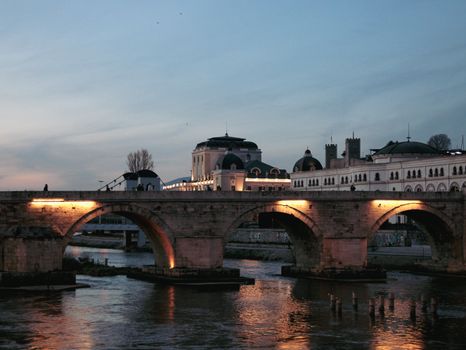
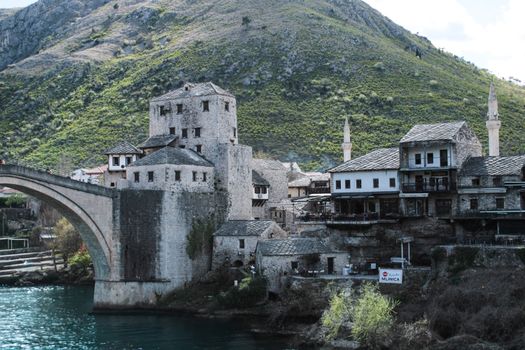
The scent hit me first – a heady mix of roasting coffee, sweet pastries, and something subtly floral, carried on a breeze that felt impossibly fresh. I stepped off the train in Mostar, Bosnia and Herzegovina, not with trepidation, but with a profound sense of curiosity. The iconic Stari Most, the Old Bridge, arched gracefully over the emerald Neretva River, just as it had for centuries, yet the air around it felt different. It wasn't the silence of absence, but the murmur of life – laughter from a nearby cafe, the rhythmic tap of a craftsman’s hammer, the distant call to prayer. This was a place rebuilding, not just its physical structures, but its spirit, and it was utterly captivating.
For years, headlines painted a stark picture of regions grappling with the aftermath of conflict. But beneath the surface, a quiet revolution has been brewing. Driven by resilience, a thirst for peace, and a burgeoning desire for connection, these destinations are not just surviving; they are thriving. Recent data points to a significant stabilization in several areas, making them ripe for exploration by intrepid travelers seeking authentic experiences and contributing to their ongoing recovery.
The New Dawn: Unpacking the Data on Stabilizing Regions
It's easy to dismiss places with a recent history of conflict as off-limits. However, a deeper dive into geopolitical stability indices, economic recovery reports, and tourism growth figures reveals a more nuanced and inspiring reality. Organizations like the World Bank and the UN Development Programme consistently track progress in post-conflict nations, and their data shows a clear upward trend in safety and infrastructure development. This isn't about ignoring the past; it's about acknowledging the present and supporting a brighter future.
Beyond the Headlines: What Does Stabilization Really Mean for Travelers?
Stabilization, in this context, means several things:
- Increased Safety and Security: Reduced levels of overt conflict, improved law enforcement presence, and a general sense of security for locals and visitors alike.
- Rebuilt Infrastructure: Roads are being repaired, public transport is becoming more reliable, and essential services like electricity and water are more consistent.
- Economic Rebound: Local businesses are reopening, new ventures are emerging, and there's a growing sense of economic optimism. Tourism plays a crucial role in this.
- Cultural Renaissance: As communities heal, their unique cultural traditions, arts, and cuisines are being celebrated and revitalized.
This is your chance to be part of a positive narrative, to witness firsthand the power of human resilience, and to experience a destination before it becomes the next mainstream hotspot.
Spotlight on Resilience: Emerging Destinations to Explore
Based on recent data and on-the-ground observations, here are a few regions that exemplify this inspiring trend:
1. The Balkans: A Tapestry of History and Hope
My journey in Mostar was just the beginning of an exploration across the Western Balkans. Countries like Bosnia and Herzegovina, Albania, and Kosovo, while bearing the scars of the 1990s conflicts, are now vibrant hubs of culture, history, and surprisingly affordable adventure.
Bosnia and Herzegovina: More Than Just the Bridge
Mostar, with its UNESCO-listed Old Bridge, is a must-see. But delve deeper. Wander through the cobblestone streets of the Old Town, where Ottoman-era mosques stand alongside Austro-Hungarian architecture. The Kujundžiluk, the old bazaar, is alive with artisans selling copperware and intricate carpets.
- Pro-Tip: Visit the War Childhood Museum in Sarajevo. It's a profoundly moving and essential experience, offering a child's perspective on the siege.
- Insider's Note: Don't miss the local ćevapi (grilled minced meat) from a small, unassuming spot. The flavor is unparalleled.
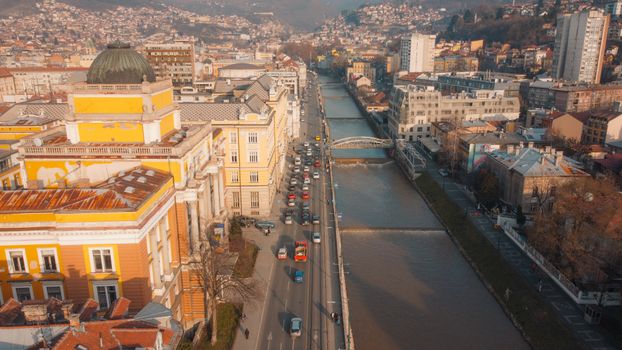
- Beyond Mostar: Explore Sarajevo’s resilient spirit, hike in the Dinaric Alps, or discover the historic city of Travnik.
Albania: The Adriatic's Undiscovered Gem
Albania has transformed from a reclusive state to a surprisingly popular tourist destination. Its coastline, often compared to the Greek islands but far less crowded, boasts crystal-clear waters and charming seaside towns.
- Pro-Tip: Head to the Albanian Riviera for stunning beaches like Dhërmi and Jale. Visit during the shoulder seasons (May-June, September-October) for perfect weather and fewer crowds.
- Authenticity: Explore the ancient ruins of Butrint, a UNESCO World Heritage site showcasing centuries of Greek, Roman, and Venetian influence.
- Budget-Friendly: Albania offers incredible value for money, from accommodation to delicious, fresh seafood.
2. Colombia: From Conflict to Coffee Culture
Colombia’s transformation over the past two decades is nothing short of remarkable. Once synonymous with drug cartels and conflict, it has emerged as a safe, vibrant, and incredibly diverse destination, celebrated for its warm people, stunning landscapes, and world-class coffee.
Medellín: The City of Eternal Spring
Medellín, once notorious, is now a beacon of urban regeneration. The Comuna 13 neighborhood, a symbol of past struggles, has become a testament to community-driven transformation, with vibrant street art, cable car rides offering panoramic views, and a palpable sense of hope.
- Pro-Tip: Take the Metrocable up to Parque Arví for a breath of fresh mountain air and stunning city vistas.
- Insider's Flavor: Indulge in a bandeja paisa, a hearty platter of beans, rice, plantains, avocado, and various meats. It’s a true taste of the region.
- Safety Data: Official statistics show a dramatic decrease in crime rates over the past 15 years, making it one of South America's safest major cities.
The Coffee Region (Eje Cafetero)
Beyond the cities, the rolling hills of the Coffee Region offer a tranquil escape. Visit a working coffee finca (farm) to learn about the bean-to-cup process and savor some of the world's finest coffee.
- Authenticity: Stay in a traditional hacienda for an immersive experience.
- Must-See: The towering wax palms in the Cocora Valley are an otherworldly sight.
3. Rwanda: The Land of a Thousand Hills and a Thousand Smiles
Rwanda, tragically known for the 1994 genocide, has undertaken an extraordinary journey of healing and development. It's now one of Africa's safest and cleanest countries, a testament to its people's resilience and forward-thinking leadership.
Gorilla Trekking: A Unique Conservation Success Story
The Volcanoes National Park offers the unparalleled opportunity to trek and observe mountain gorillas in their natural habitat. This experience is not only breathtaking but also directly contributes to conservation efforts and local economies.
- Pro-Tip: Book your gorilla trekking permits well in advance, as they are limited. The best time to visit is during the dry seasons (June-August and December-February).
- Ethical Tourism: Your permit fees are vital for protecting gorillas and supporting local communities.
- Insider's Experience: The trek can be challenging, but the reward of seeing a gorilla family up close is indescribable. Guides are incredibly knowledgeable and passionate.
Beyond the Gorillas
Explore the vibrant capital, Kigali, with its excellent museums (like the Kigali Genocide Memorial) and burgeoning culinary scene. Visit Lake Kivu for stunning scenery and water activities.
- Data Point: Rwanda consistently ranks high on global safety and tourism indices, demonstrating its successful recovery.
The Budget & Logistics: Making Your Stabilizing Region Trip a Reality
Traveling to these regions is often more budget-friendly than traditional Western destinations, and the logistical challenges have significantly decreased.
Quick Facts Table
| Destination | Estimated Daily Budget (USD) | Best Time to Visit | How to Get There | | :---------------------- | :--------------------------- | :----------------------------------------------- | :------------------------------------------------------------------------------------------ | | Bosnia & Herzegovina | $50 - $80 | April-June, September-October | Major international airports in Sarajevo (SJJ) and Tuzla (TZL). Bus and train connections within the Balkans. | | Albania | $40 - $70 | May-June, September-October | International airports in Tirana (TIA). Ferry services from Italy and Greece. | | Colombia | $60 - $100 | December-March (dry season), July-August (dry season) | Major international airports in Bogotá (BOG), Medellín (MDE), Cartagena (CTG). Extensive domestic flight network. | | Rwanda | $150 - $250 (excluding permits) | June-August, December-February | International airport in Kigali (KGL). Limited direct flights; often connects via Nairobi, Addis Ababa, or Doha. |
Note: Daily budgets are estimates and can vary based on accommodation choices, dining preferences, and activities. Gorilla trekking permits in Rwanda are a significant additional cost ($1500 USD per person).
Navigating Your Journey
- Visas: Research visa requirements for your nationality well in advance. Many of these countries offer visa-free entry for short tourist stays.
- Currency: Local currencies are generally stable. Credit cards are accepted in major hotels and restaurants, but carrying cash is advisable for smaller establishments and markets.
- Language: English is increasingly spoken in tourist areas, but learning a few basic phrases in the local language (Serbian/Croatian/Bosnian, Albanian, Spanish, Kinyarwanda) will be greatly appreciated.
- Connectivity: Wi-Fi is widely available in hotels and cafes. Consider purchasing a local SIM card for more affordable data.
The Power of Your Presence: Travel with Purpose
When you choose to visit regions that are rebuilding, you're doing more than just sightseeing. You are:
- Supporting Local Economies: Your spending directly benefits local businesses, artisans, and communities.
- Fostering Cultural Exchange: You become an ambassador for peace and understanding, challenging stereotypes with your firsthand experiences.
- Contributing to Lasting Peace: By demonstrating that these regions are safe and welcoming, you encourage further investment and development.
A Call to Adventure: Embrace the Uncharted
The world is vast, and its stories are still being written. The regions stabilizing after decades of conflict offer some of the most profound and rewarding travel experiences available today. They are places where the past is acknowledged but the future is embraced with open arms.
So, pack your bags, open your mind, and get ready to discover a world reborn. These are not just destinations; they are testaments to the enduring human spirit. And you have the chance to be a part of their incredible ongoing story.
---