Crush Time Zones! Your Ultimate Remote Work Hacks for November 2025
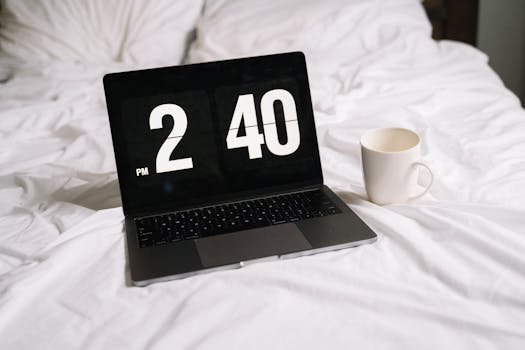
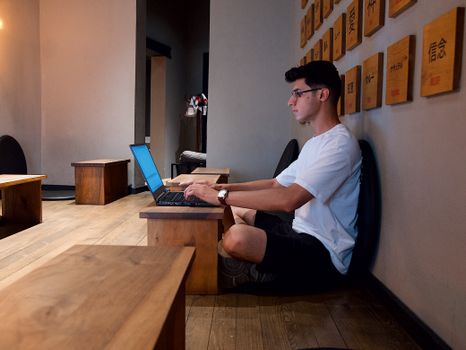
There I was, in a charming co-working space overlooking the bustling streets of Medellín, Colombia, at 2 AM local time. My eyes were burning, a lukewarm coffee sat neglected beside my laptop, and I was desperately trying to make sense of a spreadsheet while my East Coast team was just starting their workday. "This," I thought, "is not the dream." It was November 2022, and my initial foray into truly global remote work was, to put it mildly, a disaster. I was trying to force my body into a schedule that defied all logic, and my productivity (and sanity) were paying the price.
Fast forward to November 2025. I’m writing this from a sun-drenched terrace in Faro, Portugal, the gentle Atlantic breeze a stark contrast to the tropical humidity of my past struggles. My team is scattered across three continents, yet our projects flow seamlessly. My meetings are during daylight hours, my sleep is uninterrupted, and I actually have time to explore the stunning Algarve coastline before the tourist rush. What changed? I cracked the code. I stopped fighting time zones and started mastering them.
If you’re a remote worker eyeing a global adventure, or even just looking to optimize your work-life balance while working across different time zones from your home base, this guide is for you. November 2025 is an incredible time to embrace this lifestyle – with shoulder season deals, pleasant weather in many desirable locations, and the pre-holiday buzz creating unique opportunities. Let’s dive into how you can make it your most productive and fulfilling month yet.
1. The Anchor Hour Strategy: Pinpointing Your Productivity Sweet Spot
The biggest mistake I made in Medellín was trying to be "available" for everyone, all the time. That’s a recipe for burnout. The first, most crucial step to conquering time zones is identifying your non-negotiable "anchor hours." These are the 2-4 hours when you absolutely must be online and available for real-time collaboration, meetings, or critical tasks that require immediate input from your team.
How to Implement for November 2025:
- Identify Core Team Hours: Sit down with your team or manager and clearly define when most critical decisions, meetings, or synchronous work happens. For example, if your core team is on EST (GMT-5) and works 9 AM - 5 PM, their peak collaboration might be 10 AM - 2 PM EST.
- Strategize Your Location: Once you know your anchor hours, choose a location that allows you to align these with your natural working rhythm without sacrificing sleep.
- Example: If your team's anchor is 10 AM - 2 PM EST (GMT-5):
- Lisbon, Portugal (GMT+0): 10 AM EST is 3 PM in Lisbon. 2 PM EST is 7 PM in Lisbon. This gives you a comfortable afternoon/early evening work window, leaving your mornings free for exploration or focused deep work.
- Mexico City, Mexico (GMT-6): 10 AM EST is 9 AM in Mexico City. 2 PM EST is 1 PM in Mexico City. Perfect for a standard morning workday.
- Cape Town, South Africa (GMT+2): 10 AM EST is 5 PM in Cape Town. 2 PM EST is 9 PM in Cape Town. This means a late afternoon/evening shift, but still manageable if you're an evening person.
- Tool Up: Apps like Every Time Zone (free online tool) or World Clock Widget (on your phone/desktop) are your best friends. Create a dashboard showing your anchor hours and the corresponding times in your potential destinations. This visual aid is invaluable.
Personal Anecdote: My first few months trying to work from Southeast Asia with an East Coast US team were brutal. I was either waking up at 4 AM or working until midnight. It wasn't until I truly embraced the anchor hour strategy and chose locations like Lisbon (GMT+0) and the Canary Islands (GMT+0) that I found my rhythm. Now, my "late" meetings usually wrap up by 7 PM, leaving me plenty of time for dinner and a good night's sleep.
2. The Power of Asynchronous Work: Communicate Smarter, Not Harder
Once your anchor hours are set, the rest of your workday should lean heavily into asynchronous communication. This is where true global freedom lies. Asynchronous work means you complete tasks and communicate updates without requiring immediate, real-time responses. It's about empowering your team to work independently and trust that information will be shared effectively.
Actionable Tips for November 2025:
- Over-Communicate (The Right Way): When you're offline, provide clear, concise updates on your progress, roadblocks, and next steps. Use project management tools like Asana, Trello, or Monday.com religiously.
- Embrace Video Messages: For complex explanations or personal touches, use tools like Loom or Vidyard to record short video updates. This saves countless back-and-forth emails and ensures your tone is conveyed correctly. "Hey team, just recorded a quick 5-min update on the Q4 marketing strategy. Let me know your thoughts when you're online!"
- Set Clear Expectations: In your email signature or Slack status, clearly state your working hours and when you'll be checking messages. "Online: 1 PM - 8 PM GMT+0. For urgent matters outside these hours, please contact [Colleague Name]."
- Document Everything: Create a knowledge base using tools like Notion or Confluence. Detailed documentation reduces the need for real-time questions and speeds up onboarding for new team members.
- Batch Your Communications: Instead of sending sporadic messages, batch your non-urgent communications to send during your team's active hours. This prevents them from being overwhelmed by notifications at odd times.
Personal Anecdote: I remember being in a tiny beach bungalow in Taghazout, Morocco, in November 2023. My US team was 5 hours behind. Instead of trying to catch every Slack message, I'd record daily Loom updates on my project progress, outlining any questions I had. By the time they started their day, they had a clear overview, and I could wake up to their thoughtful responses, ready to tackle the next steps. It transformed my productivity and significantly reduced stress.
3. Strategic Location Choices: Where to Go in November 2025
November is a sweet spot for many destinations, offering pleasant weather and fewer crowds before the December holiday rush. Your choice of location should always align with your anchor hours and personal preferences for climate, cost, and culture.
Top Picks for November 2025 (with Time Zone Considerations):
- For US East Coast (EST/GMT-5) Overlap:
- Lisbon, Portugal (GMT+0): With 5 hours difference, 10 AM EST is 3 PM in Lisbon. Perfect for a leisurely morning, productive afternoon, and early evening wrap-up. November is shoulder season, meaning mild weather (10-18°C/50-65°F), fewer tourists, and potentially better deals on flights and accommodation. Co-working spaces like Second Home Lisboa or Avila Spaces offer reliable internet for €150-€250/month.
- Canary Islands, Spain (GMT+0): Similar time zone benefits to Portugal, but with warmer, more consistent weather (18-24°C/65-75°F). Gran Canaria or Tenerife offer beautiful beaches and a relaxed vibe. Prices for accommodation can be slightly higher than mainland Spain but generally affordable.
- Medellín, Colombia (GMT-5): No time difference! If you want to stay perfectly aligned, Medellín offers "eternal spring" weather (22-28°C/72-82°F), a vibrant culture, and incredibly affordable living. Co-working spaces like Selina Medellín are popular with nomads, usually around $100-$150/month.
- For US West Coast (PST/GMT-8) Overlap:
- Mexico City, Mexico (GMT-6): Only 2 hours ahead of PST, making for a very manageable overlap. Mexico City in November is typically dry and pleasant (15-22°C/60-72°F). It's a cultural hub with excellent food and co-working options like WeWork or local spots for around $150-$250/month.
- Buenos Aires, Argentina (GMT-3): 5 hours ahead of PST. A late start for PST colleagues means a late finish for you, but perfectly doable if you're a night owl. November is spring in Buenos Aires, with beautiful jacaranda blooms and pleasant weather (18-25°C/65-77°F). Co-working is plentiful and affordable, usually $100-$200/month.
- For Europe/Asia/Australia Overlap:
- Chiang Mai, Thailand (GMT+7): Ideal for those with teams in Australia or even late-night calls with Europe. November marks the end of the rainy season and the beginning of the cool, dry season, making it perfect for exploring (20-30°C/68-86°F). Extremely budget-friendly living and co-working spaces like Punspace (around $100/month).
- Bali, Indonesia (GMT+8): Similar to Chiang Mai, great for Australian overlap. November is still part of the dry season, offering warm, sunny days (25-32°C/77-90°F). Canggu and Ubud are digital nomad hotspots with countless cafes and co-working spaces like Dojo Bali (around $150/month).
- Cape Town, South Africa (GMT+2): A fantastic option for European teams (1-2 hour difference). November is the start of summer in Cape Town, with stunning beaches and outdoor activities. Co-working spaces are abundant, usually $150-$250/month.
Practical Tip: Always double-check Daylight Saving Time (DST) changes for November 2025. Many countries in Europe and North America "fall back" in late October/early November, which can shift your time zone difference by an hour!
4. Mastering Your Circadian Rhythm: Jet Lag & Sleep Strategies
No matter how perfectly you plan your anchor hours, travel across multiple time zones will inevitably mess with your internal clock. Managing jet lag and maintaining consistent sleep is paramount for sustained productivity and well-being.
Essential Hacks for November 2025:
- Pre-emptive Adjustment: A few days before you fly, start shifting your sleep schedule by an hour or two towards your destination's time zone.
- Immediate Immersion: As soon as you land, set your watch to local time and try to operate on that schedule. Eat meals at local times, expose yourself to natural light during the day, and avoid naps longer than 20-30 minutes.
- Light Therapy: Natural light is your best friend. Spend mornings outdoors in your new location. If needed, consider a portable light therapy lamp for darker mornings to signal to your body that it's daytime.
- Melatonin (Wisely): A low dose of melatonin (0.5mg-3mg) taken about 30 minutes before your desired bedtime for the first few nights can help reset your sleep cycle. Consult a doctor first.
- Hydration & Movement: Dehydration exacerbates jet lag. Drink plenty of water before, during, and after your flight. Gentle exercise or a walk upon arrival can also help your body adjust.
- The "Power Down" Ritual: Establish a consistent pre-sleep routine in your new location. This might be reading, journaling, or a warm shower – anything that signals to your body it’s time to wind down.
Personal Anecdote: My first trip to Tokyo was a blur of 3 AM awakenings and feeling perpetually "off." I learned my lesson. When I flew from Lisbon to Buenos Aires (a 3-hour time difference that felt surprisingly tough), I started adjusting my sleep a week before. Upon arrival, I forced myself to stay awake until 9 PM, had a light dinner, and took a small melatonin. The next morning, I was up early, walked to a local café for breakfast, and felt surprisingly refreshed. It made all the difference.
5. Tech & Tools: Your Digital Nomad Arsenal
Reliable technology is the backbone of any remote worker's success, especially when juggling time zones. Don't skimp on these essentials.
Must-Have Gear & Apps for November 2025:
- Reliable Internet: This is non-negotiable. Always check internet speeds and reliability reviews for your accommodation and co-working spaces before booking. Consider portable Wi-Fi devices or local SIM cards/eSIMs (like Airalo or Holafly) as backups.
- Noise-Canceling Headphones: A lifesaver for focused work in bustling cafes or shared spaces. My Sony WH-1000XM5 are my constant companions.
- World Clock Apps: As mentioned, Every Time Zone or integrated desktop widgets are crucial for quick time zone checks.
- Scheduling Tools: Calendly or Acuity Scheduling allow colleagues to book meetings during your pre-set available slots, eliminating endless back-and-forth emails. Set your availability based on your anchor hours.
- VPN: Essential for security on public Wi-Fi and accessing geo-restricted content. NordVPN or ExpressVPN are popular choices.
- Portable Monitor: A game-changer for productivity. My Arzopa portable monitor (around $150-$200) easily fits in my backpack and transforms any small desk into a dual-screen setup.
- Power Adapters/Converters: Research the plug types for your destination beforehand. A universal adapter with USB-C ports is a smart investment.
Personal Anecdote: I once made the mistake of relying solely on hotel Wi-Fi in a remote part of Northern Thailand. The internet cut out during a critical client presentation. Never again! Now, I always have an eSIM with a hefty data plan as a backup, and I scout co-working spaces with redundant internet connections. Investing in a good setup saves you from countless headaches.
6. The Social & Mental Game: Sustaining Connection & Well-being
While time zone hacks focus on productivity, it’s equally important to consider the social and mental aspects of working across distances. Loneliness, isolation, and feeling disconnected from your team are real challenges.
Strategies for a Balanced November 2025:
- Scheduled Social Calls: Beyond work meetings, schedule casual "coffee chats" with colleagues. Even a 15-minute video call can help maintain camaraderie.
- Find Your Tribe: Seek out local digital nomad communities. Apps like Meetup or Facebook groups for "Digital Nomads [City Name]" are excellent resources. Connecting with people who understand your lifestyle can combat isolation.
- Set Boundaries: Be firm about your non-working hours. Just because your team is starting their day doesn't mean you have to respond to non-urgent messages at 11 PM. Protect your personal time fiercely.
- Embrace Local Culture: Actively participate in your new environment. Join a language exchange, take a cooking class, or simply frequent a local café. These connections ground you and enrich your experience.
- Prioritize Self-Care: Whether it's morning yoga on the beach, a hike in the mountains, or simply enjoying a good book, schedule dedicated "me time" that isn't tied to your work or your team's schedule.
Personal Anecdote: In my early nomadic days, I often felt guilty taking time off when my team was working. This led to perpetual exhaustion. In November 2024, I was working from a small town in rural Spain. I made a conscious effort to join local hiking groups and attend evening flamenco shows. This not only helped me adjust to the local rhythm but also reminded me why I chose this lifestyle – for the freedom and the enriching experiences beyond the laptop screen. My team understood, and my well-being improved dramatically.
7. The November 2025 Advantage: Seasonal & Event-Specific Hacks
November isn't just a random month; it comes with its own unique set of opportunities for the savvy remote worker.
Leverage November to Your Advantage:
- Shoulder Season Deals: As mentioned, many popular destinations are in their shoulder season. This means fewer crowds, pleasant weather, and often better prices on flights, accommodation, and activities. Book your flights and stays in early 2025 to snag the best deals for November.
- Pre-Holiday Quiet: For those with US-based teams, the week of Thanksgiving (late November) can often be a quieter period. This is a fantastic time for deep work, tackling big projects without constant interruptions, or even taking a short, focused "work-cation."
- Black Friday for Gear: Black Friday and Cyber Monday (late November) are excellent times to upgrade your remote work gear – think new noise-canceling headphones, a portable monitor, or a more comfortable travel mouse. Keep an eye on deals from major retailers.
- Early Winter Markets: In Europe, some Christmas markets start popping up in late November. Imagine wrapping up your workday and strolling through a charming market with mulled wine! This adds a magical, Instagram-worthy element to your remote work experience.
Personal Anecdote: Last November, I used the Thanksgiving week lull to fly from Portugal to Berlin. While my US colleagues were enjoying their holiday, I had four days of incredibly focused work in a cozy café, followed by evenings exploring the city's nascent Christmas markets. It was the perfect blend of productivity and festive exploration, giving me a head start on Q1 planning while everyone else was winding down.
Embrace the Global Office
Working across time zones doesn't have to be a battle against the clock. With the right strategies, tools, and mindset, November 2025 can be your most empowering and productive month yet. It’s about being intentional, communicating effectively, and prioritizing your well-being alongside your work. The world is your office – it’s time to truly make it work for you.
So, where will you be crushing time zones from in November 2025? Will it be a sun-drenched café in Lisbon, a vibrant co-working space in Medellín, or a tranquil beach hut in Bali?
Share your best time zone hacks and dream remote work locations in the comments below! Don't forget to tag #TripsoraTimeHacks on Instagram with your global office views!
---