Traditional healing systems are part of the cultural heritage of many communities, and some practitioners welcome visitors who want to learn about their traditions. Travelers may be curious about herbal knowledge, ritual practices or the role of healers in local life. At the same time, these visits raise important questions about consent, honesty and health. This guide is general information rather than medical advice. It explains how to approach traditional healing as a cultural experience, how to assess practitioners and when to prioritize conventional medical care.
Understanding traditional healing
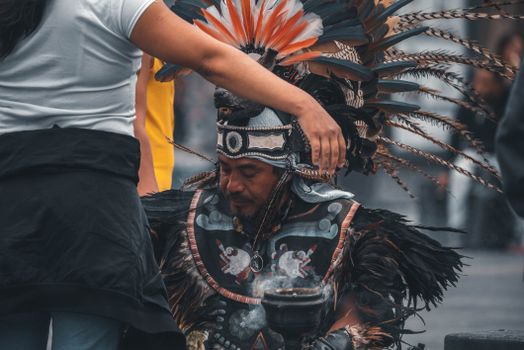
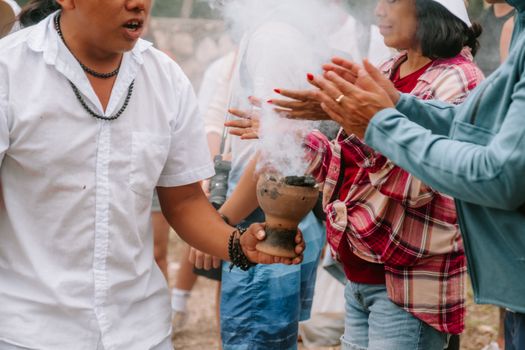
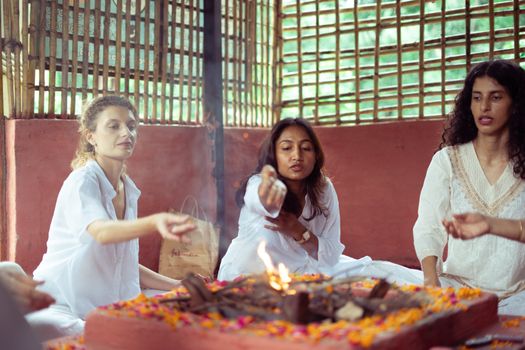
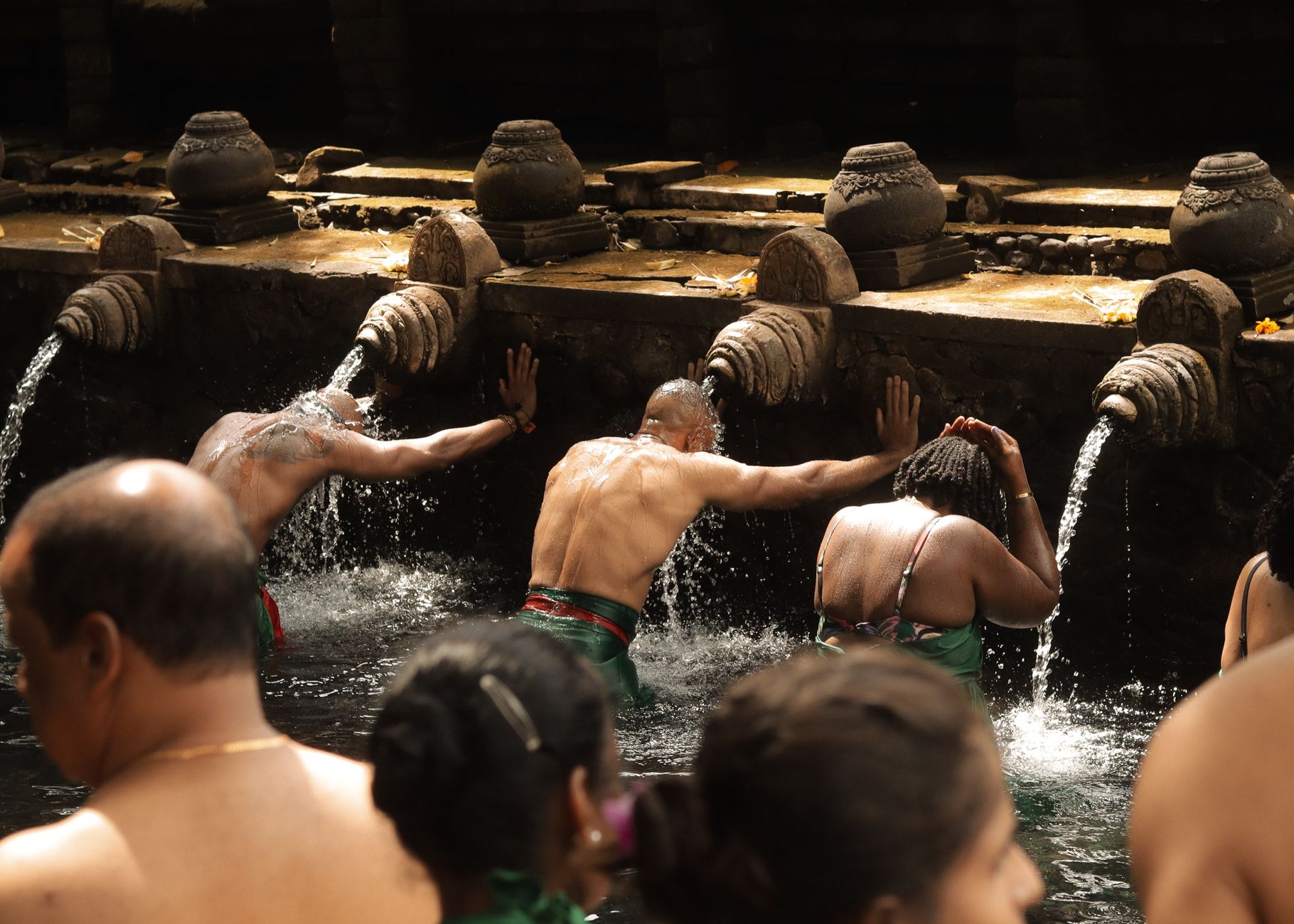
Traditional healing encompasses a wide range of practices, including herbal remedies, spiritual or ritual methods, bone-setting and community-based care. These systems often reflect long-standing knowledge about plants, the body and social relationships. In many communities, healers are respected members of their families and villages, and their role may extend beyond physical health.
Traditions differ widely, and terms that outsiders use may not match local understanding. Approaching with humility and a willingness to listen is more productive than assuming a single definition.
Assessing practitioners ethically
Ethical practitioners are transparent about their background, training and what they offer. They explain what they can and cannot do, avoid making promises of cure and do not pressure visitors to pay for additional services. Ask whether the practitioner is recognized by a local association or health authority, and whether they refer patients to clinics when needed.
Be cautious of anyone who discourages you from seeing a doctor, asks for large upfront payments, requests personal financial information or offers guaranteed results. These are warning signs regardless of cultural context.
Health, safety and medical care
Traditional healing is not a replacement for diagnosis or treatment of serious conditions. Some herbal preparations can interact with prescription medicines, cause allergic reactions or contain contaminants. Procedures involving needles, cuts or unsterilized tools carry infection risks. Before any visit, speak with a physician, especially if you have a chronic condition, are pregnant or take regular medication.
Keep your conventional medical records and medication list with you. If you become unwell, seek emergency care promptly rather than waiting for a traditional remedy to take effect.
Consent, privacy and cultural respect
You have the right to understand what will happen during a visit, to decline any part of it and to leave at any time. Ask whether photography or recording is permitted, and respect the answer. Some rituals are private or restricted to community members, and some healers may ask visitors to dress or behave in particular ways. Follow their guidance and do not treat sacred practices as entertainment.
Avoid sharing personal health details publicly without permission, and be mindful that social media posts can affect a healer's reputation or community standing.
Making the visit meaningful
Many travelers find the most valuable part of these encounters is learning about the history, plants and social role of healing in a community. Visiting a cultural museum, a community health center or a local market with herbal vendors can offer context before you meet a practitioner. Consider asking open questions about the tradition rather than seeking a personal treatment.
Respectful conversation, a small thank-you gesture and clear communication about expectations help build a positive relationship.
Practical tips
Verify that any visit is arranged through reputable channels, such as a community organization, a cultural center or a recommendation from a trusted local source. Carry a list of medications, allergies and emergency contacts. Confirm the cost in writing, and keep receipts. Check travel health information for the destination and consider travel insurance that covers medical care.
Know where the nearest hospital or clinic is located, and save the local emergency number. If something feels wrong, leave and seek help.
Common mistakes to avoid
A common error is treating a visit as a diagnosis, expecting a practitioner to identify the cause of a symptom in a single session. Many traditional systems focus on general wellbeing or cultural meaning rather than precise medical testing. Another mistake is delaying care for a worrying symptom while waiting for a remedy to work. Travelers also sometimes take herbal preparations home without asking about ingredients or checking whether they interact with other medicines. Keep labels and ask a pharmacist or doctor before combining anything with prescribed treatment. Expecting an instant result is another misunderstanding, as healing traditions often describe change over time. Finally, treating the visit mainly as a performance for photographs or social media can damage trust and misrepresent the tradition to others.
Who this suits and who it doesn't
Traditional healing visits can suit curious learners who want to understand a community's knowledge of plants, rituals and social roles, and who see the experience as a complement to qualified care. Visitors who listen well and ask open questions often gain the most from these encounters. The visits are less suitable for people with urgent symptoms, serious chronic conditions that need regular monitoring, or anyone seeking a replacement for medical treatment. Those who expect guaranteed outcomes may also find the experience disappointing, since no responsible practitioner can promise results. If you have a health concern, start with a conventional clinician and consider a traditional visit only as a separate, cultural experience. Those who go with an open mind and a clear sense of their own health needs are generally better placed to benefit from the conversation.
Quick questions
Can a traditional healer replace your doctor? No. A healer may offer cultural insight or complementary support, but serious conditions still need qualified medical assessment and treatment.
Should you stop prescribed medication during a visit? Do not stop or change prescribed medicines without advice from your prescriber. Bring a current medication list to any consultation.
What should you do with remedies you are given? Keep the original labels, ask about ingredients, and check with a pharmacist or doctor before taking them alongside other medicines.
Traditional healing visits can be a meaningful part of cultural travel when they are approached with care, honesty and respect. They work best as learning experiences that complement, rather than replace, qualified medical care. Verify practitioners, protect your health and treat the community's traditions with dignity, and you will be far better placed to gain understanding from the encounter.