The Moment Las Ramblas Lost Its Magic
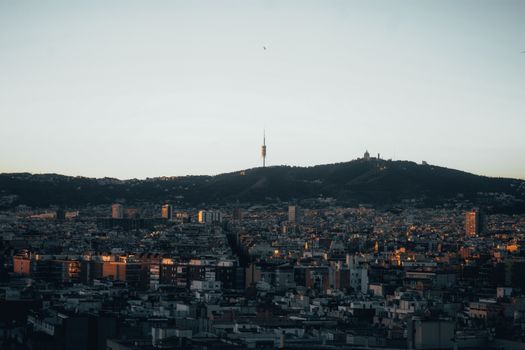
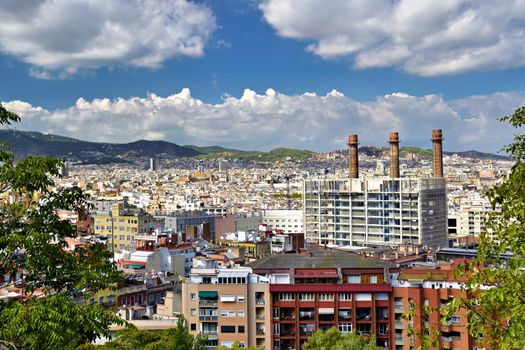
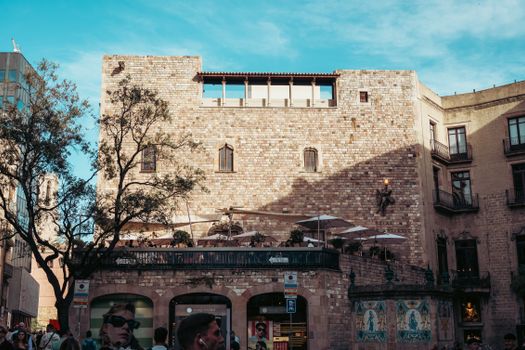
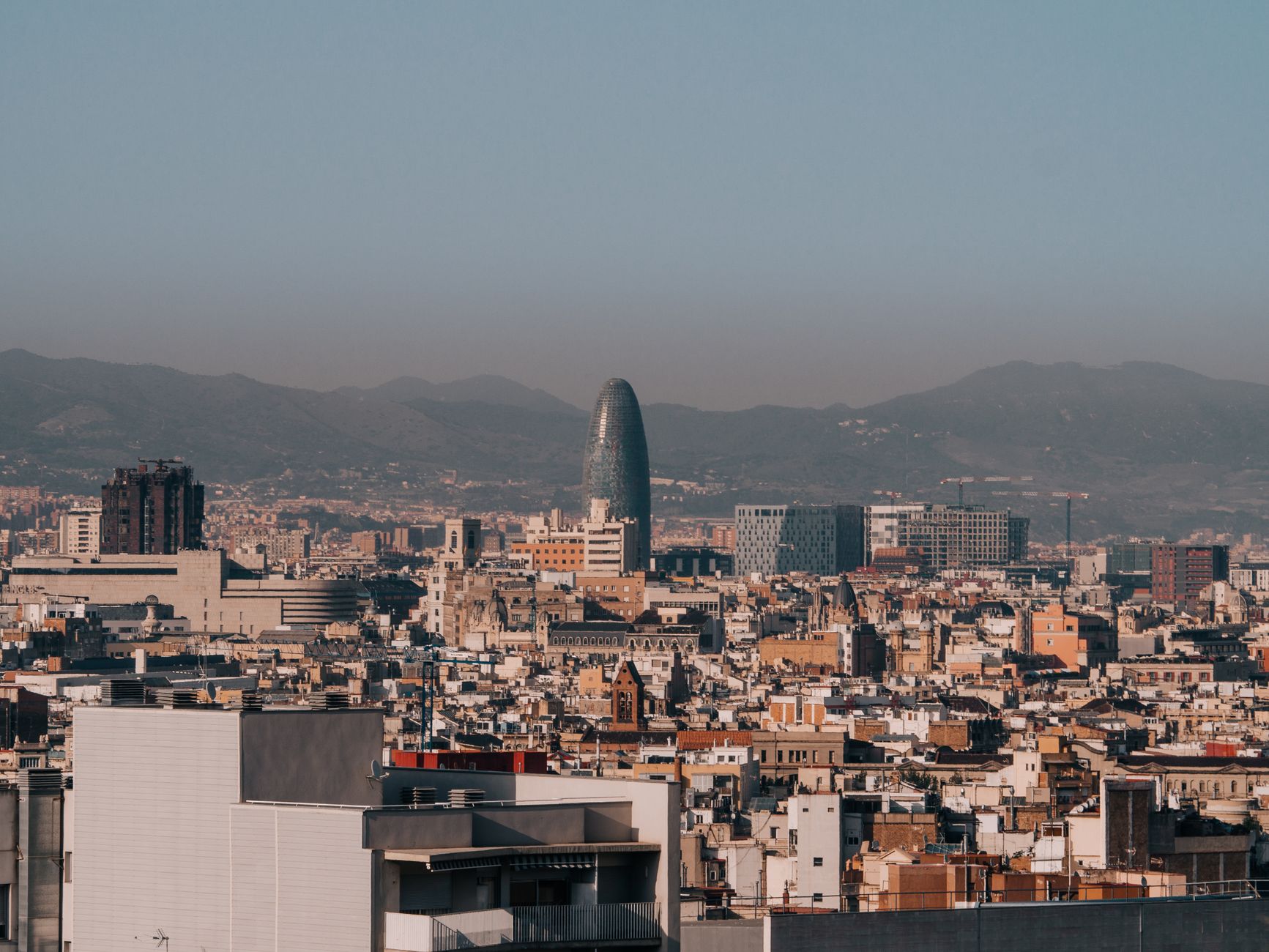
I stepped off the morning train at Barcelona’s Estació de França three summers ago, greeted not by the intoxicating romance of the Mediterranean, but by a wall of selfie sticks, bullhorns, and the pungent smell of stale beer baking under a 95-degree heatwave. As a travel journalist, I’ve spent two decades falling in love with Spain's coastal titan. But let’s be honest: Barcelona is suffocating under its own success. With cruise ships dumping thousands of day-trippers onto the Gothic Quarter daily and local residents protesting short-term rentals, the city feels less like a living urban canvas and more like a congested theme park.
Yet, that electric energy Barcelona perfected in the 1990s—that magical intersection of radical modern architecture, golden ocean light, late-night tapas bars, and avant-garde art—hasn't vanished from the continent. It has simply migrated.
Urbanists, hospitality insiders, and seasoned travel writers are shifting their focus to a new class of European and Mediterranean destinations. These metropolises offer rich history, thriving culinary revolutions, dynamic nightlife, and easy beach access, all while maintaining their authentic local soul.
If you want the soul, sand, and sanctuary without the Disney-level queues, here are the top underrated cities becoming the next Barcelona that experts are aggressively recommending right now.
---
1. Valencia, Spain: The Solar-Powered Twin
``` VALENCIA AT A GLANCE +-----------------------+-----------------------------------------------+ | Vibe | Sun-drenched, futuristic, bike-friendly | | Key Neighborhood | Ruzafa (Bohemian/Artistic) | | Signature Dish | Authentic Paella Valenciana (Rabbit & Snail) | | Daily Budget | $90 – $140 USD | +-----------------------+-----------------------------------------------+ ```
If any city holds the natural right to inherit Barcelona's crown, it is Valencia. Located just two hours south along the Mediterranean coast, Valencia shares Barcelona's sunny climate, sandy urban shores, and Catalan-adjacent heritage. Yet, it operates at a far more human, civilized pace.
The Architectural Marvels
Where Barcelona has Antoni Gaudí’s Sagrada Família, Valencia counters with Santiago Calatrava’s jaw-dropping City of Arts and Sciences (Ciutat de les Arts i les Ciències). Walking through this complex at dawn feels like stepping onto a sci-fi film set suspended over turquoise basins of water. Contrast this futuristic design with the Barrio del Carmen, a labyrinth of medieval alleys where 15th-century city gates (Torres de Serranos) still bear the scars of historic cannonballs.
Culinary Evolution
Do not order paella in Barcelona; come to its birthplace. True Paella Valenciana isn't loaded with frozen seafood; it is a delicate masterpiece of bomba rice, green beans, rabbit, chicken, and snails, cooked over open orange-wood fires until the bottom forms a crispy caramelization known as socarrat.
- Pro-Tip: Skip the waterfront tourist traps along Malvarrosa Beach. Head into the grid of the Ruzafa neighborhood to Mercat de Russafa, buy fresh figs and artisanal cheeses, then grab lunch at Casa Carmela—book your table three weeks in advance and request a outdoor table facing the wood stoves.
- Logistics: High-speed AVE trains run directly from Madrid (1 hour 45 minutes) and Barcelona (3 hours). The entire city is flat and interconnected by the Turia Gardens—a lush 9-kilometer green park built inside a drained riverbed that cuts directly through the city center.
---
2. Porto, Portugal: Granite Hills, Natural Wine, and Atlantic Soul
While Lisbon catches the lion's share of international hype, Porto is quietly quietly engineering one of the most exciting cultural resurgences in Western Europe. Positioned where the Douro River empties into the rough Atlantic Ocean, Porto mirrors Barcelona's steep urban topography and gritty, creative edge.
``` PORTO AT A GLANCE +-----------------------+-----------------------------------------------+ | Vibe | Moody, artistic, gastronomically obsessed | | Key Neighborhood | Cedofeita (Design district) | | Signature Drink | Low-intervention Douro Valley Natural Wine | | Daily Budget | $80 – $130 USD | +-----------------------+-----------------------------------------------+ ```
The Visual Palette
Porto’s charm lies in its raw texture. Buildings wrapped in hand-painted blue ceramic tiles (azulejos) cascade down granite cliffs toward the wrought-iron Dom Luís I Bridge—designed by a student of Gustave Eiffel. The city smells of charred sardines, damp moss, and barrel-aged tawny port wine drifting across the river from the cellars of Vila Nova de Gaia.
The Cultural Revolution
Porto isn't just a museum of maritime history; it's a living design lab. The Serralves Museum of Contemporary Art, set within minimalist art-deco gardens, anchors a thriving art community. Meanwhile, young Portuguese chefs are reinventing heavy traditional dishes into light, Atlantic-forward masterpieces.
- Pro-Tip: Instead of joining the 2-hour line outside the hyper-commercialized Livraria Lello bookstore, walk 10 minutes north to Museu do Soares dos Reis, Portugal's oldest public museum, featuring quiet interior courtyards and masterworks of 19th-century Portuguese sculpture.
- Insider Food Stop: Skip the tourist-trap Francesinha sandwiches along the Ribeira boardwalk. Walk up the steep incline to Taberna dos Mercadores for salt-crusted seabass lit on fire at your table with aguardente spirit.
---
3. Izmir, Turkey: The Aegean Maverick
``` IZMIR AT A GLANCE +-----------------------+-----------------------------------------------+ | Vibe | Liberal, coastal, culinary powerhouse | | Key Neighborhood | Alsancak (Bustling pedestrian hub) | | Local Specialty | Boyoz (Tahini-rich flaky pastry) & Kumru | | Daily Budget | $50 – $90 USD | +-----------------------+-----------------------------------------------+ ```
If you took Barcelona’s laid-back beach vibe, combined it with Rome’s ancient ruins, and infused it with the intense culinary heritage of the Middle East, you would get Izmir. Turkey's third-largest city sits on a crescent-shaped bay along the Aegean Sea and has historically been the country's most secular, progressive, and outward-looking urban center.
The Energy of the Kordon
The heartbeat of Izmir is the Kordon—a sprawling, grassy promenade stretching miles along the sparkling Gulf of Izmir. At dusk, thousands of locals gather on the grass with blankets, seed-crusted simit bread, and chilled bottles of Aegean white wine to watch the sun sink behind the Anatolian mountains.
Ancient Markets and Modern Gastronomy
At the core of the city lies Kemeraltı Market, a sprawling, 400-year-old bazaar that lacks the aggressive tourist pitch of Istanbul's Grand Bazaar. Here, artisans hammer copper, craft custom leather goods, and brew Turkish coffee on hot sand beds inside restored Ottoman caravanserais (han).
- Pro-Tip: Locate the tiny, unmarked entryway to Kızlarağası Hanı inside the market. Climb the stone stairwell to the second floor to find quiet antique dealers smoking aromatic tea away from the market floor noise.
- Culinary Secret: Try Boyoz, a flaky, unleavened pastry brought to Izmir by Sephardic Jewish immigrants in the 15th century. Get it fresh at Alsancak Dostlar Fırını, paired with a hard-boiled egg dusted with black pepper.
---
4. Tbilisi, Georgia: The Eurasian Bohemian Capital
It might lack a salt-water shoreline, but Tbilisi is currently pulling in the exact same demographic of digital nomads, underground artists, and avant-garde architects that built Barcelona’s cool-factor in the late 1990s. Set along the dramatic valley of the Mtkvari River, Tbilisi is a breathtaking clash of ancient Silk Road history and radical contemporary design.
``` TBILISI AT A GLANCE +-----------------------+-----------------------------------------------+ | Vibe | Avant-garde, romantic, electric nightlife | | Key Neighborhood | Sololaki (19th-century merchant mansions) | | Essential Experience | 8,000-year-old Amber Wine & Sulfur Baths | | Daily Budget | $45 – $80 USD | +-----------------------+-----------------------------------------------+ ```
Brutalism Meets Carved Wood
Tbilisi’s architecture defies easy explanation. Ornate 19th-century European mansions with crumbling, hand-painted wooden balconies sit directly alongside Soviet-era Brutalist monuments and ultra-modern glass pedestrian bridges. Crowning the ridge above is the 4th-century Narikala Fortress, illuminated every night like a sentinel over the city.
The World's Best Underground Scene
Tbilisi is home to Bassiani, a techno club housed inside the subterranean vaults of a former Soviet swimming pool beneath a football stadium. It is widely considered by international music critics to be the spiritual successor to Berlin's Berghain and Barcelona’s Sonar Festival.
- Pro-Tip: Skip the public sulfur baths in the Abanotubani district. Instead, book a private room at Gulo’s Thermal Spa two days in advance. Order a pot of herbal mountain tea and request a traditional kishe (exfoliating scrub) under the brick dome.
- Wine Culture: Georgia is the birthland of wine, with an unbroken 8,000-year tradition of fermenting grapes with their skins inside underground clay vessels called qvevri. Visit Vino Underground in Sololaki to sample skin-contact natural amber wines crafted by small micro-vintners.
---
5. Trieste, Italy: The Grand Seaside Secret
Positioned on a narrow strip of Italian land pinched between the Adriatic Sea and the Slovenian border, Trieste was once the principal seaport of the mighty Austro-Hungarian Empire. The result? A grand, aristocratic city that combines Italian seaside passion with Viennese grandeur and Slavic literary grit.
``` TRIESTE AT A GLANCE +-----------------------+-----------------------------------------------+ | Vibe | Intellectual, seaside elegance, aristocratic | | Key Neighborhood | Borgo Teresiano (Neoclassical canal district) | | Drink Order | A "Capo in B" (Mini espresso macchiato in glass)| | Daily Budget | $100 – $160 USD | +-----------------------+-----------------------------------------------+ ```
The Piazza on the Sea
Barcelona has the Mediterranean, but Trieste has the Piazza Unità d'Italia—the largest sea-facing public square in Europe. Flanked on three sides by massive, gleaming white neoclassical palaces, the square opens directly onto the deep blue waters of the Gulf of Trieste. When the Bora—a ferocious katabatic wind—sweeps off the limestone karsts, the air becomes intensely clear and crisp.
The Coffee House Culture
Trieste is the coffee capital of Italy (it’s where the global giant Illy was founded and operates its headquarters). James Joyce, Rainer Maria Rilke, and Sigmund Freud all spent years living here, typing out masterworks inside historic, gilded coffee houses like Caffè San Marco and Caffè Tommaseo.
- Pro-Tip: Take the scenic Rilke Trail (Sentiero Rilke), a dramatic cliffside footpath that winds high above the Adriatic along white limestone cliffs, connecting the village of Duino to Sistiana Bay.
- How to Get There: Direct regional trains connect Trieste to Venice's Santa Lucia station in under two hours, making it an easy escape from Venice’s suffocating tourist traffic.
---
How These Contenders Compare
To help you decide which alternative fits your travel personality, our editorial team scored these cities across five key metrics compared to Barcelona:
| City | Crowd Density (1=Low, 10=High) | Value for Money (1=Poor, 10=Exceptional) | Culinary Scene | Nightlife & Culture | Direct Access to Water | | :--- | :--- | :--- | :--- | :--- | :--- | | Barcelona (Baseline) | 9.5 | 4.0 | Exceptional | World-Class | Direct Beach Access | | Valencia | 5.5 | 8.0 | Legendary | Dynamic | Direct Beach Access | | Porto | 6.5 | 7.5 | Incredible | Bohemian | River & Atlantic Ocean | | Izmir | 3.0 | 9.5 | World-Class | Lively | Aegean Promenade | | Tbilisi | 4.0 | 9.0 | Unrivaled | Underground Elite | River Valley | | Trieste | 3.5 | 7.0 | Unique Fusion | Refined | Adriatic Sea |
---
The Verdict: How to Travel Better in 2025
The era of mindlessly ticking off top-tier European capitals is over. Travel experts are no longer recommending Barcelona to clients who want to discover the dynamic heart of Europe; they are steering them toward cities where tourism still exists alongside authentic community life.
Whether you want the solar-powered coastal cycling of Valencia, the gritty artistic spirit of Porto, the Aegean flavors of Izmir, the raw bohemian romance of Tbilisi, or the seaside literary history of Trieste, these cities offer something far more valuable than a canned tourist photo: the thrill of genuine discovery.
Pack your bags now—before the rest of the world catches on.
---