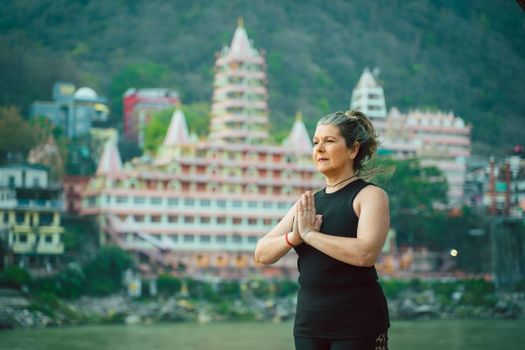
Bali has become one of the best-known destinations for yoga retreats, with a wide range of studios, resorts, and teachers. Its popularity means that it can be crowded, and some travelers look for alternatives with different landscapes, traditions, and approaches. Many countries have long-standing yoga cultures or serene settings suited to retreat travel. Choosing well depends on understanding what you want from the experience, how to assess the teachers and facilities, and how to plan logistics and costs without relying on claims alone.
Rishikesh and the Himalayan foothills in India
Rishikesh in northern India is often described as a center of yoga, with ashrams, schools, and studios along the Ganges River. It sits at the foothills of the Himalayas, and its riverside setting, temples, and walking routes attract visitors seeking structured practice. Programs range from short courses to longer teacher trainings. The city can be busy and noisy in places, so many retreats are located a short distance away. Check the season carefully, since monsoon weather affects both travel and river conditions.
Kerala and southern India
Kerala in southern India offers backwater landscapes, Ayurvedic traditions, and quieter coastal retreat centers. Many programs combine yoga with meditation, diet guidance, and walks. Ayurvedic treatments are widely available, but their suitability depends on your health, and you should seek medical advice before undertaking any intensive therapy. Travel within Kerala can be slower than expected, so plan transfers carefully.
Sri Lanka's southern coast and hill country
Sri Lanka offers coastal retreats along its southern and western shores, as well as quieter options in the hill country. Yoga and meditation programs are often combined with beach time, local food, and visits to nearby temples or nature reserves. Coastal conditions change with the monsoon seasons, so check local weather and wave conditions when planning. Many retreats are small, which can suit travelers who prefer a personal atmosphere.
Costa Rica and Central America
Costa Rica is known for its protected natural areas, and many retreat centers are built around forests, beaches, or volcanic landscapes. Programs may include yoga, surfing, hiking, or wildlife viewing. Because wildlife and weather vary across the country, check the location of each retreat and the transport needed to reach it. Travel insurance coverage for adventure activities is worth confirming.
Morocco and the Mediterranean
Morocco offers retreats in coastal towns, mountain villages, and desert edges. Some programs combine yoga with cooking classes, walks through markets, and visits to historic cities. Accommodation can range from simple guesthouses to restored riads. Dress codes and local customs apply outside the retreat, and visitors should be respectful in towns and villages. Some destinations in the Mediterranean, including parts of Greece and Portugal, also host retreats with coastal or rural settings.
Assessing teachers, programs and value
Look for clear information about the teacher's training, experience, and lineage, and check whether the retreat is registered with a recognized body or has verifiable credentials. Registration standards and terminology vary, so ask for specifics. Read the daily schedule, meal arrangements, and any medical or fitness requirements. Be cautious of programs that promise dramatic transformation or guaranteed outcomes. Compare the total cost, including accommodation, meals, transfers and any extra treatments, and check cancellation and refund policies in writing.
Consider your own health and experience as well. Tell the organizers about injuries, pregnancy, or medical conditions, and make sure the program offers modifications. Beginners may prefer retreats with gentler schedules and clear explanations.
Practical tips
- Check the season for each destination, since monsoon periods can affect travel and conditions.
- Ask about teacher training, experience and any recognized registration, and request details in writing.
- Compare total costs, including transfers, meals and optional treatments.
- Confirm cancellation terms and what happens if the retreat is changed or cancelled.
- Tell organizers about any injuries or medical conditions before booking.
- Check travel insurance coverage for the activities and location.
Common mistakes to avoid
A frequent error is choosing a retreat on the strength of photographs alone, which rarely show the daily schedule, the noise level or the quality of teaching. Another is assuming that a single retreat will be suitable for every level, when some programs expect considerable flexibility and experience. Many travelers do not check how much free time is included, and then feel overscheduled once early starts and group sessions begin. Others book a long transfer to a remote centre without estimating the travel time from the airport. Some people also expect a retreat to replace their regular practice at home, which can leave them frustrated when the benefits fade on return. Thinking about what you will continue after the retreat helps you pick a program that complements your routine.
Who this suits and who it doesn't
Yoga retreats can suit people who already practise and want an immersive period of focused study, as well as beginners who appreciate gentle structure and clear explanations. Solo travelers often enjoy the group setting, and many programs welcome people who want to meet others with similar interests. They may be less suitable for travelers who need complete solitude, quiet evenings or a fast-paced itinerary of sightseeing. People with medical conditions that require supervised care should discuss their needs with a clinician and the organizers before booking. Those who are uncomfortable with communal living, shared meals or strict dietary routines may find a shorter, more flexible program easier to manage.
Frequently asked questions
Do I need previous experience to join a yoga retreat? It depends on the program. Some retreats are designed for beginners, while others expect regular practice. Read the level descriptions carefully and ask the organizers if you are unsure.
Does a teacher's certificate guarantee quality? Not on its own. Registration standards and terminology vary between bodies and countries. Ask about the teacher's experience, training and references, and check the details yourself.
What about dietary requirements? Many retreats provide vegetarian or special meals, but options differ. Tell the organizers about any dietary needs or allergies before you book so they can confirm what is possible.
Yoga retreats beyond Bali offer a wide variety of landscapes, traditions and styles, from Himalayan foothills to coastal and mountain settings. The best choice depends on your experience, budget, and interest in the cultural and natural surroundings. Careful checking of teachers, schedules and terms will help you find a retreat that supports your practice and suits your needs.