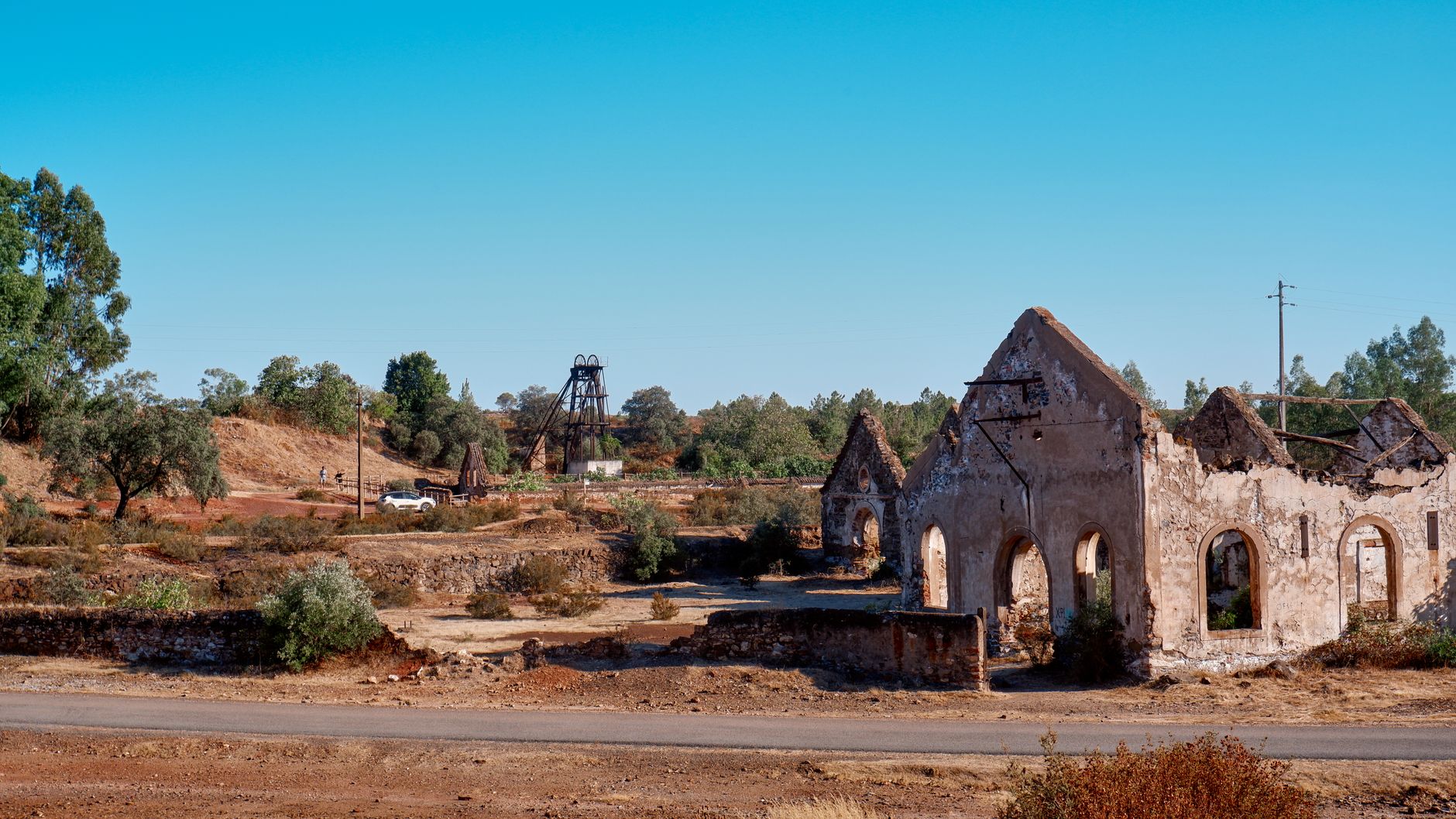
Beyond the Filter: Unearthing the World's Most Stunning Abandoned Places Influencers Don't Want You To Know
I remember scrolling through my feed, a familiar pang of travel envy hitting me. Another influencer, another pristine beach, another perfectly posed shot at a landmark I'd seen a thousand times. Don't get me wrong, I love a good iconic shot as much as the next traveler, but lately, I've felt this insatiable craving for something more. Something raw. Something that whispers stories of a past life, rather than just shouting for likes.
That craving led me down a rabbit hole, past the curated perfection and into the wild, untamed beauty of forgotten places. Places where nature reclaims concrete, where history hangs heavy in the dust-filled air, and where the silence speaks volumes. And here’s the kicker: many of these once-forbidden zones have been thoughtfully, even lovingly, transformed into legitimate tourist attractions. They offer an unparalleled blend of history, photography, and a deep sense of connection to a world that once was.
These aren't your typical "insta-famous" spots. These are the locations that require a little more effort, a little more respect, and a lot more wonder. They're the kind of places that serious adventurers, history buffs, and truly discerning photographers seek out. And yes, they're the kind of places that might just be too unique, too authentic, for the average influencer to bother with – or perhaps, they're keeping them a secret to maintain their 'pioneer' status. Either way, consider this your exclusive invitation to join me on an unforgettable journey.
The Irresistible Allure of the Forgotten: Why Decay Captivates Us
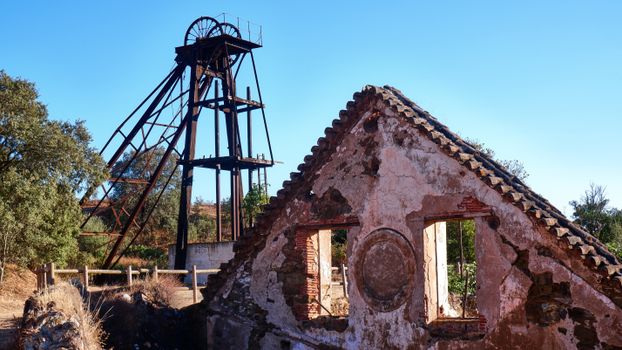
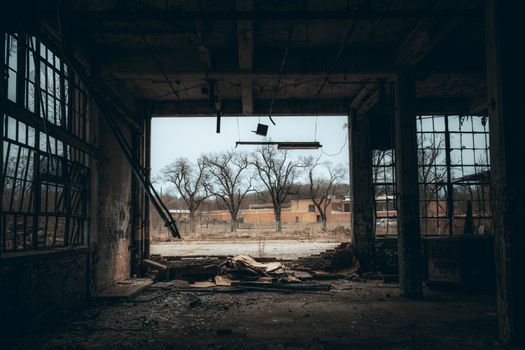
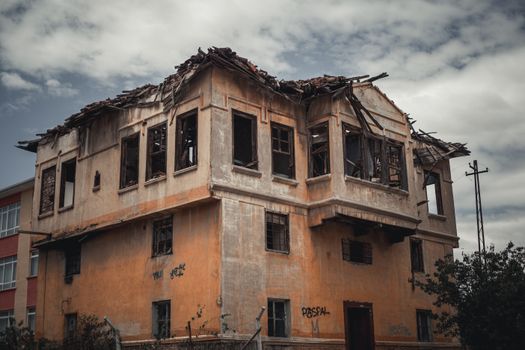
There’s a strange, almost poetic beauty in decay. It’s the stark contrast between human endeavor and nature’s relentless reclamation. It’s the poignant reminder of impermanence, of stories untold, of lives lived within these now-silent walls. For me, stepping into an abandoned place feels like entering a time capsule. The air itself seems to hum with echoes of laughter, industry, and everyday routines that abruptly ceased.
It's not about morbid fascination; it's about curiosity, about piecing together narratives from rusty machinery, peeling paint, and the ghostly imprints of human presence. It’s a chance to witness history in its most vulnerable, unvarnished state. And when these places are carefully preserved and opened to the public, they offer a unique educational experience that no museum can replicate. You're not just looking at history; you're standing in it.
From Ruins to Riches: The Art of Transformation and Preservation
How does a derelict factory or a sand-swallowed town become a must-see destination? It's a delicate balance of preservation, safety, and storytelling. Often, local governments, historical societies, or even passionate individuals step in to prevent further degradation, stabilize structures, and make them safe for visitors. This isn't about gentrification or sanitizing the past; it's about honoring it.
Think of it as controlled urban exploration. You get the thrill of venturing into the unknown, but with the added benefits of expert guides, secure pathways, and interpretive signage that contextualizes the experience. It allows us to appreciate the haunting beauty without endangering ourselves or further damaging these fragile relics. It's a testament to the power of human ingenuity to find beauty and value even in what seems lost.
Ready to dive into some specifics? Here are some of my absolute favorite abandoned places that have been transformed into incredible, legitimate tourist attractions – places that will blow your mind and fill your camera roll with truly unique shots.
---
1. Kolmanskop, Namibia: Where Diamonds Met the Desert
My first encounter with Kolmanskop was through a grainy documentary, and I knew instantly I had to go. Standing on the edge of this ghost town, swallowed by the Namib Desert, felt surreal. Once a thriving diamond mining settlement in the early 20th century, it was abruptly abandoned in the 1950s when diamond prices plummeted and richer deposits were found elsewhere. The desert, ever patient, moved in.
Today, Kolmanskop is a surreal open-air museum. You walk through houses half-filled with sand, their doorways leading into dunes, their windows framing endless golden vistas. The bowling alley, the hospital, the manager’s house – each structure tells a silent story of boom and bust. The pastel colors of the walls, fading under the harsh desert sun, create a poignant contrast with the invading sand.
- My Personal Take: I remember standing in what used to be a child's bedroom, the sand reaching almost to the ceiling, and imagining the laughter that once filled that space. It's an incredibly humbling and visually stunning experience. The light changes dramatically throughout the day, offering endless photographic opportunities. Early morning light casts long, dramatic shadows, while midday sun highlights the textures of sand and peeling paint.
- Practical Details: Kolmanskop is located a few kilometers inland from Lüderitz, Namibia.
- Access: You'll need a permit to enter, which can be purchased at the gate. Guided tours are available and highly recommended for historical context.
- Cost: Entrance fees are approximately NAD 100-150 (roughly $6-10 USD). Photography permits for extended shoots (especially outside regular hours) are available for an additional fee.
- Best Time to Visit: Early morning (7:30 AM - 9:00 AM) or late afternoon (3:00 PM - 5:00 PM) for the best light and to avoid the midday heat.
- Tips: Wear sturdy shoes (sand gets everywhere!), bring plenty of water, and protect your camera gear from the fine sand.
2. Craco, Basilicata, Italy: The Medieval Ghost Town on a Cliff
Nestled precariously on a craggy hill in southern Italy, Craco looks like something straight out of a medieval fantasy novel. This ancient village, dating back to the 8th century, was once a thriving agricultural hub. However, a series of natural disasters – landslides, floods, and an earthquake – forced its inhabitants to abandon their homes between the 1960s and 1980s.
Today, Craco stands as a hauntingly beautiful testament to resilience and decay. Its stone buildings cling to the hillside, their empty windows gazing out over a sweeping valley. It's been used as a filming location for movies like "The Passion of the Christ" and "Quantum of Solace," and for good reason – its dramatic setting is unparalleled.
- My Personal Take: Walking through Craco felt like stepping into a living painting. The silence, broken only by the wind whistling through empty doorways, was profound. I vividly recall peering into the crumbling church, its frescoes still faintly visible, and feeling a deep connection to the generations who once worshipped there. It's a powerful reminder of how nature can reclaim even the most fortified human structures.
- Practical Details: Craco is located in the Basilicata region of Italy, about an hour's drive from Matera.
- Access: Due to safety concerns, you cannot wander freely. Access is strictly by guided tour only, which departs from the visitor center at the base of the hill. Helmets are provided and mandatory.
- Cost: Tour fees are typically around €10-15 per person.
- Best Time to Visit: Spring or autumn for pleasant weather and fewer crowds. Summer can be very hot.
- Tips: Book your tour in advance, especially during peak season. Wear comfortable shoes suitable for uneven terrain. The views from the top are spectacular, so bring your wide-angle lens!
3. Buzludzha Monument, Bulgaria: The Communist UFO on a Mountaintop
Imagine a giant, concrete flying saucer perched atop a remote Bulgarian mountain peak. That's Buzludzha. Built in 1981 to commemorate the socialist movement in Bulgaria, this colossal monument was once a grand meeting hall adorned with intricate mosaics. After the fall of communism in 1989, it was abandoned and left to the elements.
While official entry into the main building is now strictly forbidden and the entrances are sealed (due to safety and preservation efforts), the exterior alone is worth the challenging journey. The sheer scale of the structure, its brutalist architecture, and the surrounding panoramic views of the Balkan Mountains make it an incredibly eerie and awe-inspiring sight. You can still admire the exterior mosaics (though many are damaged) and ponder the ambition and ultimate failure of the regime it represented.
- My Personal Take: The drive up to Buzludzha was an adventure in itself, navigating winding, somewhat treacherous mountain roads. When the 'UFO' finally appeared through the mist, my jaw dropped. It felt like stumbling upon a relic from another planet. Even though I couldn't go inside, just walking around the exterior, feeling the biting wind, and seeing the ghostly red star against the concrete was an unforgettable, almost spiritual experience. It’s a powerful symbol of a forgotten era.
- Practical Details: Buzludzha is located in the Central Balkan Mountains, accessible via Shipka Pass.
- Access: While the interior is closed, you can freely access the exterior and surrounding grounds.
- Cost: Free to visit the exterior.
- Best Time to Visit: Late spring to early autumn for clearer roads and better weather. Winter can bring heavy snow, making access difficult or impossible.
- Tips: A sturdy vehicle is recommended for the mountain road. Dress warmly, as it can be very windy and cold at the summit even in summer. Bring a good zoom lens for detail shots of the exterior mosaics. Respect the site and do not attempt to enter the sealed building.
4. Hashima Island (Battleship Island), Japan: A Ghostly Industrial Fortress
Off the coast of Nagasaki, Japan, lies Hashima Island, more famously known as Gunkanjima (Battleship Island) due to its distinctive shape. This small island was once the most densely populated place on Earth, a thriving coal mining community with apartments, schools, hospitals, and even a cinema. From the late 19th century until 1974, it was a symbol of Japan's rapid industrialization.
When the coal ran out, the island was abruptly abandoned. Today, its concrete buildings stand like spectral sentinels against the sea, slowly crumbling under the relentless assault of salt and wind. Designated a UNESCO World Heritage site, it's a powerful, sobering reminder of Japan's industrial past and the human cost of progress.
- My Personal Take: The boat trip to Hashima was exhilarating, but nothing prepared me for the sight of the island emerging from the mist. It truly looks like a battleship. Walking the designated paths, seeing the ruins of the apartments and the sheer scale of the industrial infrastructure, gave me chills. Our guide shared stories of daily life there, making the ghostly silence even more poignant. It felt like walking through a post-apocalyptic movie set, but with a deeply resonant history.
- Practical Details: Hashima Island is accessible only via authorized boat tours departing from Nagasaki.
- Access: Tours are highly regulated. Visitors are only allowed on a designated viewing platform and cannot explore freely due to safety concerns. Tours are weather-dependent and can be cancelled due to rough seas.
- Cost: Boat tours typically range from ¥4,000-5,000 (roughly $25-35 USD).
- Best Time to Visit: Spring and autumn for calmer seas, though cancellations can happen anytime.
- Tips: Book your tour well in advance, especially during peak season. Bring seasickness medication if you're prone to it. A telephoto lens is useful for capturing details of the buildings from the viewing platform. Listen carefully to the historical context provided by the guides.
5. Island of Spinalonga, Crete, Greece: The Last Leper Colony of Europe
Just off the coast of Crete, the tiny island of Spinalonga holds a poignant and often overlooked history. Originally a Venetian fortress, it later served as a refuge for Ottoman families, but its most famous chapter began in 1903 when it became one of Europe's last active leper colonies. Isolated from the mainland, a community of patients lived there, building their own society, complete with a church, a school, and a bustling main street. It closed its doors in 1957.
Today, Spinalonga is a powerful historical site, accessible by short boat trips. You can walk through the deserted streets, explore the renovated houses, and see the hospital where patients were treated. The island's beautiful Mediterranean setting, with its turquoise waters and ancient walls, creates a striking contrast with its somber past, making it an incredibly moving and thought-provoking visit.
- My Personal Take: The short boat ride across the sparkling blue Aegean to Spinalonga felt almost too idyllic for the heavy history that awaited. As I walked through the main street, imagining the lives lived there, I was struck by the resilience of the human spirit. The small church, still standing, was particularly moving. It's a place that forces you to confront difficult history, but in a way that feels respectful and deeply educational. The views back towards the mainland are stunning, adding another layer to the experience.
- Practical Details: Spinalonga is easily reached by boat from Elounda, Plaka, or Agios Nikolaos on Crete.
- Access: Regular boat trips run throughout the day. Once on the island, you can explore the designated paths and buildings.
- Cost: Boat trips cost approximately €10-15 (return). There is an additional entrance fee to the archaeological site on the island, usually €8.
- Best Time to Visit: Spring or early autumn for pleasant weather and fewer crowds. Summer can be very hot and busy.
- Tips: Wear comfortable walking shoes. Bring water and sun protection. Take your time to read the informational plaques and absorb the history. It's a place for quiet contemplation.
---
Your Guide to Exploring the Forgotten Safely and Responsibly
Visiting these unique attractions requires a different mindset than your average resort vacation. Here's how to make the most of your adventure while being a responsible traveler:
- Always Go Legal: Never trespass. The places listed here are legitimate attractions. For other abandoned sites, always seek permission or join authorized tours. "Urbex" (urban exploration) can be dangerous and illegal if done without permission.
- Hire a Local Guide: Especially for places like Kolmanskop or Craco, a local guide provides invaluable historical context, ensures your safety, and often has personal anecdotes that bring the site to life.
- Respect the Ruins: These are historical sites, not playgrounds. Do not touch, move, or take anything. Leave no trace. The goal is preservation, not personal souvenir collection.
- Prioritize Safety: Wear appropriate footwear (closed-toe shoes, sturdy soles). Watch your step – uneven ground, crumbling structures, and hidden hazards are common. Follow all safety instructions from guides.
- Protect Your Gear: Dust, sand, and moisture can be brutal on cameras. Use lens caps, camera bags, and protective covers. A small blower brush is useful for removing dust.
- Pack Essentials: Water, snacks, sun protection (hat, sunscreen), a small first-aid kit, and a fully charged power bank are always good ideas.
- Check Accessibility: Some sites might have limited accessibility for those with mobility issues due to uneven terrain or stairs. Research beforehand.
Beyond the Lens: Capturing the Story, Not Just the Shot
While these places are incredibly Instagram-worthy, try to move beyond just the perfect shot. Take a moment to:
- Listen to the Silence: What does it tell you? What stories can you imagine unfolding within these walls?
- Feel the Atmosphere: How does the air feel different? Is there a sense of melancholy, peace, or resilience?
- Read the History: Engage with the interpretive signs, ask your guide questions, and understand the context of what you're seeing.
- Reflect: These sites are powerful reminders of change, human endeavor, and the passage of time. Let them resonate with you.
Your photos will be far more impactful if they're imbued with a deeper understanding and appreciation for the place. Use your captions to share not just what you saw, but how it made you feel and what you learned. That's the real shareable content.
The Tripsora Takeaway: Why These Spots Matter
In a world increasingly saturated with predictable travel experiences, these abandoned places offer a refreshing antidote. They challenge us, educate us, and connect us to history in a visceral way. They remind us that beauty can be found in unexpected places, and that sometimes, the most profound stories are told in silence.
So, the next time you're planning an adventure, consider venturing off the well-trodden path. Seek out the forgotten, the reclaimed, the places whispered about rather than shouted from the rooftops of social media. You might just discover your new favorite kind of travel – one that's authentic, breathtaking, and utterly unforgettable. And hey, maybe you'll even inspire a few influencers to finally get off their perfectly curated beaches and into the real world.
What abandoned places have you explored that left an indelible mark on you? Share your stories and tips in the comments below! Let's uncover more of these hidden gems together.
---