Have you ever scrolled through Instagram, admiring those picture-perfect travel feeds – the infinity pools, the impeccably styled brunches, the carefully curated outfits against a backdrop of pristine beaches? I have. And for a long time, I bought into it. My camera roll was full of attempts to recreate those flawless moments, chasing the 'gram-worthy' shot.
But then, something shifted. I found myself craving more. I wanted the mud on my boots, the unexpected squawk of a parrot, the thrill of a genuine, unscripted moment. I realized that while influencers were busy perfecting their angles, there was an entire universe of truly raw, breathtaking travel experiences happening just beyond their carefully constructed narratives. Experiences where you don't just see wildlife from a distance, but you live alongside it, if only for a night or two.
I'm talking about hotels where you quite literally sleep with animals – not in a creepy, unethical way, but in a respectful, immersive, and often conservation-focused manner. These aren't just hotels; they're gateways to unforgettable connections, places where the wild world isn't just a backdrop, but your fellow guest. And trust me, these are the secrets the mainstream influencers don't want you to know, because these experiences are about authenticity, not just aesthetics.
Ready to trade your poolside selfie for a sunrise with a giraffe? Let's dive in.
Beyond the Filter: Why True Animal Encounters Matter
Let's be real: the world of animal tourism is fraught with ethical dilemmas. From elephant riding to tiger petting, many "animal experiences" are designed purely for human entertainment, often at the expense of animal welfare. That's precisely why the places I'm about to share are so special. They prioritize the animals' well-being, often functioning as sanctuaries, conservation projects, or simply existing in natural habitats where humans are the respectful guests.
The magic of these stays isn't just the proximity; it's the connection. It’s waking up to the gentle rustle outside your window, not the incessant ping of your phone. It’s hearing the calls of the wild as your lullaby. It’s a profound shift from being a spectator to being a temporary part of their world. This isn't just a photo opportunity; it's a soul-stirring memory that will stay with you long after your tan fades. It's about genuine storytelling, not just snapping a picture for likes.
The Gentle Giants: Giraffe & Zebra Sanctuaries
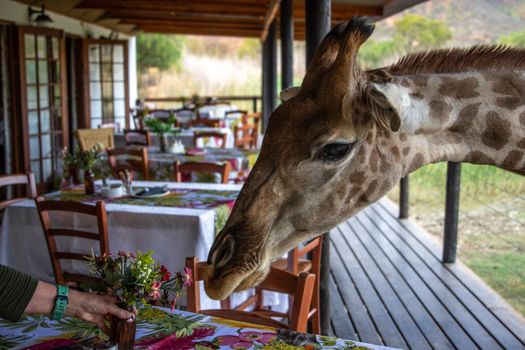
When you think of sleeping with animals, one iconic image often springs to mind: a giraffe poking its head through your hotel window. Yes, I'm talking about Giraffe Manor in Langata, Nairobi, Kenya. While it's become quite famous (and yes, even some influencers have found their way here), it truly is the ultimate bucket-list experience for animal lovers.
My Experience: I remember my first morning there, the anticipation almost unbearable. As the sun began to paint the sky in hues of orange and pink, a long, elegant neck appeared at my bedroom window. Daisy, a Rothschild's giraffe, peered in with her impossibly long eyelashes, her curious eyes meeting mine. Hand-feeding her pellets from my breakfast plate, feeling the surprisingly soft texture of her lips against my palm – it was a moment suspended in time, utterly surreal and deeply humbling. It's more than just a photo op; it's a communion.
Details: Giraffe Manor is a luxury boutique hotel set on 12 acres of private land within 140 acres of indigenous forest, home to a herd of endangered Rothschild’s giraffes. These majestic creatures visit morning and evening, poking their heads into the windows in search of treats.
- Location: Langata, Nairobi, Kenya.
- Price: Expect to pay upwards of $800-$1500+ per night, all-inclusive. Book far in advance (1-2 years is common).
- Why it's ethical: The manor is part of the African Fund for Endangered Wildlife (AFEW) Giraffe Centre, playing a vital role in Rothschild's giraffe conservation.
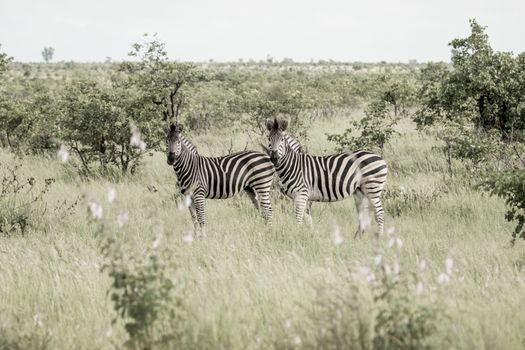
Beyond Giraffe Manor: If Kenya is a stretch, or if you're looking for a different kind of African immersion, many high-end safari lodges in private conservancies offer incredibly close encounters with wildlife. While you might not have a zebra poking its head into your actual room, you'll often have herds grazing just metres from your tented suite, impala leaping past your veranda, or elephants drinking from a waterhole visible from your bed.
- Examples: Lodges within South Africa's Sabi Sand Game Reserve or Namibia's Etosha National Park often offer this. Check out places like andBeyond Ngala Safari Lodge or Ongava Lodge.
- Price: Varies widely, but typically $500-$1000+ per person per night for a full safari experience.
- Ethical Note: Always choose lodges that are committed to conservation, employ local staff, and contribute to anti-poaching efforts.
Slow Living & Furry Friends: Sloths, Alpacas & Farm Stays
Sometimes, the most profound animal interactions come from a slower pace of life, in places where the line between human habitation and animal habitat blurs.
Sloth Encounters in Costa Rica: Imagine waking to the symphony of the rainforest, stepping onto your balcony, and spotting a three-toed sloth slowly munching on leaves in a nearby tree. While direct "sleeping with" a sloth isn't typically the case (nor would it be ethical outside of a controlled rescue environment), staying at eco-lodges adjacent to sloth sanctuaries or in prime sloth habitats is absolutely magical.
My Story: On a trip to Costa Rica, I stayed at a charming eco-lodge near La Fortuna, nestled deep in the jungle. One afternoon, after a long hike, I was relaxing on my hammock when I noticed a slow-moving bundle of fur high in the cecropia tree outside my cabina. It was a sloth, perfectly camouflaged, just going about its day. It felt like a secret gift, a quiet moment of shared existence that no staged photo could ever replicate. I spent hours just observing its deliberate movements, feeling completely at peace.
Details:
- Location: Eco-lodges and guesthouses near sloth rescue centers like The Sloth Institute Costa Rica (Manuel Antonio) or Toucan Rescue Ranch (San Jose area), or simply in areas known for abundant wildlife like La Fortuna or the Osa Peninsula.
- Price: From $150-$400+ per night, depending on the lodge and amenities.
- Actionable Tip: When visiting sanctuaries, always book a guided tour. Your entry fee directly supports their rescue and rehabilitation efforts. Never touch or feed wild sloths.
Alpaca & Farm Stays (UK, US, Europe): For a truly heartwarming and often budget-friendly animal experience, consider a farm stay. Many working farms, particularly in the UK, parts of Europe, and the US, offer charming B&Bs, cottages, or glamping pods where you can wake up to the gentle bleating of sheep, the clucking of chickens, or the curious gaze of an alpaca.
My Story: I once spent a weekend at a farm stay in the Cotswolds, England. My cottage overlooked a field where a small herd of alpacas grazed. Each morning, I'd wake up, make a cup of tea, and watch them from my window, their fluffy heads bobbing as they munched. The farm offered a morning feeding session, and having these gentle, inquisitive creatures softly take food from my hand was pure joy. It felt like stepping into a storybook.
Details:
- Location: Search for "farm stay with alpacas" or "animal farm accommodation" on platforms like Airbnb, Booking.com, or specialized farm stay directories in regions like the UK (e.g., Lake District, Cotswolds), France (Loire Valley), Italy (Tuscany agriturismos), or even upstate New York.
- Price: Highly variable, from $100-$300+ per night. Many are family-friendly.
- Practical Tip: These stays often offer hands-on experiences like milking cows, collecting eggs, or feeding animals. It’s a wonderful way to connect with rural life and understand where our food comes from.
Dive Deep: Underwater Worlds & Aquatic Wonders
While you won't be sharing a pillow with a shark (thankfully!), some incredible accommodations offer the breathtaking illusion of sleeping within the aquatic world, giving you a front-row seat to marine life from the comfort of your bed.
Underwater Hotels: These are the pinnacle of luxury and immersion, allowing you to observe vibrant coral reefs, schools of fish, and even sharks and rays swimming just inches from your window.
My Dream Experience: I haven't personally stayed in one of these (yet!), but I've spent hours poring over photos and imagining the sensation. Picture this: lying in a plush bed, surrounded by floor-to-ceiling glass, as a majestic manta ray glides effortlessly past, or a kaleidoscope of tropical fish dances outside your window. It’s like living inside a giant aquarium, only it’s the real, wild ocean.
Details:
- The Muraka, Conrad Maldives Rangali Island: The world's first underwater villa, a two-level structure with a master bedroom submerged over 16 feet below the surface of the Indian Ocean.
- Price: Prepare for ultra-luxury, often $20,000-$50,000+ per night.
- Atlantis The Palm, Dubai - Underwater Suites: Two opulent suites, Neptune and Poseidon, offer incredible views into the Ambassador Lagoon, home to 65,000 marine animals.
- Price: Typically $10,000+ per night.
- Jules' Undersea Lodge, Florida, USA: A more rustic, accessible option for certified divers (you have to dive to reach it!).
- Price: Around $800-$1000 per night.
- Actionable Tip: These are splurge-worthy, once-in-a-lifetime experiences. If you're planning a honeymoon or a significant celebration, this could be it!
Glass-Bottom Bungalows & Overwater Villas: A more common and slightly less expensive (but still luxurious) option is an overwater bungalow with a glass floor panel or viewing window, allowing you to peek into the lagoon below. While not fully submerged, it still offers a magical connection to the marine environment.
- Examples: Many resorts in Bora Bora, Fiji, and other parts of the Maldives offer these.
The Wild Side: Conservation Lodges & Ethical Encounters
For those seeking a truly wild experience, some unique lodges are built directly within or adjacent to wildlife sanctuaries and national parks, offering unparalleled proximity to more formidable creatures – always with safety and animal welfare as the paramount concern.
Wolf & Bear Cabins (Highly Controlled): Imagine hearing the haunting howl of a wolf under a star-strewn sky. In very specific, highly controlled environments, some places offer cabins where you can sleep safely, knowing wild (or semi-wild) animals are just outside your window, within their natural habitat.
My Hypothetical Story: While I haven't done this myself, the idea of staying at a place like Parc Omega's Wolf Cabins in Quebec, Canada, utterly fascinates me. Picture this: nestled in a cozy, secure cabin, you gaze out through a large, reinforced window. Outside, a pack of wolves roams freely within their vast enclosure. The thrill of seeing their wild eyes glint in the moonlight, of hearing their ancient calls echo through the forest – it’s a profound reminder of the untamed world.
Details:
- Parc Omega, Montebello, Quebec, Canada - Wolf Lodge: This unique park offers accommodation where you can sleep in a cabin with large windows overlooking the wolf enclosure. You're completely safe, but the wolves are truly wild.
- Location: Montebello, Quebec, Canada.
- Price: CAD$500-$1000+ per night.
- Ethical Note: This is within a wildlife park, not direct cohabitation. The wolves have extensive space.
Rhino & Elephant Sanctuaries with Lodging: Staying on-site at a conservation project allows you to witness the incredible work being done to protect endangered species, and often provides close, respectful encounters.
- Example: The Hoedspruit Endangered Species Centre (HESC) in South Africa offers accommodation options like the Mopani and Nyala Cottages. While not directly "sleeping with" rhinos, you are on the grounds of a major conservation facility, often with opportunities for guided tours and to see these magnificent animals up close (from a safe distance) and learn about their protection.
- Location: Hoedspruit, Limpopo, South Africa.
- Price: Varies, but generally mid-range to high-end, with proceeds supporting conservation.
- Why it's ethical: Your stay directly contributes to the survival of endangered species through anti-poaching, rehabilitation, and breeding programs.
Your Wild Stay Checklist: Tips for Ethical & Unforgettable Encounters
These experiences are incredible, but they come with a responsibility. Here's how to ensure your animal encounter is both ethical and unforgettable:
- Research, Research, Research: Before booking, dive deep into the accommodation's ethical practices. Do they support conservation? Are the animals genuinely wild or rescued? Are they exploited for tourism? Look for certifications from reputable animal welfare organizations. Read reviews from other travelers specifically about animal treatment.
- Book Directly or Through Reputable Operators: Avoid third-party booking sites that might not vet ethical practices. Booking directly often means more of your money goes to the establishment and its conservation efforts.
- Respect the Animals: This is paramount. Maintain distance, never feed animals unless explicitly guided by staff, and always follow the rules. Remember, you are a guest in their home.
- Budget Wisely: These experiences range from budget-friendly farm stays to ultra-luxury underwater suites. Be realistic about what you can afford and plan accordingly. Early booking often secures better rates.
- Pack Smart: Depending on your destination, essentials might include a good camera with a zoom lens (for respectful distance shots), binoculars, sturdy walking shoes, insect repellent, and appropriate clothing for the climate.
- Share Responsibly: When you post on social media, use your platform to highlight the ethical practices, the conservation efforts, and the importance of responsible tourism. Show the real experience, not just a filtered façade. Education is key!
- Be Flexible: Wildlife is unpredictable. You might not see exactly what you hoped for, but embrace the unexpected. That's the beauty of connecting with nature.
The True Wild Side of Travel
The world is full of incredible experiences that go far beyond the perfectly posed photos you see online. These hotels and lodges offer something deeper, more authentic, and infinitely more memorable. They remind us of our place in the natural world, fostering a connection that transcends language and culture.
So, next time you're planning a trip, skip the generic influencer hotspot. Seek out the places where the wild heart of the planet beats strong. Discover the joy of waking up to a giraffe's gentle gaze, the quiet wonder of a sloth in the trees, or the mesmerizing dance of marine life outside your window. These are the real travel secrets, the moments that make your soul sing, and the stories you'll be telling for years to come.
Which wild stay will you bookmark first? Share your dream animal encounter in the comments below, and don't forget to share this post with your fellow adventurers! Let's inspire more responsible, authentic, and utterly unforgettable journeys.
---