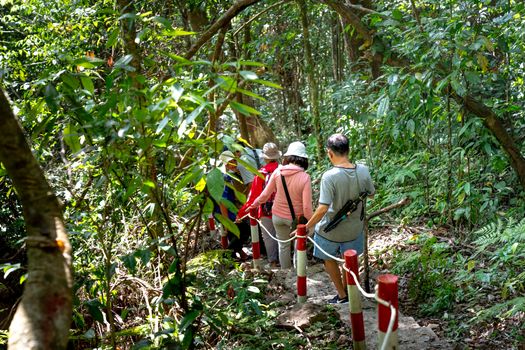
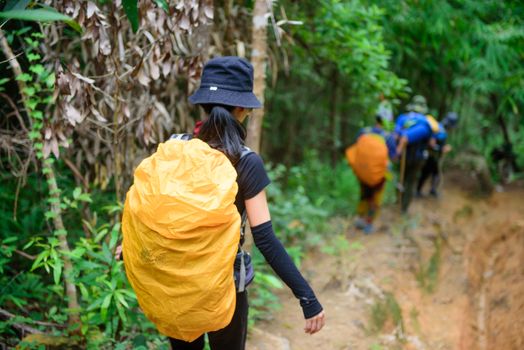
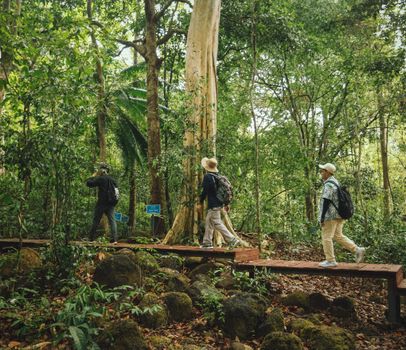
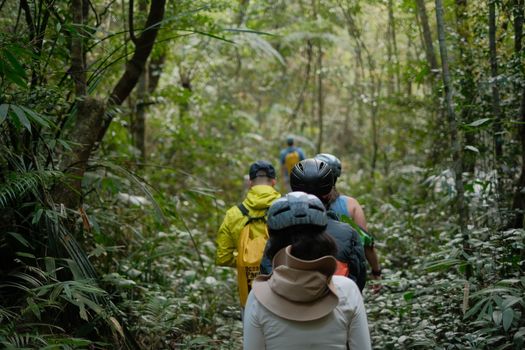
The first time I slept suspended 80 feet above the jungle floor, my heart hammered like a hummingbird's wings. It wasn't a five-star treehouse with air conditioning and a mini-bar; it was a simple, open-air platform, a mosquito net my only wall, deep within the Peruvian Amazon. The air was thick with the scent of damp earth and exotic blossoms. Below, the jungle hummed, chirped, and roared with a thousand unseen creatures. I felt a primal mix of fear and exhilaration, a sense of being utterly insignificant yet profoundly connected to something ancient and wild.
That night, listening to the symphony of the rainforest – the distant rumble of howler monkeys, the chirping of unseen insects, the rustle of leaves as something unseen moved through the undergrowth – cemented a truth for me: this is how we're meant to experience nature. Not from behind a window, but immersed in its very breath. And trust me, you guys, this is the next frontier in adventure travel.
We're talking about jungle canopy treks where you actually sleep among the treetops. This isn't just glamping; it's genuine, off-the-beaten-path immersion that offers a perspective few ever get to witness. And the best part? It's still relatively under the radar. But like all incredible secrets, the word is getting out. So, if you want to experience the raw, untamed magic of sleeping in the canopy before it becomes another mainstream Instagram hotspot, you need to start planning now.
The Elevated Experience: What Exactly is a Canopy Sleep Trek?
Forget your childhood treehouse fantasies; this is the real deal, amplified. A canopy sleep trek isn't just a hike through the jungle; it's an expedition that culminates in spending the night (or multiple nights!) high above the forest floor. The "accommodation" can vary wildly, from rustic suspended tents accessible by rope and harness, to sturdy, open-air platforms built into ancient trees, or even ingeniously designed, minimalist tree pods that blend seamlessly with their surroundings.
What unites them all is the unparalleled perspective. You're not looking up at the canopy; you're in it. This means eye-level encounters with birds you've only seen in documentaries, the chance to spot nocturnal creatures moving through the branches, and a front-row seat to the most spectacular sunrises you'll ever witness, as the first rays filter through the emerald ceiling. It's a sensory overload in the best possible way: the chorus of unseen life, the earthy humidity, the sheer scale of the ancient trees surrounding you. This isn't just a bed; it's a portal to the heart of the rainforest.
The Thrill of the Untamed: Why Go Now, Before It's Too Late?
The "before they become mainstream" isn't just a catchy phrase; it's the very essence of why these experiences are so profound right now. When you venture into these less-trodden canopy camps, you're not sharing the experience with throngs of tourists. You're part of a small, intimate group, often led by local guides who know the jungle like the back of their hand. This exclusivity translates into several incredible advantages:
- Pristine Nature: Fewer visitors mean less human impact. The ecosystems are healthier, the wildlife is less habituated to humans, and the sense of untouched wilderness is palpable.
- Authentic Encounters: Your interactions are with local communities and expert guides, offering a deeper cultural exchange and genuine insight into the jungle's rhythms. These aren't polished tourist traps; they're raw, real, and utterly unforgettable.
- Unrivaled Wildlife Opportunities: From the canopy, you're in prime position for wildlife spotting. Nocturnal animals are often more active at night, and dawn brings a flurry of birdlife. My own experience included watching a troop of capuchin monkeys forage just feet from my platform at sunrise – a moment etched permanently in my memory.
- Digital Detox & Deep Connection: With limited to no cell service, you're forced to unplug and truly tune into your surroundings. It's a powerful reset, allowing for a profound connection with nature and with yourself.
- Supporting Sustainable Tourism: Many of these nascent canopy sleep treks are run by small, eco-conscious operators or local communities dedicated to conservation. Your dollars directly support their efforts to protect these precious rainforests and provide sustainable livelihoods for their people.
This isn't just a trip; it's an opportunity to be a pioneer, to experience something truly special before the masses discover it.
Your Elevated Bedroom: Destinations & Dreamy Details
While the concept of sleeping in the canopy is still niche, a few incredible regions are leading the way. Here are some of my top picks and what you can expect:
1. The Amazon Rainforest (Peru, Ecuador, Brazil): The Cradle of Canopy Life
The Amazon is, arguably, the ultimate destination for canopy adventures. My personal experience, as mentioned, was in the Peruvian Amazon, near Iquitos. We worked with a fantastic local guide who had established a basic but incredibly sturdy platform high in a kapok tree within a community-managed reserve. It was rustic – think open-air, a thin sleeping mat, and a serious mosquito net – but the authenticity was unparalleled. I paid around $250/day for a multi-day trek that included guides, all meals, equipment, and two nights in the canopy.
- Peru: Look for operators in the Tambopata National Reserve or lesser-known community projects near Iquitos or Puerto Maldonado. While lodges like Inkaterra have famous canopy walkways, seek out smaller, independent guides for true canopy sleeps.
- Ecuador: The Yasuni National Park area offers incredible biodiversity. Some eco-lodges or indigenous communities offer elevated platforms for overnight stays. Expect to pay anywhere from $180 - $400/day for these immersive experiences, often as part of a longer tour package.
- Brazil: While vast, look towards smaller operations in the Mamirauá Sustainable Development Reserve or near Manaus for unique, elevated river-based cabins or platforms that offer a sense of canopy immersion.
What to Expect: Unfathomable biodiversity, the roar of howler monkeys, macaws, sloths, and countless insect species. The air is humid, the nights are loud, and the experience is utterly wild.
2. Borneo (Malaysia & Indonesia): Orangutans & Ancient Forests
Borneo offers a different kind of magic, with its ancient rainforests and iconic orangutans. While famous for high-end lodges like those in Danum Valley, you can find more rustic canopy sleep options if you know where to look.
- Sabah, Malaysia: Beyond the well-trodden paths, some smaller eco-lodges or community projects around the Kinabatangan River or in the vicinity of Tabin Wildlife Reserve are starting to offer basic tree platforms or elevated hammocks as part of multi-day jungle treks. The focus here is often on spotting orangutans, proboscis monkeys, and pygmy elephants.
- Kalimantan, Indonesia: Less developed for tourism, but offers incredible opportunities for truly off-grid experiences. Finding a reputable local guide who can arrange a safe canopy sleep here might require more research but promises unparalleled authenticity.
Pricing: For more immersive, less-trafficked experiences, expect to pay around $200-$450/day, often part of a longer wildlife safari package that includes transfers and other activities.
What to Expect: Close encounters with orangutans, the bizarre proboscis monkeys, clouded leopards (if you're incredibly lucky!), and a rich tapestry of birdlife. The forest is dense, ancient, and deeply mysterious.
3. Costa Rica (Osa Peninsula & Corcovado): Eco-Adventure Pioneer
Costa Rica, a global leader in eco-tourism, has some incredible options, blending adventure with a strong commitment to conservation. While many treehouses here are luxurious, there are still rustic, immersive canopy stays, particularly in the wilder regions.
- Osa Peninsula & Corcovado National Park: This is one of the most biodiverse places on Earth. Look for remote eco-lodges or community-based initiatives that offer suspended tents accessible by rope bridges, or open-air platforms near their main facilities. My friend recently stayed at a lodge near Drake Bay that offered a "sky bed" experience – a simple platform a short trek from the main lodge, complete with a basic shelter and mosquito net.
- Central Pacific / Caribbean Slopes: Some smaller, family-run reserves might offer similar rustic experiences.
Pricing: Varies widely, from $150-$600+ per night, depending on the level of comfort and exclusivity. You can find amazing community-based or small eco-lodge experiences that prioritize immersion over luxury.
What to Expect: Unbelievable biodiversity, including sloths, monkeys (howler, capuchin, spider), toucans, vibrant frogs, and an incredible array of insects. The infrastructure is generally more developed than in the Amazon or Borneo, but the wildness remains.
Preparing for Your Ascent: Practical Tips & Essential Gear
Embarking on a canopy sleep trek requires a bit of preparation, but it’s entirely manageable for anyone with a moderate level of fitness and an adventurous spirit.
- Research, Research, Research: This is not a trip you book last minute on a whim. Seek out reputable eco-tour operators, community-based tourism initiatives, or direct lodges known for their sustainable practices and safety records. Read reviews, ask specific questions about safety protocols, and ensure guides are certified and experienced.
- Fitness Level: You don't need to be an Olympic athlete, but you should be comfortable hiking for several hours, potentially in humid conditions, and capable of ascending ladders or using harnesses for access if required.
- What to Pack (Lightweight & Essential):
- Clothing: Lightweight, quick-drying, long-sleeved shirts and pants are crucial for sun protection and insect bites. Think breathable synthetics or bamboo.
- Footwear: Sturdy, broken-in hiking boots for treks, plus a pair of sandals or water shoes for around camp.
- Insect Repellent: A strong one with DEET or picaridin is non-negotiable.
- Headlamp/Flashlight: With extra batteries. Essential for navigating in the dark.
- Biodegradable Toiletries: To minimize environmental impact.
- Small Backpack: For day treks and carrying essentials to your canopy bed.
- Water Bottle/Hydration Pack: Stay hydrated!
- Camera with Zoom Lens: For those incredible wildlife shots.
- Small First-Aid Kit: Band-aids, antiseptic wipes, pain relievers, anti-diarrhea meds.
- Sleeping Bag Liner: If you're particular about hygiene or for added warmth in cooler regions (though most jungles are warm).
- Earplugs & Eye Mask: The jungle is LOUD at night, and dawn comes early.
- Rain Gear: A lightweight rain jacket or poncho is a must.
- Safety First: Reputable operators prioritize safety. Expect thorough briefings on using harnesses (if applicable), platform safety, and wildlife encounters. Listen to your guides – they are your jungle experts.
- Leave No Trace: Practice responsible tourism. Pack out everything you pack in, stay on designated trails, and never disturb wildlife. These fragile ecosystems depend on us.
The Magic of the Night and the Promise of Dawn: My Personal Anecdotes
Nothing, and I mean nothing, prepares you for the sheer symphony of the jungle at night when you're perched high above it. The first night I spent in the canopy, I swore I heard creatures moving just outside my mosquito net. Every rustle, every chirp, every distant splash from the river below felt magnified. The howler monkeys, whose calls sound like a monstrous roar, started their chorus around 4 AM, jolting me awake – not with fear, but with an overwhelming sense of awe.
Looking up, the stars were a dazzling blanket, unobscured by any light pollution. It felt like I could reach out and touch the Milky Way. I remember a tiny, bioluminescent beetle landing on my hand, glowing softly in the pitch black. It was a moment of profound peace and connection, a reminder of the intricate beauty of the natural world.
And then, dawn. The jungle awakens with a crescendo. The first sliver of light paints the horizon in hues of orange and purple, slowly illuminating the endless green sea beneath you. The birds begin their morning serenade, a cacophony of squawks, whistles, and trills. I watched macaws fly in pairs, their vibrant colors flashing against the grey sky. A sloth, moving at its glacial pace, slowly made its way across a branch just meters from my perch. These are not moments you observe; these are moments you live. They become part of you, changing your perspective on what truly matters.
Making It Happen: Booking & Responsible Travel
Ready to ditch the ordinary and embrace the extraordinary? Here's how to turn your canopy sleep dream into a reality:
- Start with Niche Operators: Don't just Google "jungle tour." Look for terms like "eco-lodge canopy stay," "community-based jungle trek," or "wildlife canopy platform." Many of these experiences aren't heavily marketed on major travel sites.
- Direct Contact & Local Guides: Often, the best and most authentic experiences come from contacting lodges directly or working with local, independent guides. They often have the most intimate knowledge of the area and can offer bespoke experiences. Websites like Responsible Travel or specific regional eco-tourism associations can be good starting points.
- Ask About Sustainability: Inquire about their environmental policies, how they support local communities, and their waste management practices. A truly authentic canopy sleep experience should have a minimal footprint.
- Small Groups Are Key: These experiences are best enjoyed in small, intimate groups. Avoid large tour operators promising "canopy experiences" if they involve dozens of people. The magic lies in the quiet immersion.
- Be Flexible: Travel to these remote areas can be unpredictable. Flights might be delayed, weather can shift, and plans might need to adapt. Embrace the adventure and go with the flow.
These treks are more than just a trip; they're an investment in an experience that will challenge you, inspire you, and connect you to the planet in a way few other journeys can. They are a testament to the wild beauty that still exists, waiting to be discovered by those brave enough to seek it out.
---
The jungle is calling, my friends. It's whispering secrets from its emerald depths, inviting you to witness its magic from a perspective most only dream of. Don't let this incredible opportunity pass you by. These unique canopy sleep treks offer an unparalleled chance to truly live the adventure, to wake up immersed in the heart of the wildest places on Earth, before the secret gets out and the crowds descend.
Which jungle canopy trek is calling your name? Tell us in the comments below and tag a friend you'd bring on this epic adventure! Let's inspire each other to explore the untamed!
---