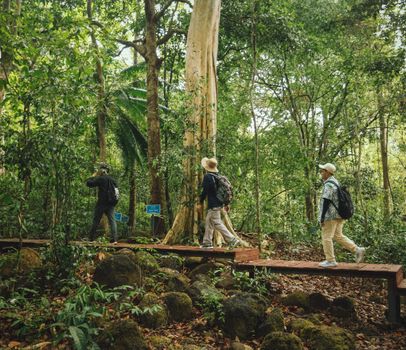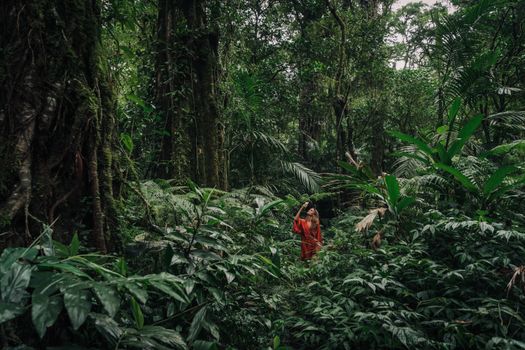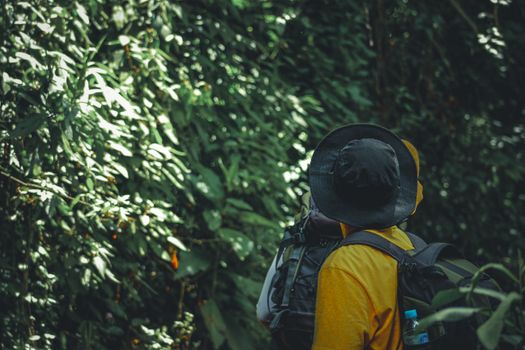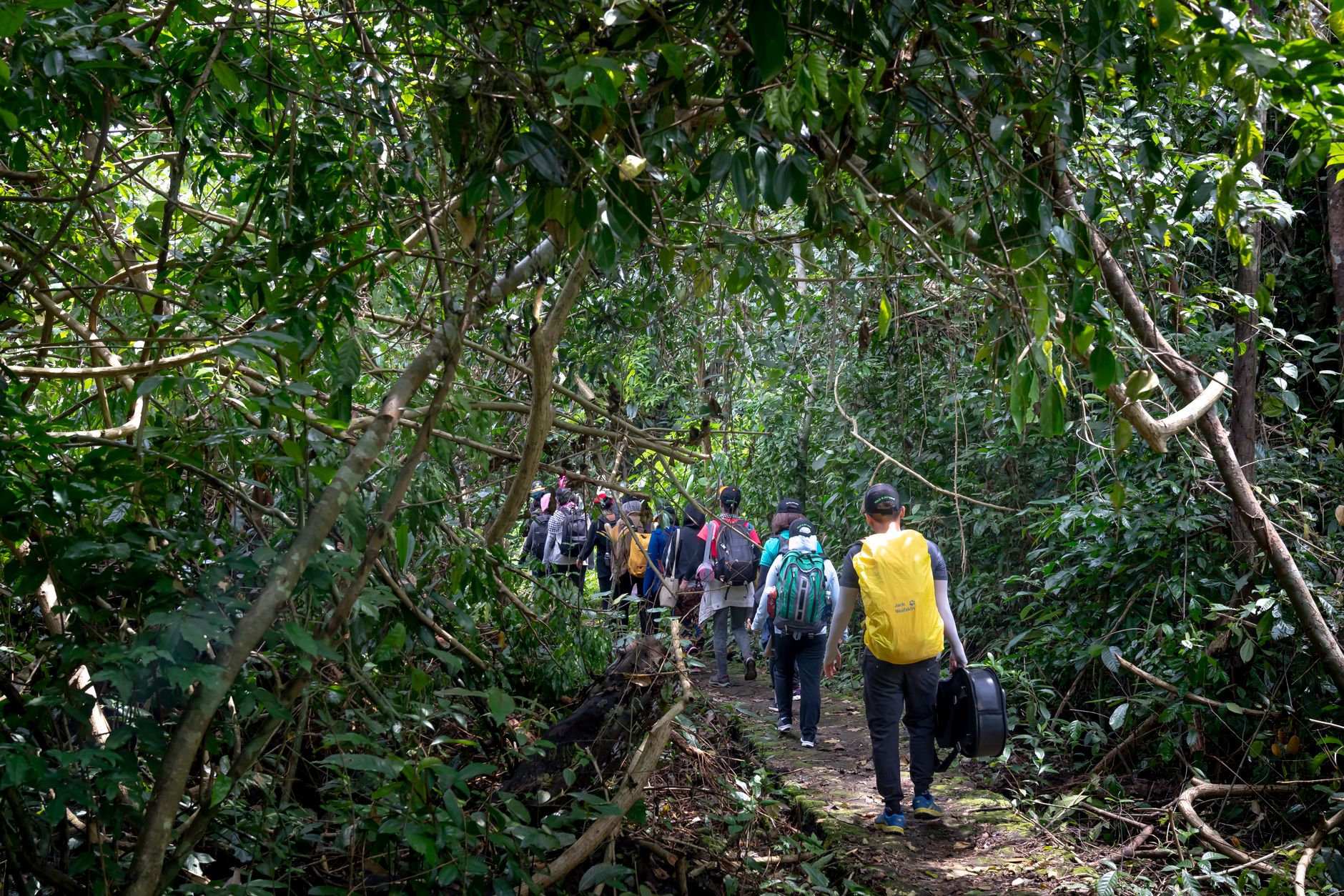
The air was thick and humid, carrying the scent of damp earth, exotic flowers, and something wild, untamed. Below me, the inky blackness of the Amazon stretched out, a living, breathing entity humming with unseen life. Above, a billion stars glittered, unobstructed by city lights, feeling impossibly close. And I? I was suspended thirty feet up, swaying gently in a makeshift hammock tent, stitched directly into the canopy of a colossal kapok tree. My guide, a man whose face was etched with the wisdom of generations spent in this forest, just smiled. "This," he whispered, "is where the jungle truly sleeps."
That night, listening to the symphony of howler monkeys, cicadas, and the distant calls of jaguars, I understood something profound. This wasn't just a trip; it was a pilgrimage. An immersion so deep, so raw, that it felt less like tourism and more like an initiation into the jungle's most guarded secrets. And these aren't secrets you find on TripAdvisor. These are experiences so unique, so deeply woven into the fabric of local communities, that they exist almost entirely off the radar – precisely because the locals want to keep it that way, protecting their culture, their land, and the delicate balance of their forest homes from the encroaching footprint of mass tourism.
But for the truly curious, the respectful, and the adventurous, these hidden canopy treks offer an unparalleled opportunity. An opportunity I’m privileged to share with you, so you too can experience the jungle as it was meant to be.
The Unseen World: Why Locals Guard These Experiences
Imagine a place where the rhythm of life is dictated by the sun, the rain, and the ancient wisdom of the forest. Where traditions are passed down orally, and the forest isn't just a resource, but a relative. For many indigenous communities living deep within the world's great jungles, this is reality. Mass tourism, with its often-disruptive infrastructure, waste, and cultural insensitivity, can quickly erode this delicate balance.
That's why the canopy treks I'm talking about aren't marketed in glossy brochures. They are born from a desire for sustainable livelihood that protects the environment and culture, rather than exploits it. They are often community-led initiatives, where a small, trusted group of guides will take you deep into their ancestral lands, sharing their knowledge, and allowing you to experience their world – but on their terms. This isn't about profit maximization; it's about cultural preservation and ecological stewardship. And that, my friends, is exactly why these experiences are so priceless. You're not just a tourist; you're a welcomed guest, entrusted with a glimpse into a sacred way of life.
Earning Your Stripes: Finding the True Canopy Treks
So, how do you find these elusive experiences? It's not as simple as booking online (though some reputable, small-scale operators might have a discreet web presence). It requires patience, research, and a commitment to ethical travel.
1. Go Local, Think Small: Forget the big tour companies. Your best bet is to connect with local NGOs, conservation groups, or community-based tourism initiatives in the regions you're interested in. Search for terms like "community-based tourism [destination]," "eco-lodge [indigenous community]," or "sustainable jungle trek [region]." These organizations often act as intermediaries, ensuring that the benefits go directly to the communities.
2. The Power of Word-of-Mouth (and Ethical Travel Forums): True hidden gems are often shared among a network of responsible travelers. Join online forums dedicated to ethical travel, responsible tourism, or specific regions like the Amazon, Borneo, or Sumatra. Ask for recommendations, but be prepared to explain your commitment to respectful, sustainable travel. People are more likely to share their hard-earned contacts with those who share their values.
3. Be Patient and Flexible: These aren't mass-produced tours. Availability is often limited to small groups, specific seasons, and depends on the community's capacity and willingness. You might need to plan well in advance and be flexible with your dates.
4. Learn a Few Local Phrases: A little effort goes a long way. Learning basic greetings and polite phrases in the local language (even if your guide speaks English) shows respect and opens doors.
5. Embrace the Unplugged: Connectivity will likely be non-existent. This is part of the magic. Prepare to disconnect and fully immerse yourself.
My own journey to that kapok tree in Peru began with months of researching small-scale eco-lodges near the Pacaya-Samiria National Reserve. I eventually found a tiny, family-run operation called "Rio Blanco Expeditions" (not their real name, for privacy, but indicative of the type of place). They didn't have a slick website, just an email address and a few grainy photos. But their commitment to working directly with the local Kichwa community was clear. It took several email exchanges, a WhatsApp call with the owner's nephew who spoke broken English, and a leap of faith. And it was worth every single effort.
The Canopy Calling: What to Expect on Your Trek
These aren't luxury glamping experiences. They are raw, authentic, and utterly unforgettable.
1. The Journey In: Expect a multi-stage journey. This often involves a flight to a regional hub, then a long-distance bus or shared taxi, followed by a several-hour (or even multi-day) canoe or longboat ride deep into the jungle. The journey itself is part of the adventure, slowly peeling back layers of civilization.
2. Expert Local Guides: Your guides will be locals, often from the community you'll be staying with. Their knowledge of the forest – its plants, animals, and hidden pathways – is encyclopedic. They'll teach you about medicinal plants, tracking animals, and the intricate web of life. Listen carefully, for their wisdom is a treasure.
3. Basic, Sustainable Accommodation: The "canopy sleep" itself can vary. It might be a sturdy, open-air platform built high in a tree, with mosquito nets and basic bedding. More often, it's a reinforced hammock tent system, securely rigged by your guides using ropes and specialized climbing techniques. You'll be high above the forest floor, offering unparalleled views and a unique perspective on wildlife. During the day, you'll likely return to a community-run lodge or basic cabins.
4. Wildlife Encounters: This is why you're here! From your perch, you'll have a front-row seat to the jungle's theater. Expect to see monkeys (howler, capuchin, squirrel), sloths, a dazzling array of birds (macaws, toucans, hummingbirds), and countless insects. If you're lucky, you might spot a nocturnal mammal like an ocelot or even a jaguar (from a very safe distance, typically with a guide and binoculars!). The sounds alone are an experience – the dawn chorus, the twilight chirps, the rustling of unseen creatures.
5. Community Immersion: Beyond the jungle, you'll often have opportunities to interact with the local community. This might involve sharing meals, learning traditional crafts, participating in a cooking demonstration, or hearing stories around a campfire. These are precious moments for cultural exchange.
6. Food & Water: Meals will be simple but delicious, often featuring fresh, local ingredients cooked over an open fire. Think river fish, plantains, rice, and fresh fruits. Water will be boiled and filtered, but it's always wise to bring your own purification tablets or a Lifestraw.
I remember one morning in Borneo, waking up to the soft rustling just outside my mosquito net. Peeking out, I saw a family of orangutans, a mother and her young, slowly making their way through the canopy, not twenty feet from my platform. They moved with such grace and quiet dignity, entirely oblivious to my presence. It was a moment of pure, unadulterated magic, a testament to the incredible privilege of being an unseen observer in their world.
Essential Gear & Practical Tips for Your Canopy Adventure
Packing for a canopy trek is less about fashion and more about function.
Clothing:
- Lightweight, quick-drying long-sleeved shirts and trousers: Protection from sun, insects, and scratches. Opt for breathable fabrics.
- Swimsuit: For river dips or waterfall visits.
- Rain gear: A lightweight, packable rain jacket and possibly rain pants are crucial. The jungle weather can change in an instant.
- Wide-brimmed hat: Sun protection.
- Bandana/Buff: Versatile for sun, sweat, or dust.
Footwear:
- Sturdy, broken-in hiking boots: Waterproof is a bonus.
- River sandals or water shoes: For boat travel and wet crossings.
- Comfortable camp shoes: Flip-flops or Crocs for relaxing.
Gear:
- Small, comfortable daypack: For daily excursions.
- Waterproof dry bags: Essential for protecting electronics, documents, and clothes from rain and humidity.
- High-quality headlamp with extra batteries: Your most important piece of gear in the jungle at night. Red light option is a plus for not disturbing wildlife.
- Biodegradable insect repellent: DEET is effective, but consider picaridin or natural alternatives.
- Sunscreen: Reef-safe if possible.
- Basic first-aid kit: With pain relievers, blister treatment, antiseptic wipes, and any personal medications.
- Water bottle or hydration pack: Crucial for staying hydrated.
- Binoculars: To spot wildlife in the canopy.
- Camera with extra batteries/memory cards: You'll want to capture these moments! Consider a waterproof camera or housing.
- Power bank: For charging small electronics.
- Personal toiletries: Biodegradable options are best.
- Small towel: Quick-drying microfibre.
- Journal and pen: To record your thoughts and observations.
- A good book: For downtime.
Money: Bring small denominations of local currency for any small purchases or tips. ATMs will be non-existent.
Health:
- Consult your doctor: Discuss necessary vaccinations (Yellow Fever, Hepatitis, etc.) and malaria prophylaxis well in advance.
- Travel insurance: Comprehensive coverage for remote areas is a must.
Respectful Travel:
- Leave no trace: Pack out everything you pack in.
- Ask permission: Before taking photos of people or their homes.
- Support local economies: Buy crafts directly from artisans.
- Learn and listen: Be open to new perspectives and ways of life.
- Minimize noise: Especially when observing wildlife.
The Cost of Uniqueness: Pricing and Value
Given their exclusivity and the direct community support they offer, these canopy treks often come with a higher price tag than mass-market tours. However, every dollar spent is an investment in preservation and local livelihoods, making it incredibly valuable.
Expect to pay anywhere from $200 - $500+ USD per person per day, depending on the region, the remoteness, the duration, and what's included. This usually covers:
- Local guide services
- All meals and purified water
- Accommodation (canopy setup, basic lodge)
- Transportation from the nearest town/city (often involving boats)
- Permits and community fees
While it might seem steep, remember you're paying for unparalleled access, expert guidance, and the knowledge that your money is directly sustaining these vital communities and their efforts to protect the forest. It's not just a trip; it's a contribution.
In my experience, a 5-day, 4-night trek in the Peruvian Amazon, including two nights in the canopy, cost around $1,200 USD. This covered all transport from Iquitos, food, a dedicated local guide, and community fees. The value, measured in unforgettable moments and profound learning, was immeasurable.
Beyond the Horizon: My Favorite (Still Secret-ish) Spots
While I can't give away exact GPS coordinates (that would defeat the purpose!), I can point you towards regions where these kinds of experiences are cultivated:
- Peruvian Amazon (Near Pacaya-Samiria National Reserve): Focus on communities along the fringes of the reserve, accessible from Iquitos. Look for Kichwa or Cocama communities. They are often pioneers in community-based ecotourism.
- Borneo (Sarawak, Malaysia & Kalimantan, Indonesia): Seek out Dayak communities in the interior. The focus here is often on orangutan conservation and traditional longhouse experiences, with some offering canopy access. Areas around Batang Ai National Park or within the Kinabatangan River basin often have community initiatives.
- Yasuni National Park Buffer Zone, Ecuador: Explore opportunities with the Waorani or Kichwa communities. Their efforts to protect their territory from oil extraction have led to innovative, low-impact tourism models.
- Southern Belize (Toledo District): Look for Mayan communities offering jungle stays and cultural immersion. While canopy sleeping might be less common, some offer elevated platforms or treehouse-style lodges.
These are starting points. The real adventure is in the discovery, the respectful inquiry, and the patience to find the right connection.
The Call of the Wild: Your Next Great Adventure Awaits
Sleeping in the jungle canopy is more than just a bucket list item; it's a transformative experience. It strips away the superficial, connecting you directly to the raw, pulsating heart of nature. It teaches humility, patience, and a profound respect for the wisdom of those who live in harmony with the forest.
These aren't easy treks to find, nor are they for the faint of heart. But for those willing to step off the beaten path, to seek out authenticity over convenience, and to travel with an open mind and a respectful heart, the rewards are beyond measure. You'll return not just with incredible stories and breathtaking photos, but with a deeper understanding of our planet, and perhaps, a little piece of the jungle forever etched into your soul.
So, are you ready to answer the call? To seek out the experiences locals don't want mass tourism to know? Start your research, connect with the right people, and prepare for the adventure of a lifetime. And when you're up there, swaying among the leaves, remember to breathe it all in. It’s a privilege few ever get to experience.
Have you had a similar off-grid jungle adventure? Share your tips and experiences in the comments below! Or tell us which jungle canopy trek is calling your name. Let's inspire each other to travel more consciously!
---