Beat Jet Lag in 24 Hours: The Hottest Travel Hacks Trending Right Now!
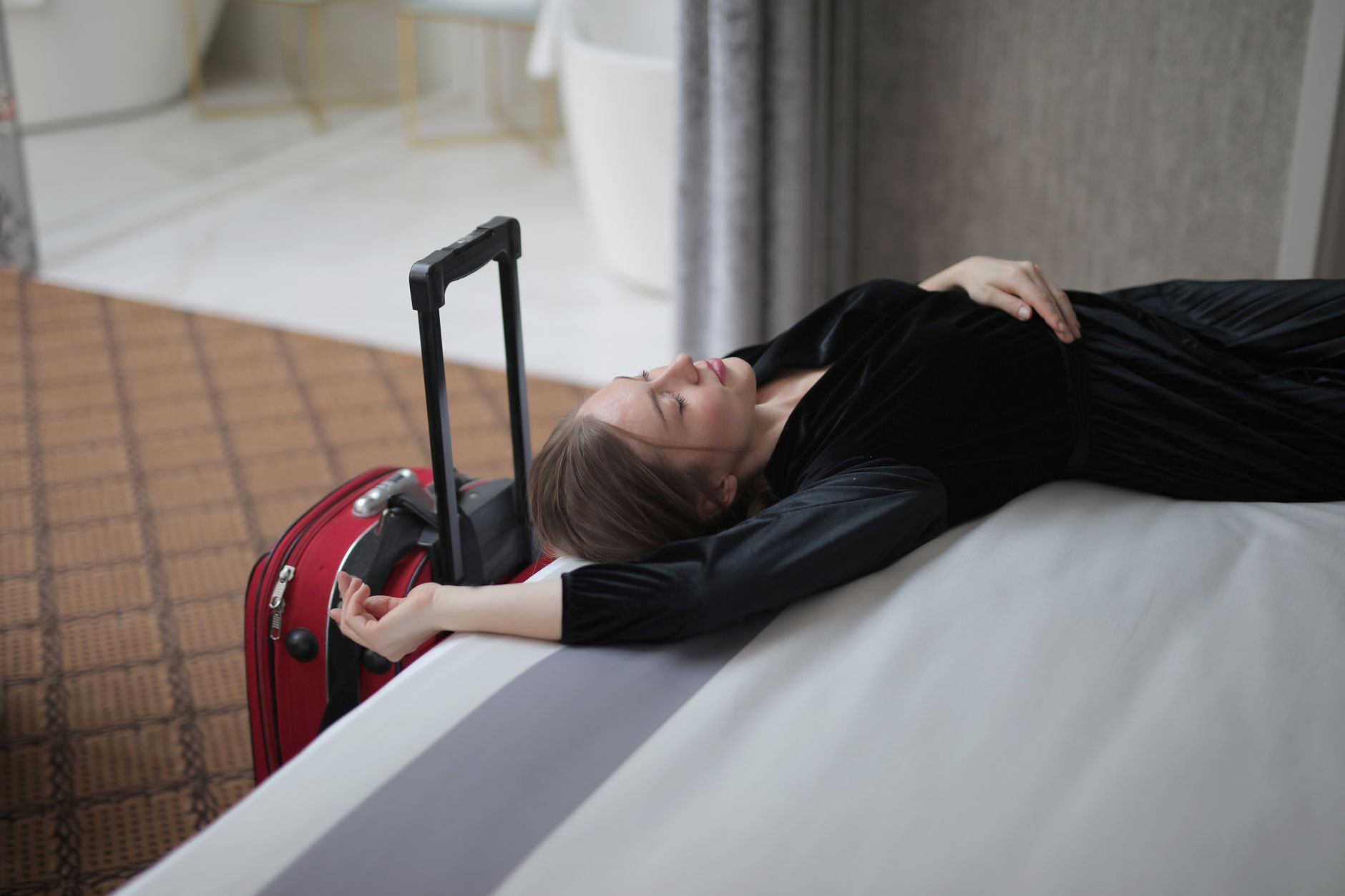
There I was, standing on the vibrant streets of Tokyo, the neon glow of Shinjuku reflecting in my eyes, but all I could think about was the sweet, sweet embrace of my hotel bed. My internal clock was screaming 3 AM, even though it was a bustling 7 PM local time. I’d just flown 14 hours from New York, and jet lag had hit me like a ton of bricks – the familiar brain fog, the weary eyes, the overwhelming urge to sleep through my entire itinerary. It wasn't the first time, and frankly, I was tired of letting a few measly time zones dictate my adventures.
That trip was my turning point. I vowed to crack the code, to find the most effective, trending strategies to beat jet lag, not just eventually, but fast. I delved into the science, interviewed fellow globetrotters, and experimented with everything from obscure supplements to extreme light therapy. And guess what? It’s not just possible to significantly reduce jet lag; it’s possible to virtually eliminate it within 24 hours of arrival, especially if you start before you even leave.
Welcome to the ultimate guide for beating jet lag in 24 hours, packed with the latest biohacks, common-sense wisdom, and a few personal anecdotes from my own journey to becoming a jet lag ninja. Get ready to reclaim your travel mojo!
1. Pre-Flight Power-Up: Setting Your Internal Clock Before You Depart
The secret to a swift recovery often begins before your wheels even leave the tarmac. Think of it as a head start for your circadian rhythm – your body's natural sleep-wake cycle.
My Personal Playbook:
- The Gradual Shift (My Tokyo Trick): For my last trip to Japan, I started shifting my sleep schedule by 30-60 minutes each day for three days before departure, moving towards Tokyo time. If you're flying east, go to bed earlier and wake up earlier. Flying west? Stay up later and wake up later. It’s a subtle change, but it makes a world of difference. I found even a 2-hour shift made my first day in Tokyo feel significantly less jarring.
- Optimized Flight Booking: Whenever possible, I try to book flights that land in the late afternoon or early evening at my destination. This allows me to power through a few hours, have dinner, and then go to bed at a reasonable local time. Landing in the morning can be a trap, tempting you into a nap that throws everything off.
- Hydration, Hydration, Hydration: This isn't just a trend; it's fundamental. Start hydrating intensely 24-48 hours before your flight. I swear by my 1-liter Hydro Flask, ensuring I drink at least 3-4 refills daily. Dehydration exacerbates every jet lag symptom.
- Pre-Flight Chill-Out: Stress can mess with your sleep. The day before a big trip, I try to avoid strenuous activities and instead focus on light exercise, packing, and a relaxing evening. A warm bath with Epsom salts (around $10 for a bag) and a good book are my go-to.
Actionable Tips:
- Start Early: Begin adjusting your sleep schedule 2-3 days before departure.
- Hydrate Relentlessly: Carry a large reusable water bottle and refill often.
- Strategic Flight Times: Aim to land in the late afternoon/early evening.
- Minimize Pre-Travel Stress: A relaxed body and mind adjust better.
2. Mid-Air Mastery: Hacking Your Flight for a Smooth Landing
The flight itself is your battleground against jet lag. How you spend those hours in the air can determine whether you land refreshed or ragged.
My Personal Playbook:
- The "No Alcohol & Caffeine" Rule (My London Lesson): On a flight to London a few years back, I made the mistake of "celebrating" with a glass of wine. The result? A terrible night's sleep on the plane and a brutal first day. Now, it’s strictly water and herbal tea for me. Alcohol dehydrates and disrupts sleep architecture, while caffeine stays in your system longer than you think.
- Strategic Napping (Not Sleeping!): If your flight aligns with your new destination's night, try to sleep. But if it's daytime there, avoid long naps. I aim for 20-30 minute power naps if I absolutely need one, but generally, I try to stay awake and engage in activities like reading or watching movies.
- Blue Light Blockers (My Tokyo Game Changer): This is a huge one. As soon as the sun sets at my destination (or if it's night there), I put on my blue light blocking glasses (I use a pair from Swannies, around $40-60). These block the wavelengths of light that suppress melatonin production, helping your body think it's night even if you're still watching a movie. This was a game-changer for my Tokyo trip!
- Movement & Compression: Get up and move every hour or two. Walk the aisles, do some stretches. I also swear by compression socks (around $20-30). They improve circulation, reduce swelling, and prevent that heavy, tired leg feeling.
- Comfort is King: Invest in a good neck pillow (my favorite is the Trtl Pillow, about $40), an eye mask (Manta Sleep Mask, around $35, is fantastic for complete darkness), and noise-canceling headphones (Bose QuietComfort, around $250-350, are worth every penny). Creating a comfortable, dark, quiet environment is crucial for any sleep you do get.
Actionable Tips:
- Ditch the Booze & Caffeine: Stick to water and herbal tea.
- Mindful Napping: Avoid long naps during destination daytime.
- Block Blue Light: Use blue light blocking glasses during destination night.
- Move Your Body: Walk and stretch regularly.
- Gear Up for Comfort: Invest in quality sleep aids.
3. The Golden Hour: Arrival & Immediate Action
You've landed! The next few hours are critical. This is where you actively "force" your body into the new time zone.
My Personal Playbook:
- Immediate Sunlight Exposure (My Bali Breakthrough): This is perhaps the single most powerful tool. On a recent trip to Bali, I landed in the morning. Instead of heading straight to my hotel for a nap, I dropped my bags and went for a walk on the beach, soaking up the natural light. Sunlight, especially in the morning, signals to your brain that it's daytime, resetting your circadian rhythm. Aim for 20-30 minutes of direct sunlight exposure within an hour of waking up at your destination.
- Stay Awake Until Local Bedtime: No matter how tired you feel, resist the urge to nap if it’s before your destination's evening. Power through! If you absolutely must rest, a 20-minute power nap (set an alarm!) is the maximum. Any longer, and you risk deepening your sleep cycle and making it harder to sleep at night.
- Light, Protein-Rich Meal: Opt for a balanced meal upon arrival. Heavy, carb-loaded meals can make you feel sluggish. I usually look for something fresh and local – a salad with grilled fish or chicken, or a vibrant veggie bowl.
- Gentle Movement: A light walk, some stretching, or even just exploring your immediate surroundings can help keep you awake and signal to your body that it's daytime. Avoid intense workouts on day one, as they can be counterproductive when your body is already stressed.
Actionable Tips:
- Seek Sunlight Immediately: Get outside within an hour of arrival.
- No Naps (or Short Power Naps Only): Push through until local bedtime.
- Eat Smart: Choose light, protein-rich meals.
- Gentle Activity: Stay active without overdoing it.
4. The 24-Hour Reset Toolkit: Trending Biohacks for Rapid Recovery
Now, let's talk about the cutting-edge stuff, the trending biohacks that can supercharge your recovery within that crucial 24-hour window.
My Personal Playbook:
- Melatonin (Strategic & Low Dose): This isn't a sleeping pill; it's a hormone that regulates sleep. I use it cautiously and strategically. If I'm flying east and need to sleep earlier, I'll take a very low dose (0.5mg-1mg) about 30-60 minutes before my new bedtime on the first night. The key is low dose and precise timing. Too much, or at the wrong time, can backfire. Always consult a doctor before starting any new supplement.
- Timeshifter App (My Secret Weapon for Complex Trips): This app (around $10/month or $25/year) is like having a personal jet lag consultant in your pocket. Based on chronobiology research, it creates a personalized plan for when to seek light, avoid light, take melatonin, or consume caffeine, tailored to your flight details and personal sleep patterns. I used it for a multi-leg trip through Asia, and it was incredibly effective. It's truly trending among frequent flyers for a reason.
- Cold Exposure (My Icelandic Experiment): This might sound extreme, but controlled cold exposure, like a cold shower (30 seconds to 2 minutes) or even a quick dip in a cold pool, can be incredibly invigorating and help reset your system. After a red-eye to Iceland, a quick plunge in a glacial river (under supervision, obviously!) felt like hitting a reset button. It boosts alertness, reduces inflammation, and can improve mood. You can achieve a similar effect with a cold shower at your hotel.
- Earthing/Grounding (My Bali Beach Walk): The idea here is to reconnect with the Earth's natural electrical charge. While the science is still developing, many travelers (myself included) swear by it for reducing inflammation and promoting well-being. Simply walking barefoot on grass, sand, or dirt for 15-30 minutes upon arrival can be surprisingly re-energizing. My Bali beach walks were as much about grounding as they were about sunlight.
- Adaptogens (My Go-To for Stress): Rhodiola rosea and Ashwagandha are adaptogenic herbs that help your body adapt to stress. While not a direct jet lag cure, taking them a few days before and during your trip can help manage the overall stress of travel, which indirectly aids in recovery. I usually add a few drops of an Ashwagandha tincture to my water on travel days.
Actionable Tips:
- Strategic Melatonin: Use low doses (0.5-1mg) right before new bedtime, if needed.
- Try Timeshifter: Leverage personalized schedules for light/dark exposure.
- Embrace the Cold: A cold shower can provide an invigorating reset.
- Ground Yourself: Walk barefoot on natural surfaces.
- Consider Adaptogens: Help your body manage travel stress.
5. Fueling Your Fast Track: Nutrition & Hydration for a Swift Reset
What you put into your body plays a monumental role in how quickly you adjust. Think of food as fuel for your internal clock.
My Personal Playbook:
- Timing Your Meals (My NYC Power Lunch): Just like sleep, meal timing can influence your circadian rhythm. Try to eat your main meals at the local times you normally would. On a recent trip to NYC from Europe, I made sure to have a hearty "lunch" at 1 PM local time, even though my body thought it was 7 PM. This helps signal to your body that it's daytime.
- Protein-Rich Breakfasts: A good breakfast, rich in protein, helps kickstart your metabolism and provides sustained energy. Eggs, yogurt, nuts, and seeds are my go-to. Avoid sugary pastries that lead to an energy crash.
- Electrolytes are Your Friends: Beyond plain water, electrolytes are crucial for rehydration, especially after long flights in dry cabin air. I always carry electrolyte packets (like Liquid IV, around $25 for a pack) and add them to my water bottle. They taste great and genuinely make a difference in how quickly I feel re-energized.
- Avoid Heavy Carbs Before Bed: While carbs can make you feel sleepy, a heavy meal before bed can disrupt sleep quality. Opt for lighter fare in the evening, focusing on lean protein and vegetables.
- Cherries for Sleep (My Secret Weapon): Tart cherry juice is a natural source of melatonin. If I'm struggling to fall asleep on the first night, a small glass of tart cherry juice (available at most grocery stores for $5-10) about an hour before bed can sometimes give me that extra push.
Actionable Tips:
- Align Meal Times: Eat at local meal times.
- Prioritize Protein: Especially for breakfast.
- Boost Hydration with Electrolytes: Essential for cabin air recovery.
- Light Dinners: Avoid heavy meals before bed.
- Natural Sleep Aids: Consider tart cherry juice for melatonin.
6. Mind Over Time Zone: Mental Resilience & Mindfulness
Jet lag isn't just physical; it's mental. Your brain is trying to process conflicting signals, and that can lead to frustration and anxiety. Cultivating a resilient mindset is key.
My Personal Playbook:
- Acceptance & Patience: The biggest mistake I used to make was getting frustrated with myself for feeling tired. Now, I practice acceptance. It's okay to feel a bit off; your body is doing an amazing job adjusting. Acknowledge it, but don't dwell on it.
- Short Meditation & Deep Breathing: Even 5-10 minutes of mindfulness meditation or deep breathing exercises can calm your nervous system and help you feel more centered. Apps like Calm or Headspace (both offer free trials, then around $70/year) are fantastic for guided sessions. I often do a quick breathing exercise on the plane and right after landing.
- Focus on the "Why": Remind yourself why you're traveling. The excitement of exploring a new city, tasting new foods, or seeing incredible sights can be a powerful motivator to push through that initial fatigue.
- Avoid Obsessive Clock-Watching: Constantly checking your home time or lamenting how tired you "shouldn't" be is counterproductive. Focus on the local time and what you need to do now to align with it.
- Create a Soothing Sleep Environment: When it's time for bed, make your room as dark, quiet, and cool as possible. Use your eye mask, earplugs, and turn down the thermostat. This signals to your brain that it's truly time to rest.
Actionable Tips:
- Practice Acceptance: Be kind to yourself during adjustment.
- Mindfulness: Use meditation or deep breathing to calm your mind.
- Stay Positive: Focus on the excitement of your trip.
- Ditch the Old Clock: Live by local time immediately.
- Optimize Your Sleep Space: Darkness, quiet, and cool temperatures are key.
Conclusion: Your Jet Lag-Free Adventures Await!
Jet lag used to be an inevitable travel tax, but with these trending hacks and a proactive approach, it doesn't have to be. From strategic pre-flight adjustments and in-air tactics to immediate post-arrival actions and cutting-edge biohacks, you now have a comprehensive toolkit to conquer time zones in 24 hours or less.
My journey from a jet-lagged zombie in Tokyo to a refreshed explorer in Bali taught me that with a little planning and consistency, you can dramatically improve your travel experience. Imagine landing, feeling vibrant, and ready to dive headfirst into your adventure from day one!
So, next time you're packing your bags for that dream destination, remember these tips. Start early, stay hydrated, embrace the light, and use these trending strategies to reset your internal clock. Your adventures are waiting, and you deserve to experience them fully, from the moment you land.
What are your go-to jet lag hacks? Share your secrets in the comments below! And if you found this guide helpful, don't forget to share it with your fellow wanderlusters. Let's make jet lag a thing of the past!
---