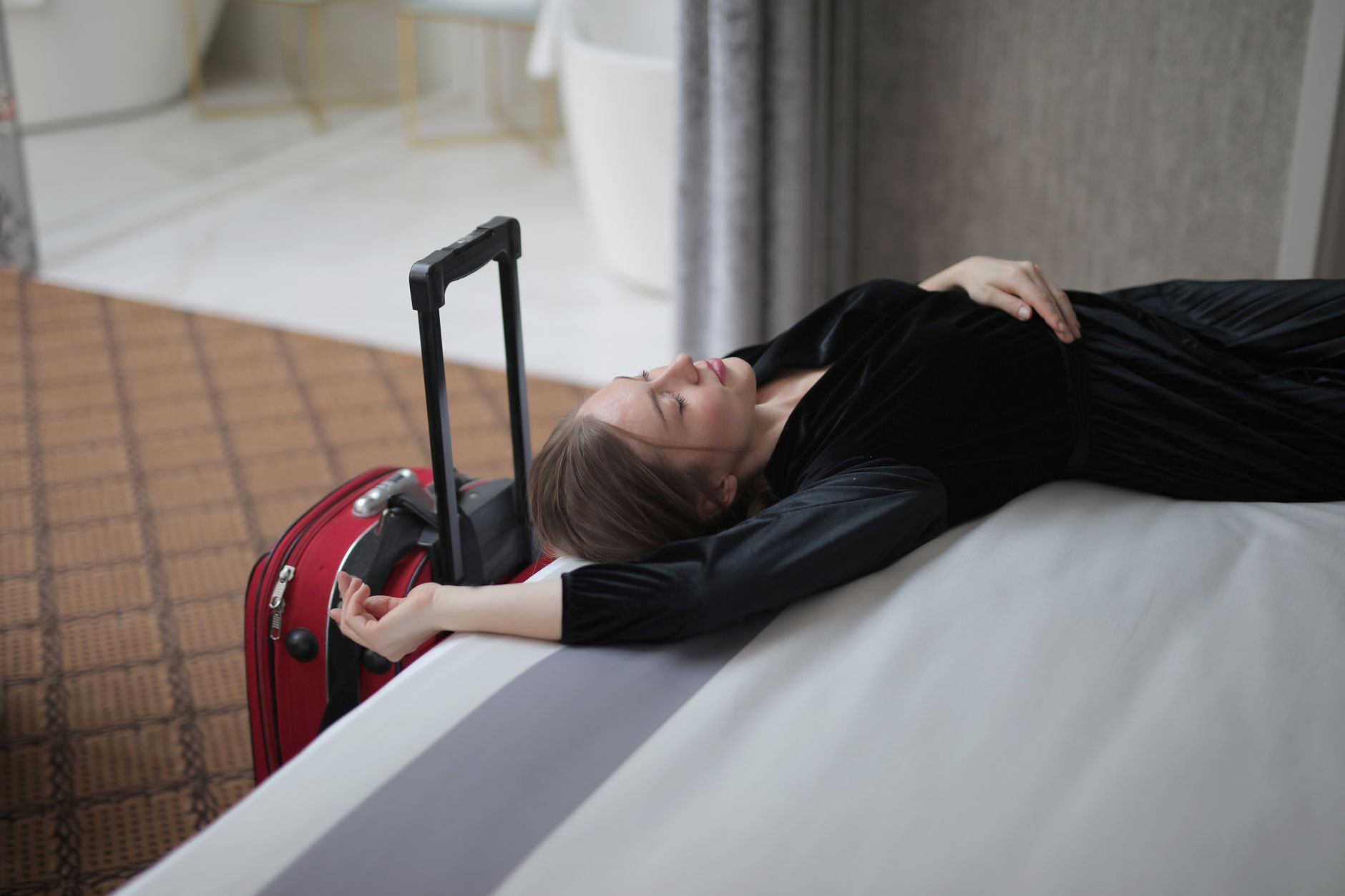
Alright, fellow wanderlusters, let’s get real for a moment. You’ve just spent months planning that epic trip, meticulously curating your itinerary, and probably saving every spare penny. You’re finally there, standing on foreign soil, ready to embrace new cultures, taste exotic flavors, and capture those Instagram-worthy moments… only to feel like you’ve been run over by a rogue tuk-tuk. Your body clock is screaming 3 AM when it’s 3 PM, your eyes are gritty, and the thought of anything beyond finding the nearest bed feels like an Olympic sport.
Sound familiar? That, my friends, is the soul-crcrushing reality of jet lag.
I’ve been there more times than I care to admit. I remember landing in Bali after a brutal 28-hour journey from London, convinced I could power through. I missed the most spectacular sunrise over a rice paddy field because I was violently ill and utterly exhausted in my hotel room. My first 48 hours in paradise were spent in a daze, barely able to string a sentence together, let alone enjoy the vibrant energy of Ubud. It was a travel blogger’s nightmare, and certainly not the glossy image you see on social media.
That experience was my turning point. I vowed never again to let jet lag steal precious moments from my adventures. Over years of crisscrossing continents – from the bustling streets of Tokyo to the tranquil beaches of the Algarve, from the concrete jungle of New York to the ancient ruins of Rome – I’ve developed a system. A tried-and-true methodology that allows me to beat jet lag, often in under 24 hours.
And here’s the kicker: it’s not some magic pill or an exclusive retreat in the Himalayas. It’s a combination of science-backed strategies, discipline, and a few insider tricks that those perfectly bronzed, perpetually energetic Instagram influencers definitely use but rarely talk about. They want you to think it’s effortless, a natural glow. But trust me, behind those perfectly filtered shots are travelers who understand the art of rapid recovery.
So, ditch the filters, bookmark this page, and let's unlock the secrets to conquering jet lag like a pro. Your next adventure starts now, fully awake and ready to explore!
---
Section 1: The Pre-Flight Power Play – Setting the Stage for Success
Beating jet lag doesn't start when you land; it begins days before you even step foot on the plane. This is where most travelers drop the ball, and it’s a critical difference between a smooth transition and a week of zombie-like existence.
1. The Gradual Shift: Pre-Adjust Your Body Clock This is perhaps the most impactful, yet overlooked, strategy. A few days before your flight, start gradually shifting your sleep schedule towards your destination's time zone.
- Eastbound Travel (e.g., NYC to Paris): Start going to bed and waking up an hour earlier each day for 2-3 days prior. So, if you usually sleep 11 PM - 7 AM, shift to 10 PM - 6 AM, then 9 PM - 5 AM.
- Westbound Travel (e.g., Paris to NYC): Do the opposite – go to bed and wake up an hour later each day.
Even a 2-3 hour shift can make a monumental difference upon arrival. Think of it as a gentle nudge, not a sudden shock.
2. Hydration Heroics: Water is Your Best Friend Air travel is incredibly dehydrating. The cabin air is drier than the Sahara, and dehydration exacerbates jet lag symptoms like fatigue, headaches, and brain fog.
- Start early: Begin upping your water intake 24-48 hours before your flight.
- During the flight: Aim for at least 8 ounces of water for every hour you're in the air. I always carry a reusable water bottle (my Hydro Flask 32 oz is a lifesaver) and ask flight attendants to refill it. Skip the fizzy drinks and definitely limit alcohol and caffeine – more on that later.
3. Strategic Flight Booking: Master Your Arrival Time Whenever possible, book flights that land in the late afternoon or early evening (e.g., 4 PM - 8 PM) in your destination's local time.
- Why this works: It gives you enough time to check into your accommodation, grab a light dinner, and then head straight to bed at a reasonable local hour. This immediate immersion into the new sleep cycle is crucial. Avoiding early morning arrivals means you won't be struggling to stay awake for 12+ hours on day one.
4. Pack Your Jet Lag Survival Kit: These are non-negotiables in my carry-on:
- High-quality eye mask: Not just any flimsy freebie. Invest in a Manta Sleep Mask or similar for total blackout.
- Noise-canceling headphones: Bose QC35 II or Sony WH-1000XM4 are worth every penny for blocking out engine hum and noisy passengers.
- Compression socks: Essential for long flights to prevent swelling and reduce DVT risk. My go-to are Bombas.
- Electrolyte powder: Crucial for maintaining hydration. I always pack a few LMNT or Nuun sachets.
- Small bottle of lavender essential oil: A few drops on a tissue can be incredibly calming for sleep.
- Melatonin (optional, with caution): A low dose (0.5-1mg) can help signal to your body it’s bedtime, but use sparingly and test it at home first.
---
Section 2: In-Flight Mastery – Your Sky-High Sanctuary Strategy
The moment you board the plane, you're already in your new time zone. This mindset shift is powerful.
1. Set Your Watch to Destination Time – Immediately! As soon as the plane doors close, change your watch and all your devices to your destination’s local time. This psychological trick helps you start adjusting your mental clock right away.
2. Hydrate, Hydrate, Hydrate (Again!) & Ditch the Vices: I cannot stress this enough. For every alcoholic drink or coffee you have, drink two glasses of water. Better yet, avoid alcohol and excessive caffeine altogether. They disrupt sleep, dehydrate you, and make jet lag infinitely worse. That celebratory glass of wine might feel good at 30,000 feet, but it's a direct ticket to a jet-lagged headache.
3. Strategic Eating: Align with Your New Schedule Try to eat according to your destination's meal times. If it's dinner time there, eat. If it's breakfast, politely decline the meal service if it doesn't align and opt for a light snack you packed instead.
- My trick: I often pack my own healthy snacks (nuts, fruit, protein bar) so I’m not reliant on airline food timing, which can be erratic.
4. Master the Art of the Power Nap (or Full Sleep): This is where your eye mask and noise-canceling headphones become your superpowers.
- Eastbound: Try to sleep as much as possible, especially if your arrival time is evening. Force yourself into that new night cycle.
- Westbound: It's often harder to sleep. Try to stay awake until it's "night" at your destination. If you absolutely need to rest, take short power naps (20-30 minutes) to avoid falling into a deep sleep cycle that will further confuse your body.
- Light Exposure: If it’s daytime at your destination, keep your window shade open (if appropriate) and expose yourself to light. If it’s nighttime, keep it dark and try to sleep.
5. Movement is Medicine: Don't Be a Statue Long periods of sitting are terrible for circulation and energy levels.
- Every 2-3 hours: Get up, walk the aisles, stretch. Do some simple neck rolls, shoulder shrugs, and ankle rotations in your seat. Many airlines have in-flight exercise guides on their entertainment systems. I often do a few discreet yoga stretches in the galley if it's empty.
---
Section 3: The Arrival Day Power Play – Hacking Your New Time Zone
You've landed! The real battle begins, and your first 24 hours are critical. This is where you either conquer jet lag or succumb to it.
1. Embrace the Light: Your Circadian Rhythm's Best Friend As soon as you step off the plane, seek out natural light if it’s daytime at your destination.
- Morning/Afternoon Arrival: Go outside immediately. Take a walk, grab a coffee at an outdoor cafe. Natural light is the most powerful signal to your brain that it’s daytime. Even if you're tired, resist the urge to draw the curtains and hide in your hotel room. I remember landing in Rome at 10 AM, utterly drained, but forced myself to walk to the Colosseum, soaking in the morning sun. It was tough, but by evening, I felt surprisingly functional.
- Evening Arrival: Conversely, avoid bright lights, especially blue light from screens, as you approach bedtime. Dim the lights in your room.
2. Stay Awake Until Local Bedtime (No Matter What!) This is the golden rule. If you arrive in the afternoon, you might be tempted to "just rest your eyes" for an hour. Don't. That hour-long nap can easily turn into a 4-hour deep sleep, throwing your entire recovery off course.
- My Strategy: Plan something engaging but not overly strenuous for your arrival afternoon. A gentle stroll through a park, exploring your immediate neighborhood, finding a local market, or enjoying a leisurely meal. The key is to stay active and exposed to the local rhythm. I once landed in Lisbon at 3 PM, incredibly sleepy. Instead of a nap, I unpacked, then walked along the Tagus River, found a pasteis de nata, and just observed the city life. By 9 PM, I was genuinely tired and fell asleep easily.
3. Move Your Body (Gently): Light exercise helps boost energy and can promote better sleep.
- Avoid intense workouts: Don't hit the gym for a heavy session on day one. A brisk walk, a light jog, or some gentle yoga/stretching is perfect. It helps release endorphins and signals to your body that it’s awake time.
4. Eat Light, Eat Right: Your digestive system is also out of whack.
- Avoid heavy, rich, or spicy meals on your first day. Opt for lean protein, fresh vegetables, and whole grains.
- Limit sugar and processed foods: They can cause energy crashes.
- Dinner: A light, early dinner is ideal. Something easy to digest, like a salad with grilled chicken or fish.
---
Section 4: The Sleep Sanctuary – Crafting Your Perfect First Night
Your first night in the new time zone is paramount. This is your chance to reset your internal clock.
1. Optimize Your Sleep Environment:
- Blackout Curtains: Crucial! If your hotel doesn't have them, use your eye mask. No light should penetrate.
- Cool Temperature: The ideal sleep temperature is generally between 60-67°F (15-19°C).
- Silence: Use your noise-canceling headphones or earplugs. White noise apps can also be helpful.
- No Screens: Avoid phones, tablets, and laptops for at least an hour before bed. The blue light emitted by these devices suppresses melatonin production, making it harder to fall asleep. Read a book, listen to calming music, or meditate instead.
2. The Melatonin Debate (Use with Caution): Melatonin is a hormone that regulates sleep-wake cycles. A low dose (0.5mg to 1mg) taken about 30 minutes before your desired bedtime in the new time zone can help signal to your body that it’s time to sleep.
- My advice: Consult your doctor before using, especially if you're on other medications. And always test it at home before traveling to see how your body reacts. I personally use a very low dose only for eastbound flights where I need to force an earlier bedtime.
3. Wind-Down Ritual: Even if you're exhausted, create a relaxing pre-sleep routine. A warm shower or bath, some deep breathing exercises, or gentle stretching can signal to your body that it’s time to switch off.
---
Section 5: Nutrition & Hydration – Fueling Your Rapid Recovery
What you put into your body plays a huge role in how quickly you recover.
1. Electrolytes are Non-Negotiable: As mentioned, dehydration is a jet lag amplifier. Electrolytes (sodium, potassium, magnesium) are vital for proper hydration, nerve function, and preventing muscle cramps.
- My routine: I drink an electrolyte-enhanced water (with my LMNT sachet) upon waking, before bed, and often during the flight. It makes a noticeable difference in energy levels and reduces that fuzzy head feeling.
2. Smart Snacking and Meal Choices:
- Protein-rich breakfasts: Think eggs, yogurt, or a protein smoothie. This provides sustained energy for your day.
- Complex carbohydrates for lunch: Whole grains, vegetables, and lean proteins will keep you full and energized without a crash.
- Avoid heavy, greasy foods: Especially on arrival day. Your digestive system is already working overtime.
- Limit processed sugar: The quick energy spike is followed by a brutal crash. Stick to natural sugars from fruit if you need a boost.
3. The Power of Magnesium: Magnesium is a mineral involved in over 300 bodily processes, including sleep regulation and muscle relaxation. Many people are deficient.
- Food sources: Leafy greens, nuts, seeds, dark chocolate.
- Supplementation: A magnesium supplement (like magnesium glycinate) taken before bed can aid relaxation and sleep. Again, consult a doctor first.
---
Section 6: Mindset & Movement – Beyond the Physical
Jet lag isn't just physical; it's mental. Your mood, focus, and overall well-being take a hit.
1. Embrace the Outdoors and Light Movement: This ties back to the light exposure, but it's more than just that. Being outdoors, even for a short walk, connects you to your new environment and helps regulate your mood.
- Example: When I landed in Kyoto after a long flight, I forced myself to walk through the serene Arashiyama Bamboo Grove. The fresh air, the gentle rustle of the bamboo, and the sheer beauty were incredibly grounding and instantly lifted my spirits, distracting me from my fatigue.
2. Mindfulness and Meditation: Even 10-15 minutes of meditation or deep breathing can calm a frazzled nervous system and help you feel more centered. Apps like Calm or Headspace are excellent for guided sessions. This is particularly helpful if you're struggling to fall asleep or wake up feeling anxious.
3. Be Kind to Yourself: While these strategies are designed for rapid recovery, understand that some days will be harder than others. Don't beat yourself up if you feel a little sluggish. Listen to your body, but gently nudge it back onto schedule. The goal is progress, not perfection.
---
Section 7: The "Influencer" Angle Revealed – It’s Consistency, Not Magic Filters
So, why don't influencers explicitly share these "secrets"? Because they're not particularly glamorous. There's no viral TikTok dance for pre-flight hydration or a stunning photo op for blackout curtains. The truth is, looking fresh and vibrant after a 12-hour flight isn't about expensive serums or a perfectly angled selfie; it's about meticulous planning, unwavering discipline, and consistent application of these very strategies.
They wake up at 6 AM local time, even if their body is screaming 11 PM. They prioritize sunlight and hydration over that extra glass of champagne. They manage their sleep environment like a military operation. They might show you the glamorous destination, but what they don't show is the systematic approach they take to ensure they're feeling their best to capture that content. It’s not magic; it’s method. And now, it’s your method too.
---
Conclusion: Reclaim Your Travel Days, One Time Zone at a Time!
Jet lag doesn't have to be an inevitable part of long-haul travel. By implementing these pre-flight preparations, in-flight strategies, and crucial first 24-hour tactics, you can dramatically reduce its impact and often beat it entirely within a day. No more wasted vacation days, no more zombie shuffles through incredible cities.
I’ve used these exact techniques to land in Sydney from London and be ready to explore the Opera House by afternoon, to arrive in Cape Town from Toronto and hike Table Mountain the very next morning, and to hit the vibrant streets of Tokyo without missing a beat. These aren't just tips; they're a blueprint for maximizing your travel experience.
So, the next time you book that dream trip, remember these strategies. Prepare diligently, execute flawlessly, and reclaim every precious moment of your adventure. Don't just travel; thrive.
Now it's your turn! Which of these tips are you most excited to try? Have your own jet lag hacks? Share your experiences in the comments below! And if you found this guide helpful, hit that share button – let's help more travelers conquer jet lag and explore the world fully awake!