Beyond the 'Gram: Clothing Customs Influencers Don't Want You To Know
I remember standing at the entrance of Wat Arun in Bangkok, sweat trickling down my back, watching a young woman argue animatedly with a temple guard. She was stunning, perfectly coiffed, wearing a crop top and denim shorts, clearly dressed for a photoshoot. The guard, however, was politely but firmly denying her entry, pointing to a sign displaying appropriate attire. Her frustration was palpable; her carefully curated "temple chic" outfit, no doubt inspired by countless Instagram posts, was utterly useless. She eventually stormed off, missing out on one of Thailand's most breathtaking sites, all for a few likes.
That moment stuck with me. It wasn't just about a dress code; it was about respect. It highlighted a growing disconnect in the travel world, especially among some influencers who seem to prioritize the perfect shot over genuine cultural immersion. They show you the picturesque backdrop, the aspirational lifestyle, but often gloss over – or entirely ignore – the subtle, yet crucial, details that truly make a trip meaningful: the clothing customs that show you get it.
At Tripsora, we believe travel is more than just collecting passport stamps and pretty photos. It's about connecting, learning, and showing genuine respect for the places and people you encounter. And sometimes, that starts with what you wear. So, let's pull back the curtain on the sartorial secrets that influencers often omit, and empower you to travel not just beautifully, but respectfully.
Beyond the 'Gram: Why Your Outfit Truly Matters
Before we dive into specifics, let's understand why clothing customs are so important. It's not about being restrictive; it's about understanding. In many cultures, clothing isn't just fabric; it's a profound expression of identity, faith, tradition, and social norms.
Think about it: in Western cultures, we have unspoken dress codes too. You wouldn't wear a swimsuit to a job interview, right? The same principle applies globally, but with different nuances. A bare shoulder in a European cathedral might be a minor oversight, but in a mosque in Morocco, it could be deeply offensive. Showing your knees in a sacred Buddhist temple isn't just a fashion faux pas; it can signify a lack of reverence for their spiritual beliefs.
When you make an effort to dress appropriately, you're doing more than just avoiding an awkward encounter. You're:
- Showing respect: You acknowledge and honor local traditions.
- Opening doors: Locals are more likely to engage with you, share their stories, and welcome you into their spaces.
- Ensuring safety: In some regions, dressing modestly can help you blend in and avoid unwanted attention.
- Deepening your experience: You move beyond being a mere spectator and become a participant, even in a small way.
My friend, Sarah, once told me about her trip to a small village in Rajasthan, India. She'd packed a mix of breezy dresses and linen trousers. While her dresses were lovely, when she started wearing the loose-fitting Kurtas she bought from a local market, the difference was immediate. Women smiled at her more, invited her for chai, and she felt a tangible shift in how she was perceived – less like a tourist, more like a respectful visitor. That’s the magic we’re talking about.
Sacred Spaces, Sacred Dress: Navigating Religious Sites
This is perhaps the most common area where travelers stumble. Religious sites, whether they're ancient temples, towering cathedrals, or serene mosques, are places of worship and profound significance. They demand a certain level of decorum.
The Golden Rules for Sacred Sites:
- Cover Shoulders and Knees: This is almost universal. For women, this often means long skirts or trousers, and tops that cover the shoulders and décolletage. For men, long trousers are usually expected.
- Example: Vatican City, Rome, Italy. St. Peter's Basilica and the Vatican Museums have strict rules. I once saw a couple denied entry because the woman’s shorts were too short, and the man’s tank top was deemed inappropriate. No amount of "but it's hot!" will change their policy. Always carry a light scarf or sarong to cover up if you're wearing sleeveless tops.
- Example: Buddhist Temples, Southeast Asia (Thailand, Cambodia, Laos). Here, the rule is often even stricter: shoulders and knees must be covered for both men and women. Shoes must be removed before entering the main prayer halls. I always pack a lightweight, breathable sarong that doubles as a skirt, shawl, or even a changing room! You can often rent or buy sarongs at temple entrances for a small fee (around 50-100 THB in Thailand, or $1-3 USD), but it’s always better to be prepared.
- Example: Churches in Southern Europe (Spain, Italy, Greece). While less strict than the Vatican, generally modest dress is appreciated. Avoid overly revealing clothing.
- Head Coverings (for Women): In many mosques and some Orthodox churches, women are expected to cover their heads.
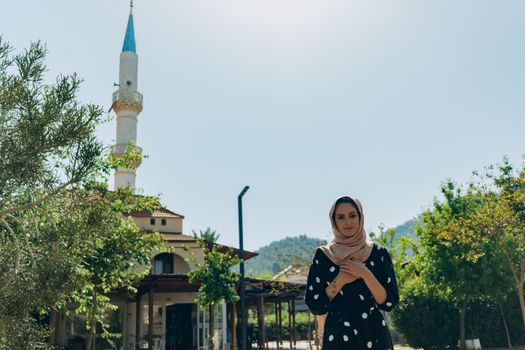
- Example: Mosques in the Middle East & North Africa (e.g., Sultan Qaboos Grand Mosque, Oman; Hassan II Mosque, Morocco). Women must wear a headscarf. This isn't just about covering hair; it's a sign of humility and respect. I remember visiting the Sultan Qaboos Grand Mosque in Muscat, Oman. They provided abayas and headscarves for free to visitors who weren't dressed appropriately, which was a thoughtful gesture, but it’s much nicer to come prepared. A simple pashmina or large scarf works perfectly.
- Example: Some Orthodox Churches (e.g., Russia, Greece). While not always enforced for tourists, covering your head is a sign of respect, especially during services. Observe what local women are doing.
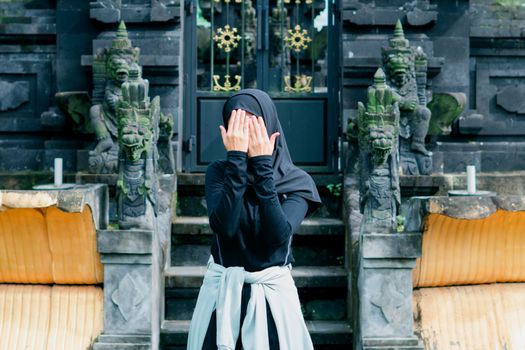
- Remove Your Shoes: Common in many Asian religious sites (Buddhist, Hindu, Sikh temples) and also in some private homes. Look for a pile of shoes outside the entrance – that's your cue!
- Example: Temples in Japan. You'll often find shoe racks at the entrance. Be sure your socks are clean and hole-free!
Everyday Elegance: Dressing for Modesty in Conservative Cultures
Beyond religious sites, many cultures simply have a more conservative approach to everyday dress. This is particularly true in rural areas, parts of the Middle East, Southeast Asia, and some regions of Latin America.
General Guidelines for Conservative Cultures:
- Avoid overly revealing clothing: This means no short shorts, mini-skirts, low-cut tops, or excessively tight clothing. Opt for loose-fitting, breathable fabrics that cover more skin.
- Cover shoulders and knees: Again, this is a good default. Even if it's not a religious site, it's a sign of respect in many towns and villages.
- Consider local styles: My favorite way to blend in and show respect is to adopt a bit of local fashion. In India, I love wearing a lightweight kurta. In Southeast Asia, a simple sarong is incredibly versatile. Not only does it help you fit in, but it's often more comfortable in hot climates than Western clothes!
- Observe and adapt: The best advice I ever got was to "look at what the local women are wearing and dial it down a notch." If they're wearing long sleeves and trousers, you probably shouldn't be in a tank top and shorts.
I recall a trip to a small village near Ubud, Bali. I'd spent the morning at the beach in my swimsuit, but before heading into the village for lunch, I quickly changed into loose linen trousers and a modest top. My friend, however, just threw on a short sundress over her bikini. Throughout lunch, I noticed the local women seemed more at ease with me, often smiling and making small talk. My friend, on the other hand, received polite but somewhat distant service. It was a subtle difference, but clear enough to illustrate the impact of respectful attire.
Head Coverings & Footwear: The Subtle Art of Respect
Let's dive a little deeper into two specific areas that often cause confusion: head coverings and footwear.
Head Coverings (Beyond Religious Sites): While often associated with religious sites, head coverings can also be a sign of general respect or a practical choice in some cultures.
- In some Muslim countries, outside of mosques: While not always mandatory for non-Muslim women, wearing a headscarf in very conservative areas or smaller towns can show solidarity and respect, and may even help you feel more comfortable and blend in. It's a nuanced choice, so observe what local women are doing.
- Practicality: In dusty or sunny environments (e.g., deserts, rural areas with strong sun), a headscarf can be incredibly practical for sun protection and keeping hair clean. I always carry a breathable cotton or linen scarf – it's a lifesaver in so many situations!
Footwear Customs: The "remove your shoes" rule isn't just for temples.
- Private Homes: In many Asian, Middle Eastern, and even some European homes, it's customary to remove your shoes upon entering. This is a sign of cleanliness and respect. Always look for a shoe rack or a pile of shoes at the door. If in doubt, ask! "May I leave my shoes here?"
- Restaurants/Shops: In some traditional establishments, particularly in Japan or parts of Southeast Asia, you might be asked to remove your shoes. Again, observe local behavior.
- Cleanliness: Always ensure your socks are clean and presentable! No one wants to see your holy socks.
The "Influencer Effect": Posing vs. Participating
This is where the rubber meets the road. Many popular travel influencers, with their perfectly curated feeds, often inadvertently promote a superficial approach to travel. They showcase stunning locations, but sometimes their attire, poses, or overall demeanor betray a lack of understanding or respect for the local culture.
Think about the influencer posing in a flowing dress at a sacred site, twirling for the camera, while locals are quietly praying. Or the one in a skimpy outfit in a conservative village, oblivious to the discomfort of the residents. This isn't just a missed opportunity for connection; it can actively perpetuate negative stereotypes about tourists.
How to Be a Responsible Traveler (Not Just an Aesthetic One):
- Research, Research, Research: Before you even pack, look up the cultural norms of your destination. A quick Google search for "dress code [country/city name]" or "cultural etiquette [country/city name]" can save you a world of embarrassment.
- Observe and Adapt: Once you arrive, pay attention. How are locals dressed? What do they do when entering certain places? Mimic their respectful behaviors.
- Prioritize Respect Over the Shot: Is that "perfect" photo worth potentially offending someone or disrespecting a sacred space? Probably not. Sometimes, the most meaningful moments aren't captured on camera, but in your heart.
- Engage, Don't Just Gaze: Instead of just taking photos, try to interact. Ask questions (respectfully), learn a few local phrases, and genuinely try to understand the culture. Your attire is just one part of this holistic approach.
- Be an Ambassador: Remember, you represent your home country. Be the kind of traveler who leaves a positive impression, not one who contributes to negative stereotypes.
I once followed an influencer who posted a photo of herself in a bikini, perched on a centuries-old statue in a Hindu temple complex in Cambodia. The comments section erupted, and rightly so. It was a stark reminder that while social media can inspire travel, it also carries a huge responsibility. Let's choose to inspire respect, not just envy.
Your Respectful Packing List: Practical Tips for Every Trip
So, how do you pack smart and travel respectfully without sacrificing style or comfort? It's easier than you think!
Essential Items for a Respectful Wardrobe:
- The Versatile Sarong/Pashmina (My #1 Must-Have!): This is your secret weapon. For women, it can be a skirt, a shawl to cover shoulders, a headscarf, a beach cover-up, or even a light blanket on a chilly bus. For men, a larger sarong can be a great way to cover legs for temple visits. I always pack at least two – one lighter cotton, one slightly thicker pashmina.
- Loose-Fitting Trousers/Skirts: Think linen pants, palazzo pants, or maxi skirts. They're comfortable, breathable, and cover your legs. For men, comfortable chinos or linen trousers are far more versatile than shorts.
- Tops with Sleeves: Pack a mix of t-shirts, ¾ sleeve tops, and lightweight long-sleeved shirts. Look for breathable fabrics like cotton, linen, or bamboo.
- Layers, Layers, Layers: Even in hot climates, evenings can be cool, and air-conditioned spaces can be frigid. A light cardigan or a denim jacket is perfect.
- Comfortable Walking Shoes: You'll be doing a lot of walking, and often removing your shoes. Slip-on shoes or sandals that are easy to take off and put back on are ideal.
- Swimwear (for appropriate occasions): Of course, pack your swimwear for the beach or pool, but remember to cover up thoroughly before leaving those areas.
- A "Nice" Outfit: For evenings out or special occasions, a slightly dressier but still modest outfit is a good idea. A flowy dress or tailored trousers with a nice top.
Tripsora Pro-Tip: When shopping for clothes abroad, always choose items that local people wear. Not only does it help you blend in, but you're also supporting local artisans and economies. Plus, you get a unique souvenir that's genuinely useful! I found the most beautiful hand-printed cotton trousers in a market in Jaipur for about $10 USD, and they became my go-to for the rest of my India trip.
Travel with Heart, Dress with Respect
Traveling responsibly means understanding that you are a guest in someone else's home. It means recognizing that the world extends far beyond your own cultural norms and social media feeds. By taking the time to understand and respect local clothing customs, you're not just avoiding a potential faux pas; you're actively engaging with the culture, fostering genuine connections, and enriching your travel experience in ways a thousand likes never could.
So, next time you're packing your suitcase, think beyond the 'Gram. Think about the stories you'll hear, the smiles you'll share, and the genuine connections you'll make. Dress with respect, travel with an open heart, and let your journey be a testament to authentic, meaningful exploration.
What are your favorite respectful travel hacks? Share your tips and experiences in the comments below! And don't forget to share this post with fellow travelers who want to make a positive impact.
---