Secret Travel: 7 Transportation Methods Instagram Influencers Don't Want You To Know
Let’s be honest. We’ve all scrolled through Instagram, double-tapping on perfectly posed shots in front of iconic landmarks, or envious of pristine infinity pools. And while there’s nothing wrong with a beautiful photo, sometimes it feels like the travel world has become a carefully curated highlight reel, missing the messy, vibrant, utterly real moments that truly define an adventure.
I remember one particular trip to Southeast Asia. I was following the "influencer trail" – the same cafes, the same photo spots, the same air-conditioned taxis. It was comfortable, sure, but after a week, I felt a disconnect. I wasn't traveling; I was just consuming a pre-packaged experience. Then, a local friend in Bangkok, noticing my slightly glazed-over eyes, nudged me. "You want to see Bangkok?" he asked, a mischievous glint in his eye. "Then you need to ride the khlong boat."
And just like that, everything changed.
Suddenly, I was hurtling down a narrow canal on a longtail boat, diesel fumes mingling with the scent of street food, passing ramshackle homes built on stilts, monks in saffron robes, and kids splashing in the murky water. It was loud, chaotic, a little bit smelly, and absolutely, gloriously alive. That ride cost me pennies, yet it gave me more insight into Bangkok’s true pulse than any luxury tour ever could. It was an experience that Instagram influencers, with their fear of mussed hair and less-than-pristine backdrops, rarely showcase.
And that, my fellow wanderers, is the genesis of this post. I’m here to pull back the curtain on the unsung heroes of travel: the unique, authentic, and often mind-blowingly efficient transportation methods that will not only save you money but also plunge you headfirst into the heart of a destination. These are the rides that offer stories, not just selfies. These are the transportation methods Instagram influencers don't want you to know about, because they might just make your journey more memorable than their perfectly filtered feeds.
Ready to trade the predictable for the profound? Let’s roll!
1. Soaring Above the City: Medellín’s Metrocable (Colombia)
Forget boring bus rides through traffic-choked streets. In Medellín, Colombia, the future of urban transport isn't just efficient; it's breathtaking. The Metrocable isn't a tourist gimmick; it's an integral part of the city's public transit system, connecting hillside comunas (neighborhoods) to the main metro lines below.
My first time riding the Metrocable, I was skeptical. A cable car as public transport? But as my gondola smoothly ascended, the sprawling, vibrant tapestry of Medellín unfolded beneath me. Houses painted in every conceivable color clung to the steep hillsides, children played soccer in tiny courtyards, and the sounds of salsa music drifted up. It was like watching a living, breathing diorama of urban life. The views are incredible, but what truly struck me was the sense of community. Locals commute daily, greeting neighbors, sharing stories, all while soaring above the city. It's a testament to Medellín's incredible transformation and its commitment to integrating all its citizens.
Why Influencers Might Skip It: It's public transport! It can get crowded during rush hour, and you're sharing a small cabin with locals, not staging a solo photoshoot. The "glamour" isn't there, but the authenticity is off the charts.
Practical Tips & Details:
- Location: Medellín, Colombia. Integrated with the Metro system.
- Cost: The same as a regular metro ticket (around 2,880 COP / $0.75 USD). You can use the Civica card or buy single-use tickets.
- Experience: Take Line K up to Santo Domingo Savio for the most dramatic views. From there, you can even connect to Line L (Parque Arví) for a scenic escape into nature (though this line has a separate, higher fare and is more tourist-oriented).
- Actionable Advice: Go during off-peak hours (mid-morning or early afternoon) for fewer crowds. Respect local commuters and avoid blocking the doors for photos. Strike up a conversation if you feel comfortable – Colombians are incredibly friendly!
2. Time-Traveling Up the Hills: Valparaíso’s Ascensores (Chile)
Valparaíso, Chile, is a bohemian labyrinth of colorful houses, street art, and winding alleys built on impossibly steep hills. And how do you navigate such a vertical city? With its charming, creaky, historic ascensores – outdoor funiculars that have been ferrying residents up and down since the late 19th century.
I remember one sweltering afternoon, utterly lost and convinced I'd walked up the same hill three times. Just as despair was setting in, I spotted a small, unassuming entrance. A hand-painted sign read "Ascensor Reina Victoria." I paid a few pesos, stepped into a wooden carriage, and with a groan and a shudder, it began its slow, deliberate ascent. Through the grimy window, a kaleidoscope of street art, laundry lines, and snippets of local life zipped by. It was like stepping into a time machine. Each ascensor has its own personality, its own history, and delivers you to a unique corner of the city, often with a breathtaking view of the Pacific Ocean.
Why Influencers Might Skip It: They're old, sometimes a little rickety, and not particularly "aesthetic" in the modern sense. They’re about function and history, not sleek design. The photo ops are more about the view from the top, not the ride itself.
Practical Tips & Details:
- Location: Valparaíso, Chile. Over a dozen ascensores are still operational.
- Cost: A mere 300-500 CLP (less than $1 USD) per ride.
- Experience: Popular ones include Concepción, Artillería (near the naval museum), and Reina Victoria. Each drops you in a distinct cerro (hill) with its own vibe, street art, and panoramic views.
- Actionable Advice: Make a day of it! Ride one up, explore the cerro on foot, and then find another ascensor or walk down a different path. It's the best way to truly experience Valparaíso's unique topography and charm. Wear comfortable shoes – even with the ascensores, there's plenty of walking!
3. Art on Wheels: The Philippine Jeepney (Philippines)
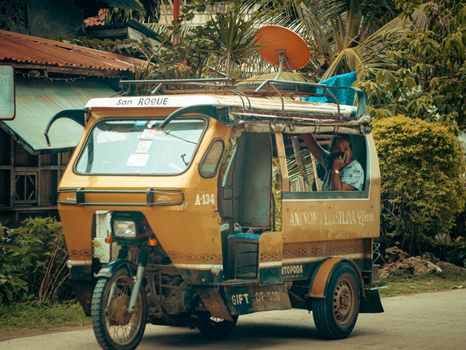
If there's one vehicle that embodies the vibrant, resilient, and utterly unique spirit of the Philippines, it's the Jeepney. These elongated, brightly decorated, repurposed US military jeeps are the backbone of public transport in cities and rural areas alike. Each one is a rolling work of art, adorned with chrome horses, religious iconography, pop culture references, and often, the driver's own personal flair.
My first Jeepney ride was an assault on the senses in the best possible way. I squeezed into the back, knees practically touching the person opposite, surrounded by locals laughing and chatting. The music was blasting, the air was thick with the scent of tropical rain and exhaust, and outside, the bustling streets of Manila were a blur of motion. When it was time to pay, I watched in fascination as my fare was passed down the line, hand to hand, until it reached the driver, who then expertly returned the change the same way. It was a communal dance, a testament to Filipino ingenuity and camaraderie.
Why Influencers Might Skip It: They're crowded, hot, often stuck in traffic, and definitely not air-conditioned. Your hair will get messed up, and your outfit might not look pristine. But the cultural immersion? Unbeatable.
Practical Tips & Details:
- Location: Ubiquitous across the Philippines, especially in major cities like Manila, Cebu, and Davao.
- Cost: Incredibly cheap, usually starting around 10-20 PHP (less than $0.50 USD) for short distances, increasing slightly for longer routes.
- Experience: Jeepneys follow fixed routes, usually displayed on the front. To stop, tap the roof or coin a specific phrase (ask a local!). Pay the driver by passing your money forward.
- Actionable Advice: Ask a local for help with routes if you're unsure. Keep your belongings secure, as with any crowded public transport. Embrace the noise, the crowds, and the sheer joy of riding a piece of Filipino art and culture. It’s a fantastic way to meet locals and get a true feel for the country.
4. Slow Travel Serenity: Kerala's Kettuvallams (Houseboats, India)
While not strictly "transport" in the daily commuting sense, the traditional Kettuvallams, or houseboats, of Kerala's backwaters offer an unparalleled way to travel through and experience a region. These magnificent vessels, once used to transport rice, are now luxurious, slow-moving hotels that glide through a labyrinth of canals, rivers, and lakes.
I boarded my Kettuvallam in Alleppey, and from the moment the engine purred to life, a profound sense of calm washed over me. We drifted past emerald-green paddy fields, sleepy villages where life unfolded at a tranquil pace, and coconut groves swaying gently in the breeze. A chef on board prepared fresh, delicious Keralan meals, and my only job was to recline on the deck, watch the world go by, and listen to the gentle lapping of the water. It’s not just a place to sleep; it’s a means to explore the unique ecosystem and culture of the backwaters, stopping at local markets or small fishing villages along the way.
Why Influencers Might Skip It: It's slow. Very, very slow. And while beautiful, it lacks the "fast-paced adventure" often highlighted. It encourages disconnection, not constant posting.
Practical Tips & Details:
- Location: Alleppey (Alappuzha) and Kumarakom are the main hubs for houseboat cruises in Kerala, India.
- Cost: Varies widely depending on size, luxury, and duration (day trip vs. overnight). Expect to pay anywhere from $100-$300+ USD per night for a private boat, often including all meals.
- Experience: Most houseboats come fully staffed with a captain, chef, and sometimes a guide. You can choose from one-bedroom boats to larger ones suitable for families.
- Actionable Advice: Book in advance, especially during peak season (October to March). Clarify what's included (meals, specific routes, activities like village visits). Choose a reputable operator. This is an experience designed for relaxation and immersion – put your phone away and just be.
5. The Local's Shortcut: Venice's Traghetto Gondolas (Italy)
Everyone knows the iconic Venetian gondola, usually seen gliding romantically through canals with a serenading gondolier. But what about the traghetto? This is Venice's best-kept public transport secret, a no-frills, incredibly cheap way for locals to cross the Grand Canal where bridges are few and far between.
I stumbled upon a traghetto landing purely by accident, near the Rialto Bridge, tired of fighting the crowds to cross another bridge. I saw a small, traditional gondola, packed with locals standing upright, making a quick dash across the water. Intrigued, I joined them. For a couple of euros, I was suddenly part of the everyday rhythm of Venice, standing shoulder-to-shoulder with residents heading to work or market, experiencing a fleeting but authentic slice of Venetian life. It's quick, efficient, and gives you a taste of the gondola experience without the hefty price tag or the touristy pomp.
Why Influencers Might Skip It: It's too quick for a proper photoshoot, often crowded, and definitely not a "romantic" experience. You're expected to stand, and it's purely functional.
Practical Tips & Details:
- Location: Several traghetto stops along the Grand Canal in Venice, Italy. Look for signs that say "Traghetto." Common spots include near Santa Sofia, San Tomà, and Rialto Mercato.
- Cost: Around 2 EUR for tourists, often less for locals with a Carta Venezia. Have exact change ready.
- Experience: These are larger, simpler gondolas designed for mass transit. You're expected to stand (though you can sit if there's space). The crossing takes less than a minute.
- Actionable Advice: Use it as a genuine mode of transport to get from one side of the Grand Canal to the other. It’s a fantastic way to save time and energy, especially if you’re exploring off the main tourist arteries. Blend in, be quick, and enjoy the momentary feeling of being a true Venetian.
6. The Shared Ride Adventure: Moroccan Grand Taxis (Morocco)
In Morocco, if you want to travel between cities or even within larger towns efficiently and affordably, you embrace the Grand Taxi. These aren't the yellow cabs you hail on the street. Grand Taxis are typically older Mercedes sedans (often beige or white) that operate on fixed routes, picking up multiple passengers until the car is full.
My first experience with a Grand Taxi was from Marrakech to Essaouira. I arrived at the designated taxi stand, a bustling area full of drivers calling out destinations. I found the taxi heading to Essaouira, paid my share, and waited. Soon, the car filled – six passengers in a sedan designed for four, two in the front, four in the back! It was a squeeze, but the conversation flowed easily between strangers, sometimes in broken French, sometimes with gestures. We shared snacks, laughed at the driver's spirited music, and watched the Moroccan landscape whiz by. It’s a real insight into local life and an unexpectedly social way to travel.
Why Influencers Might Skip It: Comfort isn't guaranteed (you're often squished), and privacy is non-existent. It's about getting from A to B with locals, not about luxury or posing.
Practical Tips & Details:
- Location: Found at designated "Grand Taxi" stands or gares routières (bus stations) in most Moroccan cities and towns.
- Cost: Fixed prices per passenger for common routes, much cheaper than hiring a private taxi. For example, Marrakech to Essaouira might be 70-100 MAD ($7-10 USD) per person. You can also pay for all seats if you want the car to yourself (e.g., if you're a group of four and want more space).
- Experience: They usually depart once full. Be prepared for a potentially lively ride, with local music and conversation.
- Actionable Advice: Confirm the price before getting in. If you're traveling light, you'll be more comfortable. While generally safe, keep an eye on your belongings. It's a fantastic way to practice your French or Arabic and meet fellow travelers or locals.
7. The Unofficial Charmer: Central American "Chicken Buses" (Guatemala, El Salvador, Nicaragua, etc.)
Ah, the "Chicken Bus." The name alone conjures images of adventure, and believe me, they deliver. These are brightly painted, repurposed American school buses, often adorned with chrome, religious slogans, and vibrant murals. They are the primary mode of inter-city and rural transport across much of Central America, and they are an experience unto themselves.
My most memorable Chicken Bus ride was through the highlands of Guatemala, from Antigua to Lake Atitlán. The bus was a symphony of color, noise, and humanity. Vendors hopped on and off at every stop, hawking everything from fresh fruit to cell phone chargers. Loud cumbia music blared from the speakers. Luggage (and yes, sometimes actual chickens, though I didn't see any on my trip!) was tied to the roof rack. I was packed in with indigenous women in their colorful traditional dress, farmers, students, and other backpackers, all sharing the same chaotic, exhilarating journey. It's hot, it's bumpy, and it's utterly unforgettable.
Why Influencers Might Skip It: Definitely not air-conditioned. Often crowded. Can be slow. And, well, "chicken bus" doesn't scream "luxury travel aesthetic." It's raw, real, and wonderfully unpolished.
Practical Tips & Details:
- Location: Prevalent throughout Central America, especially in Guatemala, El Salvador, Nicaragua, and Honduras.
- Cost: Extremely cheap, usually just a few dollars for even long-distance journeys. Pay the ayudante (helper/conductor) who collects fares.
- Experience: Buses often don't have fixed schedules; they leave when full. Be prepared for frequent stops, loud music, and a lively atmosphere. Your luggage might go on the roof.
- Actionable Advice: Keep your valuables secure and close to you. Know your destination and listen for the ayudante calling out stops. Embrace the chaos and the incredible cultural immersion. It’s a rite of passage for many travelers in the region and offers fantastic photo opportunities of vibrant local life.
---
Ditch the Filter, Embrace the Adventure!
So, there you have it. Seven incredible transportation methods that offer far more than just a ride. They offer a window into a culture, a chance to connect with locals, and a story that’s uniquely yours – not one copied from someone else’s feed.
The next time you’re planning a trip, challenge yourself. Instead of defaulting to the comfortable, the curated, or the "Instagrammable," seek out the authentic. Ride the local transport. Get a little lost. Embrace the unexpected. Because those are the moments, often bumpy and unglamorous, that truly make a journey unforgettable.
What’s the most unique mode of transport you’ve ever taken? Share your stories in the comments below! Let’s inspire each other to travel deeper and discover the real heart of every destination.
Call to Action: Ready to ride like a local? Share this post with your travel buddies and start planning your next authentic adventure! Which of these methods are you most excited to try? Let us know in the comments!
---