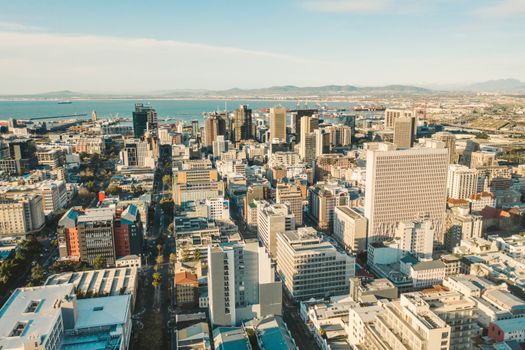
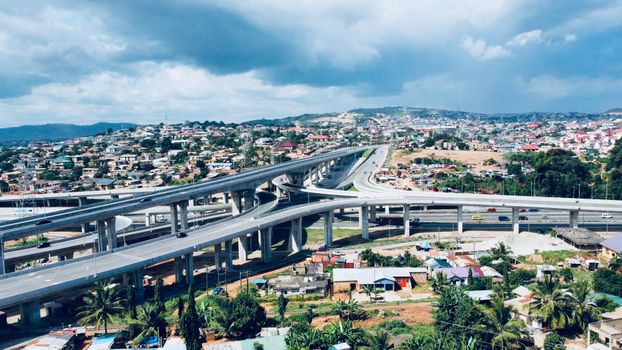
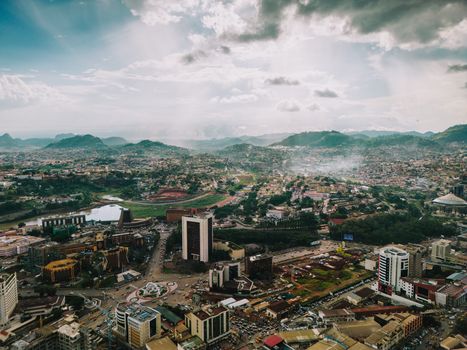
I stepped off the plane, not into the dusty, chaotic scene my preconceived notions had conjured, but into a symphony of controlled energy. The air, surprisingly crisp for a tropical latitude, carried the faint scent of frangipani and something undeniably electric – the hum of progress. Gleaming monorails glided silently overhead, and the airport terminal itself was a marvel of modern design, bathed in natural light and buzzing with efficient, friendly staff. This wasn't just a city; it was a statement. And it was in Africa.
For too long, the narrative of African development has been painted with a broad, often outdated, brush. We envision sprawling landscapes and traditional villages, which are indeed vital parts of the continent's rich tapestry. But to ignore the burgeoning metropolises that are rapidly redefining urban living, innovation, and global connectivity is to miss out on some of the most exciting travel destinations on the planet. These are cities not just catching up to Europe, but in many ways, surpassing it in terms of forward-thinking urban planning, technological integration, and a palpable sense of future-forward ambition.
Let's dive into a curated selection of African cities that are not only developed but are actively shaping the future, offering an experience that is both sophisticated and profoundly authentic.
1. Kigali, Rwanda: The Cleanest, Greenest, and Greenest City
Rwanda's capital, Kigali, is often hailed as the "Singapore of Africa," and for good reason. This city is a masterclass in intentional urban development, prioritizing cleanliness, safety, and sustainability like few others.
The Vibe: Imagine meticulously manicured boulevards, vibrant flower beds lining every street, and a pervasive sense of calm. Walking through Kigali feels less like navigating a bustling African capital and more like strolling through a well-ordered European garden city, albeit one infused with a distinctly Rwandan warmth and artistic flair. The absence of plastic bags (banned in 2008) is immediately noticeable, contributing to an almost pristine environment.
What to Experience:
- Kigali Genocide Memorial: A profoundly moving and essential visit, offering a somber yet hopeful perspective on Rwanda's journey. The architecture is minimalist and powerful.
- Kimironko Market: A riot of color and sound, this is where you can haggle for vibrant fabrics, intricate baskets, and fresh produce. The energy is infectious, and the local interactions are a highlight.
- Nyamata Church: Another poignant site related to the genocide, its preserved state offers a stark and important historical account.
- Local Art Scene: Explore galleries like Inema Arts Center, showcasing contemporary Rwandan artists. The blend of traditional motifs with modern mediums is captivating.
Pro-Tips:
- Wednesday is Umuganda: Participate in this national day of community service (usually the first Saturday of the month). While tourists aren't expected to participate in strenuous work, observing the collective effort is insightful.
- Embrace the E-mobility: Kigali is a leader in electric vehicle adoption. Consider an e-bike tour for a unique way to explore.
- Book Taxis in Advance: Especially for airport transfers, pre-booking ensures a smooth start.
Quick Facts: Kigali
- Estimated Costs ($): Mid-range ($80-150 per day)
- Best Time to Visit: Dry seasons (June-August, December-February)
- How to Get There: Kigali International Airport (KGL)
2. Nairobi, Kenya: Africa's Tech Hub and Green Lung
Nairobi is a dynamic paradox – a bustling metropolis with skyscrapers piercing the sky, yet home to one of the world's only national parks situated within city limits. It’s the undisputed tech capital of East Africa, buzzing with innovation and entrepreneurial spirit.
The Vibe: Nairobi hits you with an immediate sense of ambition. The skyline is increasingly dominated by modern architectural marvels, reflecting its status as a regional economic powerhouse. Yet, amidst the concrete and steel, you’ll find pockets of surprising green, from the sprawling Uhuru Park to the majestic Nairobi National Park. The air thrums with the energy of startups, international business, and a youthful population driving change.
What to Experience:
- Nairobi National Park: A truly unique experience. Spot lions, giraffes, and rhinos against the backdrop of the city skyline. Pro-Tip: A sunrise game drive offers incredible light and fewer crowds.
- Sankara Nairobi: Not just a hotel, but a hub for business and social interaction, showcasing modern Kenyan design and hospitality.
- The Hub Karen: A premier shopping and lifestyle center that rivals any in Europe, featuring high-end boutiques, restaurants, and a vibrant atmosphere.
- KICC (Kenyatta International Convention Centre): An iconic landmark offering panoramic city views from its rooftop.
- Karen Blixen Museum: Step back in time to the era of "Out of Africa" at the former home of the famed author.
Pro-Tips:
- Explore the "Silicon Savannah": While not a physical place, the spirit of innovation is everywhere. Visit co-working spaces or attend tech meetups if your schedule allows.
- Beat the Traffic: Nairobi traffic can be legendary. Utilize ride-sharing apps like Uber or Bolt, and plan your movements strategically, especially during peak hours.
- Sample the Coffee Culture: Nairobi has a burgeoning coffee scene. Seek out artisanal cafes for expertly brewed Kenyan beans.
Quick Facts: Nairobi
- Estimated Costs ($): Mid-range ($90-160 per day)
- Best Time to Visit: Dry seasons (June-October, January-February)
- How to Get There: Jomo Kenyatta International Airport (NBO)
3. Casablanca, Morocco: Art Deco Grandeur Meets Modern Ambition
Casablanca is often misunderstood, conjured by the iconic film and perhaps an expectation of something more traditional. In reality, it's Morocco's vibrant economic heart, a city that effortlessly blends grand Art Deco architecture with cutting-edge modernity.
The Vibe: Step into Casablanca, and you're transported to a bygone era of glamour, then swiftly brought back to the 21st century. The city boasts one of the largest collections of Art Deco buildings in the world, their ornate facades standing proudly alongside sleek, contemporary structures. The scent of sea salt mingles with the aroma of spices from bustling souks, and the call to prayer echoes over a city that is undeniably forward-thinking.
What to Experience:
- Hassan II Mosque: An absolute masterpiece. This colossal mosque, partially built over the Atlantic Ocean, is one of the largest in the world and a breathtaking feat of engineering and artistry. Pro-Tip: Visit during daylight for the best light for photography, and consider a guided tour to fully appreciate its details.
- Art Deco District: Wander through the streets around Boulevard Mohammed V and Place des Nations Unies. Admire the intricate geometric patterns, wrought-iron balconies, and pastel hues of buildings like the Grand Théâtre Cervantes.
- Habous Quarter (New Medina): A charming, cleaner, and more organized take on a traditional medina, perfect for picking up high-quality souvenirs without the hustle of older medinas.
- Corniche: Enjoy a stroll along the waterfront, lined with chic restaurants, cafes, and modern hotels.
Pro-Tips:
- Dress Modestly: While Casablanca is more liberal than some Moroccan cities, it's respectful to dress modestly, especially when visiting religious sites.
- Learn a Few Arabic Phrases: "Salaam alaikum" (peace be upon you) and "Shukran" (thank you) go a long way.
- Taste the Pastilla: This sweet and savory pigeon or chicken pie, dusted with cinnamon and powdered sugar, is a must-try local delicacy.
Quick Facts: Casablanca
- Estimated Costs ($): Moderate ($70-130 per day)
- Best Time to Visit: Spring (March-May) and Autumn (September-November)
- How to Get There: Mohammed V International Airport (CMN)
4. Johannesburg, South Africa: The City of Gold Reimagined
Johannesburg, or Jozi as it's affectionately known, is a city that has undergone a remarkable transformation. Once solely defined by its gold mining past, it has emerged as a vibrant hub of culture, art, finance, and cutting-edge urban renewal.
The Vibe: Jozi is raw, energetic, and unapologetically bold. It’s a city of stark contrasts, where gleaming skyscrapers share the horizon with the iconic mine dumps, remnants of its golden past. But look closer, and you'll find a thriving creative scene, world-class museums, and a palpable sense of reinvention. The spirit here is one of resilience and a relentless drive towards the future.
What to Experience:
- Maboneng Precinct: This revitalized industrial area is the beating heart of Jozi's creative renaissance. Explore street art, independent boutiques, rooftop bars, and bustling weekend markets. Pro-Tip: Visit on a Sunday for the perfect blend of art, food, and music.
- Constitution Hill: A powerful historical site that once housed prisons and now stands as South Africa's Constitutional Court. The architecture is symbolic and moving.
- Apartheid Museum: An essential, deeply affecting experience that chronicles the history of apartheid and the struggle for democracy. The exhibits are masterfully curated.
- Braamfontein: Another hip neighborhood known for its vibrant street art, trendy cafes, and the popular Neighbourgoods Market.
Pro-Tips:
- Embrace the 'Jozi Swag': The city has a unique fashion and cultural identity. Observe and engage with the local style.
- Be Aware of Your Surroundings: As with any major metropolis, it's wise to be street-smart, especially in less tourist-frequented areas.
- Explore the Culinary Scene: From upscale restaurants to informal braais (barbecues), Jozi offers a diverse and exciting gastronomic adventure.
Quick Facts: Johannesburg
- Estimated Costs ($): Moderate ($75-140 per day)
- Best Time to Visit: Dry seasons (May-August) and shoulder seasons (April, September)
- How to Get There: O.R. Tambo International Airport (JNB)
5. Accra, Ghana: The Gateway to West African Dynamism
Accra is a city that pulses with life, a vibrant capital that serves as Ghana's economic and cultural engine. It’s a place where tradition and modernity dance in a lively embrace, offering a unique blend of historical depth and contemporary energy.
The Vibe: Accra buzzes with an infectious energy. The air is thick with the aroma of grilled fish and street food, the sounds of vibrant music, and the constant hum of traffic. Yet, amidst this lively chaos, you'll find pockets of tranquility, from the serene beaches to the beautifully preserved historical sites. Accra is a city that feels alive, constantly evolving, and incredibly welcoming.
What to Experience:
- Makola Market: A quintessential Accra experience. Dive into this sprawling, chaotic, and utterly fascinating market where you can find everything from textiles and spices to electronics and local crafts. Pro-Tip: Go with a local guide if you're new to market haggling; it's an art form here!
- Independence Square & Arch: A significant national monument, symbolizing Ghana's independence. The scale is impressive.
- National Museum of Ghana: Offers a deep dive into Ghana's rich history, culture, and art.
- Osu Castle (Christianborg): A historic former Danish and British colonial fort, offering a glimpse into the country's colonial past.
- Labadi Beach: A popular spot for locals and tourists alike to relax, enjoy music, and sample street food.
Pro-Tips:
- Embrace the 'Ghana Must See' Spirit: Ghanaians are known for their hospitality. Engage with locals; you'll often be met with smiles and warmth.
- Try Kenkey: This fermented maize dish is a staple and a delicious local specialty.
- Be Prepared for Heat and Humidity: Light, breathable clothing is essential.
Quick Facts: Accra
- Estimated Costs ($): Moderate ($60-120 per day)
- Best Time to Visit: Dry seasons (November-March)
- How to Get There: Kotoka International Airport (ACC)
---
These cities are not just dots on a map; they are living, breathing testaments to Africa's incredible progress and boundless potential. They offer sophisticated infrastructure, world-class amenities, and a cultural richness that is both profound and exciting. So, the next time you're dreaming of a truly transformative travel experience, look beyond the usual suspects and consider these African metropolises. You might just find they're more developed, and more captivating, than you ever imagined.