The Hook: A Symphony of Stone and Spices
I stepped off the train in Krakow, the scent of pierogi and mulled wine thick in the crisp autumn air. The sky was a bruised purple, and as I rounded the corner into the Main Market Square, it hit me: a visceral, overwhelming beauty that felt both ancient and vibrantly alive. Towering above me, the spires of St. Mary's Basilica pierced the twilight, a Gothic masterpiece that whispered tales of centuries past. This wasn't just another pretty European city; this was a revelation. For too long, we've been conditioned to believe that the pinnacle of architectural grandeur resides solely in Paris, Rome, or London. But I'm here to tell you, with the certainty of someone who’s walked these cobblestones, that Eastern European architecture doesn't just rival its Western counterparts; in many ways, it surpasses them in sheer, unadulterated soul.
H2: Beyond the Postcard: Unveiling the Soul of Eastern European Grandeur
The allure of Western European cities is undeniable. We’ve all seen the iconic images: the Eiffel Tower, the Colosseum, Big Ben. But what if I told you that behind the Iron Curtain, a treasure trove of architectural wonders lay waiting, often at a fraction of the cost and with a fraction of the crowds? Eastern Europe is a continent of contrasts, a place where empires clashed and cultures mingled, leaving behind an astonishing legacy etched in stone, brick, and gilded domes. This is not about imitation; this is about a unique evolution, a fusion of influences that birthed styles entirely its own.
H3: The Gothic Grandeur: From Spires to Storytellers
When you think Gothic, your mind might leap to Notre Dame or Westminster Abbey. But Eastern Europe offers its own breathtaking interpretations. In Krakow, Poland, St. Mary's Basilica is a prime example. Its two asymmetrical towers, one taller than the other, are a striking visual signature, and the hourly bugle call (Hejnał Mariacki) played from the taller tower, abruptly cut short in memory of a Tatar arrow, adds a poignant layer of history to its already dramatic presence.
Pro-Tip: Visit St. Mary's Basilica in the late afternoon. The sun catches the stained glass in a way that is simply magical, and you can often catch the bugle call if you time it right.
Further north, in the Czech Republic, Prague Castle stands as a monumental testament to centuries of architectural evolution, but it's the St. Vitus Cathedral within its grounds that truly steals the show. Its soaring spires, intricate gargoyles, and the dazzling mosaic of the Last Judgment are a masterclass in Gothic artistry. The sheer scale and detail are staggering, a testament to the ambition and skill of its builders.
Insider Lingo: Notice the 'flying buttresses' – those elegant arches on the exterior that support the walls. They're not just functional; they're an integral part of the Gothic aesthetic, creating that sense of airy verticality.
H3: Baroque Extravaganza: Opulence and Drama Unleashed
The Baroque period, with its love for drama, grandeur, and opulent decoration, found fertile ground in Eastern Europe. Think of the lavish palaces and churches that sprung up as a display of power and piety. Budapest, Hungary, is a prime example. The Hungarian Parliament Building, while neo-Gothic in its overall design, boasts Baroque-inspired interiors that are simply breathtaking. Its soaring dome and intricate detailing are a feast for the eyes.
But for pure Baroque indulgence, look no further than Vienna's (yes, technically Central European, but its influence permeates East) Schönbrunn Palace, and then venture into cities like Warsaw, Poland, where the Royal Castle, meticulously rebuilt after WWII, showcases stunning Baroque interiors. The sheer scale of the decoration – gilded stucco, trompe-l'œil frescoes, and elaborate chandeliers – is designed to awe and inspire.
Pro-Tip: Take a guided tour of the interiors of Baroque palaces. The guides often share fascinating anecdotes about the lives of the aristocracy and the symbolism behind the decor, bringing the history to life.
H3: Art Nouveau's Enchanting Embrace: Whimsical Lines and Organic Forms
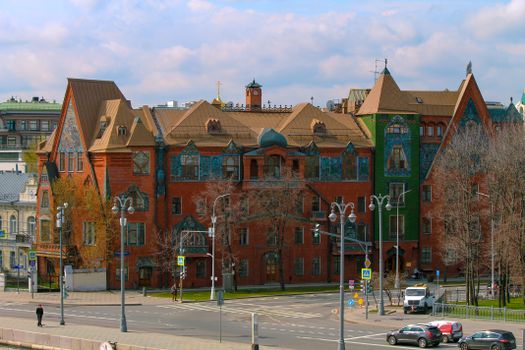
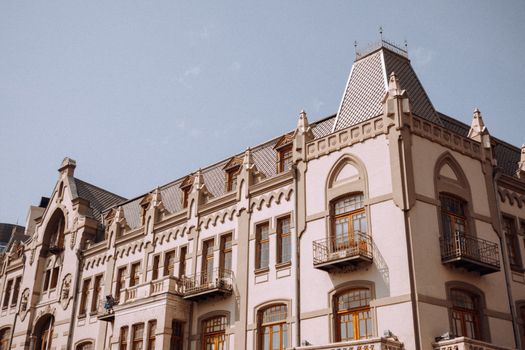
While Paris and Brussels are famous for their Art Nouveau, Eastern Europe developed its own distinct and equally captivating style, particularly in cities like Riga, Latvia, and Tbilisi, Georgia. Riga is often hailed as the Art Nouveau capital of the world, with over a third of its city center buildings adorned in this whimsical style. Think flowing lines, floral motifs, and fantastical creatures adorning facades. It’s a style that feels organic, almost alive.
Pro-Tip: Wander through Riga's Alberta iela (Albert Street). This street is an open-air museum of Art Nouveau, with buildings showcasing the style in its most elaborate and imaginative forms. Look for the detailed sculptures and decorative ironwork.
In Tbilisi, Art Nouveau blends seamlessly with the city's unique Caucasian influences, creating an architectural language that is both familiar and utterly exotic. The ornate balconies and intricate facades tell stories of a city that has long been a crossroads of cultures.
H3: Soviet Legacy: A Brutalist Beauty and Historical Echoes
It's impossible to discuss Eastern European architecture without acknowledging the impact of the Soviet era. While often characterized by brutalist concrete structures, there's a fascinating, albeit sometimes stark, beauty to be found. Moscow, Russia, with its grand Metro stations adorned with mosaics and chandeliers, is a prime example of the Soviet Union's ambition to create functional art.
Beyond Moscow, cities like Sofia, Bulgaria, and Bucharest, Romania, feature imposing Soviet-era buildings that, while not conventionally beautiful, are historically significant and architecturally intriguing. These structures often represent a stark contrast to the older, more ornate styles, offering a glimpse into a different chapter of history.
Insider Lingo: Look for the 'socialist realism' style in art and architecture – often characterized by idealized depictions of workers and grand, monumental structures designed to inspire national pride.
H3: Hidden Gems and Unsung Heroes: Beyond the Mainstream
Eastern Europe is brimming with architectural wonders that don't always make it into the guidebooks. In Ljubljana, Slovenia, the influence of local architect Jože Plečnik is everywhere. His unique blend of Viennese Secession, Neoclassicism, and even ancient Roman elements has shaped the city's identity, from the Triple Bridge to the National and University Library.
Pro-Tip: Explore the Trnovo district in Ljubljana to see Plečnik's distinctive architectural touch up close, including his former home, now a museum.
Then there's Tallinn, Estonia, with its remarkably preserved medieval Old Town, a UNESCO World Heritage site that feels like stepping back in time. Its Hanseatic architecture, with its red-tiled roofs and sturdy stone buildings, is a charming contrast to the grander styles found elsewhere.
Authenticity Check: The scent of roasting chestnuts from street vendors, the echo of footsteps on ancient cobblestones, the hushed reverence inside centuries-old churches – these are the sensory details that elevate the experience of discovering Eastern European architecture. It's not just about what you see, but what you feel.
H2: The Budget Traveler's Paradise: Grandeur Without the Grand Price Tag
One of the most compelling arguments for exploring Eastern European architecture is the sheer value for money. While Western European cities can drain your wallet faster than a leaky faucet, many Eastern European destinations offer incredible architectural experiences without breaking the bank.
H3: Quick Facts: Planning Your Architectural Pilgrimage
| Feature | Estimated Cost ($) | Best Time to Visit | How to Get There | | :--------------- | :----------------- | :----------------- | :--------------------------------------------------- | | Prague, CZ | $80-150/day | Spring, Autumn | Flights to Václav Havel Airport Prague (PRG) | | Budapest, HU | $70-130/day | Spring, Autumn | Flights to Budapest Ferenc Liszt International (BUD) | | Krakow, PL | $60-110/day | Spring, Autumn | Flights to John Paul II International Airport (KRK) | | Riga, LV | $70-120/day | Summer, Autumn | Flights to Riga International Airport (RIX) | | Tallinn, EE | $70-120/day | Summer, Autumn | Flights to Tallinn Airport (TLL) | | Ljubljana, SI| $80-140/day | Spring, Summer | Flights to Ljubljana Jože Pučnik Airport (LJU) |
Note: Costs are estimates per person, per day, for mid-range travel including accommodation, food, and activities. Prices can vary significantly.
Logistics Lowdown: Many Eastern European cities are incredibly walkable, especially their historic centers. Public transport is generally efficient and affordable. Consider purchasing city passes that often include free public transport and discounts on attractions.
H2: Your Architectural Adventure Awaits
Eastern Europe is a continent that rewards curiosity. It’s a place where history breathes through every ornate facade and soaring spire. The architecture here isn't just a backdrop; it's a story, a testament to human ingenuity, resilience, and an enduring appreciation for beauty. So, pack your bags, open your mind, and prepare to be captivated. The grandeur you seek is waiting, often in places you least expect, offering an authentic and awe-inspiring travel experience that will linger long after you've returned home.