The Hook: A Symphony of Spires and Stories
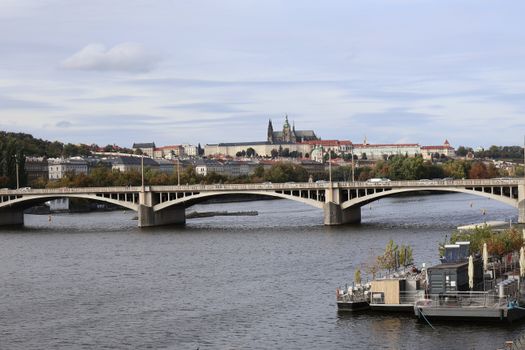
I stepped off the train in Prague, and the air itself seemed to hum with history. It wasn't just the chill of a late autumn breeze; it was the scent of roasting trdelník mingling with the faint, damp smell of ancient stone. Above me, the sky was a bruised purple, and silhouetted against it were a thousand spires, each a unique, defiant declaration against time. My first thought wasn't about museums or Michelin stars, but about the sheer audacity of it all. This wasn't just pretty; it was a visceral, tangible narrative etched in brick and mortar, a story whispered by every gargoyle and gilded dome. And in that moment, I knew my preconceived notions about "must-see" European destinations were about to be spectacularly dismantled.
Beyond the Usual Suspects: Eastern Europe's Architectural Grandeur
For too long, the architectural spotlight in Europe has shone brightly on the West. We're bombarded with images of Parisian Haussmannian boulevards, Roman Colosseums, and Florentine Duomos. And while undeniably magnificent, this singular focus often overlooks a treasure trove of architectural wonders in Eastern Europe. Here, centuries of empires, artistic movements, and cultural exchanges have culminated in a breathtaking mosaic of styles, often with a unique, resilient spirit that makes them utterly captivating.
The Gothic Grandeur: More Than Just Notre Dame
When you think of Gothic architecture, your mind likely drifts to France. But Eastern Europe's Gothic cathedrals are equally, if not more, awe-inspiring, often possessing a raw, imposing beauty.
- St. Vitus Cathedral, Prague, Czech Republic: This isn't just a cathedral; it's a symphony in stone. The sheer scale is overwhelming, with soaring vaults that seem to kiss the heavens. Pro-Tip: Visit the South Tower for panoramic views of Prague Castle and the city below. The intricate stained glass, particularly the Mucha window, is a revelation.
- St. Stephen's Cathedral, Vienna, Austria (technically Central Europe, but often grouped with Eastern European travel): While Vienna is a Western favorite, its Gothic heart beats with an Eastern European intensity. The intricate roof tiles are a visual feast, and the sheer height of the nave is humbling. Insider Tip: Look for the gargoyles – some are surprisingly cheeky!
- Krakow's St. Mary's Basilica, Poland: Famous for its two unequal towers, this basilica offers a stunning example of Polish Gothic. The hourly bugle call from the taller tower is a haunting and unforgettable experience. Pro-Tip: The sheer amount of gold leaf and intricate carvings inside will leave you speechless.
Baroque Brilliance: Opulence with a Slavic Soul
Eastern Europe embraced Baroque with a passion, infusing it with local flavors and an almost theatrical flair. These palaces and churches are designed to impress, to overwhelm, and to tell stories of power and faith.
- Schönbrunn Palace, Vienna, Austria: A UNESCO World Heritage site, Schönbrunn is a masterclass in Baroque grandeur, with its sprawling gardens and opulent interiors. Quick Fact: This was the summer residence of the Habsburg emperors.
- The Royal Palace of Caserta, Italy (again, straddling the line, but its influence is felt): While in Italy, its sheer scale and Baroque exuberance echo through the grand palaces found further East.
- Wawel Castle, Krakow, Poland: This sprawling complex showcases a blend of Romanesque, Gothic, and Renaissance styles, but its Baroque additions add layers of regal opulence. Insider Tip: Explore the Royal Apartments for a glimpse into the lives of Polish royalty.
- St. Peter and Paul Church, St. Petersburg, Russia: While St. Petersburg is a later addition to the Eastern European architectural scene, its Baroque churches are stunning examples of the style's grandeur, often with a distinctly Russian Orthodox twist.
Art Nouveau's Eastern Embrace: Whimsical and Wonderful
Art Nouveau, with its flowing lines and organic forms, found fertile ground in Eastern Europe, often resulting in uniquely charming and less ostentatious designs than its Western counterparts.
- Bucharest's "Little Paris" Architecture, Romania: Bucharest boasts an incredible concentration of Art Nouveau buildings, particularly along Calea Victoriei. Think ornate balconies, flowing floral motifs, and elegant facades. Pro-Tip: Take a guided walking tour to uncover the hidden gems and their stories.
- Riga's Art Nouveau District, Latvia: Riga is home to the highest concentration of Art Nouveau buildings in the world. The sheer density and variety are astounding, from grand apartment blocks to smaller, charming houses. Insider Tip: The Alberta Iela street is a must-see for its incredibly well-preserved facades.
- Budapest's Secessionist Style: Budapest's take on Art Nouveau, known as Secessionist, is characterized by its vibrant colors, geometric patterns, and folk-inspired motifs. The Gresham Palace is a prime example of its grandeur.
Soviet Echoes: Brutalism and Beyond
While often maligned, Soviet-era architecture in Eastern Europe is a significant and often thought-provoking element of the region's urban landscape. It speaks of a different ideology, a different vision for society.
- The Palace of the Parliament, Bucharest, Romania: This colossal building is a testament to the immense scale of Soviet-era ambition. Its sheer size is staggering, and it's a stark reminder of a powerful historical period. Quick Fact: It's the heaviest building in the world.
- Plovdiv's Soviet Monuments, Bulgaria: While many have been removed, remnants of Soviet-era monuments can still be found, offering a fascinating glimpse into the past. Insider Tip: Look for the "Alyosha" monument on Bunardzhik Hill for a panoramic view.
- Brutalist Housing Estates: Many Eastern European cities feature vast Brutalist housing estates. While not conventionally beautiful, they possess a stark, powerful aesthetic that is increasingly being appreciated for its historical and architectural significance. Pro-Tip: Explore these areas with an open mind; you might discover some surprisingly striking structures.
The Renaissance and Beyond: A Rich Tapestry
Eastern Europe also boasts exquisite examples of Renaissance and other classical styles, often integrated into older fortifications or royal residences.
- Wawel Castle Courtyard, Krakow, Poland: The arcaded courtyard here is a stunning example of Renaissance architecture, a serene counterpoint to the castle's more imposing structures.
- The Old Town of Tallinn, Estonia: This UNESCO World Heritage site is a medieval wonderland, with Gothic churches and Hanseatic merchant houses that speak of a rich trading history. Insider Tip: Wander the cobblestone streets after sunset for a truly magical experience.
- The Old Town of Riga, Latvia: Similar to Tallinn, Riga's Old Town is a perfectly preserved medieval gem, with its own unique blend of architectural influences.
The Budget Traveler's Architectural Dream
One of the most compelling arguments for exploring Eastern European architecture is the affordability. You can experience world-class historical sites, indulge in delicious local cuisine, and enjoy comfortable accommodation without breaking the bank.
Quick Facts: Eastern European Architectural Gems
| Feature | Prague, Czech Republic | Budapest, Hungary | Krakow, Poland | Bucharest, Romania | Riga, Latvia | | :------------------ | :----------------------------------------- | :----------------------------------------- | :----------------------------------------- | :----------------------------------------- | :------------------------------------------ | | Estimated Cost ($) | $50-150/day (mid-range) | $40-120/day (mid-range) | $40-100/day (mid-range) | $30-90/day (mid-range) | $40-110/day (mid-range) | | Best Time to Visit | Spring (April-May), Autumn (Sept-Oct) | Spring (April-May), Autumn (Sept-Oct) | Spring (April-May), Autumn (Sept-Oct) | Spring (April-May), Autumn (Sept-Oct) | Summer (June-Aug), Spring (May) | | How to Get There | Major European airports (PRG) | Major European airports (BUD) | Major European airports (KRK) | Major European airports (OTP) | Major European airports (RIX) | | Architectural Highlights | Gothic, Baroque, Art Nouveau, Cubism | Art Nouveau (Secessionist), Gothic, Baroque | Gothic, Renaissance, Baroque | Art Nouveau, Soviet-era, Neoclassical | Art Nouveau, Gothic, Medieval | | Must-See | St. Vitus Cathedral, Old Town Square | Parliament Building, Fisherman's Bastion | Wawel Castle, St. Mary's Basilica | Parliament of the Palace, Old Town | Art Nouveau District, Old Town |
Pro-Tip: Many of the most impressive architectural sights are outdoors. Wandering through old towns and city centers is often free and incredibly rewarding.
Insider's Guide: Unlocking the Secrets
To truly appreciate Eastern European architecture, you need to look beyond the obvious. It's in the details, the hidden courtyards, and the stories of the people who built and inhabited these incredible structures.
- Embrace the Details: Don't just snap a photo of the facade. Look at the intricate carvings, the unique window shapes, the weathered gargoyles. These are the stories etched in stone.
- Wander Off the Beaten Path: The most stunning architectural discoveries are often made when you stray from the main tourist routes. Get lost in the side streets.
- Talk to Locals: Ask about their favorite buildings, local legends, or hidden architectural gems. They often have the best insights.
- Visit at Different Times of Day: The light changes everything. A building that looks grand at midday can be utterly magical at sunrise or sunset.
- Consider Architectural Tours: Many cities offer specialized walking tours focused on specific architectural styles or historical periods. These are invaluable for gaining deeper understanding.
The Verdict: A World of Wonder Awaits
Eastern Europe offers an architectural feast that rivals and, in many ways, surpasses the traditional Western European itinerary. It’s a region where history is palpable, where beauty is abundant, and where every corner turned reveals another breathtaking vista. So, pack your bags, bring your curiosity, and prepare to be captivated. The spires are calling.