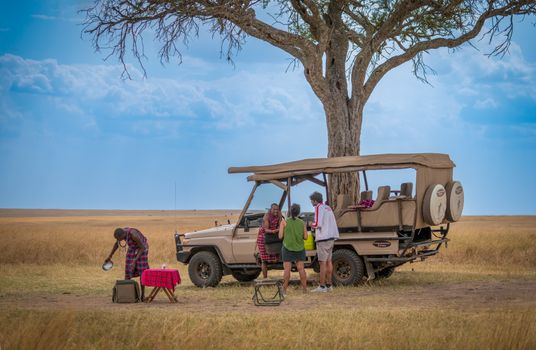
What 'luxury' means on safari
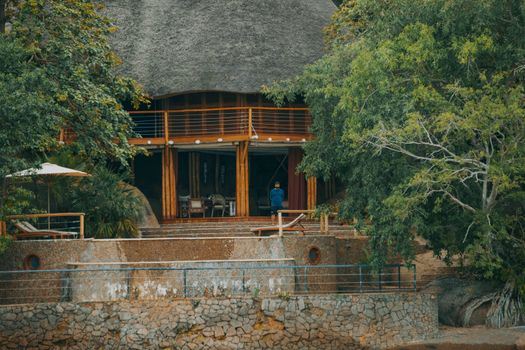
On safari, luxury is mostly about access and guiding, not marble bathrooms. The best lodges sit in private concessions or conservancies where fewer vehicles share each sighting, guides are well trained and can leave the road to follow animals, and night drives and walking safaris are allowed. Park-edge lodges can be lovely but share crowded public roads.
Typical costs
Expect roughly US$600 to US$1,500 per person per night at upper-mid-range and luxury camps in East and Southern Africa, usually including meals, drinks, two game drives a day and laundry. Park fees, flights between camps and tips are often extra. Prices rise sharply in peak months, so ask exactly what is included before comparing.
Where to go
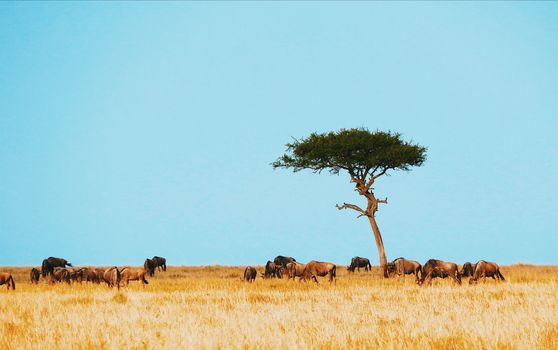
- Kenya and Tanzania: Big herds, the Great Migration (river crossings in the Mara are usually between July and October, but timing varies year to year) and a huge range of camps.
- Botswana (Okavango and Chobe): Water-based safaris and excellent guiding in low-density areas. Usually the priciest option.
- South Africa: Private reserves next to Kruger offer good value, reliable infrastructure and malaria-free options.
- Namibia and Zambia: Desert landscapes and walking safaris, with fewer visitors.
Questions to ask before you book
- How many vehicles are allowed at a sighting, and how many guests per vehicle?
- Is the camp in a private concession, a conservancy or a national park?
- What is not included: park fees, transfers, drinks, tips, internal flights?
- What is the cancellation and refund policy?
- Is the operator licensed and a member of a recognised trade body in its country?
Make it count
Stay at least three nights in each camp so you are not always on the road, and choose a smaller group over a longer itinerary. Bring binoculars and a neutral-coloured wardrobe. Consider medical needs: some regions need malaria prevention, so speak to a travel health clinic well before departure.
A note on ethics
Choose camps that employ and train local staff, share income with nearby communities and support conservation. Avoid places that offer petting of wild animals or cub-handling.
Prices, park rules and migration timing change, so check with the lodge or a specialist operator before you pay.