The Moment the Bar Was Raised
I stepped off the pressurized cabin of the Pilatus PC-12 onto a dusty landing strip in the heart of the Okavango Delta, and the air didn’t just hit me; it welcomed me. It smelled of wild sage, sun-baked earth, and something unmistakably wild. Within seconds, a chilled glass of Chenin Blanc was in my hand, and my guide, Tebla, whispered, "Don't look at the luggage. Look at the leopard in the leadwood tree behind you."
That was the moment I realized African safari luxury is exceeding expectations right now in ways we never saw coming. We aren’t just talking about copper bathtubs and high-thread-count sheets anymore. We are talking about a fundamental shift in what "elite" means. It’s no longer about what is brought to the bush; it’s about how the bush is brought to you.
1. The Death of "Colonial Chic" and the Rise of African Soul
For decades, the luxury safari aesthetic was stuck in a Out of Africa time warp: khaki canvas, heavy mahogany, and brass telescopes. That’s dead. Right now, the most prestigious lodges are celebrating contemporary African design.
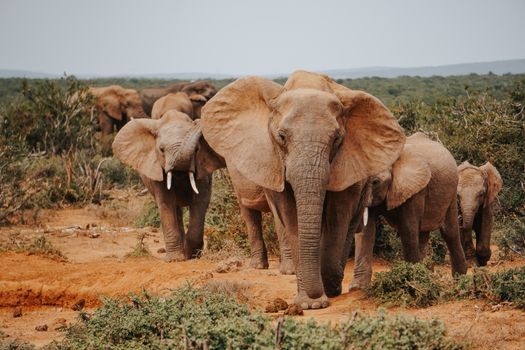
Take Xigera Safari Lodge in Botswana. It’s essentially a living art gallery. Instead of generic décor, you are surrounded by 76 individual commissions from Africa’s most celebrated artists. I spent an hour just staring at a hand-carved totemic chair before I even realized there was a herd of elephants crossing the channel fifty yards away. This is luxury with a heartbeat—bold, colorful, and unapologetically modern.
Pro-Tip: When booking Xigera, request the Baobab Treehouse. It’s located a kilometer away from the main lodge. You’ll be escorted there for a sunset dinner and left alone (with a radio, of course) to sleep under the stars in a structure that looks like a steel-and-canvas work of art.
2. Silent Stalking: The Electric Revolution
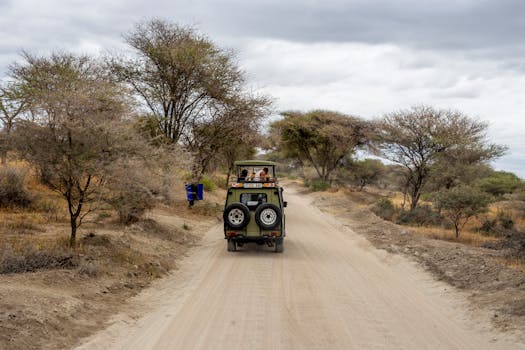
One of the most jarring things about a traditional safari is the roar of a diesel engine. It shatters the silence of the savannah. But the industry is pivoting. The gold standard now is the Electric Safari Vehicle (e-vehicle).
At Cheetah Plains in the Sabi Sands, their fleet of modified Land Cruisers is entirely electric. The silence is transformative. You can hear the crunch of dry grass under a cheetah’s paws. You can hear the subtle "huff" of a rhino.
Pro-Tip: If you’re a photographer, e-vehicles are a game-changer. The lack of engine vibration means you can shoot at lower shutter speeds in the blue hour without the dreaded "engine blur."
3. The Private Villa Phenomenon
Post-2020, the "exclusive-use" model has exploded. The world’s wealthiest travelers aren't just booking suites; they are booking entire estates. Singita Castleton or Tswalu’s Loapi Camp offer a "safari on your own terms" philosophy.
In these villas, the schedule is a myth. Want to start your game drive at 11:00 AM because you stayed up late stargazing with an astrophysicist? Done. Want a six-course tasting menu served on a dry riverbed at midnight? Just say the word. You have your own private chef, field guide, and butler. It’s not just privacy; it’s total autonomy.
4. Rwanda: The New Frontier of Ultra-Luxe
If you want to see where African safari luxury is truly exceeding expectations right now, look to the Virunga Mountains. Rwanda has positioned itself as the "Singapore of Africa"—clean, safe, and incredibly high-end.
Singita Kwitonda Lodge and One&Only Gorilla’s Nest have set a new benchmark. Gorilla trekking is grueling, muddy, and exhausting. Returning to a heated plunge pool, a fireplace that has been lit specifically for your arrival, and a "gorilla-trekking recovery massage" using local eucalyptus oil is the ultimate juxtaposition.
Pro-Tip: Don't just go for the gorillas. Spend an extra day at Magashi Camp in Akagera National Park. It’s the only place in Rwanda where you can see the Big Five in a private concession, and the boat safaris are world-class.
5. Gastronomy: Beyond the "Bush Buffet"
The days of lukewarm buffets are over. Right now, the culinary scene in the bush rivals London or New York. We’re seeing "garden-to-table" concepts where 80% of the produce is grown within 50 miles of the camp.
At Angama Mara in Kenya, the "Shamba" (garden) lunch is the highlight. You pick your own heirloom tomatoes and herbs, which are then transformed into a multi-course vegetarian feast served under a passionfruit bower. It’s light, fresh, and perfectly suited to the heat of the Mara.
Quick Facts: The Logistics of Luxury
| Feature | Details | | :--- | :--- | | Estimated Cost | $2,500 – $5,500 per person, per night (Ultra-Luxe) | | Best Time to Visit | June to October (Dry season for wildlife viewing) | | How to Get There | Private charter from Johannesburg (JNB), Nairobi (NBO), or Kigali (KGL) | | Packing Essential | High-end binoculars (Swarovski Optik) and neutral linens | | Connectivity | Starlink is now common in top-tier camps; high-speed Wi-Fi is the new norm |
6. Conservation as the Ultimate Amenity
The most significant way luxury is exceeding expectations is through purpose. Travelers today are savvy; they don't want to just see the rhino; they want to know how their $4,000-a-night stay is keeping that rhino alive.
The "Impact Safari" is the new must-have. At Tswalu Kalahari, you can spend a morning with a pangolin researcher. This isn't a staged tourist activity; it’s real science. You are contributing to the data. That sense of being part of the solution is a luxury that money couldn't buy a decade ago.
7. The "Slow Safari" Movement
We are moving away from the "tick-the-box" mentality. The elite traveler is now opting for longer stays in fewer locations. This is the "Slow Safari."
Instead of three nights in four different camps, stay seven nights at Mombo Camp in the Okavango. By day four, the staff knows your name, your preferred gin-to-tonic ratio, and exactly how you like your eggs. You start to notice the smaller things: the iridescent feathers of a Lilac-breasted Roller or the complex social hierarchy of a baboon troop.
Insider Language Tip: Don't ask for a "Game Drive." Ask for a "Wildlife Experience." It signals to your guide that you are interested in the ecosystem, not just the "Big Five."
The Final Verdict
Why is African safari luxury exceeding expectations right now? Because it has finally mastered the art of invisible service. It’s the rain boots that appear in your size just as the clouds turn grey. It’s the way your camera lenses are cleaned while you eat breakfast. It’s the feeling that the entire wilderness has been curated just for you, while simultaneously remaining untouched and wild.
If you are looking for a reason to go, this is it. The continent is in a creative and hospitality renaissance. The wild is calling, and it has never been more refined.
---