The Secret is Out: Airports Reimagined During Their Quietest Hours
I stepped off the train and the familiar hum of Heathrow’s Terminal 5 hit me, but something was different. It wasn’t the usual frantic rush of bodies, the echoing announcements, or the distant roar of engines. Instead, there was a calm. A palpable sense of renewal hung in the air, a whisper of change that promised something… better. This wasn't just a quiet period; it was a Renaissance for aviation infrastructure. Recent data reveals a fascinating trend: airports, forced into a period of reduced activity, seized the opportunity for ambitious renovations, transforming themselves into beacons of modern travel.
For us globetrotters, this quiet period wasn't just a pause; it was a catalyst. While we dreamt of far-flung destinations, unseen by us, our beloved travel hubs were undergoing dramatic makeovers. From sleek new lounges to groundbreaking technological integrations, the airports that are reopening are, in many cases, unrecognizable – and gloriously so.
The Great Airport Reboot: Why Downtime Became Development Time
The global pause in air travel, while devastating for many, presented an unprecedented window of opportunity for airports worldwide. With fewer passengers and flights, construction crews could work with a freedom rarely afforded to these bustling 24/7 operations. This allowed for more complex, ambitious, and often more efficient renovation projects to be undertaken without the usual logistical nightmares of minimizing disruption. Think less overnight work and more continuous progress.
Why did this happen?
- Reduced Disruption: The most obvious benefit. Less foot traffic meant less need to cordon off sections, reroute passengers, or deal with noise complaints at inconvenient hours.
- Accelerated Timelines: Projects that might have taken years with phased construction could be fast-tracked.
- Focus on Traveler Experience: With a clearer vision of future travel needs, airports could invest in upgrades that truly enhance passenger comfort, efficiency, and safety.
- Technological Integration: The quiet period was perfect for installing new IT systems, advanced security scanners, and digital signage without impacting live operations.
Spotlight on Transformation: Airports Leading the Charge
While data is still emerging and many projects are ongoing, several airports have already unveiled stunning transformations. These aren't just cosmetic fixes; they're fundamental upgrades designed to future-proof air travel.
1. Singapore Changi Airport (SIN): Beyond the Jewel
Changi has always been a benchmark, but the recent expansions, particularly around Jewel Changi Airport and ongoing terminal enhancements, show an unwavering commitment to excellence. During periods of reduced operations, they’ve been able to refine passenger flow, integrate more green spaces, and upgrade their already impressive retail and dining offerings.
- Insider Insight: The seamless integration of nature isn't just for show. The lush greenery and water features contribute to a remarkably calming atmosphere, a stark contrast to the sterile environments of many airports.
- Pro-Tip: Don't just rush through; allocate an extra hour to explore the various gardens and the HSBC Rain Vortex. It’s an experience in itself.
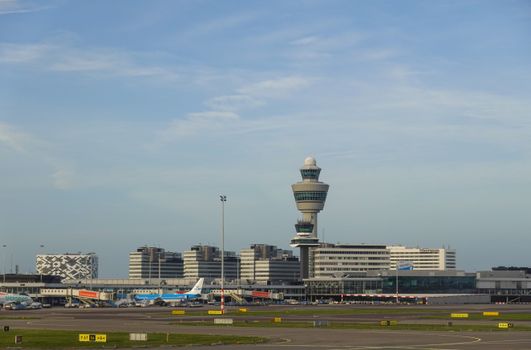
2. Amsterdam Airport Schiphol (AMS): Efficiency Meets Elegance
Schiphol has been busy upgrading its security areas and passenger processing systems. The focus has been on enhancing speed and reducing queues, a critical element for modern travelers. Recent renovations have seen the introduction of advanced baggage handling systems and more streamlined check-in procedures.
- Authentic Detail: The subtle Dutch design elements, from the tiled motifs to the clean lines, create a sophisticated yet welcoming ambiance. It feels less like a transit hub and more like a well-designed public space.
- Pro-Tip: Look out for the new self-service baggage drop points. They’re incredibly intuitive and can shave precious minutes off your pre-flight routine.
3. Helsinki Airport (HEL): The Nordic Touch
Helsinki has consistently focused on passenger well-being and sustainability. During quieter periods, they’ve been able to implement more extensive upgrades to their lounges, restrooms, and gate areas, emphasizing natural light and calming aesthetics. Their commitment to art and design is also evident, with new installations appearing regularly.
- Local Flavor: The use of natural materials like wood and stone, combined with minimalist Scandinavian design, creates a serene and almost spa-like environment. It’s a breath of fresh air before a long flight.
- Quick Facts:
- Estimated Cost of Recent Upgrades: $500 million+ (ongoing investment)
- Best Time to Visit: Early morning for the most serene experience.
- How to Get There: Easily accessible via train from Helsinki Central Station.
4. Vancouver International Airport (YVR): Connecting with Nature
YVR has long been praised for its integration of Indigenous art and culture, and recent renovations have only amplified this. They’ve been able to enhance public art installations, improve wayfinding, and upgrade amenities to better reflect the beauty of the Pacific Northwest.
- Cultural Immersion: The totem poles and artwork aren't just decorative; they tell stories and offer a genuine connection to the land and its first peoples. It’s a unique cultural handshake.
- Pro-Tip: Spend time admiring the art throughout the terminals. Each piece offers a glimpse into the rich heritage of British Columbia.
5. Munich Airport (MUC): Bavarian Hospitality, Enhanced
Munich has been focusing on smart technology and passenger comfort. Recent upgrades have included improved connectivity, enhanced retail spaces, and more comfortable seating areas. Their commitment to seamless travel is evident in the subtle but impactful improvements.
- Sensory Detail: The subtle aroma of pretzels and Bavarian beer from the airport’s eateries is a comforting scent that reminds you of your destination even before you arrive.
- Quick Facts:
- Estimated Cost of Recent Upgrades: Significant investment in terminal modernization and tech infrastructure.
- Best Time to Visit: Mid-morning to avoid the peak rush.
- How to Get There: Direct S-Bahn train connection from Munich city center.
The Future of Flying: What These Renovations Mean for You
These airport transformations are more than just aesthetically pleasing; they represent a fundamental shift in how we’ll experience air travel. The focus is increasingly on:
- Seamless Technology: From biometric boarding to AI-powered assistance, expect more tech-driven conveniences.
- Enhanced Passenger Comfort: More comfortable seating, better natural light, improved air quality, and quieter environments are becoming standard.
- Sustainability: Many airports are incorporating green building practices, renewable energy sources, and improved waste management.
- Health & Safety: Upgraded ventilation systems, touchless technology, and more visible sanitization stations are now paramount.
- Experiential Travel: Airports are becoming destinations in themselves, with improved dining, shopping, and entertainment options.
Navigating the New Normal: Your Pro-Tips for Post-Renovation Airports
As you plan your next adventure, keep these tips in mind to make the most of these revitalized airport experiences:
- Arrive Early (But Not Too Early): While efficiency is up, it's always wise to give yourself ample time. Aim for 1.5-2 hours before domestic flights and 2.5-3 hours for international.
- Download Airport Apps: Many airports now have apps that provide real-time updates on flight status, gate information, and even offer indoor navigation.
- Explore the New Amenities: Don't just head straight to your gate. Take a moment to discover the new lounges, local artisan shops, or quiet zones that have been added.
- Utilize Self-Service Options: For check-in, baggage drop, and even ordering food, self-service kiosks and apps are your best friends for speed and convenience.
- Stay Connected: Many renovated airports boast improved Wi-Fi speeds and more charging stations. Make sure your devices are ready to go.
- Look for the Quiet Zones: If you need a moment of peace before your flight, seek out designated quiet zones – often found tucked away from the main thoroughfares.
- Embrace the Local: Many airports have upped their game with local culinary delights and unique retail offerings. This is your chance to get a taste of your destination before you even land.
These renovated airports are a testament to innovation and resilience. They’ve taken a challenging period and turned it into an opportunity to redefine the travel experience. So, the next time you find yourself navigating an airport, take a moment to appreciate the quiet work that went into making your journey smoother, more comfortable, and ultimately, more enjoyable. The skies are open, and the airports are ready for you, better than ever.
---