The Scent of Ozone and Zero Emissions
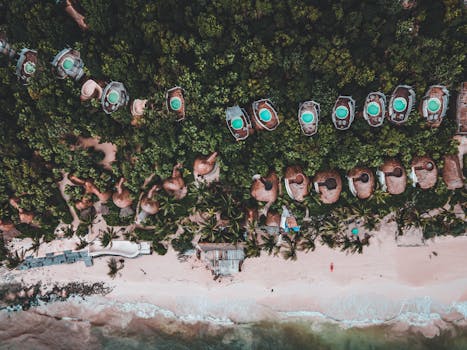
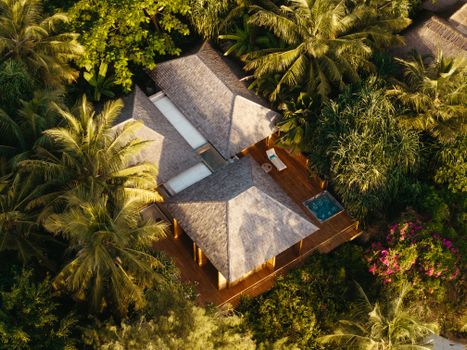
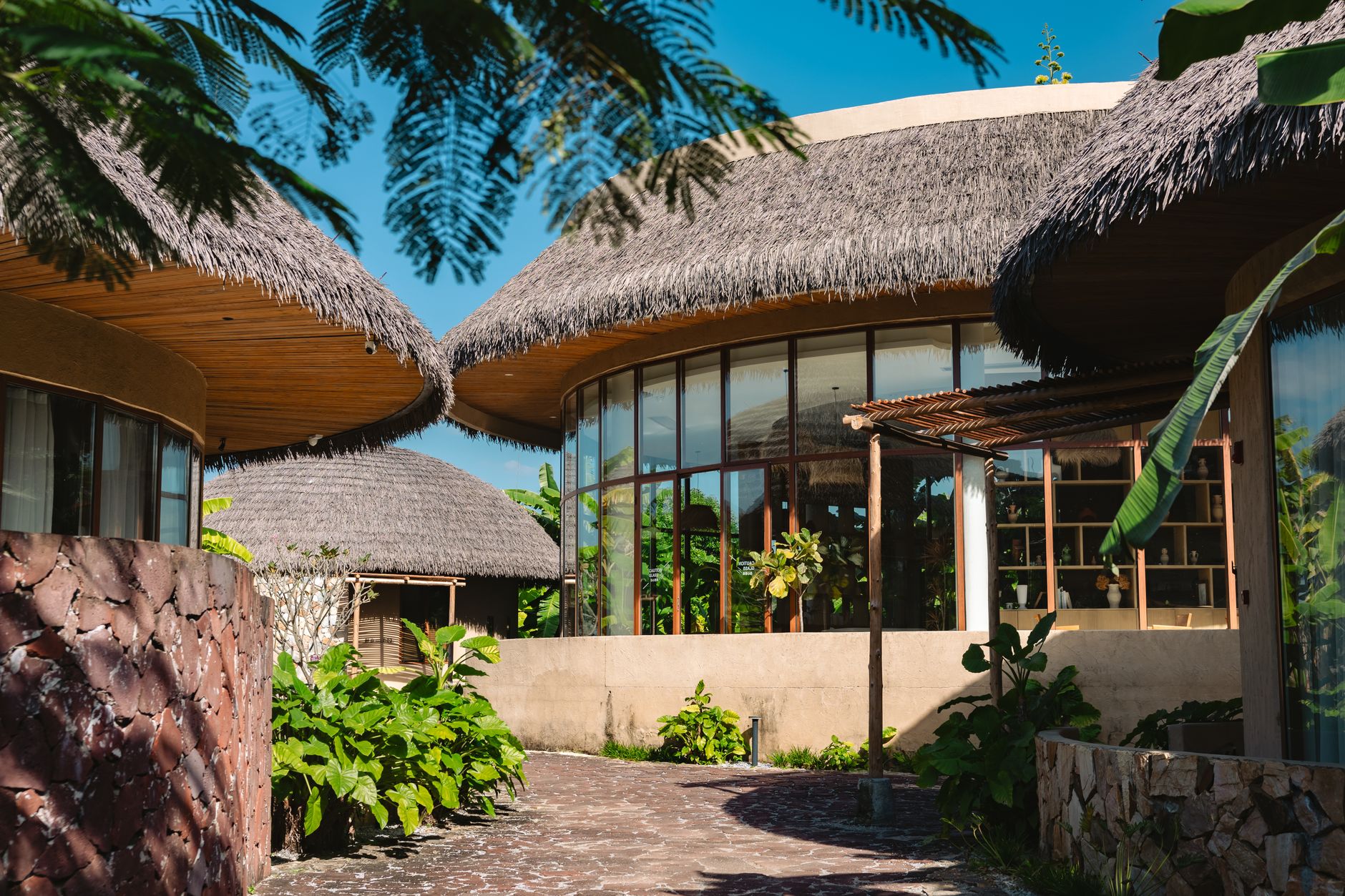
I stepped off the solar-powered electric catamaran and onto the wooden jetty of Tetiaroa, French Polynesia. The air didn't smell like diesel fumes or heavy marine oil; it smelled of crushed tiare flowers, wet volcanic soil, and the crisp, clean ozone of the South Pacific. There was no hum of a massive diesel generator in the background—only the rhythmic sigh of the reef.
For decades, the hospitality industry operated on a take-make-waste model. Luxury meant imported marble, out-of-season strawberries flown across hemispheres, and energy-guzzling air conditioning units fighting the tropical heat. But a quiet revolution has taken place.
``` THE GREEN TRAVEL SHIFT (Recent Industry Data) ┌─────────────────────────────────────────────────────────┐ │ [████████████████████████████████████████] 75% │ │ Travelers wanting sustainable options (GSTC Data) │ ├─────────────────────────────────────────────────────────┤ │ [████████████████] 31% │ │ Premium travelers willing to pay more for net-zero │ └─────────────────────────────────────────────────────────┘ ```
According to the latest data from the Global Sustainable Tourism Council (GSTC) and the World Travel & Tourism Council (WTTC), over 75% of global travelers now demand sustainable travel options, with 31% of premium travelers actively willing to pay a premium for verified net-zero properties. Carbon-neutral resorts are no longer a niche sub-genre of backpacking eco-lodges; they are the absolute pinnacle of modern hospitality.
As a travel journalist who has spent the last decade vetting properties from the Arctic to the Amazon, I have seen the good, the bad, and the greenwashed. The following five properties are not just offset-purchasing entities; they are engineering marvels leading the hospitality sector into a decarbonized future.
---
1. Lefay Resort & SPA Lago di Garda (Gargnano, Italy)
The Bioclimatic Masterpiece on the Cliffs
Suspended on a natural terrace overlooking the deep blue of Lake Garda, Lefay Resort & SPA is a masterclass in how Italian design can seamlessly integrate with state-of-the-art environmental engineering. Since 2015, this property has neutralized 100% of its CO2 emissions, certified by the stringent TÜV SÜD standards.
``` LEFAY ENERGY SOURCE MIX ┌───────────────────────────┬────────┐ │ Biomass (Local Wood Chips)│ ██ 45% │ │ Co-generation & Solar │ █░ 35% │ │ Certified Green Grid │ ░░ 20% │ └───────────────────────────┴────────┘ ```
The Tech Behind the Luxury
The resort’s architecture is "bioclimatic," meaning it is built into the hillside to minimize heat loss in winter and prevent overheating in summer. The southern exposure maximizes solar gain, while the roofs are covered in local vegetation to reduce thermal dispersion.
The beating heart of Lefay is its high-tech energy plant. It features a biomass plant fueled by local wood chips, a micro-turbine co-generation system that produces electricity and heat simultaneously, and an absorption cooling system that transforms waste heat into air conditioning.
The Insider Experience
Walk into the suites and you won’t find exotic, imported hardwoods. Instead, you are surrounded by local olive wood, regional walnut, and Italian marble. The linens are unbleached, organic cotton.
In the restaurant, La Grande Limonaia, the culinary team works exclusively with a "zero-kilometer" philosophy. The extra virgin olive oil is pressed on the estate, and the wild mountain thyme, rosemary, and lemons are harvested from the surrounding terraces.
- Pro-Tip: Book Suite 24. It sits at the edge of the western wing, offering an unobstructed 180-degree view of Lake Garda while being directly positioned to benefit from the natural cross-breeze ventilation, meaning you rarely need to turn on the eco-silent cooling system.
---
2. The Brando (Tetiaroa, French Polynesia)
Deep-Ocean Cooling in the South Pacific
The late Marlon Brando bought this private atoll with a vision of creating a self-sustaining sanctuary. Today, The Brando is one of the world's most luxurious carbon-neutral resorts, operating at near 100% energy independence.
``` THE BRANDO'S SWAC SYSTEM ┌─────────────────────────────────────────────────────────┐ │ Warm Surface Water │ │ ~~~~~~~~~~~~~~~~~~~ [Resort AC Condensers] ~~~~~~~~~~~~ │ │ ▲ │ │ │ Cold Transfer │ │ ▼ │ │ [930-Meter Deep Intake] <============ [4°C Deep Sea Water]│ └─────────────────────────────────────────────────────────┘ Reduces resort-wide air conditioning energy consumption by 90% ```
The Tech Behind the Luxury
The resort's crown jewel of engineering is its Sea Water Air Conditioning (SWAC) system. The resort draws cold ocean water from a depth of 930 meters (where the water temperature is a chilly 4°C) through a pipeline running down the reef wall. This cold water is used to cool the air conditioning system throughout the entire island, reducing the resort's cooling energy consumption by a staggering 90%.
The remaining electricity needs are met by a massive solar photovoltaic array installed along the runway, paired with a large-scale lithium-ion battery storage system. For backup power, the resort utilizes generators fueled by locally sourced coconut oil (copra), supporting the local agricultural economy.
The Insider Experience
There are no plastic bottles here. Rainwater is harvested, purified via a state-of-the-art filtration plant, and bottled in reusable glass containers.
When you sit down at Les Mutinés, the resort’s fine-dining restaurant helmed by Michelin-starred culinary minds, you will eat organic heirloom tomatoes and microgreens grown right in the island's revolutionary compost-fueled garden, which utilizes food waste processed by the resort’s anaerobic digester.
- Pro-Tip: Request a private tour of the Ecostation. It is a fully functioning research facility funded by the resort where international scientists study coral reef resilience. If you ask nicely, they might let you join them for a night-time green sea turtle monitoring walk.
---
3. Soneva Fushi (Baa Atoll, Maldives)
The Waste-to-Wealth Pioneer
Soneva Fushi has been carbon-neutral since 2012, long before it was fashionable. They achieved this not by purchasing cheap offsets, but by auditing every single aspect of their supply chain and implementing a self-imposed carbon tax on guest flights, which funds global reforestation and wind energy projects.
``` SONEVA FUSHI'S CIRCULAR ECONOMY ┌─────────────────────────────────────────────────────────┐ │ [Guest Consumption] ──> [Eco Centro Sorting] │ │ │ │ │ ▼ │ │ [Organic Waste] ───────> [Biochar & Compost] ──> Garden │ │ [Glass Waste] ─────────> [Soneva Art Glass] ──> Table │ └─────────────────────────────────────────────────────────┘ ```
The Tech Behind the Luxury
Soneva’s operations center, known as Eco Centro Waste-to-Wealth, is a marvel of circular economy. Up to 90% of the resort’s solid waste is recycled or reused on-site.
They have their own glassblowing studio, Soneva Art Glass, which melts down glass bottles discarded by the resort and neighboring islands, turning them into stunning, bespoke glassware and art pieces. Food waste is composted to feed the extensive organic gardens, and wood waste is converted into biochar to improve soil water retention.
The resort's energy grid is powered by a massive 700 kWp solar PV system, which is currently being expanded to transition the resort entirely off backup diesel generators.
The Insider Experience
Soneva Fushi is famous for its "No News, No Shoes" policy. The moment you step onto the island, your shoes are zipped into a canvas bag.
The luxury here is tactile and raw: villas built from sustainably sourced driftwood, open-air bathrooms surrounded by lush jungle foliage, and private water slides that drop you directly into the warm Indian Ocean.
- Pro-Tip: Skip the main dining hall and book the Fresh in the Garden experience. You will dine on a wooden platform suspended above the organic herb gardens, accessed by a canopy suspension bridge. Order the wood-fired garden greens served with a zero-waste herb pesto.
---
4. Mashpi Lodge (Chocó-Andean Cloud Forest, Ecuador)
The Carbon-Sink Guardian
Mashpi Lodge is a minimalist glass-and-steel sanctuary located in the middle of a 2,500-hectare private reserve within the highly threatened Chocó-Andean Cloud Forest. The lodge was built using advanced bioclimatic techniques, avoiding the destruction of a single tree during construction.
``` MASHPI LODGE BIODIVERSITY IMPACT ┌─────────────────────────────────────────────────────────┐ │ [████████████████████████████████████████] 100% │ │ Protected Reserve Area (2,500 Hectares) │ ├─────────────────────────────────────────────────────────┤ │ [████████████████████████████] 70% │ │ Carbon offset internally by forest preservation │ └─────────────────────────────────────────────────────────┘ ```
The Tech Behind the Luxury
Mashpi’s carbon neutrality is intrinsically linked to its conservation efforts. The massive forest reserve acts as a giant carbon sink, absorbing far more CO2 than the lodge emits.
The building itself is wrapped in high-performance glass that maximizes natural light while preventing the green-house effect inside, eliminating the need for energy-intensive climate control.
The lodge operates a state-of-the-art wastewater treatment plant that uses ozone and natural filtration to return pristine, clean water back into the forest’s river systems.
The Insider Experience
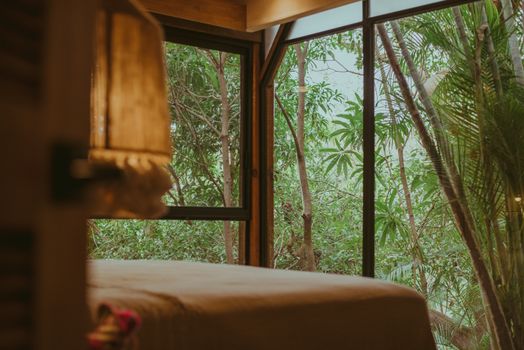
Staying at Mashpi feels like living inside a high-definition nature documentary. The walls of your room are floor-to-ceiling glass, offering views of moss-draped trees, giant ferns, and bright orange Andean Cock-of-the-rock birds darting through the mist.
The culinary team utilizes wild, native ingredients gathered from the forest floor, such as chillangua (a wild cilantro variant) and salprieta (a coastal peanut and corn spice blend).
- Pro-Tip: Wake up at 5:30 AM and head to the observation tower. The morning mist rising off the canopy is spectacular. Ask your guide to show you the "Dragonfly"—a 2-kilometer cable system that lets you glide silently through the canopy in an open-air gondola.
---
5. Singita Kwitonda Lodge (Volcanoes National Park, Rwanda)
Regenerative Reforestation at the Edge of the Wild
Sitting on 178 acres of land right on the border of Volcanoes National Park, Singita Kwitonda Lodge was built to serve as a physical buffer zone between human habitation and the habitat of the endangered mountain gorillas.
``` SINGITA KWITONDA'S ECO FOOTPRINT ┌─────────────────────────────────────────────────────────┐ │ Native Trees Planted: 250,000+ │ │ Building Materials: Local Volcanic Stone & Clay │ │ Energy: 100% Certified Off-Grid Solar & Battery Storage │ └─────────────────────────────────────────────────────────┘ ```
The Tech Behind the Luxury
The construction of Kwitonda is a masterclass in low-impact engineering. The lodge was built using locally sourced volcanic stone, river clay bricks, and sustainably harvested eucalyptus wood.
The resort’s heating and cooling systems rely on high-thermal-mass walls and double-glazed windows to naturally regulate indoor temperatures.
To offset the remaining carbon footprint, Singita undertook one of the most ambitious reforestation projects in East Africa, planting over 250,000 indigenous trees and shrubs on the property to restore the natural forest ecosystem.
The Insider Experience
Each of the eight suites features an indoor-outdoor shower, a private heated plunge pool, and an outdoor fireplace. The interiors are decorated with stunning, hand-woven basketry and textured volcanic brick walls.
The food is a celebration of Rwandan agriculture, with dishes featuring fresh passion fruit, tree tomatoes, and organic mountain honey sourced directly from local cooperatives.
- Pro-Tip: Spend an afternoon at the Akarabo Nursery. It’s not just a greenhouse; it’s the engine room of the region's reforestation efforts. You can physically plant your own native tree, which will be geo-tagged so you can track its growth and carbon-sequestration progress online over the coming years.
---
Quick Facts: Logistics, Costs, and Best Times to Visit
To help you plan your next carbon-neutral escape, here is a breakdown of the essential logistics for each property:
| Resort & Location | Est. Cost per Night (USD) | Best Time to Visit | How to Get There | Carbon-Neutral Certification | | :--- | :--- | :--- | :--- | :--- | | Lefay Resort & SPA <br>(Lago di Garda, Italy) | $450 - $1,200 | April to October | Fly into Verona (VRN) or Milan Bergamo (BGY); private hybrid transfer to Gargnano. | TÜV SÜD (ISO 14064) | | The Brando <br>(Tetiaroa, French Polynesia) | $3,500 - $6,000 | May to October | Fly to Tahiti (PPT), then take a 20-minute flight via Air Tetiaroa. | LEED Platinum & EarthCheck | | Soneva Fushi <br>(Baa Atoll, Maldives) | $2,000 - $5,500 | November to April | Fly to Malé (MLE), then take a 30-minute seaplane ride to the Baa Atoll. | Decarbon Gold Standard | | Mashpi Lodge <br>(Chocó Cloud Forest, Ecuador) | $1,100 - $1,800 | June to September | Fly to Quito (UIO); the resort provides a 3-hour private overland transfer. | Certified Carbon Neutral by Sambito | | Singita Kwitonda <br>(Volcanoes NP, Rwanda) | $2,400 - $4,200 | June to September, December to February | Fly to Kigali (KGL); 2.5-hour scenic drive or a 25-minute helicopter ride. | One Planet Living Framework |
---
The Checklist: How to Spot Genuine Carbon-Neutrality
As the demand for eco-friendly travel grows, so does the volume of greenwashing. Before booking any resort that claims to be "eco-friendly" or "carbon-neutral," run them through this quick diagnostic checklist:
- Look for Third-Party Certifications: Do they hold verified certifications from reputable bodies like EarthCheck, Green Globe, LEED (Gold or Platinum), or TÜV SÜD? If they only display self-made badges, be skeptical.
- Check the Scope of Carbon Offsets: Do they offset their entire operational footprint (Scope 1, 2, and ideally 3, including guest travel), or are they just buying cheap carbon credits to cover their office energy use?
- Examine Waste Management: A truly sustainable resort will have a transparent waste-to-landfill diversion rate. Look for properties that compost organic waste and ban single-use plastics entirely.
- Look for Local Integration: True environmental sustainability cannot exist without social sustainability. Does the resort employ local staff in management positions, source food from local farmers, and invest in local community infrastructure?
The era of choosing between extreme luxury and a clean conscience is officially over. These carbon-neutral resorts prove that the most indulgent travel experiences are those that leave the planet better than we found it.
---