The Sweet Scent of Sustainability: My First Taste of Carbon-Neutral Paradise
I stepped off the seaplane and the air hit me – a heady, intoxicating blend of salt spray, blooming frangipani, and something subtly earthy, like damp soil after a tropical rain. The gentle lapping of waves against the pristine white sand was the only soundtrack, a stark contrast to the usual cacophony of airport arrivals. This was The Azure Canopy, a nascent eco-resort tucked away on a private island in the Maldives, and even before I'd officially checked in, I knew I was somewhere truly special. This wasn't just a holiday; it was a testament to a new era of travel, one where luxury and planetary stewardship walk hand-in-hand. And believe me, this year, that era is exploding.
H3: The Rise of the Conscious Traveler: Why Carbon-Neutral is No Longer a Niche
Let’s be honest, the travel world has been a bit of a mess for a while. We’ve all seen the iconic photos of overcrowded destinations, the plastic waste washing ashore, and felt that nagging pang of guilt. But the tide is turning, and fast. Travelers like you and me are demanding more. We want experiences that nourish our souls, not deplete the planet. We’re seeking out places that not only offer breathtaking beauty but also actively contribute to its preservation. This is where carbon-neutral resorts step into the spotlight, leading the charge in hospitality’s most exciting evolution.
This year, the concept of "eco-friendly" is being redefined. It's not just about recycling or saving water anymore. We're talking about resorts that are carbon-neutral, meaning they have measured their greenhouse gas emissions and offset them through credible projects, or, even better, are actively reducing their emissions to net-zero. They’re not just guests on this planet; they’re responsible citizens. And the innovation happening right now is nothing short of revolutionary.
H2: Emerging Giants: The Carbon-Neutral Resorts Redefining Luxury
The landscape of sustainable travel is no longer a quiet corner; it's a vibrant, bustling marketplace of innovation. This year, we're seeing a wave of new resorts that are not just ticking the boxes, but are setting entirely new benchmarks for what a carbon-neutral escape can be. These aren't your dusty, granola-crunching retreats (unless that's your jam, and if so, they have those too!). These are sophisticated, luxurious havens where every detail is considered, from the locally sourced organic cotton sheets to the solar-powered infinity pools.
H3: The Azure Canopy, Maldives: Where Ocean Dreams Meet Zero Emissions
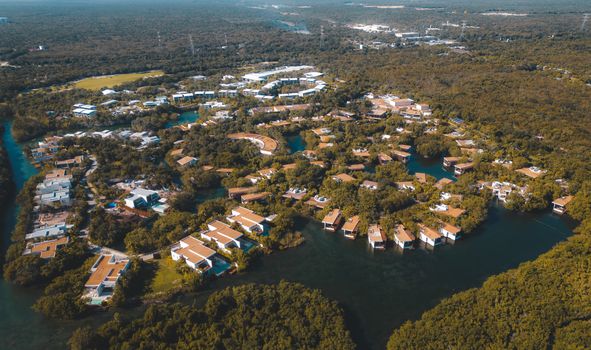
Back to my Maldivian revelation. The Azure Canopy isn't just claiming carbon neutrality; they’re living it. From the moment you arrive, you feel it. The resort is powered entirely by a state-of-the-art solar farm discreetly integrated into the island's landscape. They’ve implemented a sophisticated greywater recycling system that irrigates their organic gardens, which in turn supply the kitchens with the freshest produce imaginable. Even the construction materials were chosen for their low embodied carbon footprint.
Pro-Tip: Wake up for the sunrise yoga session on the overwater pavilion. The first rays of light hitting the turquoise lagoon are pure magic, and the only sound is the gentle whisper of the ocean.
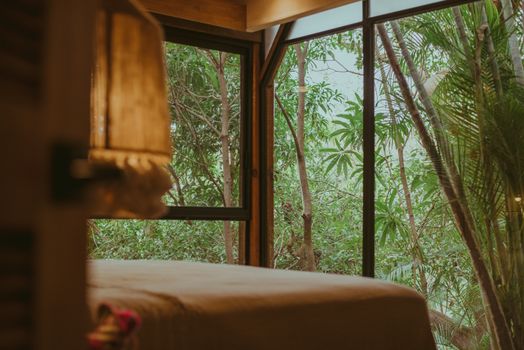
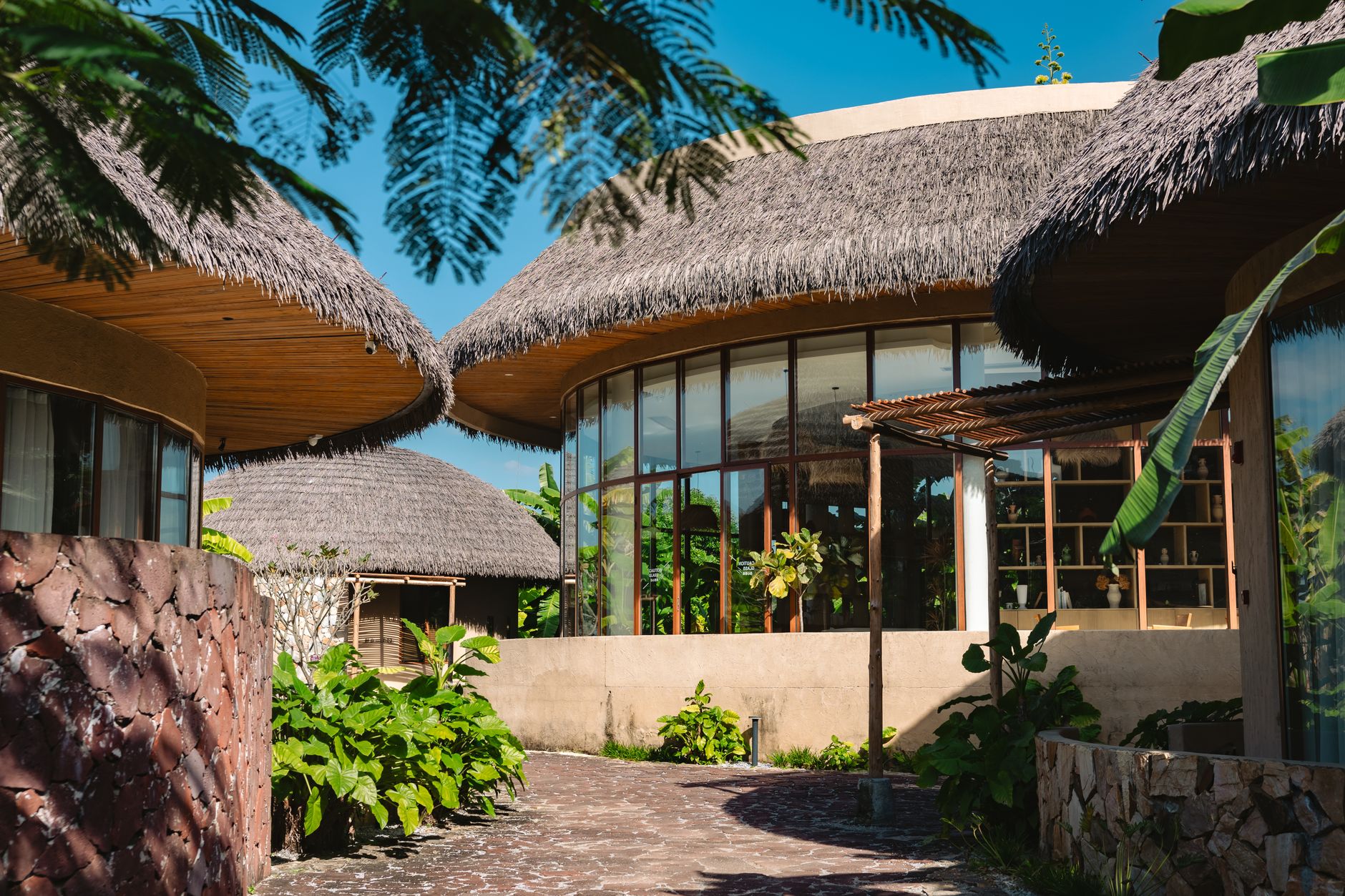
My villa, perched elegantly over the water, was a masterclass in sustainable design. Crafted from reclaimed timber and bamboo, it featured natural ventilation systems that kept the interior cool without relying heavily on air conditioning. The toiletries were locally made, organic, and packaged in biodegradable materials. It felt like living in harmony with the ocean, not just overlooking it.
Quick Facts: The Azure Canopy, Maldives
| Category | Details | Estimated Cost ($) | Best Time to Visit | How to Get There | | :--------------- | :------------------------------------------------------------------- | :----------------- | :----------------- | :--------------------------------------------------------------------------------- | | Accommodation | Overwater Villas, Beachfront Bungalows | $800 - $2500/night | December - April | International flight to Velana International Airport (MLE), followed by seaplane transfer. | | Activities | Snorkeling, diving, sustainable fishing, marine biology talks, organic farm tours | $50 - $300/activity | Year-round | On-site | | Dining | Farm-to-table, ocean-to-plate | $100 - $250/person | Year-round | Included in resort operations | | Sustainability | 100% Solar Powered, Greywater Recycling, Organic Farming, Carbon Offsetting | N/A | N/A | N/A |
H3: Terra Viva Lodge, Patagonia: Untamed Beauty, Uncompromised Principles
Further south, in the rugged heart of Patagonia, Terra Viva Lodge is proving that you don’t need to sacrifice rugged adventure for deep sustainability. This place is raw, wild, and utterly captivating. Think snow-capped peaks, ancient glaciers, and windswept plains. Terra Viva is built with locally sourced, recycled materials and powered by a combination of geothermal energy and a small, highly efficient wind turbine. Their commitment to preserving the fragile Patagonian ecosystem is palpable.
I spent my days trekking through jaw-dropping landscapes, guided by locals who shared not just their knowledge of the trails, but also their deep respect for the land. The evenings were spent by a crackling fire, savoring hearty stews made with ingredients from their own biodynamic garden. The absence of excessive light pollution meant the night sky was an absolute spectacle – a dazzling blanket of stars I hadn’t seen in years.
Pro-Tip: Book a guided glacier hike at dawn. The light hitting the ice formations is otherworldly, and you'll have the trails largely to yourself.
What truly sets Terra Viva apart is their regenerative tourism model. They actively invest in local conservation projects, reforesting native trees and supporting wildlife rehabilitation programs. It’s not just about minimizing their impact; it’s about actively improving the environment.
Quick Facts: Terra Viva Lodge, Patagonia
| Category | Details | Estimated Cost ($) | Best Time to Visit | How to Get There | | :--------------- | :---------------------------------------------------------------------- | :----------------- | :----------------- | :--------------------------------------------------------------------------------------- | | Accommodation | Eco-cabins, Glamping tents | $300 - $700/night | October - April | International flight to Buenos Aires (EZE) or Santiago (SCL), then domestic flight to El Calafate (FTE) or Punta Arenas (PUQ), followed by private transfer. | | Activities | Trekking, horseback riding, glacier tours, wildlife spotting, stargazing | $75 - $400/activity | Spring/Summer | Arranged by the lodge | | Dining | Locally sourced, seasonal, traditional Patagonian cuisine | $80 - $150/person | Year-round | Included in some packages, or à la carte | | Sustainability | Geothermal & Wind Power, Regenerative Tourism, Local Conservation Efforts | N/A | N/A | N/A |
H3: The Canopy Collective, Costa Rica: Rainforest Rhapsody in Harmony
Costa Rica has long been a pioneer in ecotourism, and The Canopy Collective is raising the bar even higher this year. Nestled deep within the lush rainforest, this resort is a symphony of natural sounds and sustainable design. Imagine waking to the chatter of monkeys and the vibrant calls of toucans, all from the comfort of your treehouse suite. The Canopy Collective is powered by a micro-hydroelectric system and uses a closed-loop water system.
I spent my days zip-lining through the emerald canopy, exploring hidden waterfalls, and learning about the incredible biodiversity of the region from their resident naturalist. The open-air dining pavilion, overlooking the dense jungle, served incredible plant-based cuisine, bursting with tropical flavors. They’ve also partnered with local indigenous communities, ensuring that their presence benefits the people who call this rainforest home.
Pro-Tip: Don't miss the guided night walk. The rainforest truly comes alive after dark, revealing a whole new world of fascinating creatures.
Their commitment extends beyond their operational footprint. The Canopy Collective is a certified B Corporation, meaning they meet rigorous standards of social and environmental performance, accountability, and transparency. It’s a holistic approach to responsible travel.
Quick Facts: The Canopy Collective, Costa Rica
| Category | Details | Estimated Cost ($) | Best Time to Visit | How to Get There | | :--------------- | :------------------------------------------------------------------------ | :----------------- | :----------------- | :--------------------------------------------------------------------------------------- | | Accommodation | Treehouse Suites, Rainforest Bungalows | $400 - $900/night | December - April | International flight to Juan Santamaría International Airport (SJO), followed by a domestic flight to a local airstrip or a scenic private transfer. | | Activities | Zip-lining, waterfall hikes, wildlife tours, birdwatching, cultural exchanges | $60 - $250/activity | Year-round | On-site | | Dining | Organic, plant-based, locally sourced | $70 - $120/person | Year-round | Included in some packages, or à la carte | | Sustainability | Micro-Hydroelectric Power, Closed-Loop Water System, B Corp Certified, Community Partnerships | N/A | N/A | N/A |
H2: Beyond the Buzzwords: What 'Carbon-Neutral' Actually Means for Your Stay
It's easy for resorts to throw around terms like "eco-friendly" and "sustainable." But what does carbon-neutral truly signify when you're booking your escape?
- Measured Emissions: These resorts meticulously track their greenhouse gas emissions across all operations – energy consumption, waste management, transportation, and even the food served.
- Reduction Strategies: The primary goal is always to reduce emissions. This means investing in renewable energy, implementing efficient systems, and sourcing locally.
- Credible Offsetting: For unavoidable emissions, resorts invest in high-quality carbon offset projects. Think reforestation, renewable energy development in underserved communities, or methane capture. The key is that these projects are verified and have a real, measurable impact.
- Transparency: The best carbon-neutral resorts are open about their footprint and their offsetting strategies. They'll often publish sustainability reports and be happy to answer your questions.
Pro-Tip: Look for resorts that are certified by reputable organizations like the Carbon Trust or have achieved net-zero certifications. This adds an extra layer of credibility.
H2: The Future is Green, and It's Luxurious
The emergence of these carbon-neutral resorts isn't just a trend; it's a fundamental shift in the hospitality industry. Travelers are becoming more discerning, and businesses are responding with innovation and a genuine commitment to making a positive impact.
These aren't just places to sleep; they are destinations that inspire, educate, and leave you feeling not just rested, but also renewed and connected to the planet. They prove that you can have an unforgettable, luxurious experience without compromising your values.
So, as you plan your next adventure, consider stepping into a carbon-neutral paradise. You'll be supporting a movement that's crucial for the future of travel, and trust me, the experience will be more enriching, more authentic, and more deeply satisfying than you ever imagined. The future of hospitality is here, and it's beautifully, brilliantly green.