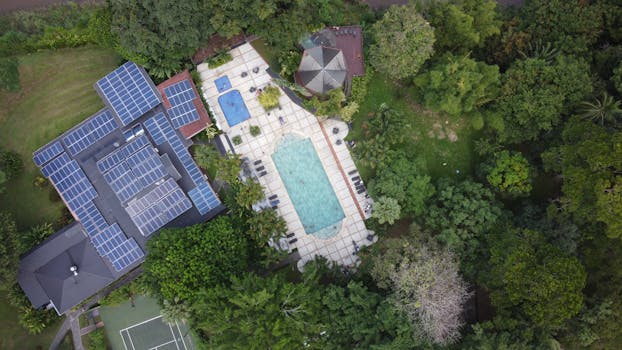
Carbon-neutral resorts have become a common feature of the hospitality market, and many properties now highlight their climate credentials on websites and in brochures. The phrase is appealing, but it does not have one universal meaning. Some resorts reduce their emissions substantially through efficient buildings and renewable energy, while others rely mainly on purchasing offsets to balance emissions that remain. Understanding the difference helps you judge claims honestly and choose a property whose practices match your values. This guide explains what to look for and which questions are worth asking before you book.
What carbon neutral can mean
In general terms, a carbon-neutral claim suggests that a business's net greenhouse gas emissions are balanced to zero over a defined period. How that balance is achieved matters a great deal. A resort might cut its emissions through insulation, efficient heating and cooling, on-site renewable energy, lower-impact food sourcing and waste reduction. It might then buy verified offsets for remaining emissions. Another resort may use offsets for most of its footprint with little operational change. Both could use the same phrase, yet their performance will differ.
Scope is another consideration. Many assessments focus on direct operations, such as energy used on site. Others include supply chains, food, construction and guest travel to the property, which typically account for a larger share of a trip's footprint. Ask which emissions are included in a claim.
Reading certifications and third-party checks
Independent certifications can provide useful structure, though they vary in rigor and scope. Some focus on environmental management systems, some on energy performance, and some on broader sustainability criteria covering staff, community and biodiversity. Look for certifications that are verified by an external body and that publish their criteria. A logo on a website is less informative than a clear explanation of what was assessed, when and by whom.
Be cautious with vague wording such as eco-friendly, green or planet positive without explanation. These terms are not standardized, and they do not tell you how a property performs. Where a resort publishes an annual sustainability report, check whether it includes measured figures, methods and targets, and whether it notes areas where it has not yet made progress. Transparent reporting often includes limitations, which can be a good sign.
Offsets: useful, but not a substitute
Carbon offsets fund projects intended to reduce or remove greenhouse gases elsewhere, such as forest conservation, renewable energy or methane capture. Offsets can play a role in climate action, but their quality varies. Credible programs have transparent methods, independent verification and safeguards against double counting. Weaker programs may overstate benefits or rely on assumptions that are hard to check. If a resort relies heavily on offsets, ask which projects it funds, how they are verified and whether it also reduces emissions on site.
Offsets are generally considered most meaningful when they follow real reductions rather than replacing them. A property that invests in efficiency and then offsets what remains presents a stronger case than one that offsets without operational change.
Questions to ask before you book
Practical questions can reveal a great deal. Ask how energy is sourced and whether the resort uses renewable electricity or on-site generation. Ask how water is managed, including treatment, reuse and conservation measures, particularly in dry regions. Ask how food is sourced, and whether the property prioritizes local and seasonal produce, which can reduce transport emissions. Inquire about waste separation, single-use plastics and any composting or recycling programs. Finally, ask whether the resort supports local employment and community projects, since environmental and social practices often go together.
Pay attention to how staff answer. Clear, specific responses suggest the property has systems in place, while vague answers may indicate that sustainability is mainly a marketing theme.
Comparing resorts fairly
When comparing two properties, look at similar criteria. A small boutique lodge and a large resort will have different footprints, and their climate context, building age and location all matter. A property in a remote area may depend on longer transfers or generator power, and that can affect its figures. Consider the whole trip, including how you travel to the destination, since guest transport often represents a significant portion of total emissions. Choosing a nearby destination, a longer stay or a rail connection where practical can change the overall picture more than the choice between two resorts.
Practical tips
Start with the property's own sustainability report and any third-party certifications it lists, then check whether the claims are current. Ask direct questions about scope and methods before booking. Reduce what you can at your end, such as choosing a direct route, packing light and taking advantage of reusable water bottles if the property provides filtered water. Respect in-room guidance on towels and linens, which can reduce water and energy use. If you value a particular practice, mention it in your feedback to the property, since operators often respond to guest interest.
Carbon-neutral claims can be a useful starting point, but they work best alongside detailed questions and a review of the full trip. A resort that explains its methods clearly and invests in real reductions gives you more reason to trust its claims than one that relies on a single label.