The Hook: A New Dawn on the Water
I stepped off the solar-powered electric yacht onto the teak boardwalk of Kudadoo Private Island, and the first thing that hit me wasn't the scent of tropical salt air, but the silence.
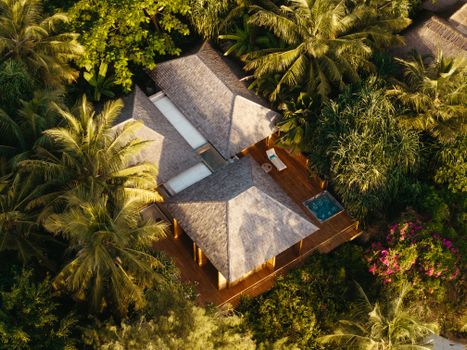
There was no low-frequency rumble of a diesel generator hidden in the palms. No oily exhaust slick drifting across the turquoise lagoon. Instead, there was only the clean, sharp scent of crushed lemongrass, the rustle of coconut fronds, and the gentle lapping of the Laccadive Sea. Above me, the resort’s massive sloped roof glinted in the Maldivian sun, not with traditional thatch, but with 984 integrated solar panels.
This is the new face of ultra-luxury travel. For decades, the hospitality industry operated on a high-waste, high-emission model. Today, a select group of visionary hoteliers is proving that absolute indulgence and radical environmental stewardship can coexist. These are the real carbon-neutral resorts leading hospitality worth considering right now.
---
1. The Greenwashing Antidote: What Makes a Resort Genuinely Carbon-Neutral?
Before you drop four figures a night on a self-proclaimed "eco-paradise," you need to know how to spot the real deal. True carbon neutrality in hospitality isn't achieved by merely placing a bamboo toothbrush in the bathroom or asking guests to reuse their towels.
To be genuinely carbon-neutral (or carbon-negative), a resort must systematically address three areas:
- Scope 1 Emissions (Direct): Eliminating on-site fossil fuel combustion. This means no diesel generators, gas-powered kitchens, or traditional utility vehicles.
- Scope 2 Emissions (Indirect): Sourcing 100% of electricity from on-site or certified off-site renewable sources like solar, wind, or geothermal energy.
- Scope 3 Emissions (Value Chain): Minimizing the carbon footprint of supply chains, food sourcing, waste disposal, and even staff transport.
The properties profiled below don’t just buy cheap carbon offsets to clear their consciences; they have re-engineered the very physics of luxury hospitality.
---
2. Kudadoo Private Island, Maldives: The Solar-Powered Architectural Masterpiece
``` "The architecture here doesn't just house the experience; it powers it." ```
Designed by legendary architect Yuji Yamazaki, Kudadoo is a masterclass in Japanese minimalist design and high-yield solar engineering. Located in the pristine Lhaviayani Atoll, this fifteen-villa private island is entirely self-sustaining.
The Design & Tech
Instead of hiding the solar panels on a utility island, Yamazaki made them the focal point. The central hub—known as The Retreat—features a dramatic, sloped roof holding a 320-kWp solar system. This system powers the entire island, including the villas, desalination plants, wastewater treatment, and kitchens.
The Vibe
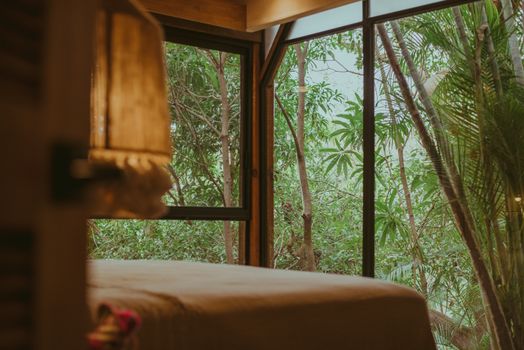
Think raw cedarwood, shou sugi ban charred timber accents, and massive glass doors that slide away to merge your living room with the ocean. Every villa features a private 44-square-meter infinity pool and a dedicated butler who can arrange everything from midnight scuba dives to beachside biodynamic wine tastings.
- Pro-Tip: Book Villa 15. It sits at the very end of the boardwalk, offering uninterrupted sunset views and the strongest natural cross-breezes, allowing you to sleep comfortably without turning on the air conditioning.
---
3. The Brando, French Polynesia: The Pioneer of Deep-Sea Air Conditioning
On the private atoll of Tetiaroa—once Marlon Brando’s personal sanctuary—lies a resort that serves as the gold standard for off-grid luxury. The Brando is close to achieving full carbon neutrality through a combination of solar energy, biofuel, and pioneering oceanography.
The Innovation: SWAC
Air conditioning accounts for up to 70% of a tropical resort's energy consumption. The Brando solved this by installing a Sea Water Air Conditioning (SWAC) system. The resort draws icy water from a depth of 3,000 feet in the Pacific Ocean and pumps it through a closed-loop system on land to cool the villas. This reduces cooling-related energy consumption by a staggering 90%.
The Culinary Program
Chef Jean-Albert The聲 has designed menus that rely heavily on the resort's organic greenhouse and orchards, nourished by composted waste. Seafood is caught using traditional, sustainable Polynesian techniques that prevent overfishing.
- Pro-Tip: Head to Bob’s Bar at 6:00 PM. Order the "Dirty Old Bob" cocktail, sweetened with wild honey harvested from the island's own hives. Ask the bartender to show you the beehives hidden in the interior forest.
---
4. Whitepod Eco-Luxury Hotel, Switzerland: Low-Impact Geodesic Alpine Living
If your idea of heaven involves snow-capped peaks and wood-burning stoves rather than tropical beaches, Whitepod in the Swiss Alps is your sanctuary.
The Low-Impact Concept
Located in Valais, 1,400 meters above sea level, Whitepod consists of 18 geodesic domes anchored to wooden platforms. The domes require minimal materials to construct and offer highly efficient heat circulation.
Each pod is heated by a high-efficiency pellet stove, utilizing locally sourced, sustainably harvested wood. Water is piped directly from local mountain springs, and all waste is meticulously sorted and recycled.
The Experience
There are no cars here. To reach your pod, you must hike 15 minutes through the pine forest from the reception desk (your luggage is transported via an electric utility vehicle). It forces you to slow down, breathe the alpine air, and connect with the landscape.
- Pro-Tip: Book the Zen Pod. It features a Japanese-style soaking tub made of local larch wood and a traditional tatami mats lounge area. Ask for the night snowshoe trek led by local guide Jean-Pierre; he knows where the wild chamois feed under the moonlight.
---
5. Mashpi Lodge, Ecuador: The Metallic Sanctuary in the Clouds
Mashpi Lodge sits like a futuristic research station within a 3,000-acre private reserve in the Ecuadorian Chocó Andean cloud forest—one of the most biodiverse places on Earth.
Built Without a Single Tree Cut
To construct Mashpi, engineers prefabricated the entire steel structure in Quito and assembled it on-site to avoid clearing any primary forest trees. The exterior walls are made of floor-to-ceiling glass, offering views of the mist-shrouded canopy.
Radical Offsetting & Conservation
Mashpi employs a team of full-time resident biologists who conduct ongoing carbon-stock evaluations. The lodge actively offsets its minimal emissions by protecting and reforesting surrounding agricultural lands, making the entire operation carbon-negative.
- Pro-Tip: Skip the crowded afternoon canopy gondola ride. Instead, book the Sky Bike at 7:00 AM. You’ll pedal a two-person cable bike across the gorge in total silence as the cloud forest wakes up, surrounded by hundreds of endemic orchids and hummingbirds.
---
6. Singita Kwitonda Lodge, Rwanda: Regenerative Luxury on the Edge of Volcanoes
Singita Kwitonda is located on the border of Volcanoes National Park, home to the endangered mountain gorilla. This lodge is a masterclass in regenerative tourism—where the goal is not just to do "no harm," but to actively heal the surrounding ecosystem.
The Reforestation Miracle
Singita’s presence here is defined by a massive 178-acre reforestation project. Over 250,000 indigenous trees and shrubs have been planted to expand the natural habitat of the mountain gorillas. The buildings themselves were constructed using local volcanic stone, volcanic tile, and clay bricks crafted by nearby community cooperatives, radically reducing the transport-related carbon footprint.
Systems and Sourcing
The lodge utilizes a state-of-the-art geothermal heating and cooling system. Nearly 90% of the ingredients used in the kitchen are sourced within a 10-mile radius, supporting local smallholders and cutting food miles to virtually zero.
- Pro-Tip: Spend an afternoon in the Akarabo Nursery. Singita’s lead agronomist will help you plant your own indigenous Alchemilla plant, which will eventually be transplanted into the national park buffer zone to support gorilla foraging.
---
Quick Facts: Budget, Logistics & Best Times to Visit
To help you plan your next carbon-neutral escape, here is a breakdown of the logistics, costs, and optimal travel windows for these industry-leading properties.
| Resort Name | Location | Est. Cost per Night (USD) | Best Time to Visit | How to Get There | | :--- | :--- | :--- | :--- | :--- | | Kudadoo Private Island | Maldives | $2,800 - $4,500 | November to April | 40-minute seaplane flight from Velana International Airport (MLE), Malé. | | The Brando | French Polynesia | $3,200 - $5,000 | May to October | 20-minute private air transfer from Faa'a International Airport (PPT) in Tahiti. | | Whitepod Eco-Luxury | Switzerland | $450 - $900 | January to March (Ski); June to August (Hiking) | Train from Geneva to Monthey, then a local bus or electric taxi to Les Cerniers. | | Mashpi Lodge | Ecuador | $1,100 - $1,600 | June to September | 3-hour private overland transfer provided by the lodge from Quito (UIO). | | Singita Kwitonda | Rwanda | $2,200 - $3,800 | June to September (Dry season for gorilla trekking) | 2.5-hour scenic drive from Kigali International Airport (KGL). |
---
7. The Conscious Traveler’s Audit: How to Spot Eco-Fraud
As you look for carbon-neutral options, remember that marketing departments are highly creative. Use this quick checklist to audit any resort before booking:
- Look for Third-Party Certifications: Do they hold certifications from reputable organizations like EarthCheck, LEED, Green Globe, or B-Corp?
- Check the Energy Source: If they claim to be eco-friendly but run on diesel generators, they are greenwashing. Ask directly: "What is your primary source of electricity?"
- Trace the Food: A resort importing strawberries to a desert island is not sustainable. Look for menus driven by hyper-local, seasonal, and biodynamic ingredients.
- Community Integration: True sustainability includes human equity. Does the resort employ local residents in management positions, or only in entry-level service roles?
---
The Final Word
Choosing to stay at a carbon-neutral resort isn't about compromise or self-deprivation. It is about experiencing a destination in its purest, most vibrant state.
When you remove the noise of fossil-fuel infrastructure, the synthetic smells of heavy chemical cleaners, and the guilt of environmental degradation, what you are left with is true luxury: absolute peace, deep connection to place, and the knowledge that your journey leaves the world just a little better than you found it.
---