Autumn Harvests: Your Ultimate Before-You-Die Bucket List!
I remember the first time I felt the squish of grapes between my toes. It wasn't in some fancy spa or a quirky art installation; it was in a sun-drenched vineyard in Tuscany, surrounded by laughter, the scent of fermenting fruit, and the kind of pure, unadulterated joy that travel bloggers usually only dream of capturing. That day, covered in purple juice and buzzing with newfound energy, I realized something profound: the most memorable travel experiences aren't just about seeing beautiful places, but about participating in them.
Autumn, with its crisp air and golden light, isn't just a season for pumpkin spice lattes; it’s a global celebration of abundance, hard work, and community. It's when the earth yields its treasures, and for those of us with a thirst for authentic adventure, it offers an unparalleled opportunity to get our hands dirty, connect with local cultures, and truly understand where our food comes from. Forget just tasting the local wine or olive oil; imagine making it.
These aren't just activities; they're rites of passage, sensory explosions, and profound connections waiting to be made. Trust me, these are the autumn harvests you absolutely, unequivocally need to experience before you die.
---
1. Grape Harvest & The Joyful Squish: Wine Regions Worldwide
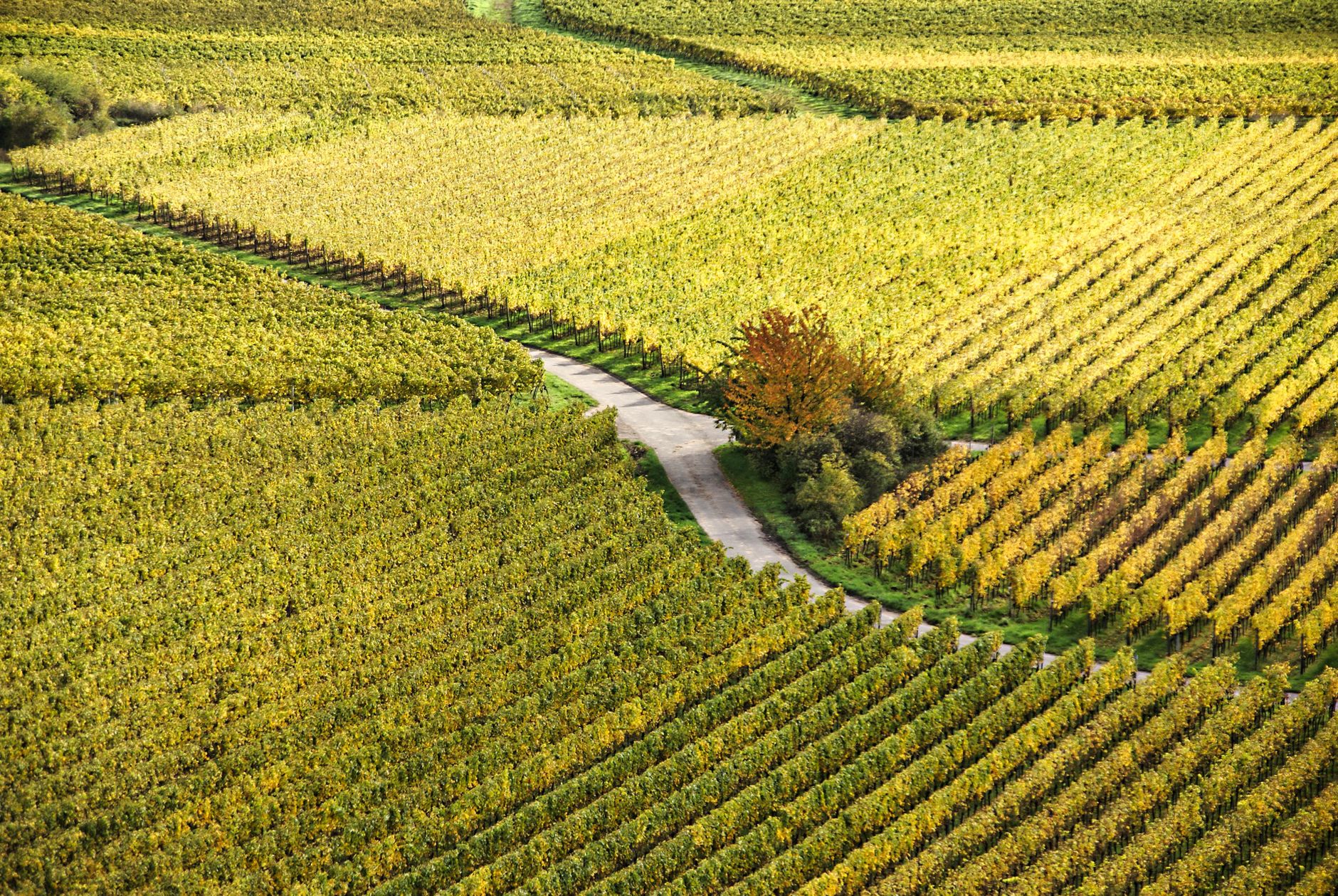
There's a reason why grape harvest, or vendemmia in Italy, vendange in France, is often seen as the quintessential autumn experience. It’s vibrant, communal, and culminates in one of humanity's most cherished beverages: wine.
My Story: My Tuscan grape stomping adventure was less "Lucy Ricardo" and more "unforgettable, sensory delight." I arrived at a family-run agriturismo near Montepulciano, the air alive with anticipation. After a morning of carefully hand-picking Sangiovese grapes under the guidance of a nonna who seemed to embody generations of winemaking wisdom, it was time for the main event: the foot-stomping. Slipping into the huge wooden vat, the initial shock of cold, slippery grapes quickly gave way to pure exhilaration. The sweet, earthy smell, the rhythmic squish, the shared laughter with fellow travelers and locals – it was pure magic. We weren't just making wine; we were making memories, forging connections, and experiencing an ancient tradition firsthand. Later, we toasted our efforts with an incredible farm-to-table lunch paired with their previous vintages.
Where & When:
- Tuscany, Italy: September to early October. Many agriturismos offer harvest experiences. Look around Chianti, Montalcino, Montepulciano.
- Bordeaux, France: Late September to mid-October. Smaller family vineyards often welcome visitors.
- Napa Valley & Sonoma County, USA: August through October, depending on varietal. Many wineries offer "Crush Camp" or harvest tours.
- Mendoza, Argentina: February-April (Southern Hemisphere autumn).
Practical Tips & Details:
- What to Expect: Most experiences start with vineyard tours, a brief lesson on grape varietals and pruning, followed by hand-picking. The foot-stomping is often a fun, symbolic activity, not always for the commercial wine. It usually includes a wine tasting and a traditional meal.
- Cost: Day experiences typically range from €50-€200 (or $60-$250 in the US), often including lunch and wine tasting. Multi-day farm stays with harvest participation can be more.
- Book Ahead: Especially in popular regions, these experiences sell out fast. Look for "vendemmia esperienza" or "grape harvest tour" online.
- Wear: Comfortable clothes, sturdy shoes for the vineyard, and clothes you don't mind getting a little purple-stained if you participate in stomping!
---
2. Olive Harvest: Liquid Gold from the Grove
Imagine walking through ancient olive groves, the silver-green leaves rustling in the autumn breeze, and the scent of fresh olives filling the air. This isn't just a scenic walk; it's an invitation to participate in the creation of one of the world's most prized culinary ingredients: extra virgin olive oil.
My Story: My olive harvest journey took me to Puglia, the "heel" of Italy, a region famed for its olive oil. I stayed at a masseria (fortified farmhouse) where the family had been cultivating olives for generations. Each morning, we'd head out to the groves, armed with nets and rakes. It was surprisingly meditative work – gently raking the olives from the branches onto the vast nets spread beneath the trees. The older women, with their weathered hands, taught me how to distinguish the ripe ones, how to avoid bruising the fruit. The highlight was visiting the local frantoio (olive mill), watching the freshly picked olives transformed into a vibrant green, peppery liquid. Tasting that first, warm, unfiltered oil, drizzled over a piece of crusty bread, was an epiphany – a taste of liquid gold that bore the mark of our own efforts.
Where & When:
- Puglia, Italy: October to November. The region is dotted with masserias offering agritourism.
- Crete, Greece: November to early December. Many family-run farms welcome visitors.
- Andalusia, Spain: November to January. The world's largest olive oil producer.
- California, USA: October to December (e.g., Paso Robles, Sonoma).
Practical Tips & Details:
- What to Expect: Participation often involves laying nets, gently raking olives, and sorting them. Some tours include a visit to an olive mill and, crucially, an olive oil tasting (often called a "frantoio experience").
- Cost: Day experiences can be €40-€150 ($50-$180), often including lunch or a tasting. Agriturismo stays offering harvest participation typically start from €100-€300 ($120-$350) per night, including meals and activities.
- Find It: Search for "olive harvest experience Puglia" or "agriturismo raccolta olive." Many small farms don't heavily advertise online, so local tourism offices or specialized agritourism booking sites can be helpful.
- Wear: Layers, sturdy shoes, and clothes you don't mind getting a bit dusty or stained.
---
3. Truffle Hunting: The Thrill of the Underground Treasure
This isn't just a harvest; it's a hunt, a thrilling quest for one of the world's most elusive and prized culinary delights: the truffle. Forget fancy restaurants; imagine finding this "diamond of the kitchen" yourself, deep in an ancient forest.
My Story: My truffle hunting adventure took me to the misty, rolling hills of Piedmont, Italy, famous for its white truffles. We met our trifolau (truffle hunter) and his trusty dog, a Lagotto Romagnolo named Bella, at dawn. The air was crisp, the forest floor damp with fallen leaves. Bella, a blur of furry excitement, led the way, sniffing intently. Suddenly, she started digging furiously! The trifolau gently intervened, carefully unearthing a gnarled, earthy lump. The scent was intoxicating – musky, earthy, almost ethereal. Finding that first white truffle, cradling it in my hand, felt like discovering hidden gold. The experience culminated in a sublime lunch featuring our freshly found truffles, shaved generously over pasta and eggs. It was an indulgence for the senses and a true connection to the land's hidden bounty.
Where & When:
- Piedmont & Umbria, Italy: Peak season for the prized White Alba Truffle is October to December. Black truffles are found year-round, but autumn offers excellent varieties.
- Périgord, France: Known for black truffles, with hunts often extending into winter, but autumn is a great time to learn about the season.
- Istria, Croatia: Another fantastic, lesser-known region for both white and black truffles, especially in autumn.
Practical Tips & Details:
- What to Expect: Early morning starts, walking through forests (often uneven terrain), and watching the specially trained dogs work their magic. Most tours include a tasting or meal featuring the truffles found.
- Cost: Truffle hunts are a premium experience, typically ranging from €150-€500 ($180-$600) per person, depending on the region, duration, and whether a meal is included.
- Book Well in Advance: These are highly sought-after experiences, especially during white truffle season. Look for reputable local guides or agriturismos that offer "cerca del tartufo."
- Wear: Sturdy, waterproof hiking boots, warm layers, and clothes you don't mind getting muddy. The forest floor can be damp.
---
4. Apple Picking & Cider Pressing: A Taste of Nostalgia
For many, apple picking is the quintessential autumn activity, a nostalgic journey back to simpler times. But it's more than just filling a basket; it's about connecting with the crisp bounty of fall and, perhaps, even making your own cider.
My Story: Growing up in New England, apple picking was an annual ritual. But it wasn't until a few years ago, visiting a sprawling orchard in Vermont, that I truly appreciated the craft. We spent the morning wandering through rows of McIntosh, Honeycrisp, and Granny Smith trees, the air smelling faintly of cinnamon and woodsmoke. We filled bushels, tasted different varieties right off the branch, and then headed to the farm's old cider press. Watching the apples get crushed and the fresh, cloudy juice flow out was mesmerizing. Later, we bottled our own jug of unpasteurized cider, which tasted like pure autumn – sweet, tangy, and invigorating. It was a simple pleasure, but deeply satisfying and Instagram-perfect with its rustic charm.
Where & When:
- New England, USA: September to October. States like Vermont, New Hampshire, and Massachusetts are dotted with orchards.
- Pacific Northwest, USA: September to October. Washington state is a major apple producer.
- Kent, England ("The Garden of England"): September to October. Many farms offer pick-your-own and cider pressing.
- Normandy, France: September to October. Famous for its cider apples and calvados.
Practical Tips & Details:
- What to Expect: Family-friendly fun! You'll likely get a map of the orchard, a bag or basket, and instructions on how to pick. Many farms also have corn mazes, hayrides, and farm stores selling fresh produce, pies, and donuts. Cider pressing demonstrations or participation might be offered at larger orchards.
- Cost: Entry to orchards is often free or a small fee ($5-10), and you pay by the pound for the apples you pick (typically $2-3/lb). Cider pressing might be a separate activity or part of a festival.
- Find It: Search for "pick your own apples [region]" or "apple orchards near me." Local tourism boards are also a great resource.
- Wear: Layers, comfortable shoes, and bring a hat for sunny days.
---
5. Cranberry Harvest: A Sea of Ruby Red
If you've ever seen photos of vast bogs flooded with bright red cranberries, you know this harvest is a visual spectacle. It's unique, vibrant, and a truly unforgettable experience.
My Story: I'd always seen cranberries in a can or dried in a trail mix, but witnessing the harvest in Massachusetts was a revelation. We visited a working cranberry farm, and while we didn't get to wade into the bog ourselves (that's for the professionals!), we watched from the sidelines as the bogs were flooded, and the "beaters" churned the water, dislodging the berries. The sight of millions of buoyant, ruby-red berries floating on the surface, ready to be corralled, was absolutely breathtaking. It felt like watching a painting come to life. Learning about the ingenious methods and the sheer scale of the operation gave me a whole new appreciation for this humble fruit. Many farms also offer tasting tours and sell fresh cranberries and products.
Where & When:
- Massachusetts, USA: Late September to late October. Southeastern Massachusetts is the largest cranberry growing region.
- Wisconsin, USA: Late September to late October.
- British Columbia, Canada: Late September to October.
Practical Tips & Details:
- What to Expect: Many farms offer guided tours where you can learn about the history, cultivation, and harvesting methods. Some may offer viewing platforms or even opportunities to get a closer look (though wading into the commercial bogs is usually restricted for visitors). Cranberry festivals are common during this time.
- Cost: Tours typically range from $30-$70 per person. Festivals might have separate entry fees or activity costs.
- Find It: Search for "cranberry bog tour [region]" or "cranberry harvest festival." Book well in advance as these are seasonal and popular.
- Wear: Warm layers, waterproof shoes, and be prepared for potentially muddy conditions if walking near the bogs.
---
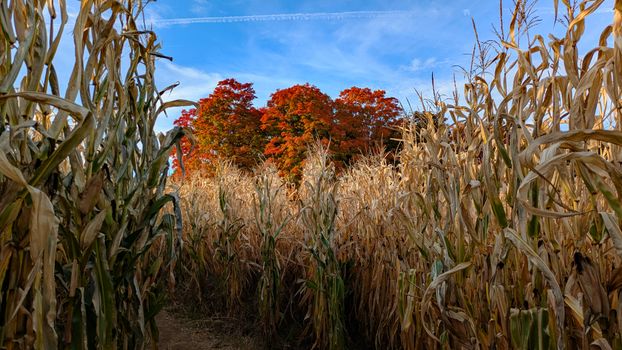
6. Pumpkin Patch & Corn Mazes: The Quintessential Fall Festival
While perhaps not a "harvest" in the traditional sense of hard labor, visiting a pumpkin patch and navigating a corn maze is an essential autumn experience that connects you with agricultural bounty and pure, unadulterated fall joy. It’s an immersion into seasonal traditions that’s both fun and surprisingly grounding.
My Story: Every autumn, without fail, I find myself drawn to the local pumpkin patch. One particular trip to a sprawling farm in rural Pennsylvania stands out. It wasn't just about finding the perfect pumpkin (though I did, a magnificent, lopsided specimen). It was about the entire atmosphere: the smell of hay and woodsmoke, the laughter of children on a hayride, the challenge of getting hopelessly lost (and eventually found!) in a towering corn maze. We roasted corn on an open fire, sipped hot apple cider, and browsed rows of gourds and mums. It felt like stepping into an autumn postcard, a vibrant celebration of the season's abundance and community spirit. It's a reminder that sometimes, the best "harvest" is the one that brings people together for simple, wholesome fun.
Where & When:
- Across North America (USA & Canada): September to October. Almost every rural area and many suburban ones will have a farm offering these activities.
- Parts of Europe (e.g., UK, Germany): Increasingly popular, though often on a smaller scale.
Practical Tips & Details:
- What to Expect: A vast field of pumpkins to choose from, often a corn maze (ranging from easy to incredibly complex), hayrides, petting zoos, farm stands with fall treats (cider donuts!), and various other family-friendly activities.
- Cost: Entry fees to farms typically range from $10-$25 per person, often including some activities. Pumpkins are usually paid for by weight.
- Find It: Search for "pumpkin patch near me," "corn maze [city/region]," or "fall festival [city/region]."
- Wear: Casual, comfortable clothes and shoes suitable for walking in fields. Sunscreen and hats if it's a sunny day.
---
7. Saffron Crocus Picking: The World's Most Precious Spice
For a truly unique and delicate harvest experience, consider participating in the saffron crocus pick. It's labor-intensive, incredibly rewarding, and connects you to one of the world's most valuable spices.
My Story: My journey to a small saffron farm in La Mancha, Spain, was driven by curiosity. I knew saffron was expensive, but I didn't understand why until I spent a chilly autumn morning hunched over delicate purple flowers. The harvest is done entirely by hand, at dawn, before the sun damages the precious stigmas. Each crocus yields only three tiny, crimson strands. We sat at long tables, carefully plucking these delicate threads from thousands of flowers. It was meticulous, meditative work, requiring immense patience. Holding a small pile of freshly plucked saffron, its heady aroma filling the air, I understood its value. It wasn't just a spice; it was the embodiment of human labor, dedication, and the fleeting beauty of nature. We later enjoyed a paella infused with the very saffron we had helped harvest.
Where & When:
- La Mancha, Spain: Late October to early November. The region is famous for its "Red Gold."
- Taliouine, Morocco: October to November. Often combined with broader cultural tours.
- Kozani, Greece: October to November. One of the few regions outside Spain to produce high-quality saffron.
Practical Tips & Details:
- What to Expect: Early mornings, delicate hand-picking of flowers, and then the even more delicate task of separating the stigmas. This is often a quieter, more focused experience than a boisterous grape harvest. Many tours will include a meal featuring saffron.
- Cost: Specific saffron harvest tours can be harder to find as standalone experiences; they are often part of longer agritourism packages or specialized food tours. Expect to pay anywhere from €70-€200 ($80-$240) for a day experience if available, or more for multi-day stays.
- Find It: Look for "saffron harvest tour La Mancha" or "agriturismo azafrán." Contact local tourism boards in saffron-producing regions.
- Wear: Warm layers for the cool morning, comfortable clothing suitable for sitting or bending, and a keen eye!
---
Ready to Harvest Your Own Memories?
These autumn harvests are more than just items on a checklist; they are invitations to slow down, engage your senses, and truly connect with the world around you. They are opportunities to understand the effort behind your food, to share laughter with strangers, and to create stories that will last a lifetime.
From the joyful squish of grapes to the delicate dance with saffron, each harvest offers a unique window into local culture, traditions, and the sheer abundance of our planet. So, which one will you tackle first? Don't just dream about it; start planning your unforgettable autumn adventure today.
Which of these harvests calls to you most? Share your autumn harvest dreams in the comments below!
---