The air was thick with the scent of sulfur, a primal aroma that hinted at the colossal forces simmering beneath my feet. Below, a vast, steaming caldera stretched out, a landscape so alien it felt like another planet. My heart hammered, not from fear, but from a profound, exhilarating awe. This wasn't some daring, life-threatening expedition; this was a perfectly safe, guided tour to the rim of an active volcano, and it utterly transformed my understanding of our planet.
For years, the idea of a volcano tour conjured images of daring explorers dodging lava bombs, a thrilling but frankly terrifying fantasy. But what if I told you that experiencing the raw, breathtaking power of a volcano is not only accessible but incredibly safe, offering some of the most mind-blowing travel experiences on Earth?
Welcome, fellow adventurers, to the ultimate guide to volcano tours that won't just blow your mind but will leave you with stories for a lifetime – all while keeping your feet firmly on solid, non-molten ground. As your resident Tripsora blogger, I've chased steam plumes, witnessed glowing lava, and hiked across ancient craters, and I'm here to tell you: the fear is overrated, the wonder is not.
Why Volcanoes? The Irresistible Allure of Earth's Fiery Heart
There's something undeniably magnetic about volcanoes. They are the ultimate architects of our world, simultaneously destroying and creating, shaping landscapes with an artistry that dwarfs any human endeavor. Standing before one, you feel a connection to Earth's deep, geological pulse, a humbling reminder of the planet's immense power.
Beyond the sheer geological drama, volcanoes offer a kaleidoscope of unique experiences:
- Otherworldly Landscapes: From black sand beaches to emerald crater lakes, volcanic regions boast scenery unlike anywhere else.
- Geothermal Wonders: Hot springs, geysers, and steaming vents create natural spas and dramatic spectacles.
- Unique Flora & Fauna: Life finds a way, even on volcanic slopes, leading to fascinating ecosystems.
- Cultural Significance: Many volcanic regions are steeped in local folklore, spiritual beliefs, and unique traditions.
- Unrivaled Photo Opportunities: Prepare for Instagram feeds that will make your followers gasp. The light, the textures, the sheer scale – it’s a photographer’s dream.
So, if you've ever secretly yearned to witness Earth's fiery breath but worried about safety, read on. Your next unforgettable adventure awaits.
The Golden Rules of Safe Volcano Exploration: Essential Tips for Your Journey
Before we dive into specific destinations, let's lay down the groundwork. Volcano tourism is safe when done responsibly. Think of it like hiking in the mountains – you wouldn't go off-trail in a blizzard, right? The same common sense (and a healthy dose of respect for nature) applies here.
- Always Go with a Certified Guide: This is non-negotiable for active or potentially active volcanoes. Local guides know the terrain, the weather patterns, the gas levels, and the current activity status far better than any tourist. They are your eyes, ears, and safety net.
- Check Current Alerts & Warnings: Before you even book, check official geological survey websites for the region (e.g., USGS for Hawaii, IMO for Iceland, PVMBG for Indonesia). Volcanic activity can change rapidly.
- Respect Exclusion Zones: If an area is marked off-limits, there's a very good reason. Don't try to sneak closer for a "better" photo. Your life isn't worth a selfie.
- Dress Appropriately:
- Sturdy Hiking Boots: Essential for uneven, rocky, often slippery terrain.
- Layers: Temperatures can vary wildly from base to summit, and weather can change quickly.
- Rain Gear: Even in sunny climates, volcanic peaks often create their own weather.
- Sun Protection: High altitudes mean stronger UV rays. Hat, sunglasses, and high SPF sunscreen are crucial.
- Gas Mask/Respirator: For certain volcanoes (like Ijen Crater), a good quality respirator is essential to protect against sulfur dioxide fumes. Your guide should provide or advise.
- Stay on Marked Trails: This isn't just about safety from falling into a crevice; it's also about protecting fragile volcanic ecosystems.
- Listen to Your Guide! Seriously, they are the experts. If they say turn back, you turn back. If they say don't touch, you don't touch.
- Assess Your Fitness Level: Some volcano hikes are strenuous. Be honest about your physical capabilities and choose tours accordingly.
- Pack Essentials: Water (lots of it!), snacks, a small first-aid kit, and a fully charged phone/power bank.
- Travel Insurance: Ensure your policy covers adventure activities, including guided volcano hikes.
Mind-Blowing Volcano Adventures Around the Globe: My Top Picks
Ready to experience the Earth's fiery heart without the fear? Here are some of the most incredible, yet perfectly safe, volcano tours that will leave you utterly speechless.
1. Hawaii, USA: Kīlauea & Mauna Loa (Hawaii Volcanoes National Park)
The Experience: Imagine standing on the edge of a massive caldera, steam rising from vents, and the ground feeling warm beneath your feet. Hawaii Volcanoes National Park on the Big Island is a living laboratory, home to two of the world's most active volcanoes: Kīlauea and Mauna Loa. While lava flows are not always visible or accessible, the park itself is a marvel. I've spent hours hiking through ancient lava tubes (Thurston Lava Tube is a must-see!), walking across hardened lava fields that stretch to the horizon, and marveling at the steam vents that constantly remind you of the power below. When Kīlauea is active and safely viewable, seeing that orange glow against the night sky is a moment that etches itself into your soul.
Personal Anecdote: My first trip to Kīlauea was during a period of active eruption, and though we were at a very safe distance (multiple miles away from the main vent), seeing the distant, fiery fountain dance against the inky blackness of the night was one of the most profound experiences of my life. The air vibrated with a low hum, and the occasional burst of red was met with a collective gasp from the small group around me. It felt like witnessing the birth of a planet.
Practical Tips:
- Best Time to Visit: Year-round, but lava viewing opportunities are dictated by eruption activity. Check the park website for current conditions.
- Getting There: Fly into Hilo (ITO) or Kona (KOA) on the Big Island. Renting a car is essential for exploring the park.
- Cost: Park entrance fee is $30 per vehicle for 7 days. Guided tours for specific trails or lava viewing (if available) can range from $50-$200+.
- Accommodation: Stay in Hilo for more options, or in the charming Volcano Village for proximity to the park.
- Don't Miss: Jaggar Museum (for caldera views), Chain of Craters Road (dramatic coastal drive), and hiking trails like Kīlauea Iki.
2. Iceland: Land of Fire and Ice (Eyjafjallajökull, Fagradalsfjall, Hekla, and more!)
The Experience: Iceland is practically built on volcanoes, offering a diverse array of experiences from steaming geothermal fields to recent eruption sites. While Eyjafjallajökull caused global chaos in 2010, its slopes are now serene, offering stunning views. My favorite recent experience was hiking to the Fagradalsfjall eruption site (when it was active and safe to do so). Walking across newly formed lava fields, still warm to the touch, and witnessing the raw, molten earth bubbling just a few hundred meters away was surreal. Even when not actively erupting, Iceland's volcanic landscapes, like the basalt columns of Reynisfjara or the geothermal wonders of Geysir and Námaskarð, are captivating.
Personal Anecdote: Hiking towards Fagradalsfjall, the air was surprisingly still, but the ground beneath my feet was a mosaic of black, crinkly lava. Then, we rounded a bend, and there it was: a river of fire, slowly snaking its way down the valley. The heat was palpable even from our safe viewpoint, and the sound – a low, guttural rumble – was unforgettable. It felt like being on the set of a sci-fi movie, utterly humbling and exhilarating.
Practical Tips:
- Best Time to Visit: Summer (June-August) for longer daylight hours and milder weather, but winter offers dramatic snow-covered landscapes and potential for Northern Lights.
- Getting There: Fly into Keflavík International Airport (KEF). Renting a 4x4 is highly recommended for exploring.
- Cost: Many sites are free, but guided tours (especially to active eruption sites or helicopter tours) can range from $100-$500+.
- Accommodation: Reykjavik offers a wide range, but consider guesthouses in smaller towns for specific regions.
- Don't Miss: The Golden Circle, Fimmvörðuháls hike (near Eyjafjallajökull), Blue Lagoon (geothermal spa), and a guided glacier hike over a dormant volcano.
3. Indonesia: Mount Bromo & Ijen Crater (Java)
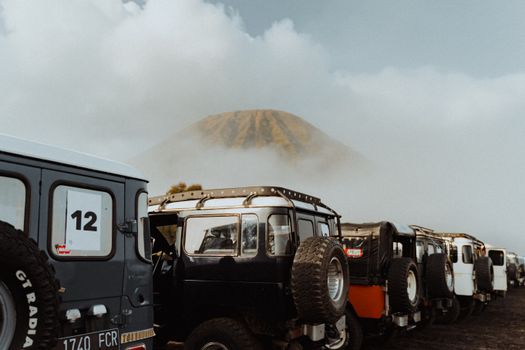
The Experience: This is a double-header that will test your early morning dedication but reward you with truly iconic views. Mount Bromo is famous for its ethereal sunrise vista: a vast caldera shrouded in mist, with the active cone of Bromo, Mount Batok, and the towering Semeru volcano piercing the sky. The trek across the "Sea of Sand" to the base of Bromo, then climbing the steep steps to its smoking crater, is an adventure. Ijen Crater, on the other hand, offers a unique nighttime spectacle: the mesmerizing "blue fire" caused by ignited sulfuric gases, alongside turquoise acid lake.
Personal Anecdote: Standing on King Kong Hill overlooking Bromo as the sun painted the sky in hues of orange and purple, slowly revealing the moon-like landscape below, was pure magic. The silence was broken only by the clicks of cameras and hushed gasps. Later, descending into Ijen's crater in the pre-dawn darkness, the smell of sulfur was intense, but seeing those surreal blue flames dance in the darkness, contrasted with the vibrant turquoise lake, felt like stepping into another dimension. It's tough, but absolutely worth every lung-burning step.
Practical Tips:
- Best Time to Visit: Dry season (April-October) for clearer skies and safer hiking conditions.
- Getting There: Fly into Surabaya (SUB) or Malang (MLG). Most tours depart from these cities, or you can hire a private driver.
- Cost: Bromo tours are typically part of a package including transport and accommodation, ranging from $100-$300+. Ijen tours can be added on. Entrance fees for both parks are separate (around $10-$20 each).
- Accommodation: For Bromo, stay in Cemoro Lawang. For Ijen, stay in Banyuwangi.
- Don't Miss: The sunrise viewpoints (King Kong Hill, Penanjakan), the trek to Bromo’s crater, and the blue fire trek at Ijen (requires early start and good health). A good quality gas mask is essential for Ijen!
4. Guatemala: Pacaya Volcano
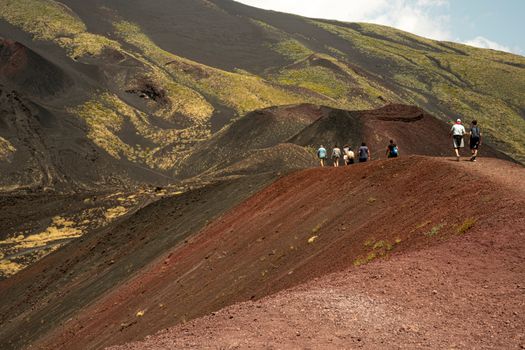
The Experience: Pacaya offers one of the most accessible and interactive active volcano experiences in the world. Just an hour's drive from the charming colonial city of Antigua, a hike up Pacaya's slopes is a moderate challenge that rewards you with incredible panoramic views of nearby volcanoes (Agua, Fuego, Acatenango) and, often, tangible evidence of volcanic activity. My favorite part? Roasting marshmallows over heat vents in the volcanic rock – a truly unique and delicious experience!
Personal Anecdote: Hiking up Pacaya, I remember the crunch of volcanic gravel under my boots and the laughter of our local guide, who expertly pointed out recent lava flows and steam vents. When we reached a flat, warm area, our guide pulled out a bag of marshmallows and skewers. The simple act of roasting a sweet treat over Earth's natural heat, with smoke curling from fissures nearby, was unexpectedly profound and incredibly fun. It's a fantastic blend of adventure and accessibility.
Practical Tips:
- Best Time to Visit: Dry season (November-May) for clearer views and easier hiking.
- Getting There: Day trips are easily arranged from Antigua ($15-$30 for transport and guide).
- Cost: Park entrance fee is around Q100 (approx. $13).
- Accommodation: Stay in Antigua, a UNESCO World Heritage site with beautiful hotels and vibrant culture.
- Don't Miss: The marshmallow roasting, the stunning views of the surrounding landscape, and the opportunity to buy volcanic souvenirs made by local vendors.
5. Italy: Mount Etna (Sicily) & Stromboli (Aeolian Islands)
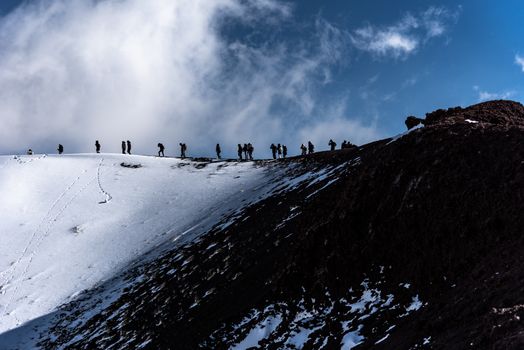
The Experience: Italy offers a captivating blend of ancient history and active geology. Mount Etna, Europe's most active volcano, dominates the eastern sky of Sicily. Guided tours take you up its slopes via cable car and then 4x4 buses, followed by a hike with volcanologists to safe viewing areas of recent lava flows or steaming craters. It's a powerful experience to stand on its barren, often snow-capped slopes. For a truly dramatic show, head to Stromboli, one of the Aeolian Islands. Night boat tours circle the island, allowing you to witness its near-constant, spectacular eruptions of fire and ash – known as the "Lighthouse of the Mediterranean."
Personal Anecdote: My trip to Etna was a cloudy day, but as we ascended, we broke through the clouds into a world of stark black rock against a brilliant blue sky. The wind howled, carrying the scent of sulfur, and our guide, a passionate volcanologist, shared tales of Etna's power. Seeing smoke plume from the summit craters felt like witnessing a living, breathing giant. Later, watching Stromboli erupt from the safety of a boat at night, the bursts of red against the dark sea were mesmerizing, each explosion met with a collective gasp of delight from the passengers. It's a fiery ballet that never ceases to amaze.
Practical Tips:
- Best Time to Visit: Spring and autumn offer pleasant weather. Summer can be hot, winter can have snow and make some areas inaccessible.
- Getting There: For Etna, tours depart from Catania or Taormina. For Stromboli, take a ferry or hydrofoil from Milazzo (Sicily) or Naples.
- Cost: Etna tours (cable car, 4x4, guide) can range from €60-€150+. Stromboli night boat tours are around €40-€60.
- Accommodation: For Etna, stay in Catania or Taormina. For Stromboli, stay on the island itself for a truly immersive experience.
- Don't Miss: Etna's summit craters (with a guide), lava caves, and the fertile volcanic vineyards. Stromboli's "Sciara del Fuoco" (Stream of Fire) from a boat tour.
Beyond the Hike: Unique Volcanic Experiences
Volcanoes aren't just for hiking! There are many other ways to appreciate their majesty:
- Helicopter Tours: Get an unparalleled bird's-eye view of craters, lava flows, and vast volcanic landscapes in places like Hawaii, Iceland, or New Zealand. Prices are higher, but the perspective is truly once-in-a-lifetime.
- Volcanic Wine Tasting: The mineral-rich soils around volcanoes (like Etna in Sicily, Santorini in Greece, or the Canary Islands) produce unique, delicious wines. Combine adventure with a sophisticated palate experience!
- Geothermal Spas & Hot Springs: Relax and rejuvenate in naturally heated waters, a direct gift from the Earth's fiery core. Iceland's Blue Lagoon, Japan's onsens, and New Zealand's Rotorua are prime examples.
- Exploring Lava Tubes: Walk through ancient underground tunnels formed by flowing lava. Thurston Lava Tube in Hawaii Volcanoes National Park is easily accessible.
- Snorkeling/Diving in Volcanic Craters: In places like Santorini, you can swim in the caldera of a submerged volcano, a truly unique aquatic adventure.
Capturing the Magic: Photography Tips for Your Volcanic Adventure
Volcanic landscapes are incredibly photogenic. Here’s how to make your shots truly stand out and garner those double-taps:
- Golden Hour & Blue Hour: The soft light of sunrise and sunset, or the ethereal glow just before dawn/after dusk, transforms volcanic landscapes. Perfect for those dramatic silhouette shots.
- Tripod is Your Friend: Essential for low-light conditions (lava viewing, blue fire at Ijen, stars over volcanoes) and for capturing silky smooth steam plumes.
- Wide-Angle Lens: To capture the immense scale of craters and landscapes.
- Telephoto Lens: For distant details, like plumes of smoke or specific rock formations.
- Protect Your Gear: Ash and dust can be brutal on camera equipment. Use lens filters, carry a rain cover, and keep your camera in a sealed bag when not in use.
- Capture Scale: Include people in your shots (from a safe distance!) to give a sense of the volcano's massive size.
- Drone Photography (with caution): If allowed and safe, a drone can offer incredible aerial perspectives. Always check local regulations and flight restrictions.
Your Fiery Adventure Awaits!
There's a primal, undeniable magic to volcanoes. They are the living, breathing monuments to our planet's power, constantly reminding us of the incredible forces that shaped our world. My journeys to these magnificent giants have consistently been among the most exhilarating and humbling experiences of my life.
So, if you've been harboring a secret desire to witness the Earth's fiery heart, now is the time to shed those fears and embrace the adventure. With certified guides, careful planning, and a healthy respect for nature, you can safely explore these geological wonders and return with stories, photos, and memories that will truly blow your mind.
Are you ready to witness Earth's raw power? Which volcano will be your first? Share your dream volcano in the comments below, and don't forget to bookmark this guide and share it with your fellow adventure seekers! Let's get planning your next epic journey!
---