Unveiling Volcano Secrets: Epic Tours Locals Don't Want You to Know (But I'm Telling You Anyway!)
There’s a certain primal allure to volcanoes, isn’t there? That raw, untamed power of the Earth, spewing fire and reshaping landscapes. For years, I’d admired them from a distance, perhaps a little too intimidated by the dramatic headlines and Hollywood portrayals of impending doom. My internal monologue always went something like this: "Wow, beautiful... but also, definitely not for me. I like my skin un-melted, thank you very much."
Then came that fateful trip to Indonesia. I was hesitant, but a persistent local guide, a man whose smile seemed to hold the secrets of the mountains themselves, convinced me to join a sunrise trek to Mount Bromo. "It’s safe," he’d insisted, "and you will see something you never forget. The locals know the best spots." He wasn't wrong. As the sun painted the sky in hues of orange and purple, revealing the otherworldly landscape of the Tengger caldera with Bromo's smoking crater at its heart, a profound shift happened within me. My fear melted away, replaced by an intoxicating blend of awe and exhilaration.
That experience opened my eyes to a world of responsible, breathtaking volcano adventures that the average tourist often overlooks or simply doesn't know exists. These aren't daredevil stunts; these are carefully curated, often locally guided experiences that offer unparalleled access to Earth's most dramatic geological wonders, all while prioritizing your safety. And yes, many of the best tips and vantage points? Those are the little nuggets of wisdom locals tend to keep close to their chest, saving them for those who truly seek an authentic, unforgettable journey.
So, if you’re ready to trade your armchair for an active adventure, to witness the Earth's raw power without risking life and limb, buckle up! I’m about to spill the beans on some truly epic volcano tours that locals might prefer you didn't know about.
The Fiery Heart of Indonesia: Mount Bromo & Ijen's Blue Flames
Indonesia, a nation forged in fire, offers some of the most accessible and visually stunning volcano experiences on the planet. But beyond the crowded main viewpoints, there are ways to truly connect with these titans.
Mount Bromo: Sunrise Magic Beyond the Crowds
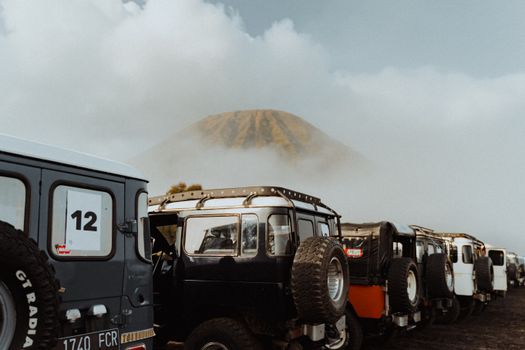
Mount Bromo is iconic for a reason: its sunrise views are absolutely legendary. Most tourists pile into jeeps and head straight for viewpoint 1 (Penanjakan 1), which, while spectacular, can feel like a sardine can at 4 AM.
The Local Secret: Ask your local guide (and yes, always hire a local guide for Bromo – it supports the community and unlocks secrets!) about Seruni Point or even better, King Kong Hill. These viewpoints offer equally stunning, if not more expansive, vistas with significantly fewer people. My guide, Adi, took me to a tiny, unmarked path just past King Kong Hill, where we shared the sunrise with only a handful of others, sipping strong Indonesian coffee from a thermos. The silence, broken only by the distant rumble of Bromo, was pure magic.
After sunrise, instead of rushing back, ask your guide to take you on a detour through the "Sea of Sand" to explore the local Tenggerese villages. You'll see traditional life against a backdrop of volcanoes, perhaps even visiting a local market. This is where you truly feel the pulse of the region, far from the tourist throngs.
- Cost: Jeep tours typically range from IDR 300,000 - 500,000 per person ($20-$35 USD), excluding park entrance fees (IDR 220,000 on weekdays, IDR 320,000 on weekends for foreigners, ~$15-$22 USD). Local guides for village tours or specific viewpoints might be an additional, worthwhile cost.
- Best Time to Visit: Dry season (April to October) for clear skies. Shoulder months (April/May, Sept/Oct) offer fewer crowds.
Ijen Crater: The Mystical Blue Fire
A more challenging but incredibly rewarding experience is the trek to Ijen Crater, famous for its mesmerizing electric-blue flames that ignite from sulfuric gases. This isn't a walk in the park; it's a pre-dawn hike down into a volcanic crater.
The Local Secret: The "blue fire" is best seen between 2 AM and 4 AM, meaning a very early start. While you can go with a general tour group, hiring a dedicated local guide (often a sulfur miner on their off-shift) provides invaluable insight and safety. They know the safest paths in the dark, can help you navigate the fumes, and share stories of their incredibly difficult work. They might even show you a lesser-known spot to view the sunrise over the turquoise acid lake after the blue fire fades, away from the main group. Wearing a proper gas mask (provided by reputable tours or guides) is non-negotiable.
- Cost: Tours from Banyuwangi or Bondowoso typically range from IDR 700,000 - 1,200,000 per person ($50-$85 USD), including transport, guide, and gas mask. Park entrance fees are additional (similar to Bromo).
- Gear: Sturdy hiking shoes, warm layers (it's cold before dawn!), headlamp, and a good gas mask.
Guatemala's Gentle Giant: Pacaya Volcano
Not all active volcanoes require a multi-day expedition. Guatemala's Pacaya offers an incredibly accessible and interactive experience, making it perfect for families or those new to volcano trekking.
The Local Secret: While many tours offer the standard route, some local guides know alternative paths that offer different perspectives and fewer crowds, especially during peak season. My guide, Mateo, a descendant of the local indigenous community, shared stories of Pacaya's spiritual significance, pointing out specific plants used in traditional medicine. He also knew the exact spot where the heat from the lava flows was perfect for roasting marshmallows (a mandatory Pacaya experience!). He even brought a bag of gourmet chocolate and graham crackers, turning our simple marshmallow roast into a full-blown s'mores party.
Another insider tip: combine your Pacaya hike with a visit to a nearby coffee plantation. Many local families in the region cultivate coffee, and a morning hike followed by an afternoon learning about and tasting local coffee is a perfect blend of adventure and culture. Ask your guide for recommendations – they'll often have a cousin or friend running a small, authentic operation.
- Cost: Guided tours from Antigua are around Q150-250 ($20-$35 USD), including transport and guide. Park entrance fee is Q100 ($13 USD). Horse rentals are available for those who prefer not to walk the whole way (around Q200/$26 USD).
- Duration: Typically a half-day tour, with about 1.5-2 hours of hiking each way.
- What to bring: Water, snacks, sturdy shoes, layers (it can be chilly at the top but warm on the hike).
Iceland's Newest Spectacle: Fagradalsfjall & Reykjanes Peninsula
Iceland, the land of fire and ice, frequently births new volcanoes. The Fagradalsfjall eruption in 2021 and subsequent eruptions in the Reykjanes Peninsula captured global attention, offering a rare chance to witness a new land being formed.
The Local Secret: While the main hiking trails are well-marked, the conditions on these new lava fields can change rapidly. Locals know the terrain intimately. When I visited, the official trails were often muddy and crowded. A local photographer I met, Gunnar, pointed me towards a slightly longer, less-trodden path that offered a clearer, more elevated view of the lava field without the bottleneck of people. He also advised checking local Facebook groups (many dedicated to the volcano) for real-time updates on activity, gas levels, and the best viewing points, which often change daily.
Crucially, always respect the barriers and park rangers' advice. The "locals don't want you to know" here isn't about breaking rules, but about leveraging local knowledge for the safest and most rewarding experience within the designated zones. Gunnar also emphasized the importance of proper gear – sturdy hiking boots (the lava rock is sharp!), waterproof layers, and plenty of water, even on what seems like a short hike.
- Cost: Hiking to the eruption sites is free, but guided tours are highly recommended for safety and insight (ISK 15,000-25,000 / $110-$180 USD).
- Getting there: Rent a car and drive to the designated parking areas (parking fees may apply).
- Check before you go: Volcanic activity is unpredictable. Always check official sources like safetravel.is and vedur.is for the latest updates on eruptions, gas levels, and trail conditions.
Europe's Volcanic Powerhouses: Stromboli & Etna, Italy
Italy is home to some of Europe's most active and visually dramatic volcanoes, offering unique perspectives on nature's raw power.
Stromboli: The Lighthouse of the Mediterranean
Stromboli, one of the Aeolian Islands off Sicily, is a constantly active volcano that puts on a spectacular show every 15-20 minutes. Night hikes to witness its fiery explosions are truly unforgettable.
The Local Secret: Many tourists opt for the organized hikes, which are excellent. However, a local boat tour can offer a completely different, equally mesmerizing perspective. Some local fishermen on the island offer evening boat trips that take you to the "Sciara del Fuoco" (Stream of Fire) where you can watch the lava flows tumble down the side of the volcano into the sea, creating dramatic plumes of steam and light. This vantage point provides a broader panorama of the eruptions and often avoids the crowds on the hiking trails. My boat captain, Enzo, explained the subtle differences in the eruptions and even pointed out constellations as we waited for the next fiery burst.
For those hiking, ensure you book with a certified guide (mandatory for summit treks) and wear appropriate gear. The ascent is challenging but the reward is immense.
- Cost: Guided hikes €30-€40 ($35-$45 USD) + ferry to Stromboli. Boat tours around €20-€30 ($23-$35 USD).
- Best Time to Visit: Spring or autumn for pleasant hiking weather. Summer is popular but hotter.
- Note: Summit access can be restricted based on volcanic activity. Always check locally.
Mount Etna: Europe's Most Active & Accessible
Mount Etna, Europe's most active volcano, offers a variety of tours ranging from easy cable car rides to challenging summit expeditions.
The Local Secret: While the main tourist routes via cable car and 4x4 bus are great, local certified vulcanological guides can take you on less-traveled paths, sometimes even into ancient lava tubes or to recent eruption sites that aren't part of the standard tours (always within safe parameters, of course). My guide, Marco, a passionate geologist, shared fascinating insights into Etna's geology and history, pointing out specific minerals and unique formations that I would have completely missed otherwise. He even had a secret spot for a post-hike cannoli with a view of the volcano!
Another excellent local tip is to combine your Etna adventure with a wine tasting tour. The fertile volcanic soils around Etna produce exceptional wines, and many local wineries offer tours and tastings. It's a fantastic way to experience the broader culture and natural bounty of the region.
- Cost: Cable car + 4x4 bus + guide can range from €70-€100 ($80-$115 USD). Specialized local guide tours for unique routes may be slightly higher but offer more personalized experiences.
- What to bring: Layers (weather changes quickly at altitude), sturdy shoes, sunglasses, and sunscreen.
Hawaii's Living Landscape: Kilauea and Volcanoes National Park, USA
Hawaii Volcanoes National Park on the Big Island is a truly accessible and safe way to witness the power of active volcanism. Kilauea, one of the world's most active volcanoes, constantly reshapes the landscape.
The Local Secret: While the park's main viewing areas like Kilauea Overlook are stunning, the park is vast. Locals often know the best times to visit specific viewpoints to avoid crowds and catch unique light. For instance, visiting the Jaggar Museum (if open) or the Uēkahuna viewing area just after sunset allows for a dramatic view of the glowing crater without the daytime throngs.
Beyond the main attractions, ask park rangers or local information centers about lesser-known, short hikes that lead to unique features like steam vents or ancient petroglyphs, often with fewer people. Some local tour operators also offer night sky viewing experiences that combine stargazing with distant volcano glows – a truly magical combination. Supporting local businesses for these specialized tours often provides a deeper cultural and scientific understanding of the island's unique geology and the Hawaiian people's reverence for Pele, the goddess of volcanoes.
- Cost: Park entrance fee is $30 per vehicle for 7 days. Guided tours vary widely.
- Best Time to Visit: Year-round. Evenings are best for seeing any glow.
- Tip: Always check the National Park Service website for the latest updates on volcanic activity, trail closures, and viewing conditions.
Essential Tips for Your Safe & Secret Volcano Adventure
Now that your adventurous spirit is ignited, here are some crucial tips to ensure your volcano tour is not just epic, but also incredibly safe and respectful.
- Safety First, Always: This cannot be stressed enough. Reputable tours and guides prioritize your safety above all else. Always check the current activity levels of any volcano you plan to visit. Websites like the USGS (for US volcanoes), local meteorological agencies, or official park services are your best friends. Never venture into restricted areas.
- Hire Local, Go Deeper: This is the cornerstone of unlocking those "local secrets." Local guides not only know the safest and most unique paths but also offer invaluable cultural context, support the local economy, and often share personal stories that enrich your experience beyond measure. They’ll tell you where the best local food is, too!
- Gear Up Appropriately: Volcano environments can be harsh and unpredictable. Sturdy, closed-toe hiking shoes are non-negotiable. Layers are key – it can be hot at the base and surprisingly cold and windy at higher elevations. Bring plenty of water, sunscreen, a hat, and a headlamp for pre-dawn or evening treks. A gas mask is crucial for sulfurous environments like Ijen.
- Respect the Environment & Culture: Volcanoes are powerful natural wonders and, in many cultures, sacred sites. Stay on marked trails, don't litter, and be mindful of local customs and beliefs. Leave no trace.
- Flexibility is Your Friend: Volcanic activity is unpredictable. Be prepared for last-minute changes, trail closures, or even tour cancellations due to safety concerns. Embrace the uncertainty; it's part of the adventure!
- Capture the Moment (Responsibly): Volcanoes are incredibly photogenic. For those Instagram-worthy shots, consider going during sunrise or sunset for dramatic lighting. Use a wide-angle lens to capture the vastness, and a tripod for low-light shots of glowing lava. But remember, your eyes are the best lens – take time to simply soak it all in.
Ignite Your Wanderlust: The Earth Awaits!
Stepping onto the slopes of an active volcano is an experience that transcends mere sightseeing. It’s a profound connection to the raw, pulsating heart of our planet. It’s a reminder of Earth’s immense power and beauty, and it's an adventure that will forever be etched in your memory.
The "secrets" aren't about illicit access or dangerous escapades; they're about embracing local wisdom, seeking out authentic experiences, and allowing yourself to be guided by those who truly understand these magnificent natural wonders. These are the experiences that leave you not just with incredible photos, but with a deeper appreciation for our world and the incredible communities that live alongside its fiery giants.
So, what are you waiting for? Stop dreaming and start planning. Choose your fiery adventure, find your local guide, and prepare to witness the Earth's most spectacular show. Have you had an unforgettable volcano experience? Share your stories and tips in the comments below – let's inspire each other to explore more safely and authentically!
---