The Earth's Fiery Heartbeat: Volcano Tours That Won't Kill You (Seriously!)
I still remember the first time I saw a volcano up close. It was Pacaya in Guatemala, and honestly, my mind was doing a full-blown panic dance. "Is it safe? What if it erupts right now? Am I going to be that person who gets too close for the 'gram and ends up a cautionary tale?" But then, our guide, a man who looked like he’d been born on the lava fields, casually handed me a marshmallow and a stick, pointing to a small, glowing crack in the earth. "Here," he grinned, "roast it."
And just like that, my fear melted away faster than that marshmallow over the volcanic heat. I wasn't just observing a geological marvel; I was interacting with it. I was feeling the raw, ancient power of our planet, safely, responsibly, and with a perfectly toasted treat in hand. It was, without exaggeration, one of the most profound travel experiences of my life.
That day, I realized something crucial: volcanoes aren’t just dangerous, explosive forces. They are living, breathing landscapes, vital to our planet's formation, and absolutely magnificent to behold. And the best part? You can experience their awe-inspiring beauty and power without turning into a real-life Pompeii resident.
Forget the Hollywood dramatics and the sensationalized news reports. Today, I'm here to tell you about the incredible, safe, and truly unforgettable volcano tours that you absolutely, unequivocally need to experience before you kick the bucket. These are the journeys that will make your heart pound with excitement, not fear, and leave you with stories and photos that will ignite envy in even the most seasoned travelers.
So, pack your sturdy boots, your sense of wonder, and maybe a bag of marshmallows. Let’s dive into the world’s most accessible and breathtaking volcanic adventures!
The Allure of the Inferno (Safely): Why Volcanoes Are Your Next Must-Visit
What is it about volcanoes that captivates us so deeply? Is it the sheer, untamed power? The dramatic landscapes they carve? The feeling of standing on the very edge of creation and destruction? For me, it's all of the above. Volcanoes are nature's ultimate showstoppers, dynamic canvases where fire meets earth, creating landscapes unlike anything else on the planet. From iridescent lava flows to steaming fumaroles and ancient caldera lakes, every volcanic region offers a unique sensory feast.
But let's be real: the "volcano" word often conjures images of apocalyptic eruptions and molten doom. While the power of a volcano demands respect, modern science, vigilant monitoring, and expert-led tours have made experiencing these wonders safer than ever. The tours I'm about to share are meticulously planned, often restricted to safe viewing zones, and led by guides who are experts in geology and local conditions. You're not going to be free-soloing up an active cone; you're going to be on a well-trodden path, with safety protocols in place, marveling at a phenomenon most people only see on TV.
Ready to feel the earth rumble beneath your feet, witness landscapes straight out of a sci-fi movie, and capture some truly epic Instagram shots? Let's go!
Iceland's Fiery Heart: Land of Ice and Fire
If any country embodies the spirit of volcanoes, it's Iceland. This Nordic island nation is a geological hotspot, literally, sitting atop the Mid-Atlantic Ridge. It’s a place where glaciers meet geothermal fields, and recent eruptions have opened up incredible, safe viewing opportunities.
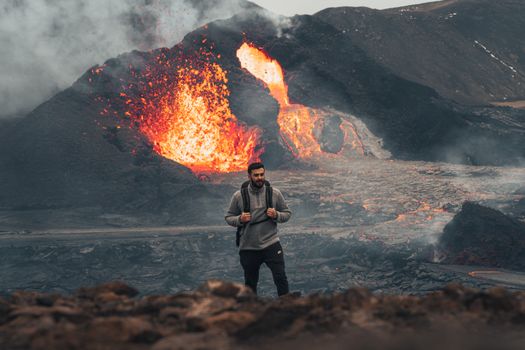
My Icelandic Volcanic Revelation: My trip to Iceland felt like stepping onto another planet. After the 2021 Geldingadalir eruption (and subsequent eruptions in the Reykjanes Peninsula), I had the chance to hike to the freshly cooled lava fields. The air still carried the scent of sulfur, and the ground was warm beneath my feet. Seeing the black, jagged rock formations, still smoking in places, was a humbling experience. It wasn’t a live lava flow, but the sheer scale of the new land created was mind-blowing. Imagine the Instagram stories: "Just walked on land that didn't exist two years ago!"
Where to Go & What to Expect:
- Reykjanes Peninsula (Recent Eruptions): This area has been a hive of activity in recent years. While live lava viewing is never guaranteed (and only possible when safe and accessible), hiking to the sites of recent eruptions like Geldingadalir, Meradalir, or Litli-Hrútur offers an unparalleled experience. You'll walk across vast fields of newly formed lava, some still warm, observing fumaroles and the dramatic, fresh geological formations.
- Details: Guided tours are highly recommended, especially when conditions are dynamic. Hikes can range from moderate to challenging (1-4 hours each way, depending on the eruption site and viewing area). Wear sturdy hiking boots, layers, and bring plenty of water.
- Cost: Guided tours typically range from $100-$200 USD, often including transportation from Reykjavik.
- Instagram Moment: Standing on black volcanic rock, steam rising, with a dramatic Icelandic sky overhead. The contrast of the new earth against the old landscape is stunning.
- Fimmvörðuháls (Eyjafjallajökull aftermath): While the infamous Eyjafjallajökull glacier volcano isn't safe to summit, the Fimmvörðuháls hike (often part of the Laugavegur trail) takes you through a landscape shaped by its 2010 eruption. You'll see new craters, black ash fields, and incredible views of glaciers and waterfalls.
- Details: This is a more challenging, full-day hike (6-8 hours) requiring good fitness. Best done with a guide or experienced hikers.
- Cost: Guided tours can be around $200-$400 USD, often including transfers.
- Instagram Moment: Epic panoramic views of glacial valleys, new craters, and the raw power of nature.
Practical Tip: Always check the latest Icelandic Met Office (IMO) updates and local tour operator advisories before planning your trip. Volcanic activity can change rapidly!
Hawaii's Gentle Giants: Kilauea and Mauna Loa
Hawaii, the land of "Aloha" and active volcanoes, offers a truly unique perspective. Here, the volcanoes aren't just geological features; they're central to Hawaiian culture and mythology, home to the fire goddess Pele. Hawaii Volcanoes National Park is a UNESCO World Heritage Site and one of the safest places to observe active volcanism.
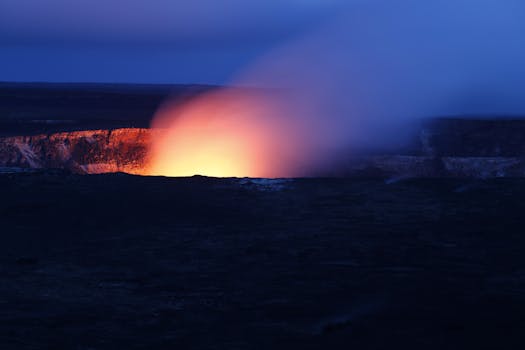
My Hawaiian Hot Spot Experience: I'll never forget the feeling of standing at the Kilauea caldera rim at sunset. The air was cool, but I could feel the warmth radiating from the earth. While there wasn't a visible lava lake during my visit, the steam plumes rising from the vast, dark crater were a powerful reminder of the immense forces at play beneath my feet. The ranger talk was fascinating, explaining how the park carefully monitors activity and ensures visitor safety – a huge comfort!
Where to Go & What to Expect:
- Hawaii Volcanoes National Park (Big Island): This is the undisputed champion for safe Hawaiian volcano viewing. The park offers numerous accessible viewpoints and trails.
- Crater Rim Drive: A scenic drive with multiple stops overlooking Kilauea's caldera, steam vents, and older lava flows.
- Chain of Craters Road: Descends 3,700 feet over 19 miles to the coast, passing through various lava flows from different eras, with opportunities for short hikes to see petroglyphs and sea arches.
- Kilauea Iki Trail: A 4-mile loop trail that descends through a rainforest and then crosses the floor of a solidified lava lake from the 1959 eruption. You'll walk over cracks that still steam, a truly surreal experience.
- Details: Park entrance fee is $30 per vehicle. Many ranger-led programs are free. Always check the official park website for current conditions and viewing opportunities, as lava flows are dynamic.
- Cost: Mostly self-guided, so primarily park entrance fee. Guided tours are available for specific hikes or cultural experiences, ranging from $50-$150 USD.
- Instagram Moment: Sunset over the vast Kilauea caldera, wisps of steam rising, with the deep orange hues of the sky reflecting on the dark rock. Or a selfie on the Kilauea Iki trail, surrounded by steaming cracks in the lava lake.
Practical Tip: Even if there's no visible lava, the park is incredible. The diverse landscapes, from lush rainforest to stark lava fields, are a testament to the volcano's power of creation. Bring comfortable walking shoes, rain gear, and plenty of water.
Italy's Iconic Duo: Vesuvius and Etna
Italy, a country synonymous with history, art, and delicious food, also boasts some of Europe's most famous and active volcanoes. From the historically devastating Vesuvius to the perpetually active Etna, these giants offer a blend of geological wonder and cultural significance.
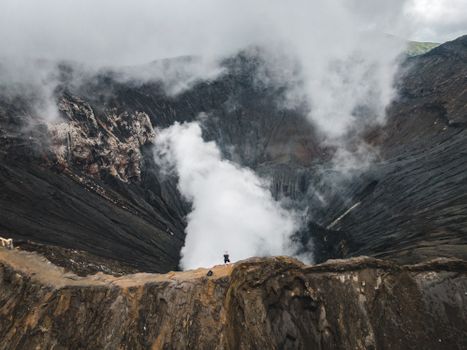
My Italian Ascent: Climbing Mount Vesuvius was like walking through a living history book. Standing at the crater's edge, gazing down into the silent, dusty abyss, it was impossible not to feel the weight of history. I pictured Pompeii and Herculaneum, buried beneath its fury, and felt a profound respect for nature's power. Later, seeing Etna from afar, its plume gently drifting, reminded me that not all volcanoes are sleeping giants; some are just napping.
Where to Go & What to Expect:
- Mount Vesuvius (Naples, Italy): The infamous destroyer of Pompeii and Herculaneum, Vesuvius is now a national park and offers a relatively easy hike to its crater.
- Details: You can drive or take a bus partway up, then hike the final 20-30 minutes to the crater rim. The views of the Bay of Naples are absolutely breathtaking. There are usually guides at the top who provide geological and historical context. The volcano is monitored constantly.
- Cost: Entrance fee to the crater path is around €10. Buses from Pompeii or Ercolano are a few euros. Guided tours from Naples or Pompeii can range from €40-€80.
- Instagram Moment: A panoramic shot from the crater rim, with the sprawling Bay of Naples and Capri in the background. It's a classic for a reason!
- Mount Etna (Sicily, Italy): Europe's most active volcano, Etna is a true force of nature. It's almost constantly erupting in some form, from gentle fuming to more spectacular lava flows, making it a dynamic and thrilling experience.
- Details: Access to Etna depends on current activity. You can take a cable car (Funivia dell'Etna) from Rifugio Sapienza up to around 2,500 meters, then continue by special 4x4 bus with an authorized guide to the authorized crater areas (often around 2,900-3,000 meters). You'll walk across lunar landscapes, see steam vents, and potentially recent lava flows. Summit craters are only accessible with highly experienced guides and depend on conditions.
- Cost: Cable car + 4x4 bus + guide can be around €70-€90. Full-day guided treks to higher altitudes are more, up to €150-€200.
- Instagram Moment: The stark, alien landscape of Etna, with swirling clouds and steam, feels like a trip to Mars. Capture the contrast of old lava flows against new.
Practical Tip: For Etna, always book with a certified guide or tour operator. They are experts in reading the volcano's moods and ensuring your safety. Dress warmly, even in summer, as it gets cold and windy at altitude.
Central America's Smoldering Peaks: Pacaya (Guatemala) & Arenal (Costa Rica)
Central America is a land of vibrant cultures, lush rainforests, and a spine of volcanoes that stretch across the region. Two stand out for their accessibility and incredible experiences: Pacaya in Guatemala and Arenal in Costa Rica.
My Marshmallow Moment (Revisited): As I mentioned earlier, Pacaya in Guatemala was my first volcanic love. The hike up wasn’t too strenuous, and the reward of seeing actual, glowing lava (albeit a small, controlled flow) and roasting marshmallows over natural vents was utterly surreal. It wasn't just a hike; it was an interactive geological playground. Arenal, on the other hand, was a different kind of beauty – a perfectly conical, majestic peak rising from a verdant rainforest, a dramatic backdrop to ziplining and hot springs.
Where to Go & What to Expect:
- Pacaya Volcano (Antigua, Guatemala): One of Guatemala's most active volcanoes, Pacaya is renowned for its consistent, small-scale activity that often allows for safe viewing of lava flows (when conditions permit).
- Details: It's a relatively easy to moderate 1.5-2 hour hike up (one way) from the base. Guides are mandatory and readily available. The highlight is often walking on solidified lava fields, feeling the heat, and potentially seeing small, glowing streams of lava or roasting marshmallows over vents.
- Cost: Park entrance fee is around Q50 (~$7 USD). Guided tours from Antigua, including transport, are typically $20-$40 USD.
- Instagram Moment: Roasting marshmallows over volcanic heat, with the smoking cone of Pacaya in the background. It’s unique and instantly shareable!
- Arenal Volcano (La Fortuna, Costa Rica): While Arenal had a famous eruption period ending in 2010 and is now in a resting phase (no active lava flows), its perfectly conical shape, lush surroundings, and the incredible activities built around it make it a must-visit.
- Details: You can hike various trails around the base of the volcano in Arenal Volcano National Park, offering stunning views and a chance to explore old lava flows. Combine your visit with zip-lining, exploring hanging bridges, or relaxing in the many geothermal hot springs fed by the volcano's heat.
- Cost: National Park entrance fee is $15 USD. Hot springs vary widely from $40-$80+ USD. Guided hikes are around $30-$60 USD.
- Instagram Moment: The iconic, perfectly conical shape of Arenal rising majestically from the rainforest, especially at sunrise or sunset. Or a shot of you relaxing in a volcanic hot spring with the peak in the distance.
Practical Tip: For Pacaya, wear sturdy shoes that you don't mind getting dusty or a bit muddy. For Arenal, embrace the 'pura vida' and combine your volcano visit with other adventure activities like whitewater rafting or canyoning.
Essential Tips for a Safe and Sensational Volcano Adventure
Okay, you're convinced. You're ready to chase that fiery thrill! But before you book your flight, here are some crucial tips to ensure your volcano adventure is as safe as it is spectacular:
- Always Go with a Certified Guide/Tour Operator: This is non-negotiable, especially for active volcanoes. Local guides know the terrain, the volcano's behavior, and the safety protocols. They'll ensure you stay within designated safe zones and provide invaluable insights.
- Check Current Activity Levels: Volcanic activity is dynamic. Before you go, check official geological survey websites (e.g., USGS for Hawaii, IMO for Iceland, INGV for Italy) or national park advisories. Your tour operator should also provide real-time updates.
- Dress in Layers: Volcanic environments can be unpredictable. You might start in warm weather but encounter cold, wind, or even rain at higher altitudes. Layers allow you to adjust.
- Wear Sturdy Hiking Boots: The terrain can be uneven, rocky, and slippery. Good ankle support and grip are essential. Forget the flip-flops!
- Bring Plenty of Water and Snacks: Hiking, even moderate trails, can be dehydrating. Stay fueled.
- Headlamp/Flashlight (for night tours): If you're going for a sunrise or sunset tour, a headlamp is crucial for navigating in the dark.
- Respect Barriers and Warnings: If there are ropes, signs, or a guide tells you to stay back, LISTEN. These are for your safety.
- Protect Yourself from the Sun: High altitudes mean stronger UV rays. Sunscreen, a hat, and sunglasses are a must.
- Be Aware of Volcanic Gases: Some volcanoes emit sulfur dioxide or other gases. Guides will typically steer clear of dangerous concentrations, but if you have respiratory issues, consult your doctor beforehand.
- Travel Insurance: Always a good idea for any adventure travel, just in case.
- Leave No Trace: Pack out everything you pack in. Preserve these incredible natural wonders for future generations.
Ignite Your Wanderlust: Your Volcanic Journey Awaits!
Stepping onto a volcano isn't just a hike; it's an encounter with the raw, untamed power of our planet. It's a chance to witness landscapes that are constantly being sculpted, to feel the earth's ancient rhythm, and to come away with a profound sense of awe and connection. And as I hope I've convinced you, it's an adventure that is absolutely within reach, safely and responsibly.
From roasting marshmallows over lava in Guatemala to traversing new earth in Iceland, or gazing into the historic depths of Vesuvius, these experiences will etch themselves into your memory forever. They're the kind of stories you'll tell your grandkids, the photos that will stop scrolls, and the moments that remind you just how incredible our world truly is.
So, which fiery giant is calling your name? Don't let fear hold you back from witnessing some of Earth's most spectacular shows. Adventure awaits!
Which volcano is at the top of your bucket list? Share your dream volcano adventure in the comments below! Let's inspire each other to chase those molten dreams!
---