The World Awakens: Why Chasing Mountain Sunrises is My Obsession
The air bites, the darkness is absolute, and the only sound is the crunch of my boots on frozen earth. My breath hangs like tiny clouds in the pre-dawn chill. Most sane people are still tucked in their beds, dreaming. But I’m not most people, and neither are you, if you’re reading this. We’re the intrepid souls, the light chasers, the ones who know that some of the greatest rewards in life come to those who rise before the sun.
My obsession with mountain sunrises began years ago, high above a sea of clouds in Indonesia. I remember it vividly: the oppressive humidity of the night giving way to a bone-chilling cold as we huddled on the rim of a volcano. Then, a faint glimmer on the horizon, slowly painting the sky in hues of violet, rose, and gold. As the light spilled over the jagged peaks, revealing the smoking crater of Mount Bromo below, a wave of emotion washed over me – awe, humility, pure, unadulterated joy. It wasn't just a sunrise; it was a revelation. It was nature's grandest theatre, and I had a front-row seat.
Since that moment, I've crisscrossed continents, hiked countless miles, and sacrificed many hours of sleep, all for that fleeting, glorious moment when the first rays of light kiss a mountain peak. There's something deeply spiritual about watching the world awaken from such a vantage point. The mountains, once dark and imposing silhouettes, slowly reveal their intricate textures, their ancient scars, their majestic presence. And as a photographer, there's no better canvas.
If you've ever felt that pull, that yearning for an experience that transcends the ordinary, then you’re in the right place. I’ve compiled a list of seven mountain peaks around the globe that offer not just a sunrise, but a profound, soul-stirring spectacle – places where the light transforms the landscape into a masterpiece, begging to be captured. These aren't just views; they're experiences you need to feel, witness, and photograph before you die.
---
1. Mount Bromo, Indonesia: The Volcanic Awakening
Where the Earth Breathes Fire and Light
My first true mountain sunrise epiphany, and still one of the most surreal experiences of my life, was at Mount Bromo in East Java, Indonesia. Imagine standing on the rim of a dormant volcano, Kawah Bromo, as the sun slowly ascends, illuminating a vast, alien "sea of sand" (Tengger caldera) below. In the foreground, the active Mount Bromo steams gently, its sulphurous breath curling into the pastel sky. In the distance, the majestic Mount Semeru, Java's highest peak, often punctuates the horizon with its own plume of smoke. It’s like stepping onto another planet.
The photography here is unparalleled. The textures of the volcanic sand, the sharp lines of the craters, the ethereal mist, and the dramatic light create an ever-changing tableau. Wide-angle shots are a must to capture the sheer scale of the caldera, while a telephoto lens can isolate the smoking craters or distant peaks. Don't forget to look up before dawn – the clear mountain air often offers a dazzling display of stars, perfect for some pre-sunrise astrophotography.
My Anecdote: I remember the jeep rattling violently up the winding dirt track in the pitch black, the air growing colder with every meter gained. When we finally disembarked at the viewpoint (often called "King Kong Hill" or Penanjakan 1), the crowd was already gathering, a silent, bundled mass of humanity waiting for the show. But when that first sliver of orange broke through the clouds, and the entire caldera slowly unveiled itself, the collective gasp from the crowd was audible. It was a symphony of light and shadow, a truly humbling display of geological power.
Practicalities & Photography Tips:
- Getting There: Fly into Surabaya (SUB) or Malang (MLG). From there, book a jeep tour (often overnight packages from Cemoro Lawang or nearby towns) which will pick you up around 3 AM.
- Best Time to Visit: Dry season (April-October) offers clearer skies.
- Cost: Entrance fee for foreigners is approximately IDR 220,000 on weekdays and IDR 320,000 on weekends/holidays. Jeep tours cost around IDR 500,000-700,000 per jeep (can be shared).
- Gear: Wide-angle lens, sturdy tripod, remote shutter release, warm layers (it gets surprisingly cold!), headlamp.
- Instagram-worthy Spot: The main viewpoint at Penanjakan 1, or explore smaller, less crowded viewpoints like Seruni Point for a different perspective.
---
2. The Dolomites, Italy: Alpine Majesty in Golden Hues
Jagged Peaks Ignited by the First Light
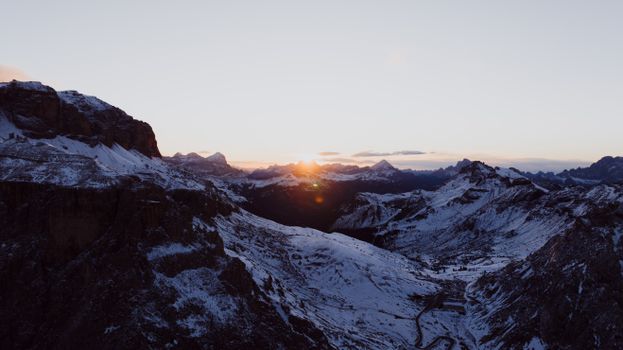
From volcanic drama to alpine grandeur, the Dolomites in Italy offer a different kind of sunrise magic. This UNESCO World Heritage site is a playground of towering, jagged limestone peaks, emerald meadows, and crystal-clear lakes. While many spots are incredible, the sunrises over Seceda or Tre Cime di Lavaredo are legendary among photographers. Imagine the iconic knife-edge ridges of Seceda, or the three distinct rock formations of Tre Cime, catching the first golden rays, transforming from steely grey to fiery orange and pink.
The Dolomites are a dream for landscape photographers. The unique geological formations provide incredible leading lines and dramatic compositions. Reflections in the numerous alpine lakes (like Lago di Braies or Lago Antorno near Tre Cime) can double the beauty. Pre-sunrise, the "blue hour" casts a mystical glow over the valleys, and post-sunrise, the golden light bathes the entire landscape in a warm, inviting glow.
My Anecdote: Waking up in a cozy rifugio (mountain hut) high in the Dolomites, the silence was profound. We hiked in the dark to a ridge overlooking Seceda, guided only by our headlamps. As the sun peeked over the eastern horizon, it felt like the mountains themselves were waking up. The sheer scale of the peaks, the way the light played on their textured faces, was breathtaking. I remember shivering not just from the cold, but from the sheer beauty unfolding before my eyes. Every click of the shutter felt like capturing a piece of eternity.
Practicalities & Photography Tips:
- Getting There: Base yourself in towns like Ortisei (for Seceda) or Cortina d'Ampezzo (for Tre Cime). Cable cars are common, but for sunrise, you'll often need to hike or stay in a rifugio nearby.
- Best Time to Visit: Late spring to early fall (June-September) for hiking. Early fall (late September-October) for stunning autumn foliage.
- Cost: Cable car to Seceda (from Ortisei) is around €36 return. Staying in a rifugio can range from €60-100 per night for half-board. Parking fees may apply at trailheads.
- Gear: Wide-angle and telephoto lenses, sturdy tripod, drone (check regulations), comfortable hiking boots, layers.
- Instagram-worthy Spot: The Seceda ridge itself, or the iconic view of Tre Cime from Rifugio Locatelli.
---
3. Maroon Bells, USA: The Iconic Reflection
America's Most Photographed Mountains in Golden Light
In the heart of the Colorado Rockies, near Aspen, lie the Maroon Bells, often called "the most photographed mountains in North America." And for good reason. These two majestic peaks, Maroon Peak and North Maroon Peak, rise dramatically above a pristine alpine lake, Maroon Lake. At sunrise, especially during the fall when the aspen trees surrounding the lake turn a brilliant gold, the scene is nothing short of magical. The calm waters of the lake perfectly mirror the peaks and the vibrant foliage, creating an iconic, symmetrical masterpiece.
The photography opportunities here are classic. The reflection is the star, so a wide-angle lens is essential to capture the full panorama. Long exposure can smooth out any ripples on the lake for a perfect mirror effect. Look for compositions that use the golden aspens as a frame or foreground interest. The light changes rapidly, so be prepared to shoot continuously as the sun climbs higher.
My Anecdote: We arrived long before dawn, navigating the strict bus system from Aspen, then walking the final stretch in the quiet darkness. The air was crisp, carrying the scent of pine and damp earth. As the first light touched the peaks, it was like a slow-motion reveal. The dark silhouettes gradually turned to a warm, rusty red, then a fiery orange, and finally, a soft pink. The reflection in the perfectly still lake was so clear, it felt like looking through a window into another world. Despite the crowd, there was a hushed reverence, a shared understanding of the beauty unfolding.
Practicalities & Photography Tips:
- Getting There: Access is highly regulated. During peak season (mid-June to early October), private vehicles are restricted. You’ll need to take a bus from Aspen Highlands (approx. $8-10 round trip). Check the US Forest Service website for current rules and reservations.
- Best Time to Visit: Late September to early October for peak fall foliage. Summer is also beautiful.
- Cost: Bus fare. If driving off-peak, a day-use fee for the scenic area may apply ($10/vehicle).
- Gear: Wide-angle lens, polarizing filter (to reduce glare on the lake if needed, or remove it for reflections), tripod, warm jacket.
- Instagram-worthy Spot: The classic viewpoint right by Maroon Lake, capturing the full reflection.
---
4. Poon Hill, Nepal: Himalayan Giants at Dawn
A Trekker's Reward: Annapurna's Golden Embrace
For those willing to earn their sunrise with a bit of effort, Poon Hill in Nepal offers one of the most accessible yet utterly spectacular Himalayan sunrise experiences. Located at an elevation of 3,210 meters (10,531 feet), Poon Hill is the culmination of a 2-3 day trek through charming Gurung villages, rhododendron forests, and terraced fields. From its summit, you're treated to a breathtaking 360-degree panorama of the Annapurna and Dhaulagiri mountain ranges, including the iconic Fishtail Mountain (Machhapuchhre).
The photography here demands both wide-angle for the sweeping panoramas and a telephoto lens to capture the intricate details of the distant snow-capped giants. The scale is immense, so finding foreground elements like prayer flags or fellow trekkers can add a human touch to your shots. The changing light paints the peaks in incredible hues, from icy blue to fiery orange, making every moment worth capturing.
My Anecdote: The final ascent to Poon Hill was in the dark, a steady climb up endless stone steps. My legs burned, but the thought of the reward spurred me on. When I reached the top, the air was thin and frigid, but the anticipation was palpable. As the sun finally crested the horizon, illuminating Dhaulagiri and Annapurna South, it was a moment of pure, overwhelming emotion. The sheer size of these mountains, standing sentinel as the world awoke, brought tears to my eyes. The camaraderie with fellow trekkers, sharing that magical moment, added to the experience. We had earned this view, and it felt incredibly profound.
Practicalities & Photography Tips:
- Getting There: The trek usually starts from Nayapul (accessible by taxi/bus from Pokhara). You'll need an Annapurna Conservation Area Permit (ACAP) (~NPR 3000) and a TIMS card (~NPR 1000).
- Best Time to Visit: Spring (March-May) for rhododendron blooms and clear skies, or autumn (September-November) for stable weather and excellent visibility.
- Cost: Trekking permits, transport, and teahouse accommodation (around NPR 500-1000/night for a room, plus food costs). A guide/porter can cost around $20-30/day.
- Gear: Wide-angle, telephoto, tripod (if you're willing to carry it), plenty of battery packs (cold drains batteries quickly), warm trekking gear, headlamp.
- Instagram-worthy Spot: The main viewpoint tower on Poon Hill, or find a slightly less crowded spot along the ridge for unobstructed views.
---
5. Fitz Roy, Argentina: Patagonia's Fiery Crown
Rugged Spires Ablaze in the Wild South
For the truly adventurous, the sunrises over Mount Fitz Roy in Patagonia, Argentina, are nothing short of legendary. This iconic granite massif, with its jagged spires and dramatic glaciers, dominates the skyline above the charming trekking town of El Chaltén. While the hike to the classic viewpoint (Laguna de los Tres) is challenging, the reward of seeing Fitz Roy and its surrounding peaks ignite with the first light is an experience that will stay with you forever.
Photography here is about capturing raw, untamed beauty. The ever-changing Patagonian weather means you might get dramatic clouds, piercing blue skies, or even snow-dusted peaks. Wide-angle lenses are crucial for the vast landscapes, but a telephoto can isolate the intricate details of the rock formations. Long exposures can capture the movement of clouds or the subtle flow of glacial meltwater. The sheer scale and ruggedness of Fitz Roy demand a grand composition.
My Anecdote: Patagonia is known for its fierce winds, and the night before our sunrise hike to Laguna de los Tres was no exception. We camped at Poincenot campsite, a few hours below the viewpoint, and the tent rattled violently all night. Waking up at 3 AM to hike the final, steep ascent in the dark, battling the wind, felt like an epic quest. But as the first light touched the peaks, turning them a vibrant, almost unbelievable orange-red, all the discomfort vanished. It was like watching the mountains catch fire. The raw power of nature, the feeling of insignificance yet profound connection, was overwhelming.
Practicalities & Photography Tips:
- Getting There: Fly to El Calafate (FTE), then take a bus to El Chaltén (approx. 3 hours). All treks from El Chaltén are free.
- Best Time to Visit: Southern Hemisphere summer (November-March) offers the best weather for trekking, though it can still be unpredictable.
- Cost: Flights to Patagonia can be expensive. El Chaltén has various accommodation options from hostels (~$20-40/night) to hotels. Camping at designated sites (like Poincenot) is free.
- Gear: Wide-angle lens, telephoto lens, sturdy tripod, robust rain/wind gear, layers, headlamp, plenty of water/snacks.
- Instagram-worthy Spot: Laguna de los Tres for the iconic reflection of Fitz Roy, or Laguna Capri for a slightly less strenuous view.
---
6. Cadillac Mountain, USA: First Light on the Atlantic
Witnessing America's First Sunrise
For a unique coastal mountain sunrise, head to Cadillac Mountain in Acadia National Park, Maine. From October 7 to March 6, Cadillac Mountain is the first place in the continental United States to witness the sunrise. Standing at 1,530 feet (466 meters), it offers panoramic views of the rugged Maine coastline, the vast Atlantic Ocean, and the hundreds of islands scattered below. It’s an easy-access sunrise, but no less spectacular.
Photography here is about capturing the vastness of the ocean meeting the land, painted in the soft hues of dawn. Wide-angle lenses are great for sweeping views of the coastline and islands. Look for compositions that include interesting rock formations in the foreground or the distant lighthouses. The colors over the water can be incredibly vibrant, from deep purples to fiery oranges.
My Anecdote: My trip to Cadillac Mountain was during a crisp autumn morning. It was chilly, and the wind had a bite, but the excitement in the air was palpable. People huddled together, sipping hot coffee, their breath misting in the cold. As the sun finally emerged from the vast expanse of the Atlantic, a collective cheer went up. It was a simple, yet profound moment – feeling connected to the rhythm of the planet, knowing that we were among the very first in the nation to greet the new day. The way the light gradually revealed the jagged coastline and the sleepy islands was truly captivating.
Practicalities & Photography Tips:
- Getting There: Cadillac Mountain is easily accessible by car within Acadia National Park. During peak season (late May to mid-October), a timed vehicle reservation ($6) is required for sunrise access.
- Best Time to Visit: Fall (September-October) for stunning foliage and crisp air. Summer is also popular but more crowded.
- Cost: Acadia National Park entrance fee ($30/vehicle for 7 days).
- Gear: Wide-angle lens, tripod, warm clothing (it's often windy and cold at the summit), remote shutter.
- Instagram-worthy Spot: The summit parking area offers multiple viewpoints, but walk around to find your unique angle overlooking the ocean and islands.
---
7. Mount Fuji, Japan: The Sacred Silhouette
Japan's Iconic Peak Bathed in Golden Hues
No list of epic mountain sunrises would be complete without Japan's most iconic and sacred peak, Mount Fuji. While you can hike Fuji-san for a summit sunrise (a grueling, overnight climb), many of the most breathtaking photographic views are from the surrounding areas, especially the "Fuji Five Lakes" region. Imagine the perfectly symmetrical cone of Fuji, often capped with snow, rising majestically above Lake Kawaguchiko, its reflection shimmering in the still water as the sun paints the sky in vibrant colors.
This is classic landscape photography at its finest. The iconic shape of Fuji provides a powerful focal point. Reflections are key, so look for calm waters. Cherry blossoms in spring or fiery maples in autumn provide incredible foreground interest. A telephoto lens can compress the perspective, making Fuji appear even larger, while a wide-angle captures the entire scene.
My Anecdote: I decided against the summit climb, opting instead for a pre-dawn stakeout at Lake Kawaguchiko. The air was still, and the lake was a sheet of glass, mirroring the starry sky. As the first light began to filter through, painting the clouds above Fuji in soft pastels, a hush fell over the small group of photographers. Then, the sun broke through, turning Fuji's snow-capped peak a brilliant gold, reflecting perfectly in the lake. It was exactly like the postcards, but infinitely more profound when experienced in person. The sheer tranquility and spiritual presence of the mountain were palpable.
Practicalities & Photography Tips:
- Getting There: Take a train or bus from Tokyo to Kawaguchiko Station (approx. 2 hours). From there, local buses or taxis can take you to various viewpoints around the lake.
- Best Time to Visit: Spring (late March-April) for cherry blossoms, or autumn (late October-November) for fall foliage. Winter offers the clearest views and most snow on Fuji.
- Cost: Transport from Tokyo (train ~¥2,500-4,000 one-way, bus ~¥2,000 one-way). Accommodation around Lake Kawaguchiko varies widely (hostels ~¥3,000-5,000, ryokans/hotels ~¥10,000+).
- Gear: Wide-angle lens, telephoto lens, sturdy tripod, polarizing filter (for reflections), warm clothing.
- Instagram-worthy Spot: Northern shores of Lake Kawaguchiko (e.g., Oishi Park, Ubuyagasaki Peninsula), Chureito Pagoda for the iconic pagoda-Fuji shot, or the Panoramic Ropeway viewpoint.
---
Gear Up & Get Out There: Your Essential Sunrise Photography Checklist
Chasing these epic sunrises requires a bit of planning and the right gear. Here's what I always pack:
- Sturdy Tripod: Non-negotiable for sharp low-light shots and long exposures.
- Camera & Lenses: A good DSLR or mirrorless camera. Wide-angle (14-24mm) for grand landscapes, and a telephoto (70-200mm) for isolating distant peaks or details.
- Remote Shutter Release: Prevents camera shake.
- Extra Batteries: Cold weather drains batteries fast. Keep spares warm in an inside pocket.
- Headlamp: Essential for navigating in the dark.
- Warm Layers: Even in warmer climates, pre-dawn mountain air is cold. Think thermal base layers, fleece, and a windproof/waterproof outer shell.
- Gloves & Hat: Protect those extremities!
- Hot Drink & Snacks: A thermos of coffee or tea is a lifesaver, and snacks keep your energy up.
- Navigation: GPS or offline maps on your phone.
- Permits/Reservations: Always check local regulations for park entry, timed access, or trekking permits.
My Pro Tip: Arrive at your chosen spot at least an hour before the official sunrise time. This gives you time to set up your gear, scout different compositions, and capture the magical "blue hour" light that precedes the sun's appearance. And remember, the show isn't over when the sun clears the horizon; the light continues to change for another hour, offering incredible opportunities.
---
The Call of the Dawn: Your Next Adventure Awaits
There's an undeniable allure to the mountains, a profound sense of scale and timelessness. But it's at dawn, when the world is fresh and new, that they truly come alive, revealing their majesty in the most spectacular fashion. These seven peaks aren't just places; they are experiences that will challenge you, inspire you, and leave an indelible mark on your soul. They remind us that the greatest beauty often requires a little effort, a little discomfort, and a willingness to step out of our comfort zone.
So, which mountain will call to you first? Will it be the fiery awakening of a volcano, the serene reflection of an alpine lake, or the majestic reveal of Himalayan giants? Pack your bags, charge your batteries, and set that alarm. The world's most epic sunrises are waiting.
Which of these peaks is topping your sunrise photography bucket list? Share your dreams and experiences in the comments below! And don't forget to tag us in your incredible mountain sunrise shots on Instagram using #TripsoraSunrise!
---